The Ugly Truth About 12-Week Fitness Plans to Build Muscle
I remember staring at a '12-week shredded' ad while eating cold chicken and rice in my garage. I'd bought into the hype, thinking that three months of fitness plans to build muscle would turn me into a Greek god. It didn't. I just ended up with sore joints, a lighter wallet, and the same physique I started with. If you're tired of the marketing fluff, let's talk about how this actually works.
- 12 weeks is a neurological warm-up, not a physical destination.
- Consistency beats 'optimal' programming every single time.
- Your central nervous system needs time to learn lifts before hypertrophy kicks in.
- Stop changing programs every time you see a new influencer on TikTok.
The Transformation Photo Marketing Trap
The fitness industry loves the 12-week window because it’s long enough to sound like a serious commitment but short enough to sell a 'quick fix.' In reality, the first 4-6 weeks of any new gym plan to build muscle is mostly your brain learning how to fire your muscles correctly. You aren't growing slabs of meat yet; you're just getting less clumsy with the movements.
Real hypertrophy—the kind that makes your shirts tight in the shoulders—is a 12-month game, not a 12-week one. Most of those 'before and after' photos you see involve professional lighting, a tan, a heavy pump, and sometimes a 'supplement' stack that isn't included in the PDF you just bought. If you want real tissue, you have to look past the three-month horizon.
Why Program Hopping is Destroying Your Gains
I’ve seen lifters switch from PPL to Upper/Lower to some weird German Volume Training hybrid because they didn't see a bicep vein after two weeks. This is 'program hopping,' and it's the fastest way to stay small. Every time you switch your gym plan to build muscle, you reset the clock on progressive overload.
True growth is boring. It's doing the same RDLs and overhead presses for months, adding 2.5 lbs or one extra rep each time. If you’re bored, you’re probably doing it right. You need to milk a routine until you hit a legitimate wall, not until you get 'bored' of the exercise selection. Your muscles don't need 'variety'; they need a reason to adapt to a specific stress.
What Actually Makes a Program Successful?
Successful fitness programs to build muscle aren't about 'muscle confusion.' They're about mechanical tension and tracking your data like a nerd. If you aren't writing down your numbers, you're just exercising, not training. You need to know exactly what you did last Tuesday so you can beat it this Tuesday.
I often apply the 40-minute rule for fitness plans to keep things efficient. If I can't hit my main compounds and a bit of accessory work in under an hour, the volume is likely too high for my recovery. More isn't better; better is better. You grow when you're sleeping, not when you're doing your 15th set of lateral raises.
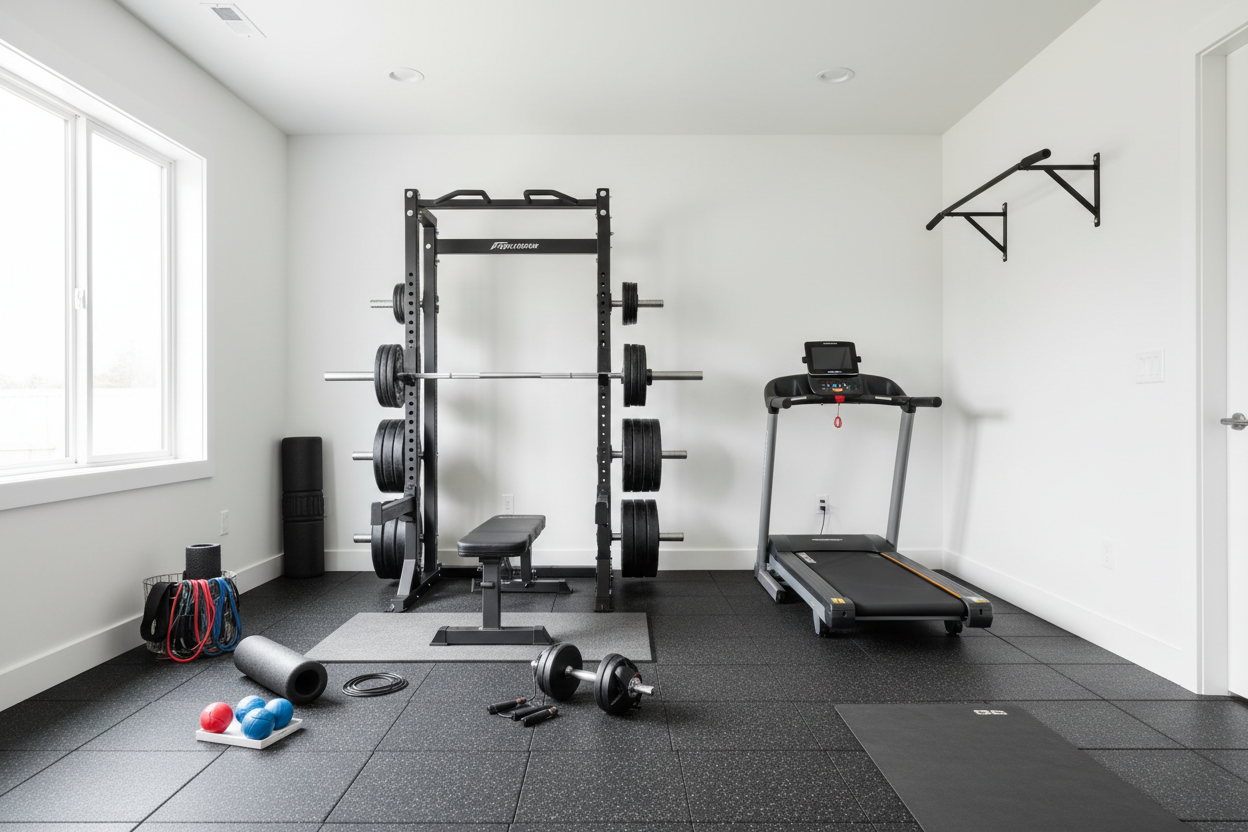
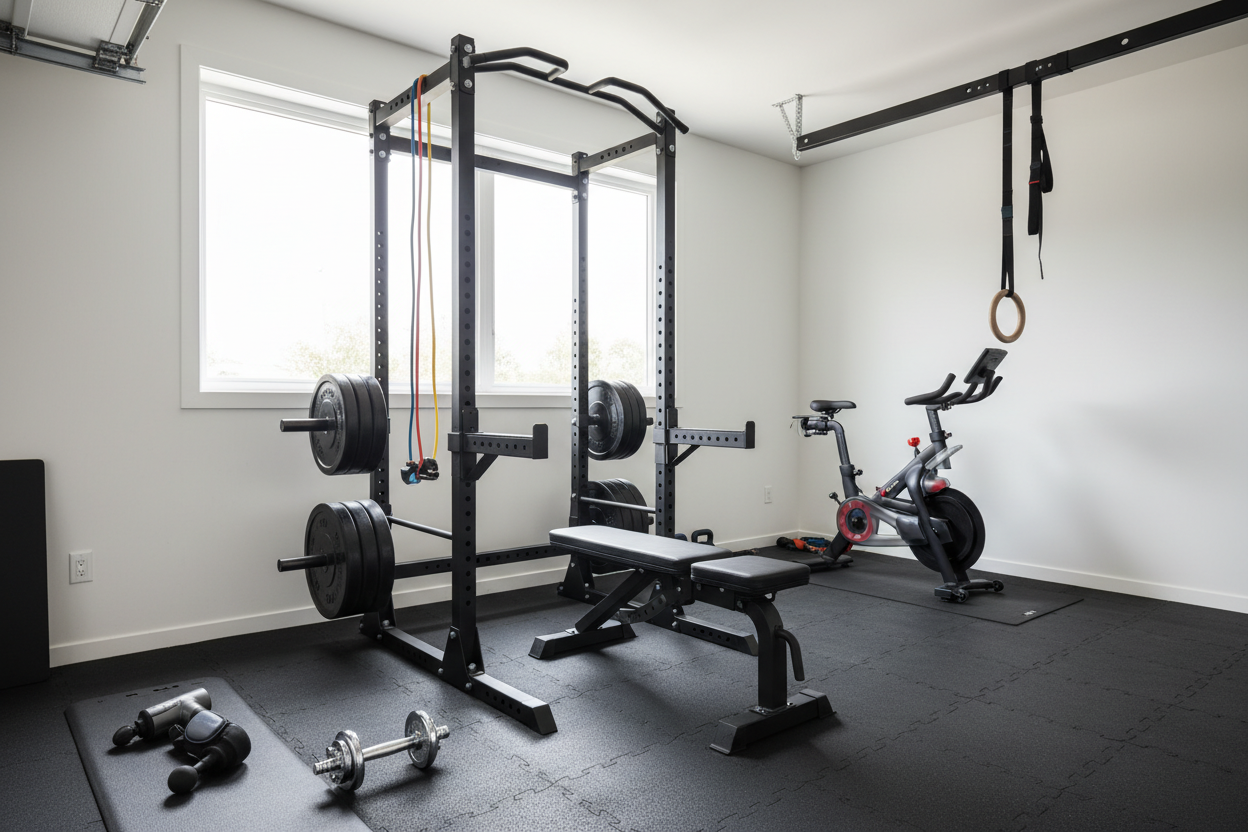
Removing the Friction from Your Home Gym Setup
Your environment dictates your effort. I once tried to squat 315 on a slippery concrete floor in a damp basement. Every rep felt like a gamble with my ACLs. If your floor is uneven or your space is cramped, you'll subconsciously sandbag your sets to avoid injury. This psychological friction is a gain-killer.
Investing in a large exercise mat for home gym use isn't just about protecting the floor; it's about creating a stable, high-friction surface where you can actually push your limits. When you know your feet won't slide during a heavy set of split squats, you're more likely to actually hit the RPE 9 intensity required for growth. Clear the clutter and fix your floor.
How to Pick a Plan You Won't Quit in Month Two
Pick a plan based on your worst day, not your best. If you have a high-stress job and three kids, don't pick a 6-day-a-week bodybuilding split. You'll fail by week three. Even a basic workout plan to build muscle can be modified for home use if the logic is sound.
The best plan is the one you can follow when the car breaks down and you're tired. Choose a frequency you can hit even when life sucks. Consistency over 52 weeks at 80% effort will always beat 12 weeks of 100% effort followed by a total burnout.
My Biggest Programming Mistake
Early in my training, I ran a 'pro' routine I found in a glossy magazine. It had me doing 30 sets for chest on Mondays. I got weaker every week because I simply couldn't recover from the sheer volume. I thought I wasn't 'hardcore' enough. The truth? The program was garbage for a natural lifter. I switched to a basic 3-day full-body routine, focused on heavy triples and fives, and finally saw my bench move for the first time in a year.
FAQ
How long until I see actual muscle growth?
Visual changes usually take 8-12 weeks of consistent eating and lifting to become noticeable to others. However, you'll feel 'harder' and stronger within the first 4 weeks as your nervous system adapts.
Can I build muscle with just a home gym?
Absolutely. As long as you have enough resistance (weights or bands) to get within 1-3 reps of failure, your body doesn't know if you're in a $50k commercial gym or a 10x10 garage.
Should I change my exercises every month?
No. Keep the same main lifts for at least 3-6 months. Only swap them if they cause joint pain or if you have truly plateaued (no progress in weight or reps) for more than 4 weeks straight.