The Truth Hiding Inside Boring Articles on Weight Training
I’ve spent too many nights in a 40-degree garage, shivering while staring at a barbell, wondering if the latest articles on weight training I read actually mean anything for a guy training in his own driveway. Most academic papers are written by folks in climate-controlled labs who’ve never had to move a power rack to make room for a lawnmower. If you’re tired of dense jargon, let’s talk about what actually transfers to your concrete floor.
- Research proves that consistency beats the 'perfect' program every time.
- You don't need a lab-grade facility to see professional-level gains.
- Most studies use untrained subjects, so take their 'breakthroughs' with a grain of salt.
- Progressive overload is the only law that never breaks.
The Disconnect Between Lab Coats and Garage Gyms
Most strength training research is conducted in university settings. They recruit college students, put them on a 12-week program, and measure the results. That’s fine, but it doesn’t account for the guy who just worked a 10-hour shift and is training in a shed with a leaky roof. A weight lifting article based on these studies often suggests that a 2.5% increase in volume is the 'optimal' path. In the real world, sometimes you just need to add five pounds to the bar and pray.
The controlled environment of a lab eliminates the variables we deal with daily: poor sleep, mediocre nutrition, and the lack of a screaming coach. When you read a weight training article, remember that science seeks the 'average' truth. You aren't an average; you're a lifter with a specific set of constraints. The goal isn't to replicate a clinical trial; it's to steal the principles that work and leave the lab-coat fluff behind.
Three Things Strength Training Research Actually Gets Right
Despite the disconnect, thousands of pages of strength training articles boil down to three non-negotiables. First: progressive overload. If you aren't doing more over time—more weight, more reps, or less rest—you aren't training; you're just exercising. Second: proximity to failure. You don't have to vomit after every set, but you need to be within 1-3 reps of your limit to trigger growth.
Third is consistency. A strength training article might argue over whether a 3-day or 4-day split is better, but the research shows that total weekly volume is what moves the needle. If you hit your numbers over the course of seven days, the specific schedule matters a lot less than the internet experts want you to believe. Stop overthinking the 'window of opportunity' and start focusing on showing up.
You Don't Need Complex Equipment to Grow
I see people get discouraged because they don't have access to $10,000 iso-lateral rows. While researchers love using weight lifting machines because they isolate variables and make data easier to collect, your nervous system doesn't care if the resistance comes from a cable or a rusty iron plate. The muscle recruitment in a basic barbell squat often dwarfs what you see in a seated leg press study anyway.
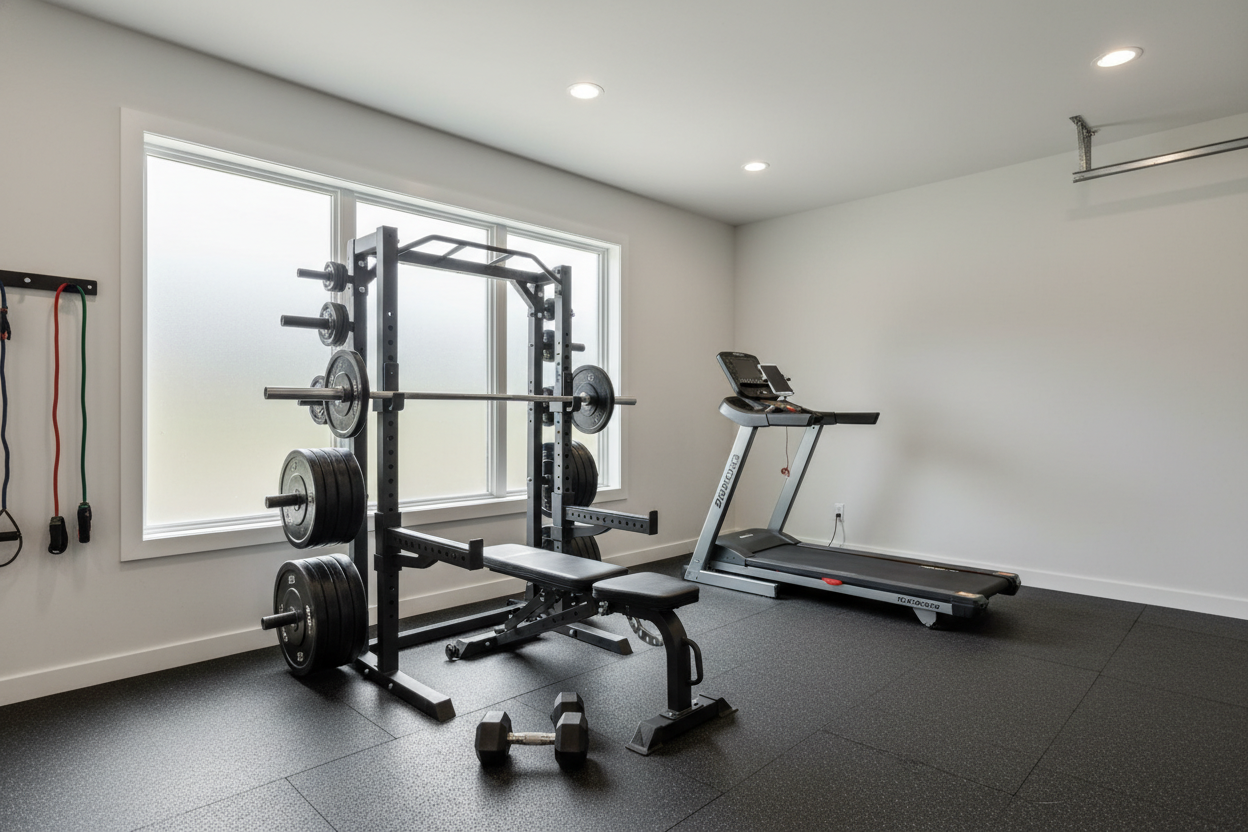
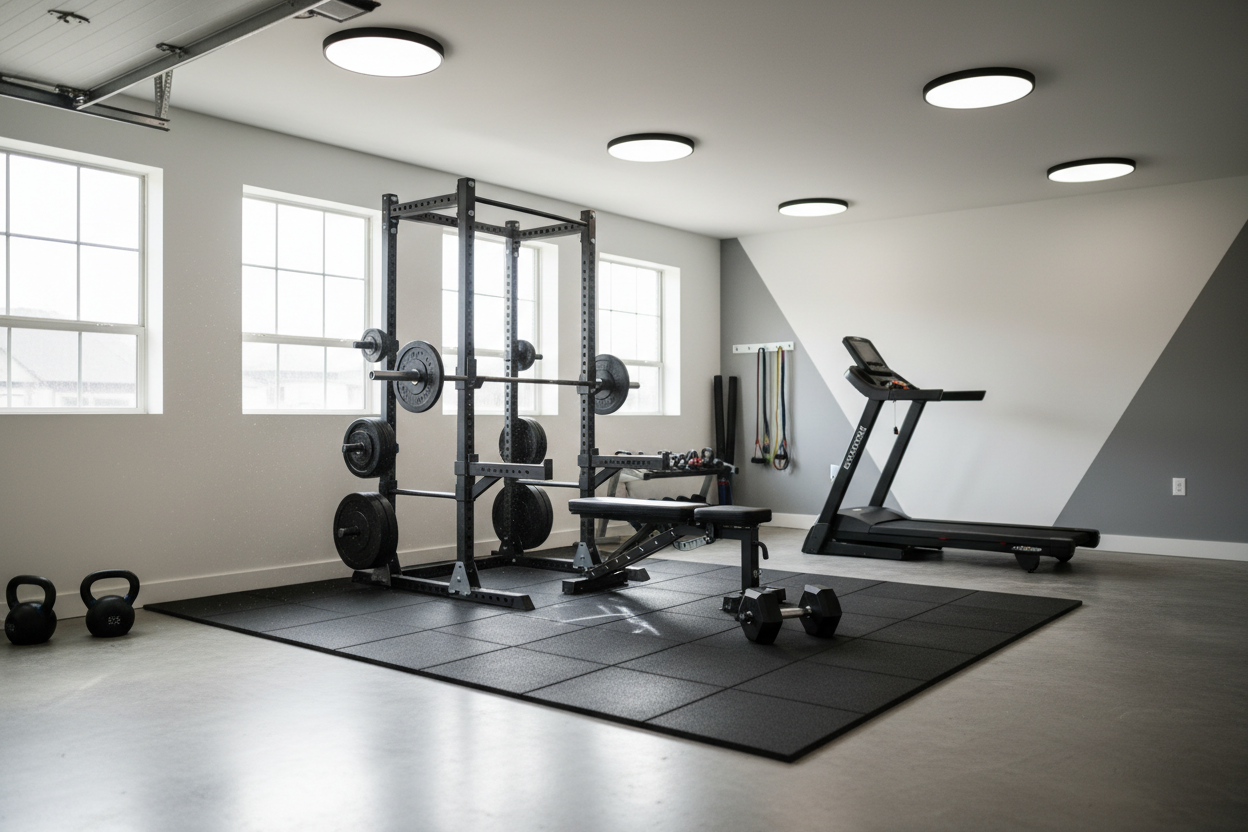
If your garage gym consists of a rack, a bar, and some plates, you have everything needed to satisfy the requirements of any article on strength training. The stimulus is what matters, not the paint job on the machine. Resistance is resistance, whether it’s gravity pulling on a plate or a pin-loaded stack in a posh commercial gym.
Stop Guessing Your Starting Load
Clinical trials usually start with a 1-rep max (1RM) test. For a solo lifter, trying to find a true 1RM on a bench press without a spotter is a recipe for a viral 'gym fail' video. Instead, you can adapt those protocols safely. Use a 5-rep or 10-rep max test and use a calculator to estimate your ceiling. This allows you to find the right weights for strength training without risking a trip to the ER.
Once you have that estimate, use the 'Repetitions in Reserve' (RIR) method favored by modern strength training research articles. If the program calls for 8 reps, choose a weight where you feel like you could have done 10. It keeps you safe, keeps the quality of the reps high, and ensures you aren't burning out your central nervous system before Tuesday.
When a Science-Backed Weight Training Article Misses the Mark
Be careful with any article on weight lifting that claims a '300% increase in muscle activation.' Usually, that study was done on eight people who have never lifted a weight in their lives. Everything works for a beginner. If you’ve been training for more than two years, those 'newbie' gains are long gone, and the results of that study probably don't apply to you.
Short study durations are another trap. Most research ends at 8 or 12 weeks. That’s enough time to see neurological adaptations—your brain getting better at the movement—but it's barely enough time to see true muscular hypertrophy. Don't jump ship on your current program just because some new articles about strength training suggest a 'novel' way to trigger growth in three weeks.
Building an Evidence-Based Setup on a Budget
If you want to train like the athletes in these studies, you need gear that allows for micro-loading and stability. Don't waste money on vibrating plates or 'smart' mirrors. Invest in the best strength and weight training equipment that has stood the test of time: a solid power rack and a high-quality barbell with consistent knurling.
An adjustable weight bench is another foundational piece. Most pressing studies look at muscle activation at specific angles—0, 30, and 45 degrees. Having a bench that locks into those exact positions allows you to replicate the science without the guesswork. Keep it simple, keep it heavy, and keep it versatile.
How to Filter Out BS Articles About Strength Training
The next time you’re reading articles about weight lifting, look for the 'Methods' section. If they don't mention the training status of the participants, ignore the results. If the article is subtly pushing a specific brand of branched-chain amino acids (BCAAs), it’s not science; it’s an ad. Real strength training research is usually quite boring—it confirms that hard work and time are the only 'secrets' left.
Is 5x5 actually the best for strength?
It’s a classic for a reason. It provides enough volume for growth and enough intensity for strength. However, 'best' is subjective. If 5x5 makes your joints ache, 3x8 might be your 'best' version.
Do I really need to deload every 4 weeks?
Only if you're actually pushing hard enough to need it. If your lifts are still going up and you feel fresh, keep going. Most articles on strength training recommend deloads to prevent injury in high-volume groups.
Can I build muscle with just dumbbells?
Absolutely. Research consistently shows that as long as you reach a high level of effort, the tool is secondary to the tension. Just make sure you have enough weight to keep the reps under 30.
My Personal Experience with 'Science'
I once spent six months following a high-frequency squat program I found in a strength training research article. It promised massive quad growth by squatting four times a week. By week six, my knees felt like they were filled with broken glass. The study was done on 20-year-old athletes with professional recovery tools; I was a 35-year-old with a toddler and a mortgage. I learned the hard way that 'science-backed' doesn't mean 'injury-proof.' Listen to the data, but listen to your joints more.