The Truth About 'Compact' Gym Equipment for Strength Training
I remember the first time I tried to max out my back squat on a 'space-saving' rack I bought from a big-box retailer. Every time I unracked 315 pounds, the whole frame shuddered like a folding chair in a hurricane. That is the dirty little secret of the industry: most gym equipment for strength training marketed as 'compact' or 'foldable' is designed for people who plan on using it as a laundry rack within six months, not for people who actually lift.
Quick Takeaways
- 11-gauge steel is the minimum standard for safety in any rack.
- Avoid 'all-in-one' machines with more than two pulleys; they are maintenance nightmares.
- Wall-mounted racks require heavy-duty stringers to prevent your drywall from crumbling.
- Adjustable dumbbells with plastic internal gears will eventually shatter if dropped.
The All-In-One Trap: Why Moving Parts Equal Weak Points
Brands love to sell you the dream of a Swiss Army knife for your garage. They promise fifty exercises in a four-foot footprint. Here is the reality: every hinge, pivot point, and bolt is a potential failure point. When you are looking at strength training gym equipment, physics is a cruel mistress. A solid steel upright doesn't move. A folding joint held together by a 10mm pin definitely does.
Most of these multi-stations use thin, 14-gauge steel to keep the weight down so they are easier to ship. That is fine for bicep curls, but it is a disaster for heavy compounds. If the machine feels light enough for one person to drag across the room easily, it is probably too flimsy for a heavy deadlift or squat. I have seen cables snap and pulleys grind into plastic dust because the alignment was off by half an inch. Stick to the basics: steel, iron, and gravity.
Foldable Wall Racks Are Great (If You Don't Buy Cheap Trash)
If you are truly tight on space, a wall-mounted folding rack is the only way to go. But let's be clear: you are trusting your life to the studs in your wall. When you start shopping for strength equipment, you need to look for 3x3 inch or 2x3 inch uprights. Anything smaller is going to feel like a toy.
You also cannot just lag-bolt these things directly into your 2x4s and call it a day. You need a stringer—a horizontal piece of wood or steel that distributes the load across multiple studs. I have seen guys rip their wall apart because they tried to save twenty bucks on hardware. A quality folding rack should feel like a tank when it's locked out. If it wobbles when you give it a shove, don't put a loaded barbell on it.
Adjustable Dumbbells: Fragile Plastic vs. Real Iron
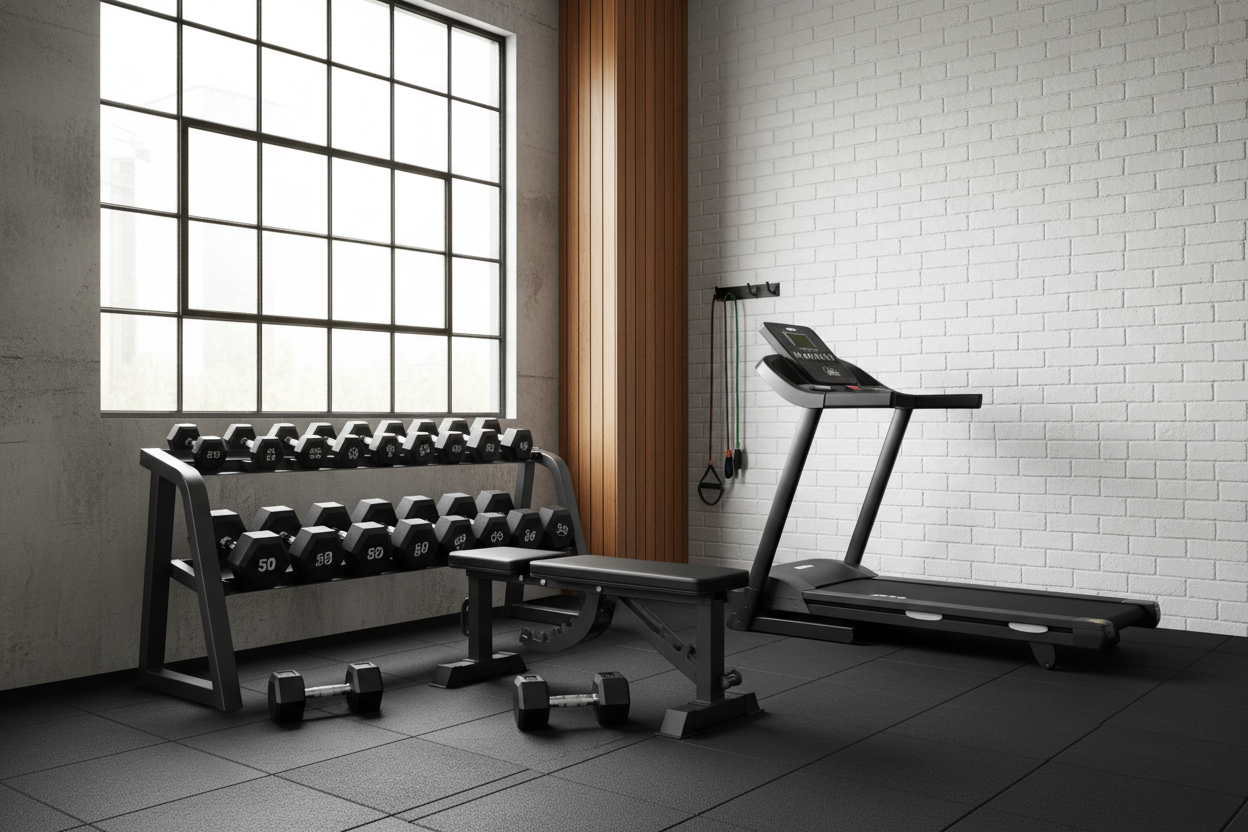
I have owned almost every pair of adjustable dumbbells on the market. The ones with the fancy dials and plastic gears are great for high-rep accessory work, but they are fragile. If you get a 'sticky' dial and try to force it, you are looking at a $400 paperweight. These strength training accessories are often the most abused pieces in the room, and they need to be built for it.
If you have the budget, look for the 'iron' style adjustables—the ones that use pins or expansion blocks. They can actually survive being dropped from bench height. Plate-loaded dumbbells are the cheapest and most durable option, though they take longer to change. If you are doing heavy rows or presses, you want a handle that feels like a real barbell, not a plastic remote control.
How to Choose Strength Training Gym Equipment for Small Spaces
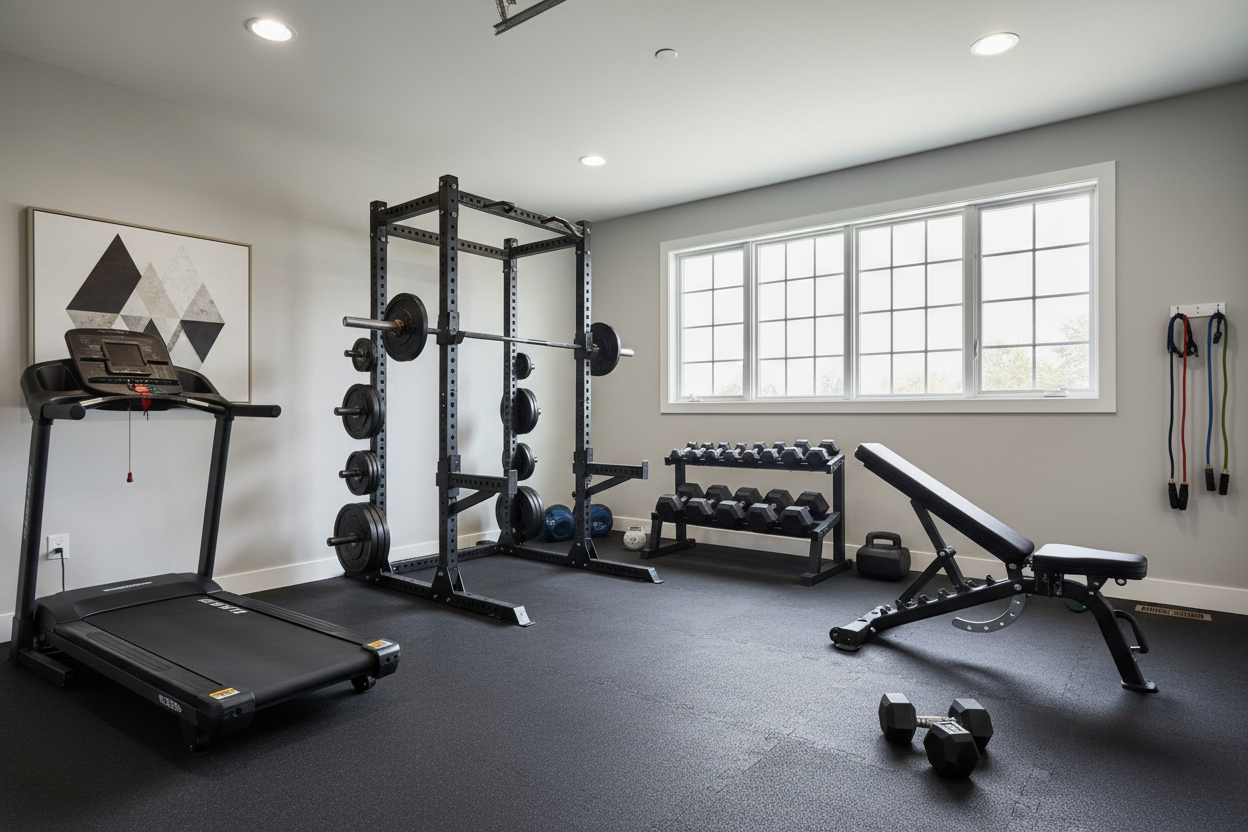
You can do a hell of a lot of work in a 10x10 foot space. The trick is to stop buying single-use machines. A leg extension machine is a waste of space in a home gym. A rack, a bench, and a quality bar are the foundation. Everything else is just fluff. Once you have the footprint of your rack figured out, check out this guide on the top home gym equipment for effective strength training to see how to layer in the extras.
Think about height, too. Many basements have low ceilings that won't accommodate a standard 90-inch rack. Look for 'shorty' racks that sit around 72 to 80 inches. You might lose the ability to do standing overhead presses inside the rack, but you gain the ability to actually fit the gear in your house without cutting a hole in the ceiling.
The Only Space-Saving Setup I Actually Trust
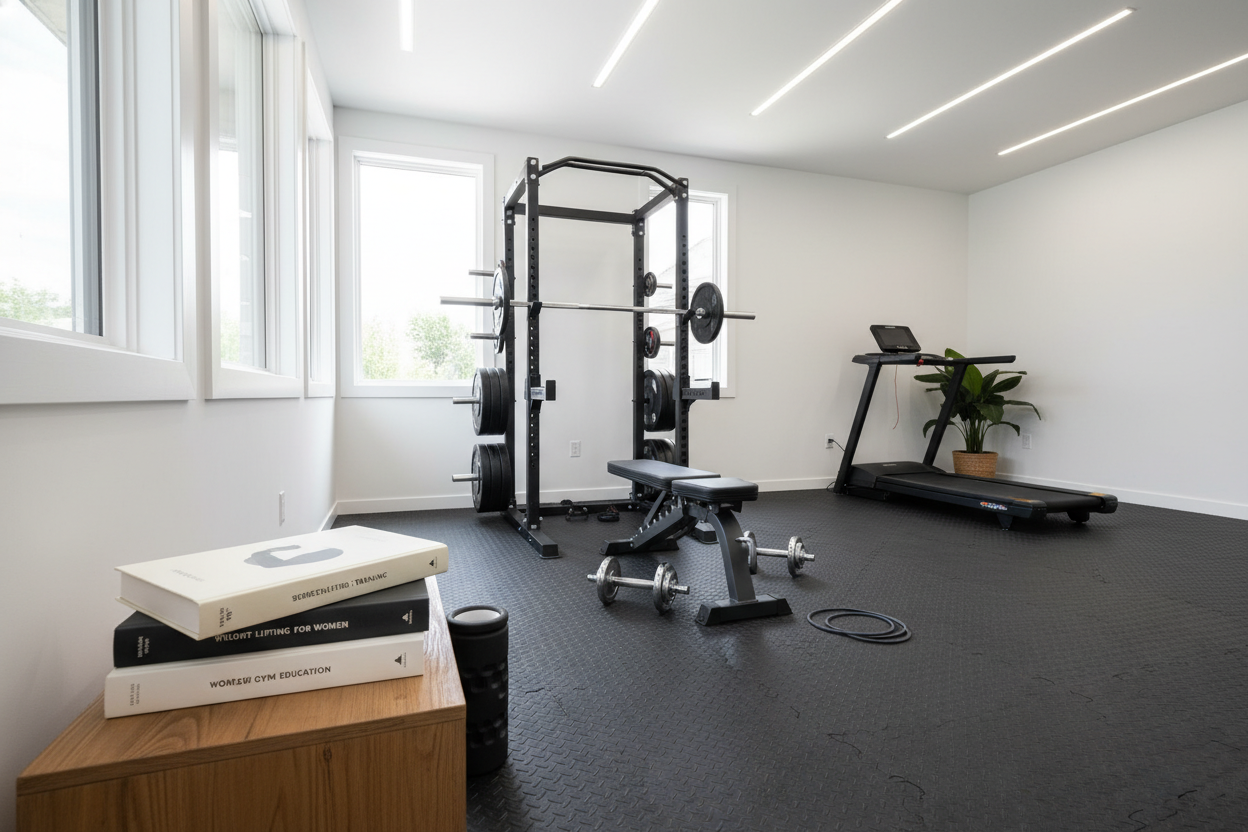
If I had to start over in a single-car garage, I would skip the folding gimmicks entirely. I would buy a heavy-duty squat stand with a small footprint—something like 48 by 48 inches. Pair that with a high-quality flat utility bench. Flat benches are lighter, cheaper, and more stable than most adjustable benches, and you can hang them on the wall when you are done.
Add a 20kg barbell and about 300 pounds of iron plates. That setup will outlive you. It won't have any 'smart' features, and it won't fold into a suitcase, but it will let you pull heavy triples without the fear of the equipment collapsing under you. Sometimes, the most 'compact' solution is just having less stuff that is built better.
My Personal Experience
A few years back, I bought a 'pro' folding bench because I wanted to park my car in the garage. One afternoon, while I was mid-set on incline press with 90-pound dumbbells, the adjustment pin sheared. I ended up flat on my back with 180 pounds of iron hovering over my chest. I sold that bench the next day and bought a welded flat bench that I still use today. I never parked the car in the garage again. The lesson? Stability is worth more than floor space.
FAQ
How much floor space do I actually need for a home gym?
You need at least an 8x8 foot area for a standard barbell and rack. This gives you enough room to load plates on the ends of a 7-foot bar without hitting the walls.
Is 14-gauge steel okay for a home gym?
It is fine for light accessories, but for a squat rack or bench, you really want 11-gauge. It is thicker, heavier, and significantly more stable under load.
Can I put a squat rack on a second floor?
Standard residential floors are usually rated for 40 lbs per square foot. A full rack and weights can easily exceed that. Always check with a structural engineer if you are planning to lift heavy upstairs.