The Truth About Building Muscle With Digital Weight Machines
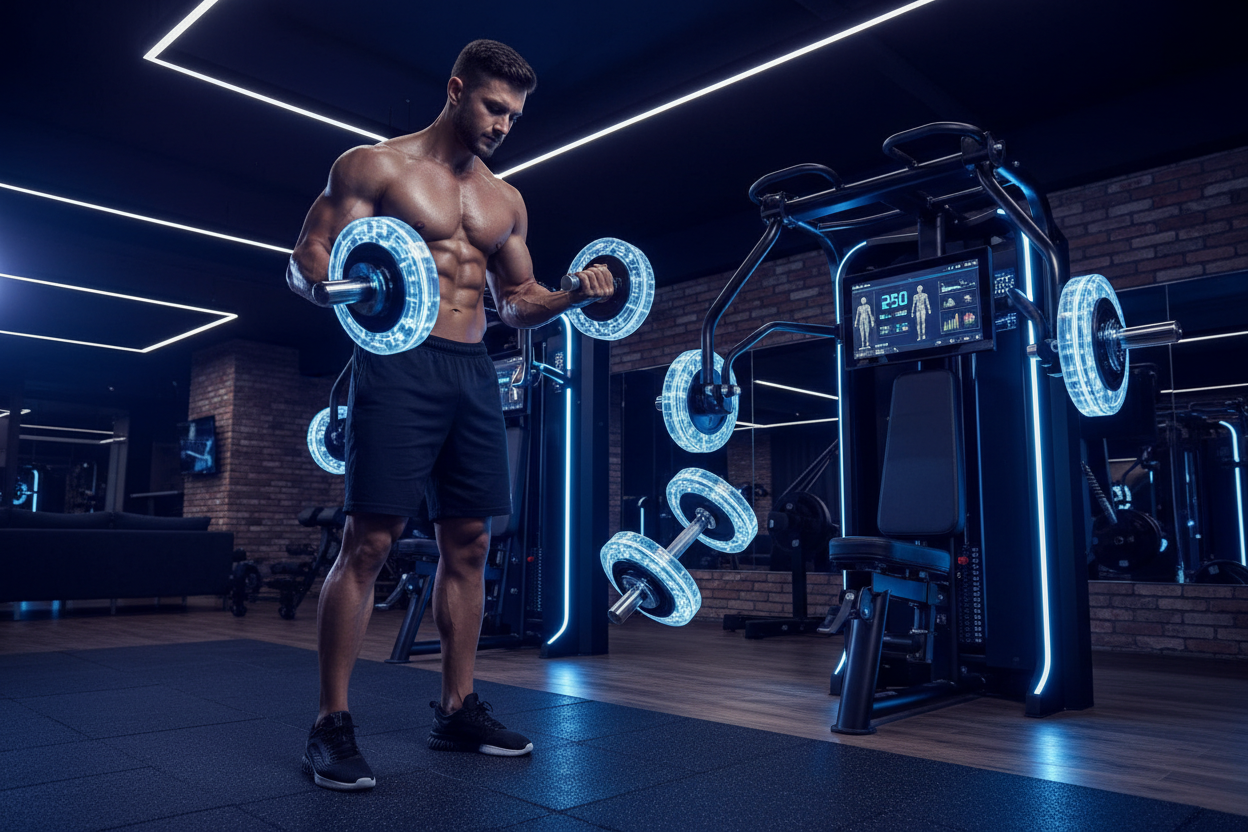
You have probably seen the sleek, mirror-like screens or compact platforms promising to replace an entire rack of dumbbells. The skepticism is natural. Can a machine that uses magnets and motors really replicate the feeling of cold, heavy iron? It’s the biggest debate in fitness right now.
We are looking at whether digital weight machines are actually effective tools for hypertrophy or just expensive gadgets. If you are tired of tripping over plates or simply lack the square footage for a squat rack, the answer might surprise you.
Key Takeaways
- Variable Resistance: Unlike gravity-based weights, digital machines can adjust resistance mid-rep, maximizing time under tension.
- Safety First: Automatic spotter functions significantly reduce injury risk when training to failure alone.
- Compact Footprint: Most units require less than 10 square feet, making them ideal for apartments.
- Data Overload: These systems track velocity, power, and volume automatically, removing the need for manual logging.
How Digital Lifting Actually Works
To understand the value here, we have to look under the hood. Traditional strength training relies on gravity. A 50lb dumbbell is always 50lbs, moving vertically. However, digital lifting relies on algorithmic resistance.
Most of these units utilize a magnetic resistance weight machine engine. This technology uses electric motors and electromagnets to generate tension on a cable. Because the resistance is generated by software, it can be manipulated in ways gravity cannot.
The Science of Eccentric Overload
This is the biggest selling point. You are likely stronger lowering a weight (eccentric) than you are lifting it (concentric). With standard electronic weights, the machine can detect when you are lowering the bar and instantly add weight, then strip it off for the lifting phase.
This taxes the muscle fibers more thoroughly than a static weight ever could. You aren't just moving a load; you are fighting an active motor that wants to pull your arms back.
Digital Weights vs. Traditional Iron
Is one superior? It depends on your goals. Digital weights excel at efficiency. Transitioning from a deadlift to a bicep curl takes a literal tap on a screen rather than stripping and racking plates.
However, there is a distinct feel to electric weights that purists hate. There is no inertia. You cannot generate momentum to swing a weight up. The resistance is constant and relentless. If you stop pushing, the weight doesn't 'float' for a split second like a barbell does; it immediately pushes back.
The "Stick Point" Advantage
We all have weak points in our lifts. Smart algorithms in these machines can sense when you are struggling with a rep and micro-adjust the load in real-time to help you push past the sticking point without compromising your form. This keeps the muscle under tension without forcing you to bail on the lift.
Common Mistakes When Switching
The biggest error I see is ego lifting. 100lbs on a digital machine feels significantly heavier than 100lbs of free weights because of the lack of momentum. If you try to match your gym PRs on day one, you will likely get humbled or injured.
Another issue is ignoring the setup. Just because the machine is compact doesn't mean you don't need room to move. Ensure you have clearance for cable travel so you aren't shortening your range of motion.
My Personal Experience with Digital Weight Machines
I want to be transparent about my transition from a commercial gym to testing a high-end digital unit. The first thing that threw me off wasn't the weight—it was the silence. There’s no clanking.
But the "aha" moment happened during a heavy bench press session. I was testing the "spotter" mode. Usually, when I bench alone with iron, I leave a rep in the tank because I'm terrified of the roll of shame. On this machine, I went for a rep I knew I couldn't finish.
Halfway up, my arms shook, and I stalled. In a split second, the machine recognized the velocity drop. The weight didn't slam down on my chest; it just... dissolved. The tension released gently, lowering the bar to my chest with zero force. It felt almost like magic, but mostly, it felt safe. I realized I could train to absolute failure without a human standing over me. That specific feeling of safety changed how hard I was willing to push.
Conclusion
Are they a perfect replacement for a hardcore powerlifting gym? Maybe not for a competitive lifter. But for the general population looking to build muscle safely and efficiently, digital weight machines offer benefits that iron simply cannot match. The ability to track data and utilize eccentric overload makes them a serious tool for body composition.
Frequently Asked Questions
Do digital weights really build muscle like free weights?
Yes. Your muscles do not know the difference between gravity and magnetic resistance; they only understand tension. Because digital machines can provide constant tension and eccentric overload, they are highly effective for hypertrophy.
What is the max weight on these machines?
Most consumer digital lifting units top out around 200lbs to 400lbs of total resistance. While this is lower than a commercial gym leg press, the lack of momentum makes the weight feel significantly heavier than the number suggests.
Are magnetic resistance machines durable?
generally, yes. Because there are fewer moving mechanical parts like pulleys and physical plates, there is less wear and tear. However, the longevity relies heavily on the internal electronics and software updates.