The Secret to Weighting Lifting Equipment So It Doesn't Tip
I remember the first time I almost ate a mouthful of 14-gauge steel. I was reracking 315 pounds after a shaky set of squats on a budget rack I’d bought off Amazon at 2 AM. I hit the J-cups a little too hard, and the entire back end of the rack lifted three inches off the garage floor. My heart stopped. That rack was light enough to move with one hand, which is great for assembly but a nightmare for survival. This is why weighting lifting equipment is the most overlooked safety step in any home gym setup.
Quick Takeaways
- Always prioritize weighting the rear base crossmembers first.
- Sandbags are the best non-permanent solution for renters.
- Bolting to concrete is the only way to ensure 100% stability.
- Lightweight benches need rear-post anchors to prevent sliding during leg drive.
- If you need more than 200 lbs of ballast, it is time for upgrading your home strength equipment to something heavier.
That Terrifying Moment Your Squat Rack Tilts
Most entry-level racks weigh less than the person using them. If you’re a 200-lb lifter moving a 300-lb barbell on a 110-lb rack, the math is working against you. When you rerack that weight, the horizontal force shifts the center of gravity instantly. If your rack isn't anchored, it wants to tip forward or slide back. I learned the hard way that 'good enough' isn't a strategy when you have iron over your head.
Cheap gear often uses thin 2x2 tubing. It’s light, it’s easy to ship, and it’s inherently unstable. I spent weeks gingerly placing the bar back like I was putting a baby to sleep because I was terrified of the rack flipping. Eventually, I realized that if I wanted to actually train with intensity, I had to fix the foundation. You can’t focus on a PR when you’re worried about the weighting lifting equipment failing under the load of a standard rerack.
The Physics of Weighting Lifting Equipment Down
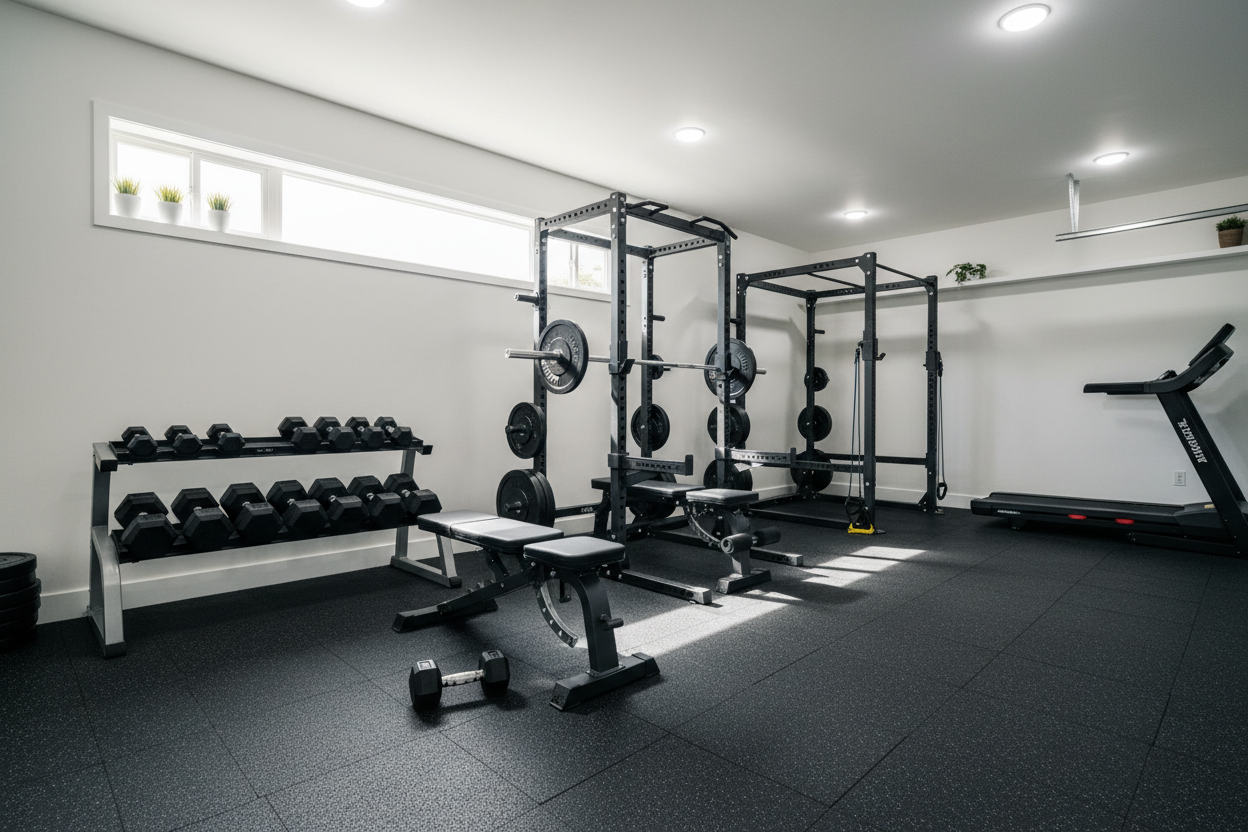
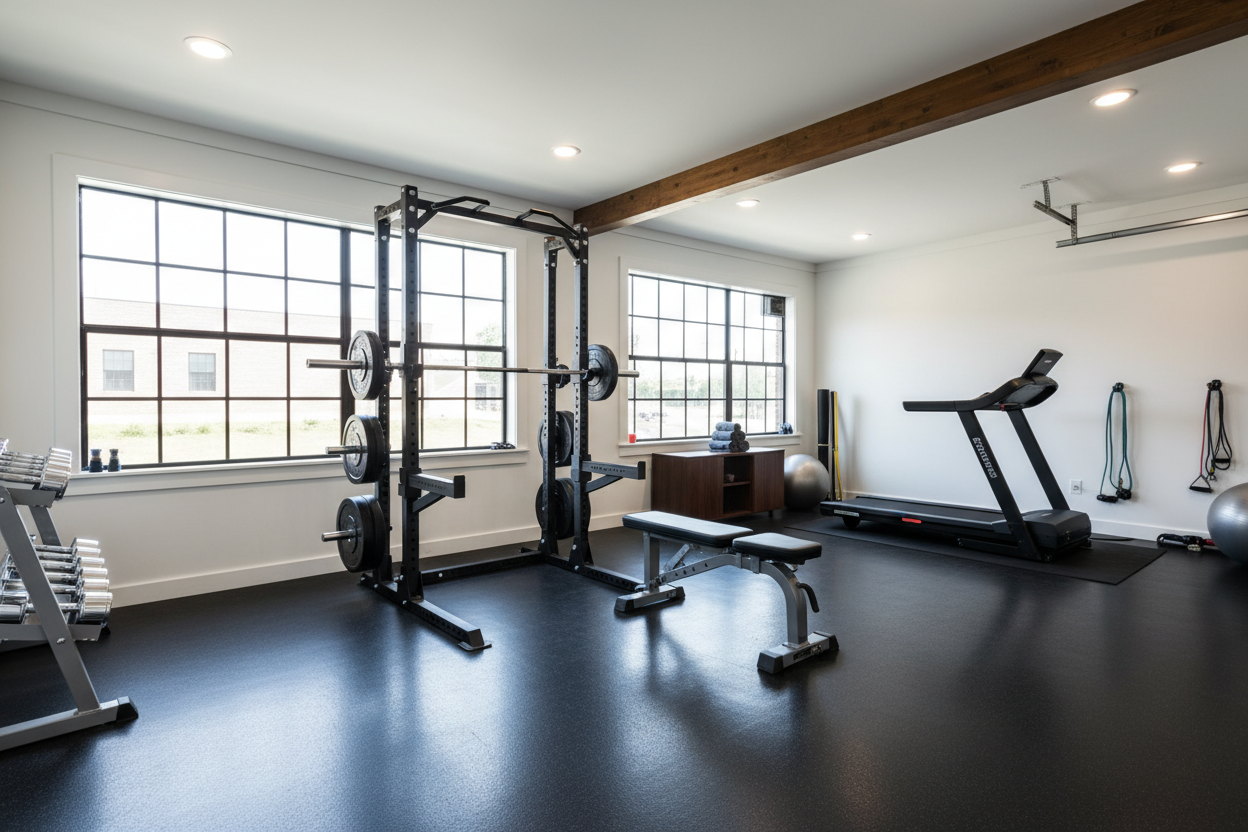
Stability is all about the base. On a standard squat stand or power rack, the leverage point is usually the front uprights. To counter the force of a heavy barbell hitting those uprights, you need mass at the furthest point back on the frame. This is where you apply your ballast. If you are unsure what kind of frame you are working with, check out this definitive guide to lifting weight equipment to identify your rack's footprint and gauge its tipping risk.
The most effective DIY method is using weight plate horns or 'storage pegs' bolted to the rear of the rack. Loading two 45-lb plates on each side at the bottom level lowers the center of gravity significantly. If your rack doesn't have storage pegs, you can lay heavy kettlebells or spare cast-iron plates directly across the back base crossmember. I’ve even seen guys use sandbags designed for photography light stands—they’re cheap, durable, and hug the steel tubing perfectly without sliding around.
Sandbags vs. Concrete Anchors: Which is Better?
If you own your home and have a concrete garage floor, stop reading and go buy a hammer drill. Concrete anchors are the gold standard for any weight lifting apparatus. Bolting a rack into the foundation turns the entire house into your counterbalance. It eliminates all wobble, side-to-side sway, and tipping risk. It’s a permanent fix that makes a $300 rack feel like a $1,000 commercial unit.
However, if you're a renter or training in a spare bedroom, drilling holes in the floor is a one-way ticket to losing your security deposit. In this case, heavy-duty sandbags are your best friend. I recommend the 50-lb bags of play sand from the hardware store. Double-bag them in contractor bags and then put them inside a cordura sandbag shell. Place two on the back crossmember and one on each side. It’s not as elegant as bolts, but it provides enough friction and mass to keep the rack from 'walking' across the floor during your session.
Don't Forget to Stabilize Your Bench
People obsess over the rack but forget the bench. If you use a lot of leg drive during your bench press, a lightweight bench will slide backward on a smooth stall mat or concrete floor. This ruins your setup and can actually cause a shoulder injury if you lose your positioning mid-rep. I’ve had benches kick out from under me during heavy sets, and it’s a quick way to lose confidence in your gear.
You can weigh down the rear post of a bench with a single 45-lb plate, but the better solution is buying gear with a wider footprint. I eventually switched to a sturdy Gxmmat adjustable weight bench because it has rubber end caps and a base wide enough that it doesn't tilt when you're sitting on the edge to prep for a set. If your bench is still sliding, try placing a piece of non-slip shelf liner or a dedicated 'bench grip' mat under the feet. It’s a cheap fix that makes a massive difference in how solid your press feels.
When to Stop Adding Weight and Just Buy Better Gear
There is a point of diminishing returns. If you find yourself stacking 300 pounds of sandbags and spare plates on a $100 rack just to keep it from falling over, you are fighting a losing battle. Eventually, the bolts in the frame will start to shear or the thin steel will bend under the stress of the ballast itself. Safety isn't just about weight; it's about structural integrity.
If you're hitting numbers that make your budget gear groan, it's time to look at heavy-duty weight lifting machines or a 3x3 11-gauge steel power rack. These units often weigh 300+ lbs on their own. They don't need to be weighted down because their own mass provides the stability you need. I spent way too long trying to 'hack' my cheap gear when I should have just invested in a rack that was built for the weight I was actually lifting. Don't let your ego or your wallet put you in a dangerous spot.
FAQ
How much weight do I need to add to my rack?
At a minimum, aim for a 1:1 ratio. If your rack weighs 100 lbs, add at least 100 lbs of ballast to the base. This usually provides enough stability for moderate lifting, but more is always better when it comes to the base.
Can I use water jugs to weigh down equipment?
I tried this once and it was a disaster. Plastic jugs eventually crack or leak from the vibration of dropping weights nearby. Stick to sand, iron, or concrete. Water is too messy and not dense enough to be effective.
Will bolting my rack to the floor crack the concrete?
Not if you do it right. Use a masonry bit and don't drill too close to the edge of a slab or an existing crack. Use wedge anchors or Tapcons. If you're nervous, a 3/4-inch plywood stringer between the rack and the concrete can help distribute the load.