The Real Secret to Building Stronger Glutes (It’s Not Just Squats)
You have probably spent months squatting, lunging, and doing endless kickbacks only to see minimal changes in your physique. It is a frustrating reality for many gym-goers who follow generic advice. If you want a direct answer regarding the single most effective movement, the barbell hip thrust is widely considered the best weight exercise for glutes due to its ability to load the gluteus maximus in its shortened position without being limited by back strength. However, relying on just one movement rarely builds a complete physique.
Building a posterior chain that is both strong and aesthetically developed requires more than just showing up. It requires understanding biomechanics and selecting movements that actually target the muscle fibers you are trying to grow. Many popular leg exercises are actually quad-dominant, meaning your thighs take over before your glutes ever get a chance to fully engage. To see real progress, you need to shift your focus toward exercises that prioritize hip extension and abduction under significant load.
My Wake-Up Call With Heavy Lifting
I spent the early part of my fitness journey terrified of going heavy. I stuck to ankle weights and high-repetition bodyweight movements, convinced that the "burn" meant growth. I was wrong. My progress completely stalled until a mentor pointed out that my glutes were a large, powerful muscle group designed to move heavy loads. The first time I set up for a heavy barbell hip thrust, it felt awkward and intimidating. But the next day, the soreness was in a completely different league compared to the fatigue from high-rep classes. That shift in training philosophy—moving from chasing a burn to chasing strength performance—was the catalyst that finally changed my body composition. You have to give the muscle a reason to adapt, and usually, that reason is heavy iron.
The King of Glute Development
As mentioned earlier, the hip thrust reigns supreme. While squats are fantastic for overall leg development, the hip thrust isolates the glutes by removing the balance constraints and spinal loading associated with standing compound lifts. This allows you to push much heavier weight directly through the hips.
To execute this properly, sit on the floor with your upper back against a bench. Roll a barbell over your hips (using a pad is non-negotiable unless you enjoy bruising). Drive your hips toward the ceiling, keeping your chin tucked and your ribs down. At the top, your shins should be vertical. The magic happens at the lockout. Squeeze hard for a second before lowering the weight with control. This movement creates the highest level of tension when the muscle is fully contracted.
Structuring a Complete Routine
While the thrust is the heavy hitter, you cannot neglect the other functions of the muscle group. A well-rounded program should include a variety of the best weight glute exercises to target the upper, lower, and side glutes. You need to hit the muscle from different angles and at different muscle lengths.
The Stretch: Romanian Deadlifts (RDLs)
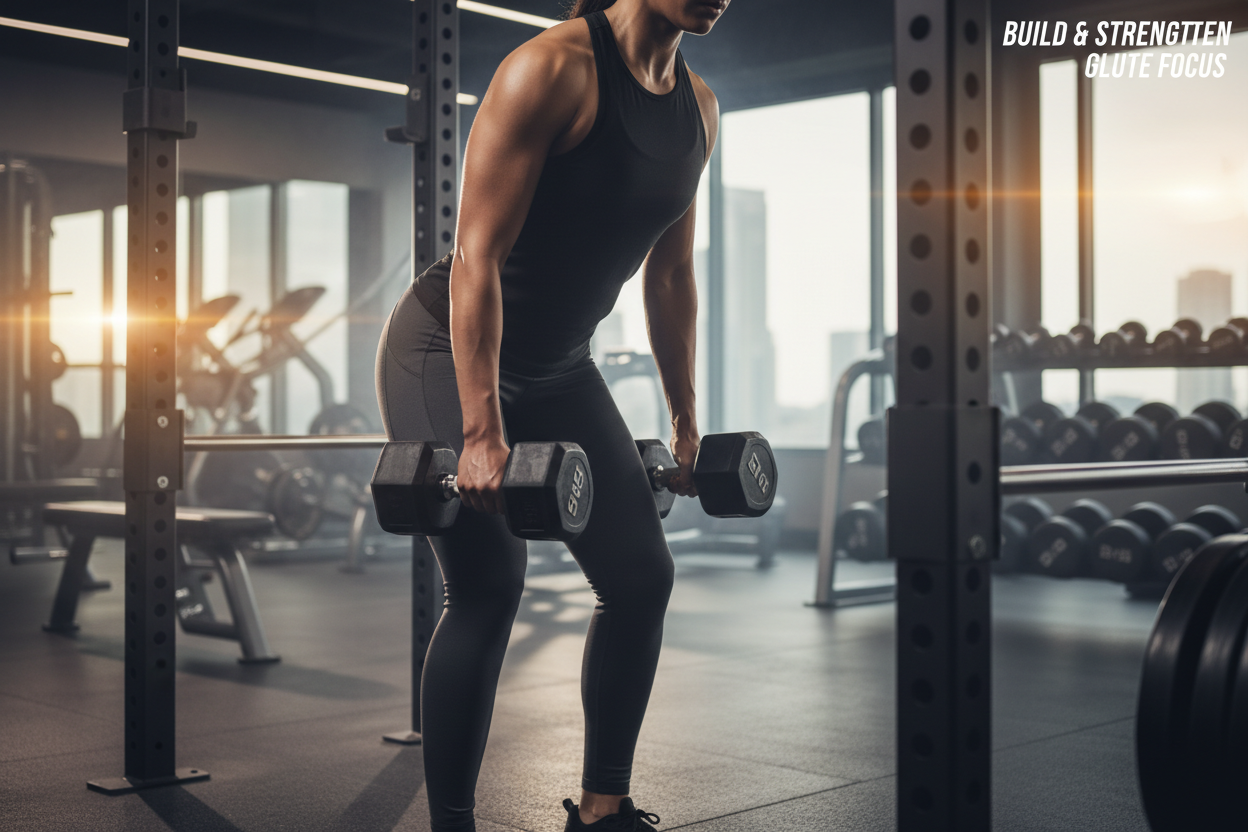
If the hip thrust challenges the muscle at the top of the movement (shortened position), the Romanian Deadlift challenges it at the bottom (lengthened position). This exercise causes significant muscle damage—in a good way—which is a primary driver of hypertrophy. The key here is the hip hinge. Imagine you are trying to close a car door with your backside while holding a heavy tray of drinks. Keep your knees soft but fixed, and push your hips back as far as they will go. Stop when your hips stop moving back; going lower usually just rounds your spine.
The Unilateral Challenge: Bulgarian Split Squats
Most people have a dominant side. Unilateral training ensures you aren't compensating with your stronger leg. The Bulgarian Split Squat is notoriously difficult but incredibly effective. By elevating your rear foot and leaning your torso slightly forward, you shift the bias from the quads to the glutes. This movement requires immense stability, recruiting the glute medius to keep your knee from collapsing inward. It essentially forces the glute to work as both a mover and a stabilizer simultaneously.
The Deep Squat
Squats still have a place in your routine, but depth is everything. Partial squats are mostly quad work. To really engage the posterior chain, you need to break parallel, descending until your hip crease is below your knee. A wider stance with toes pointed slightly out can also help increase glute activation during the lift.
Equipment Selection: What Works Best?
Walking into a gym can be overwhelming given the sheer volume of machines and free weights available. Determining the best weights for glutes depends largely on the specific exercise you are performing and your current strength level. You do not need fancy machines, but you do need the right tools for the job.
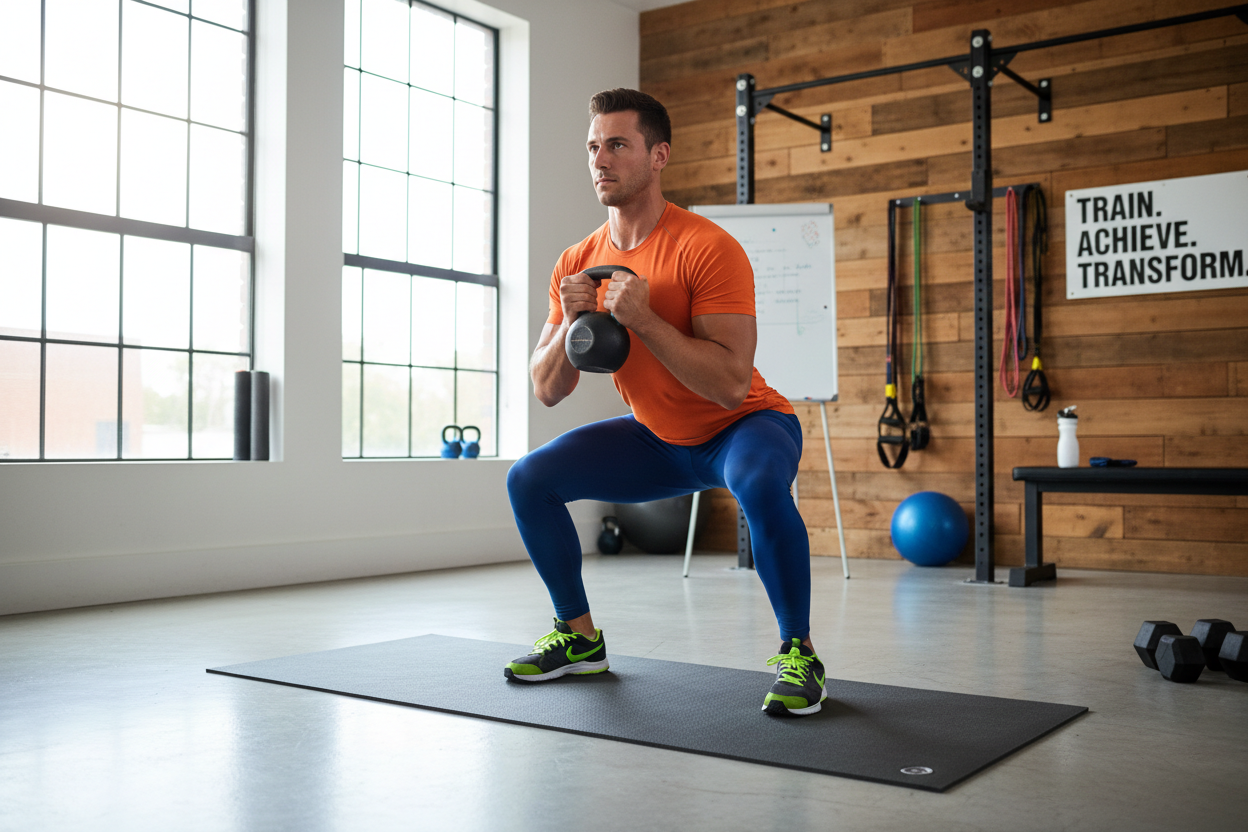
For maximum loading on hip thrusts and deadlifts, the barbell is unrivaled. It is the most efficient way to move 200+ pounds safely. However, dumbbells are superior for movements like walking lunges or step-ups because they allow for a greater range of motion and are easier to bail on if you lose your balance. Kettlebells are excellent for high-velocity movements like swings, which teach explosive hip extension, though they are generally less effective for raw hypertrophy compared to slow, controlled heavy lifting.
Progressive Overload and Intensity
The exercises listed above are merely the vehicle; progressive overload is the fuel. Doing the same three sets of ten reps with the same weight for six months will result in stagnation. You must consistently challenge the muscle to do more over time. This can mean adding weight to the bar, doing one more rep than last week, slowing down your tempo to increase time under tension, or resting less between sets.
Pay attention to your "Mind-Muscle Connection." It sounds like gym bro-science, but it is backed by data. If you are doing an RDL but only feel it in your lower back, stop. Drop the weight. Re-evaluate your form. You should feel the tension in your hamstrings and glutes. If you cannot feel the target muscle working, you are simply moving weight from point A to point B, which is efficient for energy conservation but terrible for muscle building.
Rest and recovery are the final pieces of the puzzle. Glutes are large muscles that can handle a lot of volume, but they still need time to repair. Training them heavy 2-3 times a week is generally the sweet spot for most natural lifters. Any more than that, and you risk systemic fatigue that will drag down the intensity of your sessions.
Frequently Asked Questions
Why do I feel leg exercises in my lower back instead of my glutes?
This usually happens due to poor core bracing or hyperextending the spine. Instead of arching your back to lift the weight, focus on keeping your ribcage tucked down and your core tight, moving only at the hip joint.
Can I build glutes using only dumbbells?
Yes, you absolutely can, especially with unilateral movements like split squats and lunges where less weight is needed to create high tension. However, for bilateral movements like bridges, you may eventually max out the available dumbbell weights and need to switch to a barbell for continued progression.
How often should I train my glutes for maximum results?
For most intermediate lifters, training glutes 2 to 3 times per week allows for sufficient volume while giving the muscle 48 hours to recover between sessions. Quality and intensity during those sessions matter far more than daily frequency.