The Problem With Every YouTube Beginner Strength Workout
I remember scrolling through my phone at midnight after my local commercial gym hiked its monthly dues to eighty bucks. I just wanted a simple, effective beginner strength workout I could do in my garage with a basic pair of dumbbells. Instead, I got hit with a wall of influencers doing burpees with 5-pound weights and 'fat-burning' circuits that had zero to do with actually getting stronger.
The truth is, most fitness content is designed to keep you watching, not to help you lift. If you are tired of the clickbait and want to actually build some muscle without blowing out a rotator cuff, you need to learn how to filter the noise. Most of the 'experts' on your screen are selling sweat, not strength.
Quick Takeaways
- Avoid videos that combine heavy lifts with high-intensity cardio intervals.
- True strength training requires rest periods of 90 seconds to 3 minutes.
- Focus on the 'Big Four': Squats, deadlifts, presses, and rows.
- If the instructor doesn't spend at least a minute on form, turn it off.
Why Your YouTube Feed Wants You to Fail
The algorithm is the enemy of the basic barbell. It rewards novelty, flashy editing, and 'new' movements that look cool in a thumbnail. When you search for a youtube beginner strength training routine, you are rarely shown a guy in a dusty garage doing five sets of five squats. That is boring. It doesn't get clicks.
Instead, you get 'circus tricks.' You see people doing lunges on bosu balls or combining three different movements into one awkward flow. This is frustrating because it makes you think lifting is complicated. It isn't. Real strength comes from doing the same five or six movements for months at a time, slowly adding weight as you go. If your youtube strength training for beginners looks like a dance routine, you are wasting your time.
Red Flags to Watch For Before Pressing Play
If you see a weight training video for beginners where the instructor is screaming 'no rest!' or 'keep that heart rate up,' close the tab. Strength is about force production, and you can't produce force if you are gasping for air. You need recovery time between sets to let your ATP levels replenish. Without it, you are just doing expensive cardio.
Another massive red flag is the lack of loading instructions. A quality video should help you find the right weights for strength training based on your current ability. If they just tell you to grab 'heavy' weights without explaining what that means (usually a weight you can move for 8-12 reps with perfect form), they are setting you up for an injury. Avoid any youtube weight training for beginners that pushes you to absolute failure on day one.
The Anatomy of a Video You Should Actually Follow
A worthwhile strength training video for beginners should feel a bit slow. The instructor should spend more time talking about where your elbows are tucked and how to brace your core than they do about 'feeling the burn.' You want to see clear form cues from multiple angles—side views are essential for checking spine neutrality on deadlifts and squats.
Look for routines that focus on 3 to 4 basic compound movements per session. If the video has 15 different exercises, it is fluff. You want a weight lifting videos for beginners that respects the rest period. If they don't show the rest, they should at least tell you to pause the video for two minutes. That is the hallmark of someone who actually lifts.
Setting Up Your Space to Lift Along
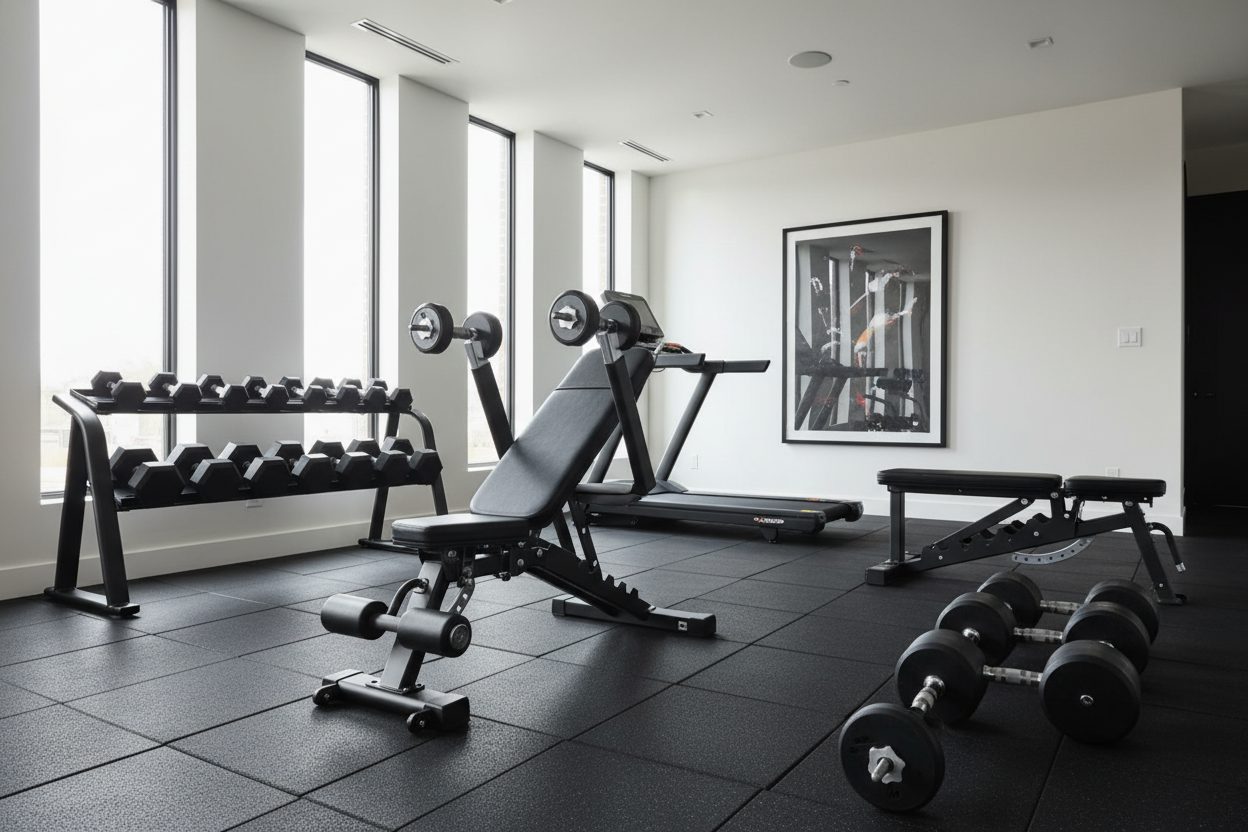
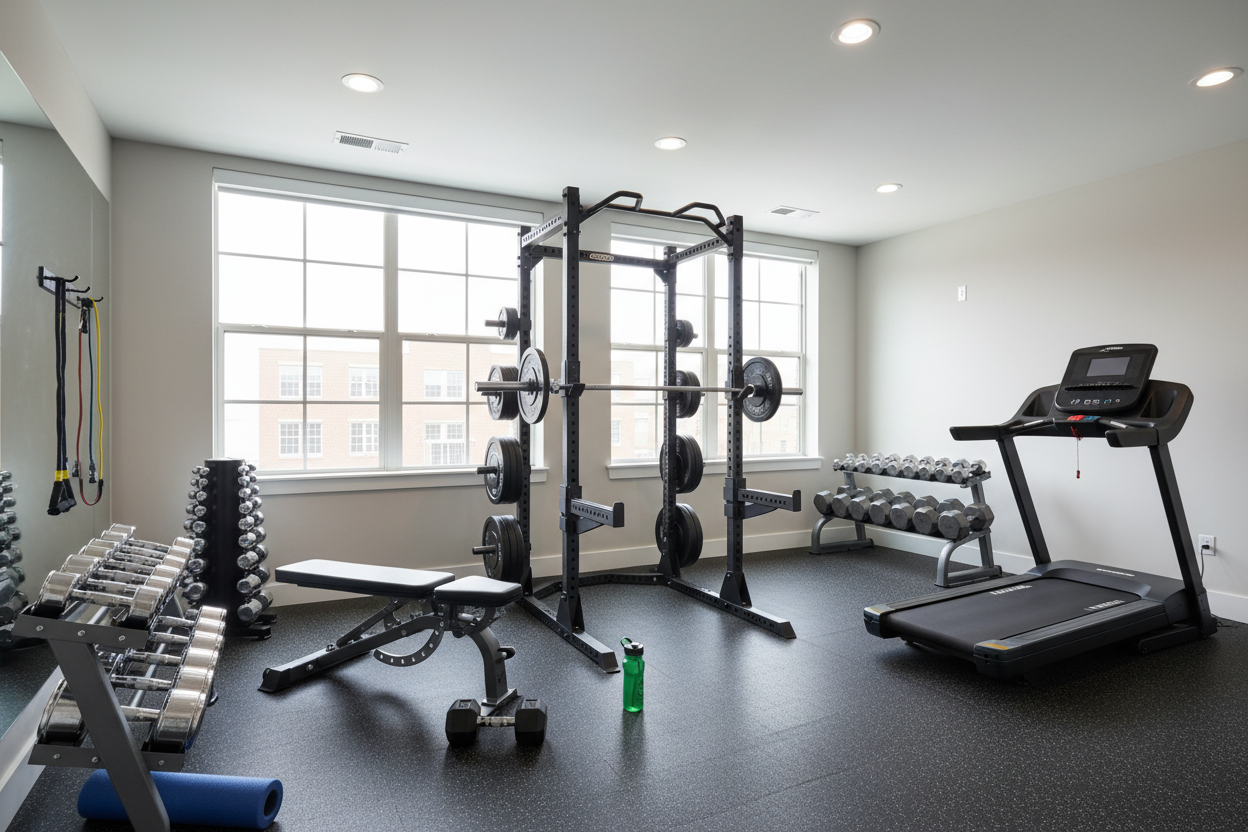
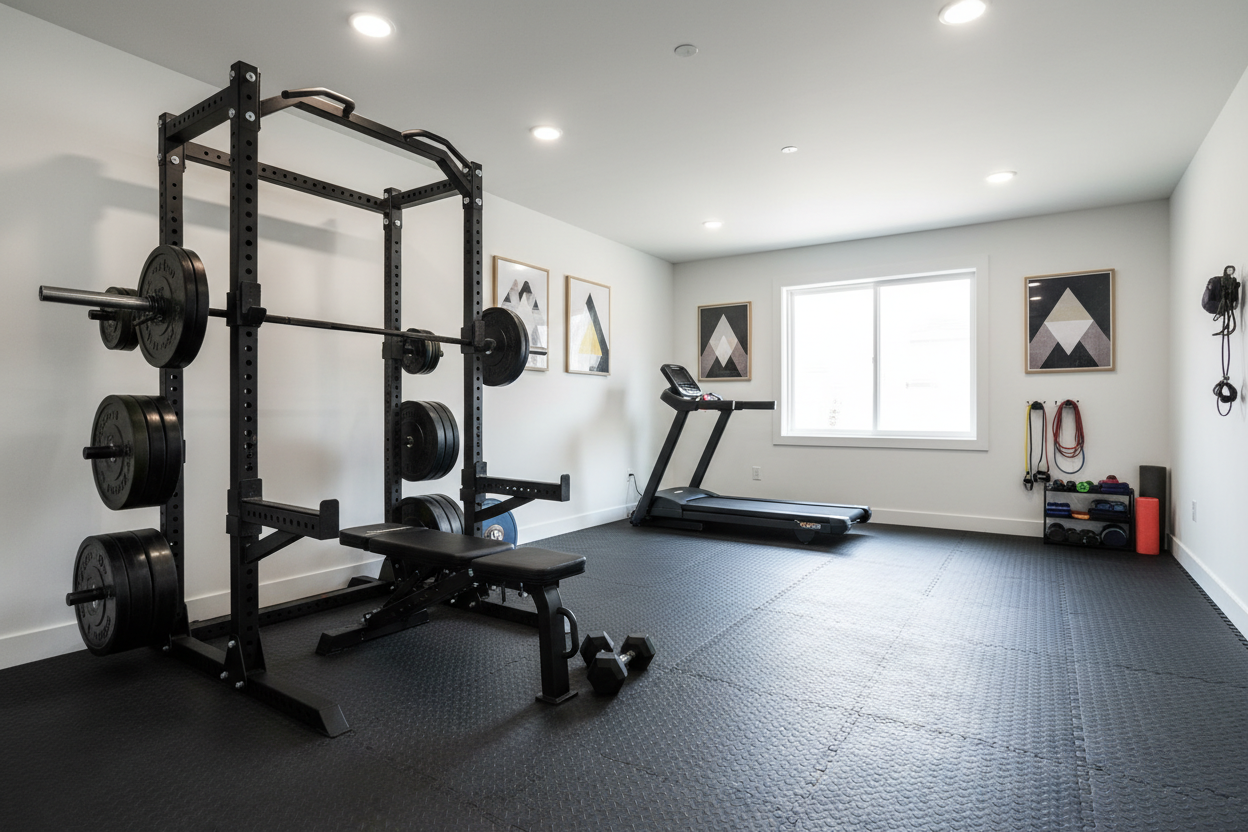
You do not need a 2,000-square-foot commercial space to get strong. I started with a 4x6 foot rubber mat and a single pair of adjustable dumbbells in a cramped corner of my basement. The key is having a few foundational pieces that allow you to mimic the movements in the videos safely. You can't do a proper bench press or seated shoulder press on a wobbly folding chair.
I always recommend starting with a sturdy adjustable weight bench. Look for something with at least a 600-lb weight capacity so you don't outgrow it in six months. Once you have a solid surface and some resistance, you can follow almost any youtube beginner weight training program. As you progress, you can choose the best strength equipment like a power rack or a dedicated barbell set to keep the gains coming.
My No-Nonsense Blueprint for Week One
When you finally pick a youtube weightlifting for beginners tutorial, stop trying to keep pace with the person on the screen. They are likely using lighter weights than they are capable of just to stay 'camera ready' for 20 minutes. Your goal is mechanical perfection. I tell every new lifter to record themselves on their phone. Compare your footage to the instructor's side-by-side. If your back is rounding, drop the weight.
Keep some basic strength training accessories nearby, like a foam roller or some light resistance bands. Use these to get your joints moving before you touch the weights. During week one, your only job is to learn the pattern. Don't worry about how much weight is on the bar. If you nail the form now, the heavy weights will come naturally by month three. If you ego-lift now, you'll be seeing a physical therapist by month two.
FAQ
Do I need a barbell to start?
No. Dumbbells are actually better for beginners because they force each side of your body to work independently, which fixes muscle imbalances early on.
How many days a week should I lift?
Three days is the sweet spot. Your muscles don't grow while you are lifting; they grow while you are sleeping and recovering on your off days.
What if I don't feel a 'burn'?
Strength training isn't always about the burn. If the weight felt heavy and your form stayed solid, you did your job. Soreness is not a requirement for progress.