The Only Weightlifting Belt Black Friday Deals Worth Buying
I still remember the sound of my first cheap belt failing. It wasn't a dramatic snap; it was the pathetic 'skritch' of Velcro giving up the ghost right as I hit the hole on a 315-pound squat. One second I had a solid wall to brace against, the next I was folding like a lawn chair. That is why I get aggressive when I see people hunting for a weightlifting belt black friday bargain without knowing what to look for.
The holiday sales are a dumping ground for 'fitness lifestyle' brands to offload foam-filled garbage that belongs in a yoga bag, not a power rack. If you want to actually move heavy weight, you need a belt that fights back. You need something that feels like a vice around your midsection, not a padded hug.
Quick Takeaways
- Avoid anything made of nylon or 'genuine leather' (which is just leather scraps glued together).
- Stick to a 10mm thickness for a balance of comfort and support; 13mm is for dedicated powerlifting.
- A 4-inch width all the way around is the gold standard for core intra-abdominal pressure.
- Measure your belly at the navel while braced—your jeans size will lead to a return shipment.
Why Most Discount Belts Will Snap Under a Heavy Squat
Most of the belts you see discounted on Amazon this November are essentially fancy back braces for warehouse workers. They are made of cheap foam, thin nylon, or 'bonded' leather. When you're squatting or deadlifting, you aren't wearing a belt to 'support your back' in a passive way. You are using it as a rigid wall to shove your abs against. This creates intra-abdominal pressure that stabilizes your spine from the inside out.
If the belt has any 'give' or stretch, that pressure bleeds out. A flimsy belt is actually more dangerous than no belt at all because it gives you a false sense of security. You'll go for a heavy triple, expect the belt to hold, and when it stretches or the buckle slips, your core collapses. Real lifting belts are made from multiple layers of sole leather, often vegetable-tanned, and stitched with heavy-duty nylon thread that won't fray after a year of sweat. If the price looks too good to be true, you're likely buying a belt that will delaminate within six months.
Thickness and Width: The Only Specs That Actually Matter
When you're scanning the spec sheets, ignore the 'comfort padding' marketing talk. You want two numbers: 10mm or 13mm thickness, and a 4-inch width. A 10mm belt is the sweet spot for 90% of lifters. It’s stiff enough to support a 600-pound deadlift but supple enough that it won't leave your ribs bruised for a week. A 13mm belt is a literal wall of leather. It’s overkill for most, but if you’re chasing national records, that extra 3mm of stiffness is a godsend.
Then there’s the width. You’ll see 'tapered' belts that are 4 inches in the back and 2 inches in the front. These are useless. Your spine doesn't need the support; your abdominal wall does. You need that full 4-inch width in the front so your abs have a massive surface area to press against. A tapered belt might be more comfortable when you're sitting down between sets, but it does almost nothing to help you stay upright under a heavy load. Don't let a flash sale trick you into buying a 'contour' belt that trades performance for a slightly easier time tying your shoes.
Prong vs. Lever: Don't Let a Flash Sale Decide for You
The biggest debate in the gym is usually prong versus lever. Lever belts are incredibly popular during Black Friday because they look cool and they're satisfying to 'snap' shut before a big lift. They allow you to get the belt tighter than a prong ever could. However, levers have a massive downside: they are a pain to adjust. If you're wearing a hoodie one day and a t-shirt the next, or if you're a bit bloated after a heavy carb meal, you'll need a screwdriver to move that lever plate.
A single-prong belt is the old-school reliability king. It’s easy to adjust on the fly, it’s virtually indestructible, and there are no mechanical parts to break. Avoid double-prong belts—they are a nightmare to get off when you’re gassed after a heavy set, and the second prong adds zero extra strength. If you see a high-end lever belt on sale, grab it only if you’re at a stable body weight. Otherwise, the single-prong is the smarter long-term investment for your garage gym.
How to Measure Your Core (Because Your Pants Size Is a Lie)
This is the mistake that ruins holiday shopping. Do not order a medium just because you wear size 32 Levi's. Your waist where your pants sit is much lower and usually smaller than where a lifting belt sits. To get this right, take a flexible measuring tape and wrap it around your torso right at the navel. Do this while you are 'braced'—meaning, take a breath and tighten your abs as if someone is about to punch you.
Most belts have about 5-7 holes. You want your measurement to land right in the middle of the size range. This gives you room to tighten it up for heavy singles or loosen it if you’re doing high-rep hypertrophy work. If you're on the edge of a size, I usually recommend sizing up if it’s a 10mm leather belt, as they take some time to break in and can feel restrictive at first. Buying based on your 'vanity' pants size is the fastest way to end up with a belt that won't even reach the first notch.
Other Gym Upgrades Worth Snagging This November
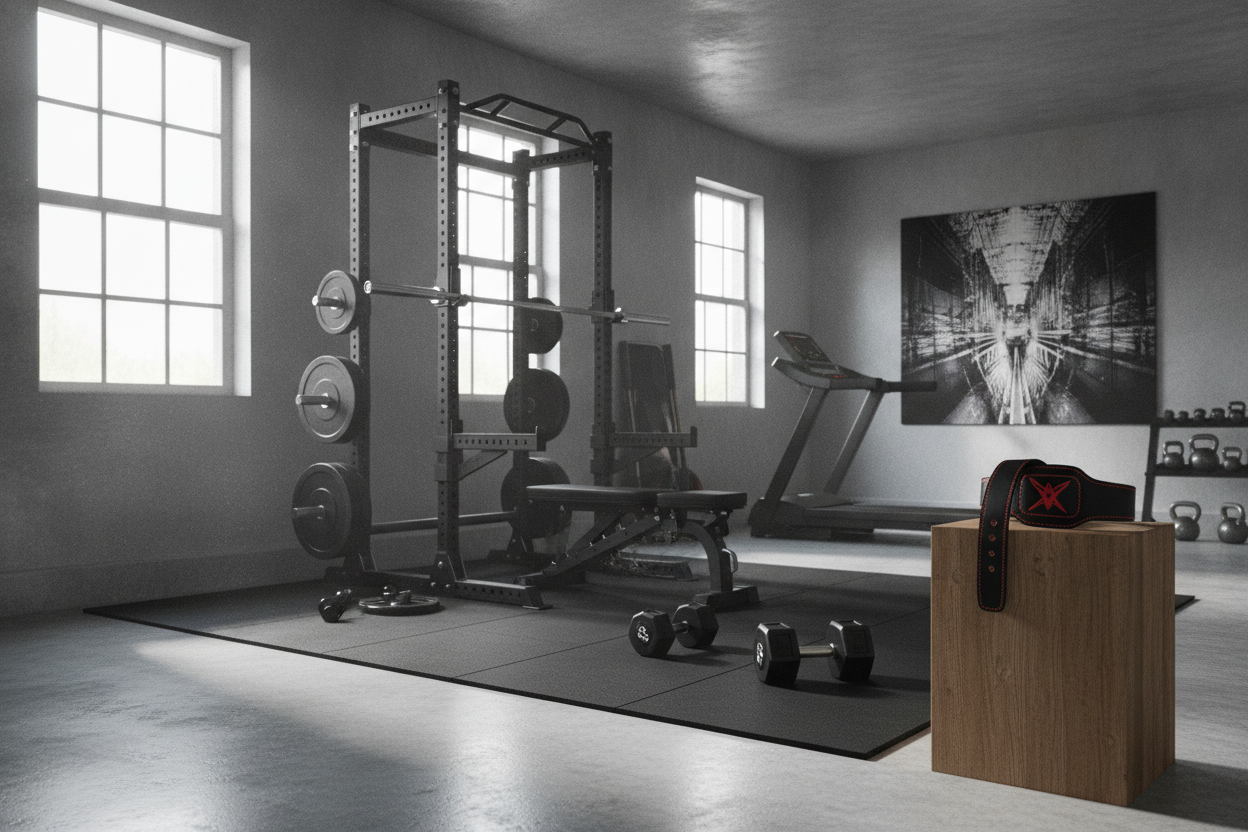
Once you've secured a belt that won't fail you, it’s time to look at the rest of your setup. A heavy-duty belt allows you to move more weight, which means you're going to be putting more stress on your floor. If you're still lifting on bare concrete or thin puzzle mats, you're asking for a cracked foundation. While you're hunting for the best Black Friday deals from Gxmmat, keep an eye out for large-scale flooring that can actually handle a dropped deadlift.
The end of the year is the best time to stop piecing your gym together with leftovers and actually build a cohesive training space. Whether you're looking for a new rack or just better floor protection, checking the Black Friday Cyber Monday deals for 2025 will save you hundreds compared to buying in the spring. Get the big stuff—the belts, the mats, the plates—now, so you can spend January actually training instead of waiting for shipping notifications.
Personal Experience: The 'Genuine Leather' Trap
Early in my lifting career, I bought a $30 belt because it was 'Genuine Leather.' I thought I was being savvy. Three months in, the belt started to flop. It turned out the 'leather' was actually a thin veneer over a core of cardboard and compressed foam. It was basically a glorified belt for a pair of khakis. I eventually upgraded to a 10mm single-prong treated leather belt, and I’ve been using that same belt for eight years. It has outlasted three pairs of shoes and two gym memberships. Buy once, cry once.
FAQ
Is a 13mm belt too stiff for a beginner?
Probably. It’s like trying to learn to drive in a Formula 1 car. A 10mm belt offers plenty of support and is much more forgiving as you learn how to properly breathe and brace. Save the 13mm for when you're moving 500+ pounds.
Can I use a powerlifting belt for CrossFit?
You can, but you'll hate it. Leather belts are stiff and bulky, making them terrible for high-rep cleans or burpees. For CrossFit, a high-quality nylon belt with a quick-release buckle is actually the better choice for mobility.
How do I break in a stiff leather belt?
Roll it up tight in both directions, work it with your hands while watching TV, and most importantly—wear it. There are no shortcuts. It’s going to be uncomfortable for the first few sessions, but eventually, it will mold to your torso shape.