The Brutal Truth About My At Home Strength Workout No Equipment
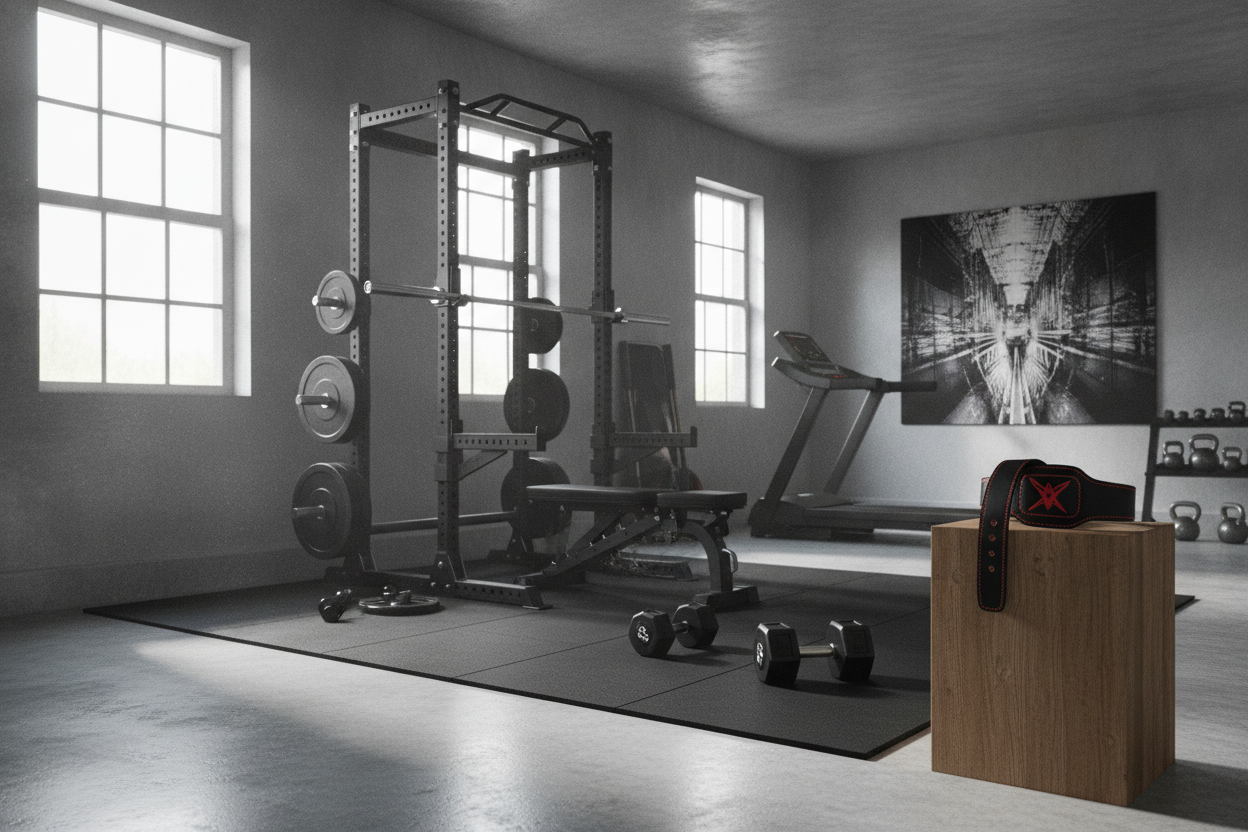
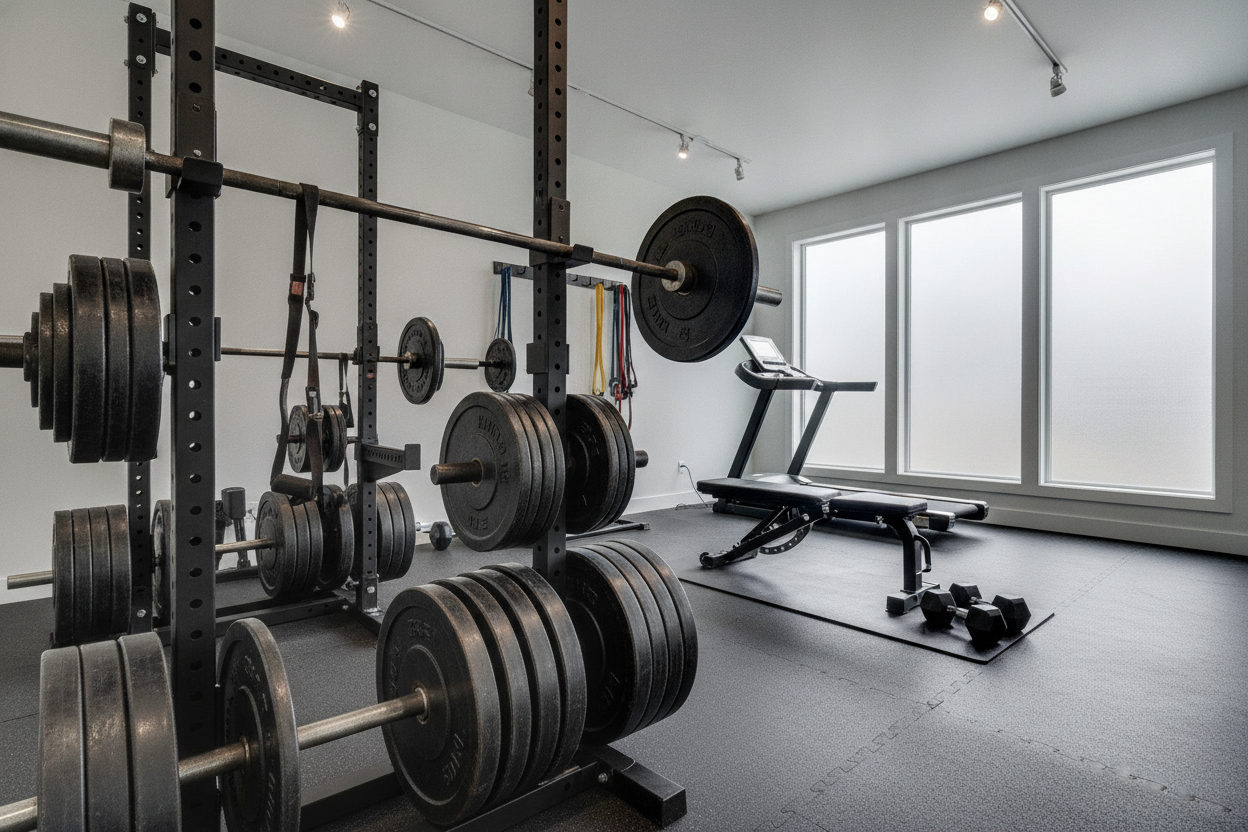
I spent five years building a garage gym that would make a D1 strength coach jealous. My Gxmmat X6 Power Rack Weight Bench Package was the center of my universe—a 14-gauge steel temple where I measured my self-worth in 45-pound increments. I thought that because I could move four plates on a barbell, I was objectively strong. Then, a three-week work trip forced me into a at home strength workout no equipment routine in a cramped hotel room with nothing but a thin carpet and my own ego. I tried a pistol squat and fell over like a drunk toddler on the first rep. It was the ultimate ego-check.
Quick Takeaways
- Bodyweight training is about leverage and tension, not just high reps.
- Unilateral movements (single-limb) expose the imbalances a barbell hides.
- Rest periods of 2-3 minutes are still required for true strength gains.
- Tempo is your primary tool for progressive overload when you can't add plates.
The Day I Realized My Barbell Strength Was Incomplete
Stepping away from my beloved iron sanctuary was a rude awakening. I had spent so much time locked into the fixed planes of a power rack that I had completely neglected my stabilizers. Weight training without a gym felt like a joke to me at first. I assumed that without a heavy load on my back, my muscles would simply atrophy. I was wrong. The first time I attempted a series of slow, controlled archer push-ups, my chest felt like it was being interrogated by a blowtorch. I realized that my 300-pound bench press hadn't prepared me for the demand of stabilizing my entire body weight through a single arm.
This is the reality of how to lift at home without weights: you aren't just moving a load; you are the load. When you’re used to the knurling of a high-quality bar, the floor feels unforgivingly flat. But that flat surface is a mirror. It shows you exactly where your mobility sucks and where your core is leaking power. I found out that my left glute was basically on vacation during my heavy squats, a deficit I only noticed once I removed the bilateral support of the barbell.
Stop Doing 50 Push-Ups and Calling It Strength
The biggest mistake people make with no equipment resistance training is treating it like a cardio session. If your goal is to get stronger, doing 50 mediocre push-ups is a waste of time. That's how you build muscular endurance exercises without equipment, but it’s not how you build raw force production. To understand how to lift heavy without weights, you have to manipulate the physics of the movement. You need to make the exercise so difficult that you can only manage 5 to 8 clean reps.
Think about it this way: a standard push-up only loads about 60-70% of your body weight. If you weigh 200 pounds, you're 'benching' 120. To 'lift heavy' at home, you have to shift that weight. By elevating your feet or moving into a handstand push-up progression, you increase the percentage of your body weight being moved by the target muscles. Can you weight train without weights? Absolutely, but you have to stop chasing the 'burn' and start chasing mechanical disadvantage. If it feels easy, you aren't doing a strength workout; you're doing a warm-up.
The 'Heavy Sandbag' Method for Bodyweight Lifting
The secret to a legitimate strength training workout no equipment style is a mental reframe. I call it the 'Heavy Sandbag' method. You have to treat your own limbs as if they are awkward, unbalanced loads. When you're under a bar, the weight is centered and predictable. When you're doing a single-leg RDL with no weight, your body has to fight for every inch of stability. This is the core of a At Home Weight Lifting Program Scaling Past Equipment Limits.
You create 'weight' through tension. I started practicing 'irradiation'—the technique of squeezing every muscle in my body, even the ones not primary to the lift. If I’m doing a pull-up on a door frame (not recommended for your molding, but effective), I’m squeezing my glutes and bracing my abs like I’m about to take a punch. This total-body tension is how to lift weights at home without weights. It turns a simple movement into a high-intensity strength feat. Is working out without weights effective? It is if you stop treating your body like a feather and start treating it like a 200-pound slab of granite.
Mastering the Unilateral Ego-Check
If you want to find out how strong you really are, go to a 6x8 ft corner of your living room and try a shrimp squat. These unilateral movements are the best strength exercises without equipment because they eliminate the ability to compensate with your stronger side. In my gym, I could ignore the fact that my right quad did 60% of the work. On the floor, that imbalance results in a face-plant.
I started focusing on three main pillars: the pistol squat for lower body, the archer push-up for push, and the door-frame row (or towel row) for pull. These aren't just exercises; they are skills. They require a level of neurological drive that standard weightlifting often bypasses. By the time I could do five clean pistols per leg, my balance and 'functional' strength had surpassed anything I’d achieved with a leg press machine. It was a humbling realization that I had been 'gym strong' but 'body weak.'
Structuring Your Routine for Actual Growth
Stop doing circuits. If you want to see actual growth with weight lifting at home without weights, you need to structure your session like a powerlifting meet. Pick 4-5 high-tension movements. Perform 3-5 sets of each. The most important part? Rest for at least 2 minutes between sets. Most bodyweight programs turn into HIIT because people get bored. But if you're truly pushing your limit on a handstand push-up, your central nervous system needs that recovery time to produce maximum force on the next set.
A typical day for me looks like this: A1) Handstand Push-up progression (5 reps), A2) Pistol Squat (5 reps per leg), rest 2 minutes. Repeat for 5 sets. B1) Archer Pull-ups (if you have a bar) or Towel Rows (8 reps), B2) Nordic Curl Negatives (5 reps), rest 2 minutes. This isn't about sweating; it's about performing. If you can do more than 10 reps, the movement is too easy. Move to a harder variation or slow down the eccentric phase to a 5-second count.
When You Finally Need to Add Iron Back
Eventually, you will hit a ceiling. There are only so many ways to make a one-arm push-up harder before you've maxed out the mechanical disadvantage. I realized I had reached this point when my progress stalled despite perfect form and agonizingly slow tempos. That’s when I knew it was time to look at The Bare Minimum Weight Lifting at Home Equipment You Need. You don't need a massive commercial setup to keep the gains coming.
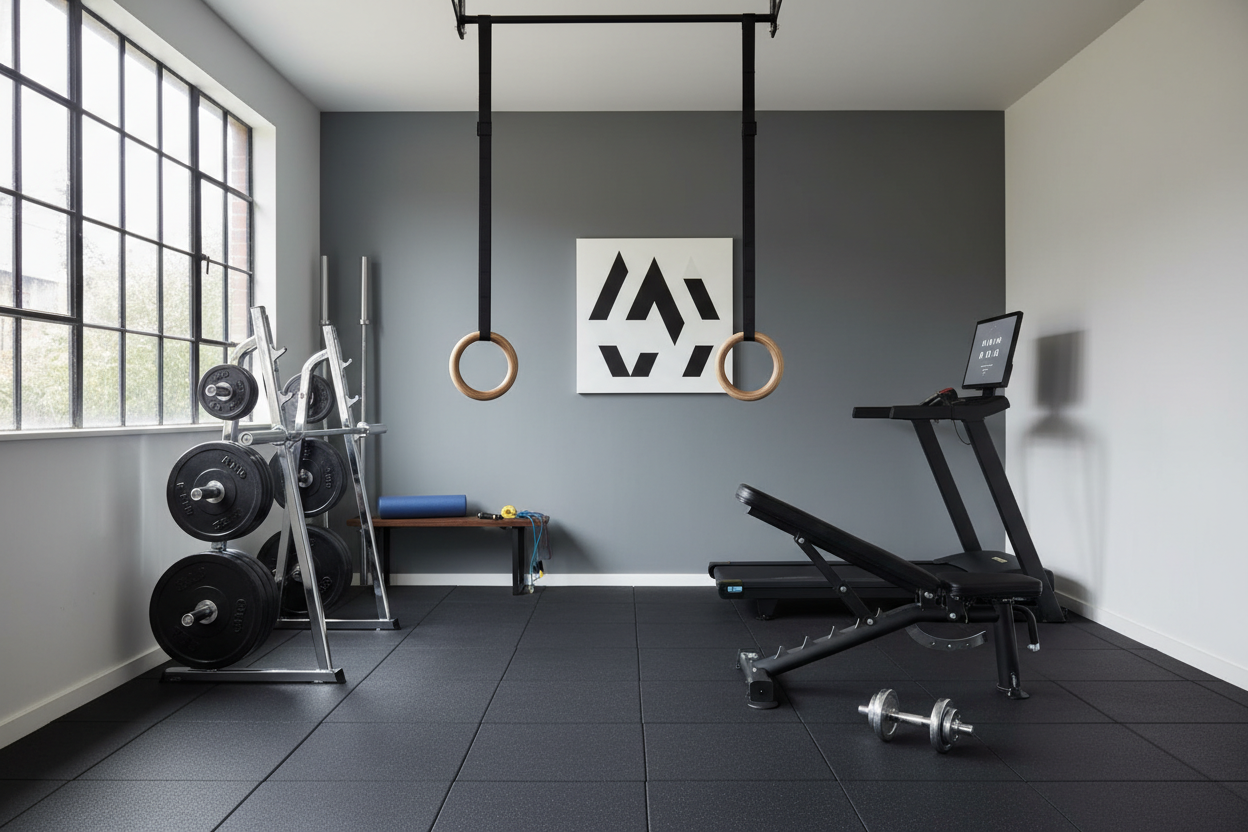
Transitioning back to external loads doesn't mean you need a room full of Weight Lifting Machines. In fact, after months of bodyweight training, those machines felt restrictive and boring. I opted for a single heavy kettlebell and a pair of gymnastic rings. These tools allowed me to keep the 'unstable' benefits of bodyweight training while adding the raw load necessary to keep my central nervous system challenged. Training without gym equipment taught me that strength is a skill of the nervous system, not just a measurement of the plates on a bar.
FAQ
Can you actually build muscle without weights?
Yes, but you have to reach near-failure. Muscle fibers don't know if you're holding a dumbbell or just doing a very difficult push-up; they only know tension. If the tension is high enough, they will grow.
How do I make bodyweight exercises harder?
Change the leverage. Lean further forward in your push-ups, elevate your feet, or use a '1.5 rep' style where you go all the way down, halfway up, back down, and then all the way up.
Is bodyweight training better for your joints?
It can be, as it often forces you into more natural ranges of motion. However, high-intensity movements like handstand push-ups still put significant stress on the shoulders and wrists, so form is everything.