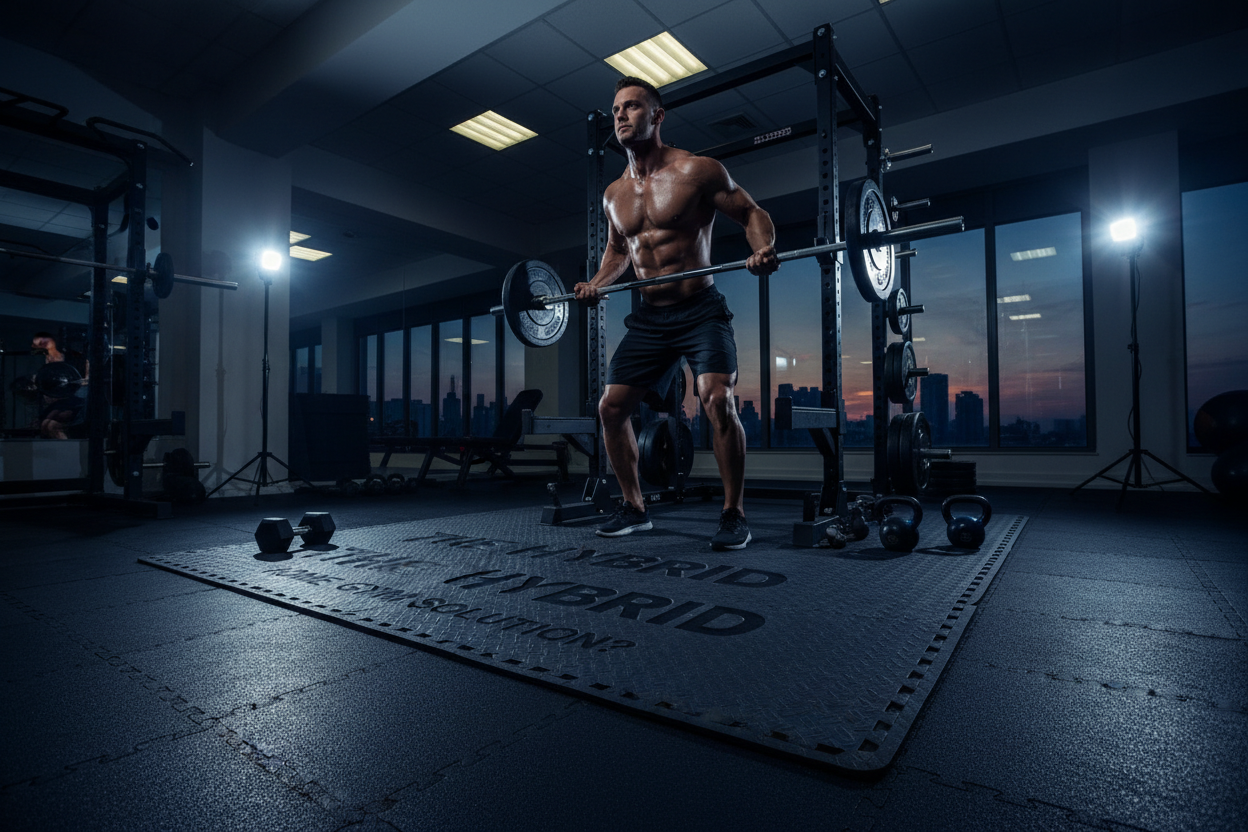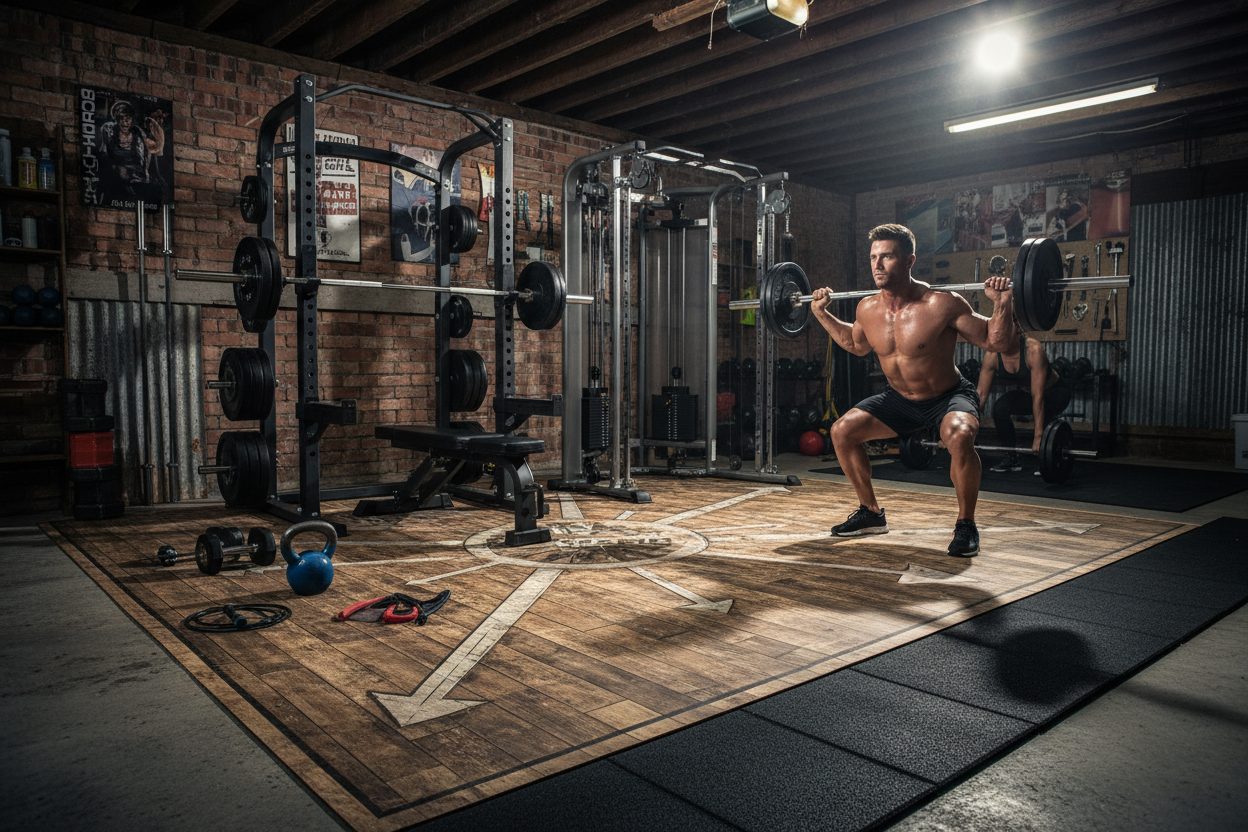
The Only Roadmap You Need for the Best Equipment for At Home Gym
You don't need a warehouse-sized space or a commercial budget to build a physique that turns heads. The problem most people face isn't a lack of options; it's analysis paralysis caused by flashy marketing. If you buy the wrong gear, your garage gym becomes nothing more than an expensive clothes drying rack.
We are going to cut through the noise. Building a sanctuary of iron requires focusing on ROI—Return on Investment for your muscles. This guide prioritizes durability, versatility, and biomechanics to help you select the best equipment for at home gym setups, regardless of your square footage.
Key Takeaways: The Essentials Checklist
If you are looking for a quick answer on what constitutes the best home gym gear, prioritize these core pieces before buying niche machines:
- The Power Rack: The centerpiece for safety and heavy lifting (squats, bench press, rack pulls).
- Adjustable Bench: Look for a gap-free design that handles both flat and incline movements.
- Olympic Barbell & Plates: A 20kg (45lb) bar with medium knurling is the gold standard.
- Adjustable Dumbbells: The best space-saver for accessory work and isolation exercises.
- Flooring: Horse stall mats or high-density rubber to protect your foundation.
The Core Four: Foundation of a Pro Setup
When searching for the best gym equipments for home use, you must start with the "Core Four." These items cover 90% of human movement patterns: push, pull, squat, and hinge.
1. The Power Rack: Your Safety Net
This is non-negotiable if you plan to train alone. The best in home gym equipment centers around a sturdy rack. Look for 3x3 inch steel uprights with 1-inch holes (Westside spacing is a bonus for benching). This allows you to fail a squat safely without destroying your floor or your spine. If space is tight, look for wall-mounted folding racks.
2. The Barbell: Your Primary Tool
Do not buy a cheap barbell. It is the one piece of equipment you touch for almost every heavy lift. The best weight equipment for home gym setups includes a bar with a tensile strength of at least 190,000 PSI. This ensures the bar has the right amount of "whip" but won't permanently bend after a year of heavy deadlifts.
3. The Adjustable Bench: Stability Matters
The best home gym products are defined by stability. A wobbly bench destroys confidence under a heavy load. You want a bench weighing at least 80lbs with a weight capacity over 1,000lbs. Avoid benches with a massive gap between the seat and back pad, as this becomes a nightmare during flat presses.
4. Adjustable Dumbbells: The Space Saver
Unless you have 50 feet of wall space for a full rack, adjustable dumbbells are the best home gym equipment for weight training. Modern selectorized dumbbells allow you to switch from 5lbs to 50lbs (or even 90lbs) in seconds. They are essential for hypertrophy work like lateral raises, curls, and lunges.
Machines vs. Free Weights: Where to Spend Money
Once the basics are covered, you can look at the best in home gym machines. However, be careful here. Cheap cable machines often have terrible drag and friction.
Functional Trainers
If you have the budget, a functional trainer (cable machine) is the best in home gym system for versatility. It allows for constant tension exercises like face pulls, tricep pushdowns, and cable flyes. Look for a 2:1 pulley ratio, which provides smoother travel for faster movements.
Cardio Pieces
The best rated gym equipment for cardio isn't always a treadmill. For home gyms, air bikes (assault bikes) and rowers offer a higher metabolic demand in a smaller footprint. They are often referred to as complete home workout equipment because they tax both the upper and lower body simultaneously.
Common Mistakes When Buying New Home Gym Equipment
Buying the best new gym equipment requires avoiding common traps. The biggest mistake is buying "all-in-one" cheap multi-gyms sold at department stores. These usually rely on low-quality resistance rods or plastic pulleys that break within months.
Another error is ignoring flooring. The best home gym set in the world is useless if you crack your concrete foundation. 3/4-inch rubber mats are mandatory for sound dampening and protecting your gear.
My Training Log: Real Talk on Home Gear
Let me drop the "expert" persona for a second and talk to you as a lifter. I’ve spent thousands on gear that looked great on Instagram but felt terrible in hand.
I remember buying a budget "best rated" adjustable bench off a massive e-commerce site a few years back. It claimed a 600lb capacity. The first time I laid back with 225lbs on the bar, the whole structure shifted laterally. It had this subtle, terrifying wobble at the joint hinge. I spent the entire set fighting to stay balanced rather than pushing the weight.
Contrast that with when I finally bit the bullet and bought a welded-frame commercial bench. The difference in the vinyl grip alone was a game changer. On the cheap bench, I'd slide up toward the rack during leg drive. On the pro bench, the textured vinyl grabbed my t-shirt, keeping my scapula retracted and locked in. That friction is a detail specs don't show you, but it adds 10lbs to your press instantly.
Also, if you buy cheap iron plates, be prepared for the smell. That oily, rubber-factory stench doesn't leave your garage for six months. Spending a little extra for urethane-coated plates or quality bumpers saves your nose and your eardrums.
Conclusion
Building the best home gym entails patience. Start with a rack, a bar, and plates. Add the best home strength training machines later as your needs evolve. Quality equipment holds its value; cheap equipment ends up in a landfill. Invest in the metal that will support your growth for decades.
Frequently Asked Questions
What is a good home gym budget to start with?
To get the best gym set for home use that is safe and durable, expect to spend between $1,500 and $2,500. This covers a quality rack, barbell, plates, and a bench. You can start cheaper, but you will likely end up replacing broken gear within two years.
How much space do I need for a complete setup?
You can fit the best gym equipment to have at home in a single car garage bay (roughly 10x10 feet). You need 7 feet of width for a barbell and enough depth for the bench. Vertical space is often the limiting factor for pull-up bars and overhead presses, so check your ceiling height.
Is a multi-gym better than free weights?
Generally, no. While a multi-gym is often marketed as the best home gym system for beginners, free weights (barbells/dumbbells) are superior for building stabilizer muscles, coordination, and raw strength. Multi-gyms lock you into fixed ranges of motion that may not fit your body type.