Memory Foam Play Mat: The Hybrid Home Gym Solution?
If you are trying to build a fitness space in a shared family room, basement, or apartment, you are likely wrestling with a common dilemma: balancing durable gym flooring with a safe, comfortable space for your kids. Enter the memory foam play mat. While traditionally designed for nurseries and tummy time, these ultra-cushioned surfaces are increasingly finding their way into hybrid home gyms.
But can a mat designed for toddlers actually support your fitness routine? In this guide, we will break down exactly where these mats shine for mobility and recovery work, where they fall short, and how to choose the right one for your multi-purpose room.
Key Takeaways
- Hybrid Functionality: Perfect for homes where the gym doubles as a family playroom or living space.
- Ideal for Floor Work: Offers superior joint support for yoga, stretching, core routines, and postpartum recovery.
- Not for Heavy Lifting: The plush nature of a memory foam playmat creates instability during squats and deadlifts.
- Maintenance Matters: Look for mats with waterproof, non-toxic TPU covers that easily wipe clean of sweat and spills.
Balancing Fitness and Family Space
Why Standard Gym Mats Fall Short
Commercial-grade rubber stall mats are the gold standard for dropping heavy barbells, but let us be honest—they are harsh, often smell like tires, and are terrible for a baby crawling around. If your workout area is also your living room, you need flooring that blends seamlessly into your home decor while offering enough cushion for floor exercises.
The Rise of the Memory Foam Playmat
This is where a high-quality memory foam playmat bridges the gap. By utilizing a dense foam core wrapped in a durable, aesthetic cover, these mats provide a shock-absorbing surface that protects little knees while offering a comfortable base for your pre-workout mobility flows or Pilates sessions.
What to Look for in a Quality Mat
Thickness and Density
Not all foam is created equal. For a hybrid fitness and family space, aim for a mat that is at least 0.5 to 1 inch thick. You want high-density memory foam that rebounds quickly. If the foam is too soft, you will sink right through to the hard floor during a plank, defeating the purpose of the mat.
Durability and Maintenance
Your mat is going to see sweat, spilled water bottles, and sticky toddler hands. Avoid fabric-covered mats. Instead, opt for a seamless polyurethane (PU) or thermoplastic polyurethane (TPU) outer layer. These materials are highly durable, water-resistant, and can be sanitized with a simple wipe-down after a sweaty core workout.
Training Applications: What Works?
Ideal for Mobility and Core Work
A memory foam play mat is exceptional for bodyweight exercises where joint pressure is a concern. Kneeling stretches, bird-dogs, planks, and yoga flows feel significantly better on a plush surface compared to a rigid rubber floor. It is essentially an oversized, premium yoga mat.
The Heavy Lifting Caveat
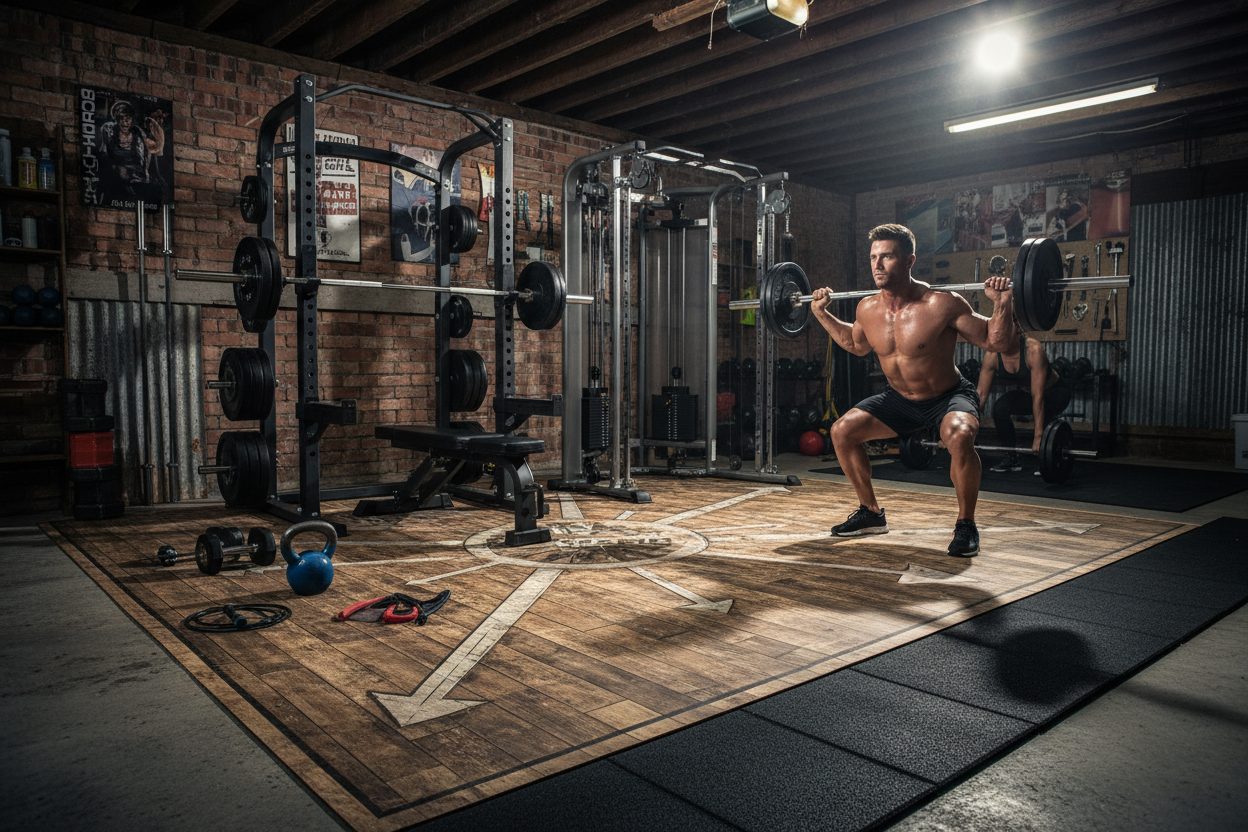
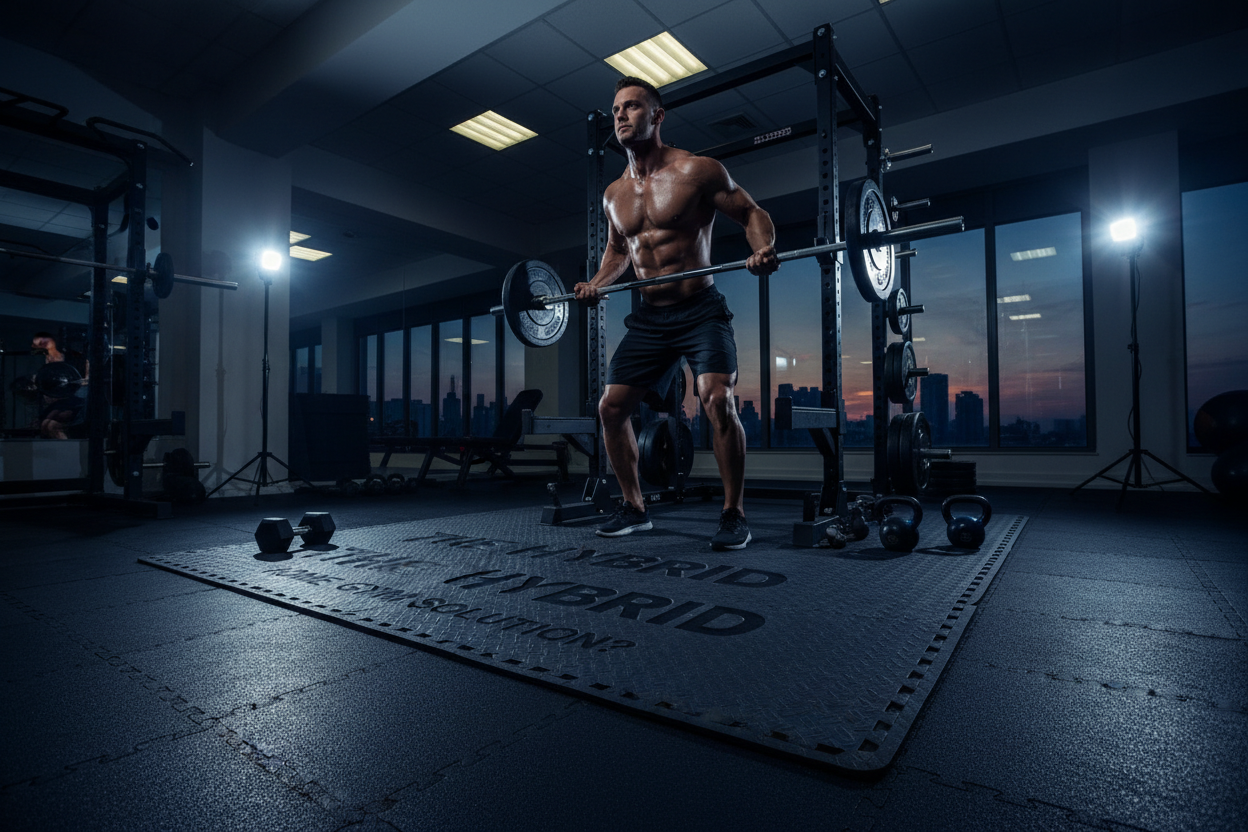
Do not attempt heavy, standing barbell or dumbbell movements on memory foam. The compression of the foam creates an unstable surface, which can lead to ankle rolls or compromised lifting mechanics. If you plan to lift heavy in the same room, keep your power rack on solid rubber flooring and reserve the foam mat for your warm-up and cool-down zones.
From Our Gym: Honest Take
When my first child was born, my basement gym suddenly had to share square footage with a playpen. I originally laid down a premium 1-inch thick memory foam play mat just for the baby. However, within a week, I found myself migrating over to it for all my post-workout stretching. The joint relief on my knees during hip flexor stretches was night and day compared to my 3/4-inch vulcanized rubber mats.
That said, I learned the hard way that it cannot handle equipment. I rested a 53-pound kettlebell on the mat overnight, and it left a permanent indentation in the foam. It is a fantastic addition to a home gym for bodyweight and mobility work, but you must treat it with care and keep heavy iron far away.
Frequently Asked Questions
Is a memory foam play mat safe for workouts?
Yes, for low-impact, floor-based exercises like yoga, Pilates, and stretching. It provides excellent joint protection. However, it is unsafe for heavy weightlifting or high-impact plyometrics due to the unstable, squishy surface.
How do you clean sweat off a memory foam playmat?
If your mat has a waterproof PU or TPU cover, simply spray it with a mild soap and water solution or a gentle, non-toxic gym wipe. Avoid harsh chemical cleaners like bleach, which can degrade the outer material over time.
Can I put cardio equipment on top of a foam play mat?
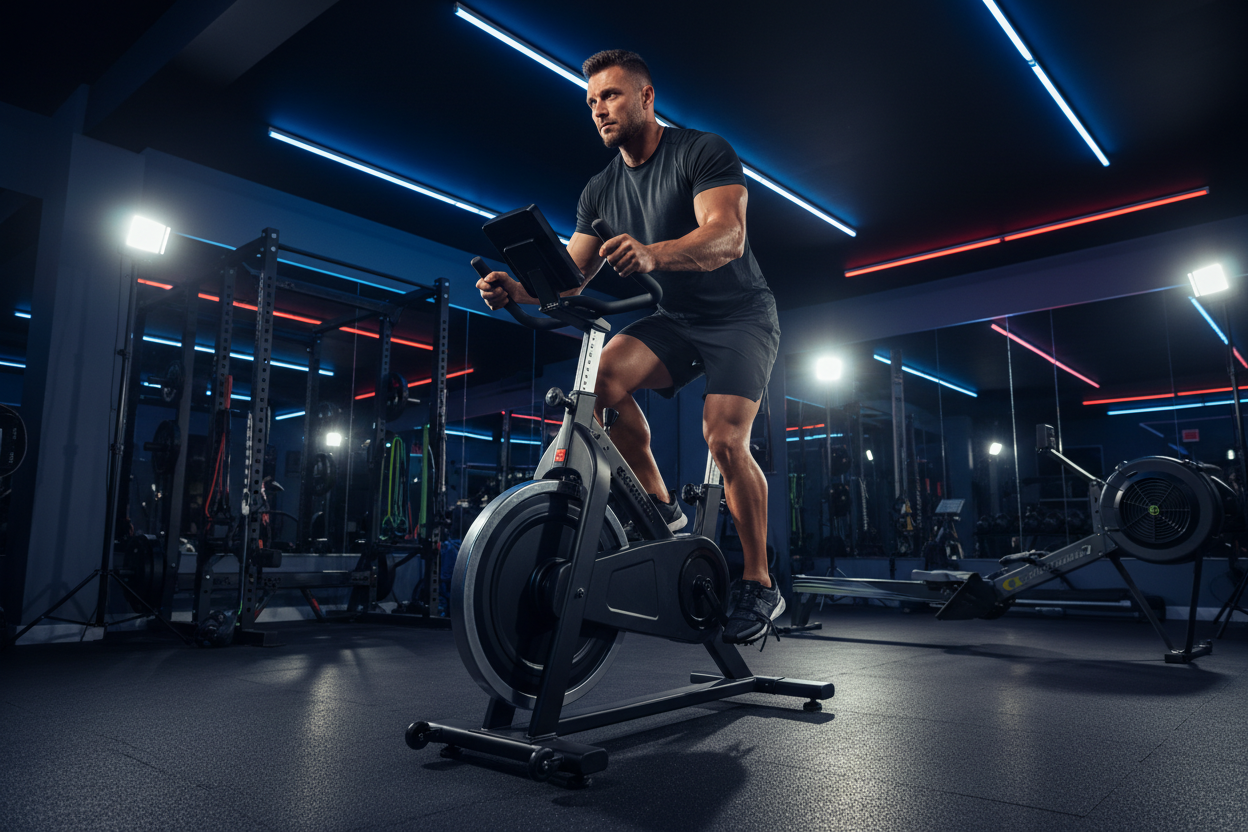
No. Heavy cardio machines like treadmills or stationary bikes will permanently compress and ruin the memory foam. They can also wobble dangerously on the soft surface. Always place heavy equipment on hard, specialized equipment mats.