The Only Hip Thrust Variations Actually Worth Doing at Home
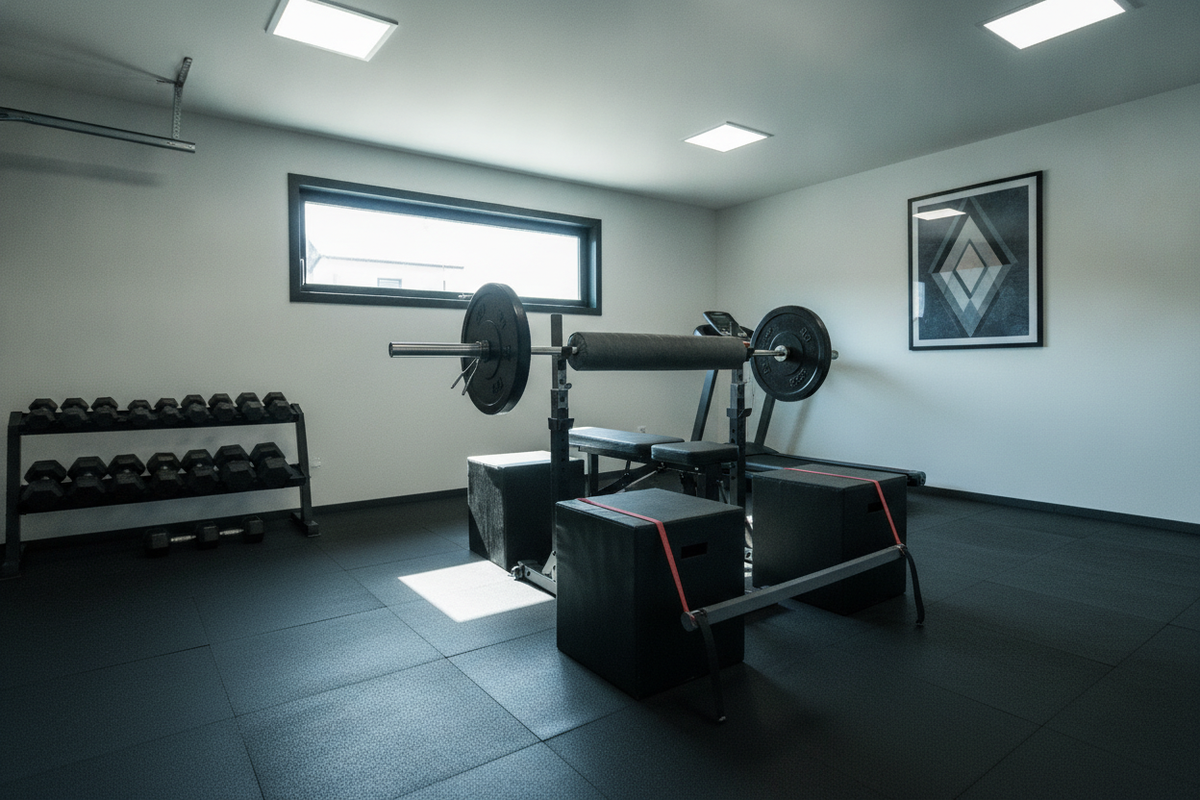
I remember the morning I hit a 405-pound PR on the thrust. My glutes were screaming, but my hip bones looked like I’d been in a minor car accident. In my small garage gym, chasing maximum poundage on hip thrust variations eventually hit a wall of diminishing returns. Loading six plates in a cramped space while trying not to clip the lawnmower is a logistical nightmare.
- B-Stance variations offer the best bang-for-your-buck for glute isolation.
- Stability is non-negotiable; if your bench or feet are sliding, you aren't growing.
- Pause reps and tempo work beat heavy, ego-driven loading every single time.
- Stop doing 'circus' variations on unstable surfaces like medicine balls.
Why I Stopped Doing the Standard Barbell Thrust Every Week
Standard barbell thrusts are great until they aren't. In a home gym setting, you eventually run into the 'bruise ceiling.' Even with a thick pad, 300+ pounds resting directly on your pelvis four times a month takes a toll on your recovery and your skin. I found that my central nervous system was fried from the sheer load, but my glutes weren't actually getting more stimulated.
Constantly chasing a heavier bar often leads to compensations. You start using your lower back or shifting the weight to your quads just to move the iron. By rotating through different ways to do hip thrusts, I managed to keep the stimulus high while keeping the absolute load lower. It saved my joints and actually sparked fresh growth because I was hitting the muscle from angles the standard bilateral thrust misses.
The 4 Hip Thrust Variations for Glutes That Actually Work
If you want real hypertrophy without the barbell headache, focus on these four moves. First, the B-Stance (Staggered) Thrust. Place one foot slightly ahead of the other, using the front foot only for balance. This shifts about 80% of the load to the working glute, giving you a unilateral effect without the balance struggle of a true single-leg rep.
Second, the Dumbbell Pause Rep. Take a heavy dumbbell, sit it in the crook of your hips, and hold the top of the movement for a full three seconds. The constant tension is brutal. For this to work, you need a rock-solid base. I use the Gxmmat Hip Thrust Bench because it doesn't wobble or slide when you're driving your upper back into it. A sliding bench is the fastest way to lose tension in the glutes.
Third is the Band-Resisted Burnout. Use a heavy-duty glute band just above your knees during a bodyweight or light dumbbell thrust. This forces hip abduction simultaneously with extension, hitting the glute medius and minimus. Finally, the Deficit Thrust. Elevate your feet on a small step or a couple of bumper plates. This increases the range of motion at the bottom, putting the glutes under a massive stretch—a known driver of muscle growth.
The 'Instagram Hacks' You Should Completely Ignore
I see it every day on my feed: people doing hip thrusts while balancing their feet on a BOSU ball or a foam roller. It looks 'functional,' but it's garbage for hypertrophy. To grow a muscle, you need to apply maximal force. You cannot apply maximal force if your nervous system is panicked about you falling over. Stability is the prerequisite for intensity.
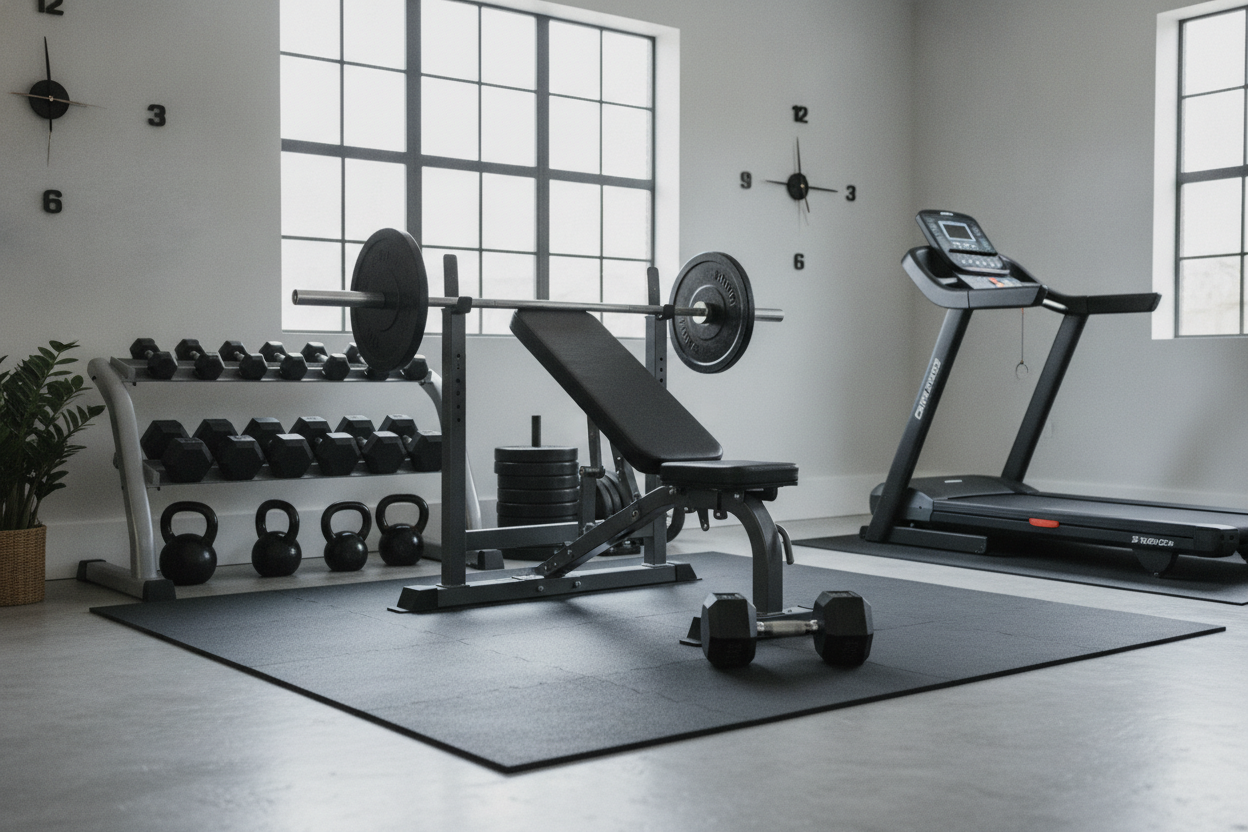
If you're training on a slick concrete garage floor, you're already fighting a losing battle. I always make sure I'm working on a large exercise mat for home gym use to ensure my feet are locked in. If your feet slide forward even an inch during the set, the tension shifts immediately to your hamstrings. Stop the circus acts and get your feet on a grippy, stable surface.
How to Program These Swaps Without Ruining Your Routine
Don't scrap your heavy days entirely, but start thinking in blocks. I typically run a 4-week cycle. Weeks 1 and 2 focus on the heavy B-stance work to build that raw unilateral strength. Weeks 3 and 4 shift toward the deficit and band-resisted types of hip thrust to focus on metabolic stress and the 'pump.'
When you're figuring out exactly how many hip thrusts you should do, remember that these variations for glutes usually require higher rep ranges. While a barbell set might be in the 5-8 range, these modifications shine in the 12-15 rep territory. Focus on the squeeze at the top, not just moving the weight from point A to point B.
My Honest Mistake: The 'Too Much Too Soon' Deficit
A word of warning: when I first tried deficit thrusts, I elevated my feet about six inches. My glutes were so stretched at the bottom that I actually strained my hip flexor trying to kickstart the rep. Start with a 2-inch elevation. More isn't always better; the right range of motion is the one you can actually control without your lower back taking over.
FAQ
Can I do these with a kettlebell instead of a dumbbell?
You can, but the weight distribution is awkward. Kettlebells tend to dig into the thighs more than a flat-sided dumbbell. If it's all you have, wrap a towel around the handle first.
Why do I feel these more in my hamstrings?
Your feet are likely too far away from your body. Pull your heels closer to your glutes. Your shins should be vertical at the top of the movement.
How often should I rotate these variations?
Swap your main variation every 4-6 weeks. This is long enough to see strength gains but short enough to avoid the repetitive strain that comes from doing the exact same movement pattern forever.