The Only Guide to Strength Training That Won't Make Your Brain Hurt
I remember sitting in my garage three years ago, staring at a 12-week periodization spreadsheet that looked more like a tax return than a workout. I had four different tabs for RPE, percentage-based loading, and accessory movements I couldn't even pronounce. I spent forty minutes 'preparing' and ten minutes actually lifting. It was a joke.
Most people quit before they see a single vein pop because the fitness industry treats a guide to strength training like it is rocket science. It isn't. It is just picking up heavy stuff, putting it down, and doing it again next Tuesday. This is the no-BS approach to getting strong without the mental breakdown.
Quick Takeaways
- Master the 'Big Four' movements before touching a cable machine.
- Progressive overload is just adding five pounds or one rep every session.
- A stable bench and a barbell are 90% of a home gym.
- Track your lifts, not your body weight, to see real progress.
Why You Don't Need a 12-Week Spreadsheet to Start
The fitness industry thrives on 'analysis paralysis.' If they can convince you that you need a complex algorithm to build a bicep, they can sell you a subscription. But a beginner guide to strength training should be simple enough to write on a grease-stained napkin. You don't need a spreadsheet; you need a logbook and some grit.
When you are starting out, your nervous system is 'learning' how to lift. You will get stronger just by showing up. Don't worry about 'peaking' for a meet you aren't entering. Just focus on the mechanics of the movement and the consistency of your schedule. If you can't commit to three days a week for a month, no amount of fancy programming will save you.
How to Lift for Beginners: The Only 4 Rules That Matter
Forget the 'muscle confusion' myths. Your muscles aren't confused; they are just waiting for a reason to grow. To give them that reason, you only need to follow four non-negotiable rules: show up, create tension, recover like it is your job, and eat enough protein to actually build something.
Rule 1: Stick to the 'Big Four' Movements
If you spend your first year doing nothing but squats, deadlifts (hinges), overhead presses (pushes), and rows (pulls), you will be stronger than 90% of the people at your local commercial gym. Isolation exercises like calf raises or wrist curls are a waste of your limited energy right now. Focus on movements that use multiple joints and move the most weight. That is where the growth is.
Rule 2: Adding Weight Should Be Dead Simple
You don't need a calculator to figure out your next set. If you did 3 sets of 8 reps at 100 lbs last week, try for 3 sets of 9 this week. Or stay at 8 reps and move to 105 lbs. This is called progressive overload. If you are struggling with where to even begin with the numbers on the plates, check out this guide on How to Find the Right Weights for Strength Training Without Guessing.
A Beginner Guide to Weight Training: Free Weights vs. The Rest
I am a barbell purist. A barbell forces you to balance the weight, which recruits all those tiny stabilizer muscles that machines ignore. However, I know not everyone has the floor space for a 7-foot Olympic bar. Dumbbells are a fantastic second choice, especially for fixing that weird strength imbalance where your right arm does all the work.
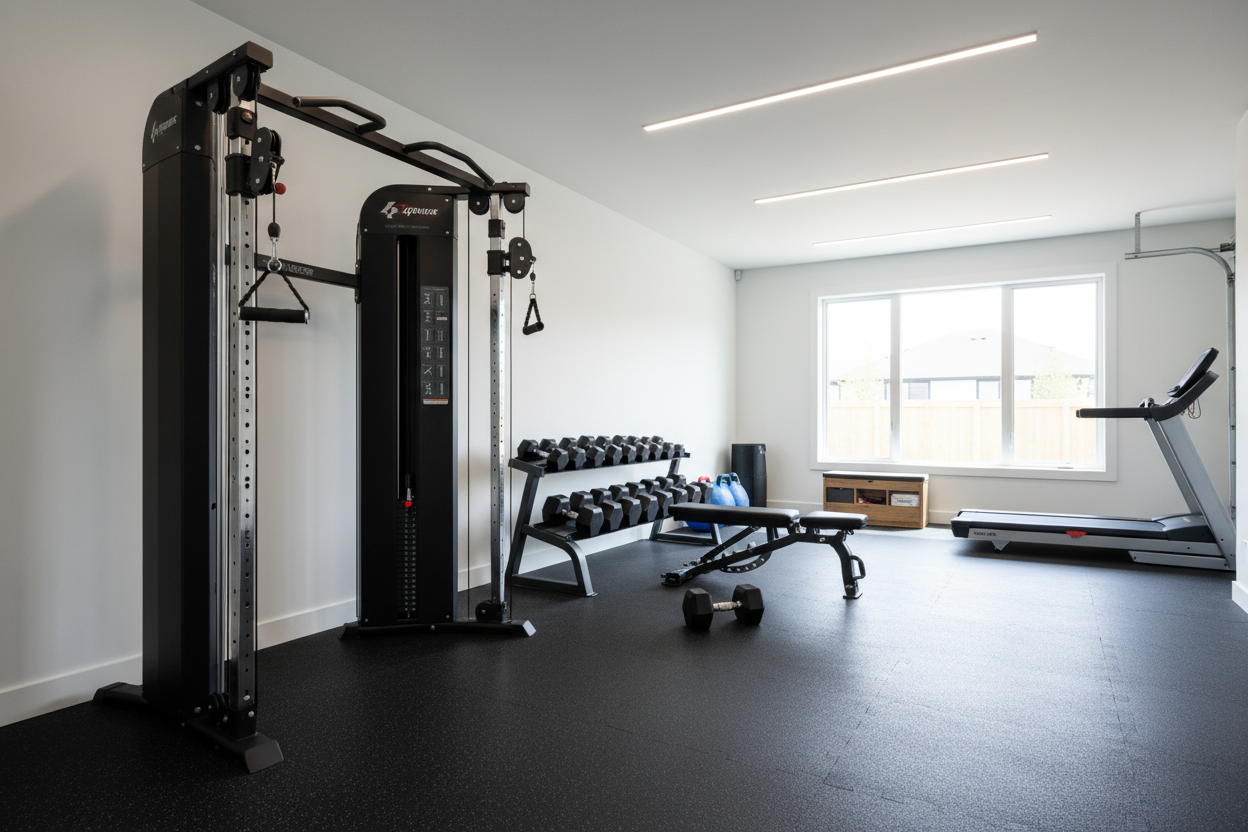
I generally tell people to avoid Weight Lifting Machines unless they are rehabbing an injury or specifically trying to burn out a muscle at the very end of a workout. Machines follow a fixed path—your body doesn't. You want to train for the real world, and the real world doesn't have guide rails.
Building Your Minimum Viable Lifting Setup
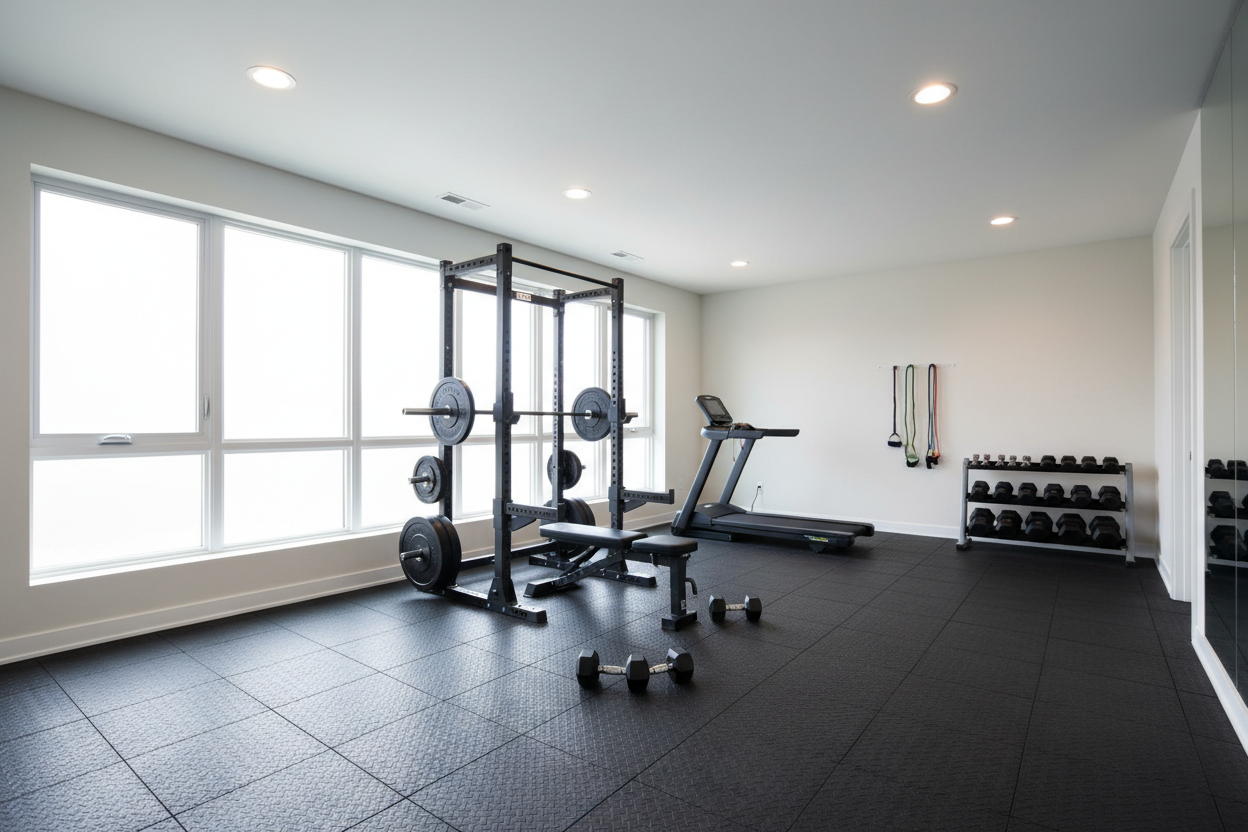
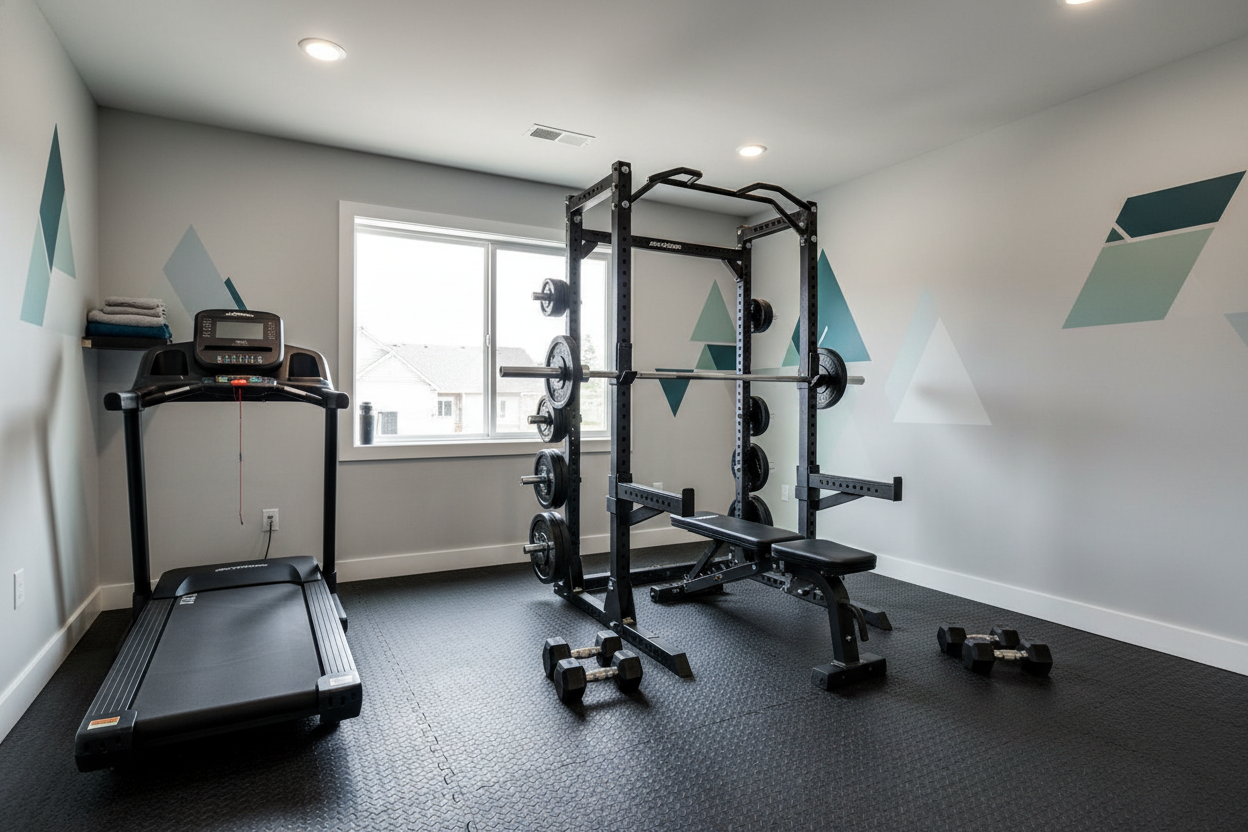
You do not need a $5,000 power rack to get results. You need a floor that can take a hit, a way to squat, and a way to press. If you are building this in a spare bedroom or a tight garage, start with the basics. A solid, non-wobbly surface is the difference between a good set and a trip to the ER. I personally use the Gxmmat Adjustable Weight Bench because it has a high weight capacity and doesn't feel like it's going to tip over when I'm mid-press.
Stop Fretting About the Scale
This is the hardest part of any beginner guide to weight training. You are going to start lifting, and the scale might actually go up. Do not panic. Muscle is significantly denser than fat. You might lose two inches off your waist while gaining five pounds on the scale. That is a win.
Stop chasing 'weight loss' and start chasing 'performance gains.' If you are worried that lifting will make you 'bulky' instead of lean, read about Trying to lose weight cardio or strength training? The brutal truth. Spoiler: the barbell is a better fat-burner than the treadmill could ever hope to be.
My Biggest Mistake
When I started, I bought the cheapest 300-lb weight set I could find on Craigslist. The bar was slightly bent, and the 'knurling' felt like wet soap. I dropped a plate once, and the iron literally cracked because it was poor-quality cast. I learned the hard way: buy once, cry once. Spend the extra fifty bucks on a bar that won't snap and a bench that won't collapse.
FAQ
How many days a week should I lift?
Three days is the sweet spot for a beginner guide to strength training. It gives you 48 hours of recovery between sessions, which is when the actual muscle building happens. Going six days a week just leads to burnout and joint pain.
Do I need to take protein shakes?
Supplements are 5% of the equation. If you aren't eating real food—steak, eggs, chicken, beans—a powder isn't going to save you. Get your protein from whole sources first, then use shakes for convenience if you're busy.
What if I'm too sore to move?
Delayed Onset Muscle Soreness (DOMS) is brutal the first two weeks. The best cure isn't sitting on the couch; it's light movement. Go for a walk or do some bodyweight squats. Get the blood flowing, and the soreness will fade faster.