The Only Guide to Machines for Squats You Need for Home Gains
Let’s be real: the barbell back squat isn’t for everyone. Maybe your lower back acts up, your mobility limits your depth, or you simply want to hammer your quads without worrying about balancing a heavy load. This is where machines for squats bridge the gap between safety and intensity.
For years, purists claimed that if you weren't under a free bar, you weren't training. That is nonsense. Whether you are looking for a dedicated leg blaster or the best equipment for squats at home, machines allow you to take muscles to absolute failure safely. This guide cuts through the marketing noise to tell you what actually works.
Key Takeaways: Choosing Your Equipment
If you are looking for the quick answer on which squat workout machine suits your goals, here is the breakdown:
- Best for Hypertrophy (Muscle Growth): The Linear Hack Squat. It removes stabilization, allowing 100% focus on quad output.
- Best Squat Machine for Home (Small Footprint): The Sissy Squat Bench or a Leverage Squat attachment for racks.
- Best for Back Pain: The Belt Squat. It loads the hips, removing all spinal compression.
- Most Versatile: The Smith Machine. While controversial, it allows for various foot placements to target different leg muscles.
The Hierarchy of Squat Machines
Not all hardware is created equal. When searching for the best machine for squats, you generally encounter three main categories. Understanding the mechanics of each will save you time and money.
1. The Hack Squat (The Quad King)
If your goal is pure leg size, the Hack Squat is arguably the best squat machine available. It places your back against a pad and locks you into a fixed path. Because you don't have to balance the weight, you can place your feet lower on the platform.
Why it works: This increases knee flexion (bending), which places significantly more tension on the quadriceps compared to a free-weight squat. It is a staple in bodybuilding for a reason.
2. The Belt Squat (The Spine Saver)
The Belt Squat is the holy grail for lifters with back issues. Instead of the weight resting on your traps, a belt around your waist connects to a cable or lever arm. This is often considered the best exercise machine for squats if you want to go heavy without waking up with a stiff lower back.
3. The Smith Machine
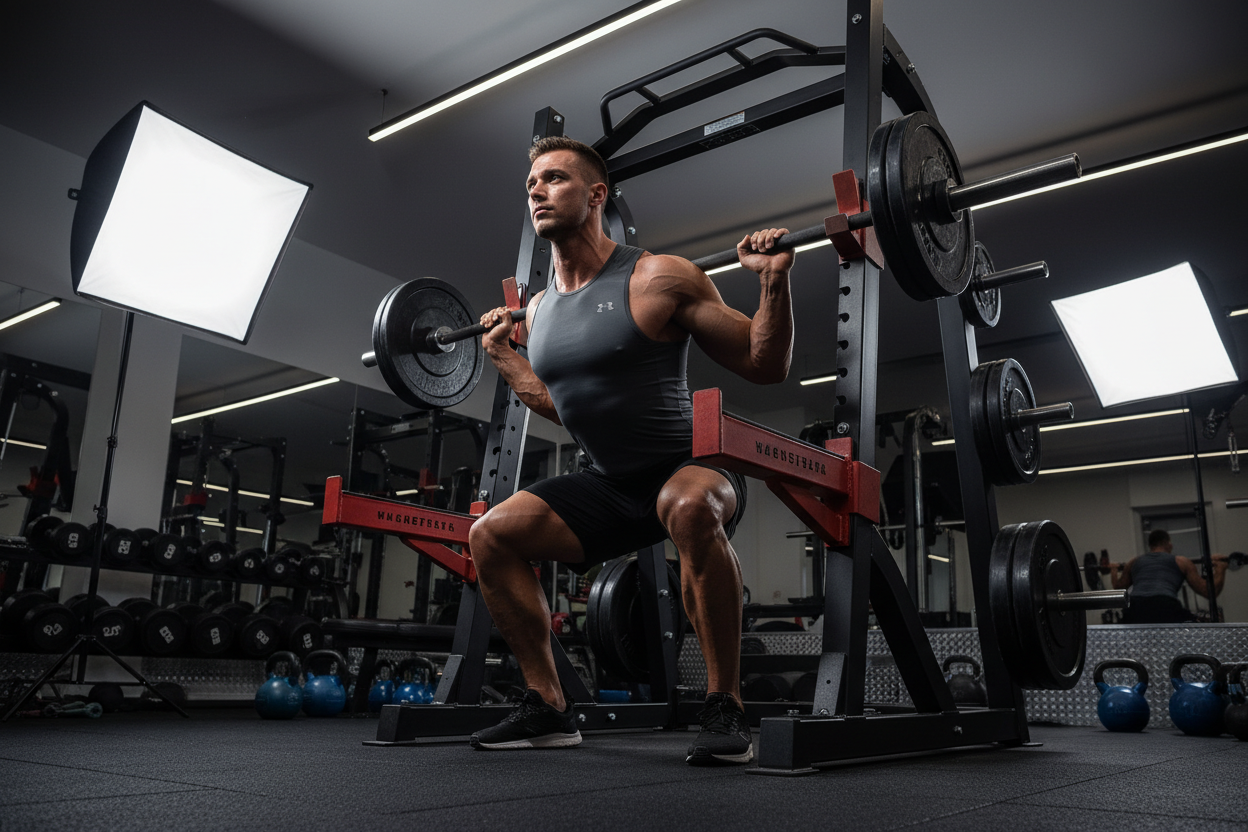
Often mocked, but highly effective if used correctly. The Smith Machine allows for a vertical path. The trick here is foot placement. You can step your feet out further than you could with a barbell, turning the movement into a pseudo-hack squat that torches the legs.
Finding the Best Home Squat Machine
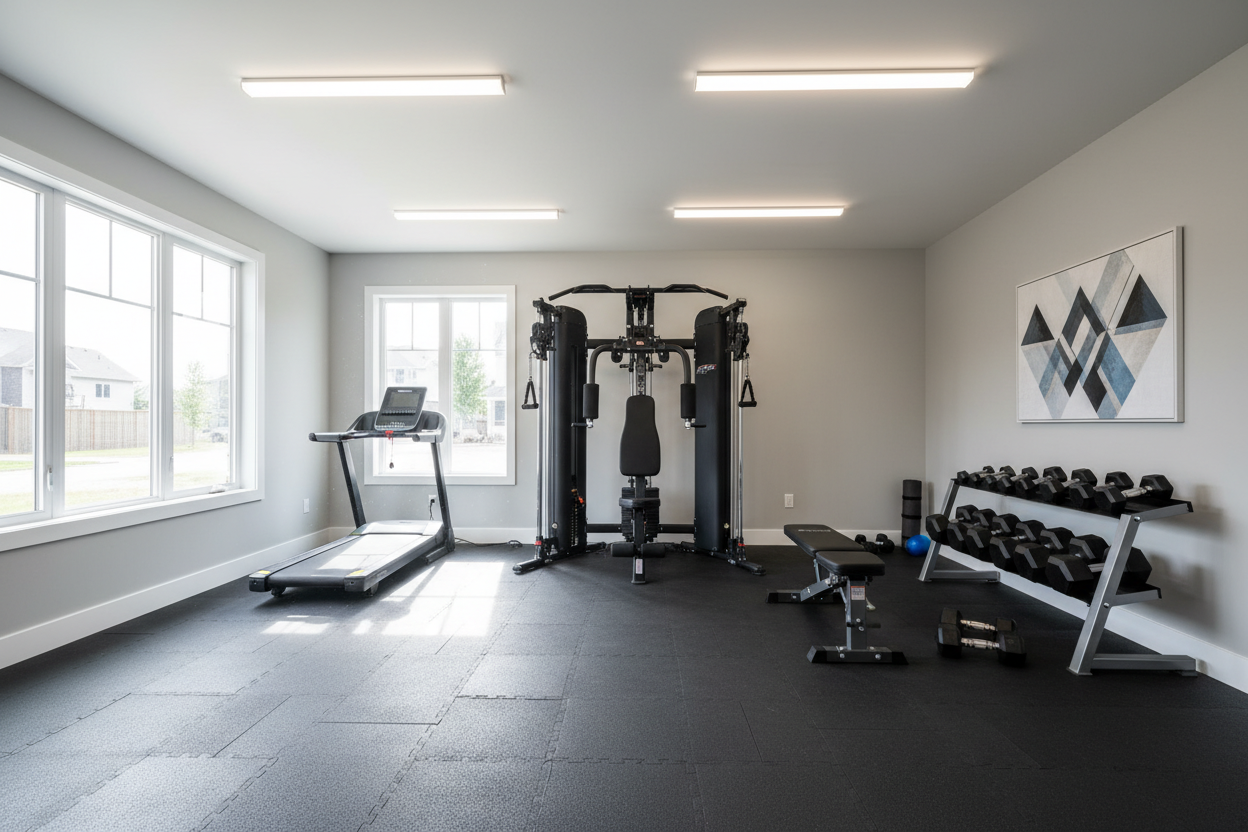
Setting up a garage gym changes the equation. You probably don't have room for a commercial Hack Squat. Here is how to navigate the at home squat machine market.
Compact Options: Sissy Squat & Leverage Arms
The "Sissy Squat" bench is the most underrated, budget-friendly option. It locks your feet and shins in place, forcing you to lean back. It creates immense stretch under load. It is brutal, effective, and takes up two square feet.
Alternatively, if you have a power rack, look for "Jammer Arm" or "Leverage Arm" attachments. These can mimic the movement of a commercial machine without requiring a standalone unit. This is often the best equipment for squats at home regarding value per square inch.
The Combo Units
If you have the budget, look for a Leg Press/Hack Squat combo. However, be warned: the changeover time between configurations can be annoying. If you buy one, ensure it uses linear bearings. Plastic bushings will feel gritty and heavy in the wrong way.
My Training Log: Real Talk on Machine Squats
I want to share a specific detail about owning a home squat machine that product pages won't tell you. A few years ago, I bought a mid-range plate-loaded Hack Squat for my garage. On paper, it looked perfect.
Here is the reality: The friction matters. On my first heavy session, I realized that because I didn't grease the guide rods heavily enough, the carriage would "stutter" on the way down. It wasn't smooth. It threw off my tempo and made 300 lbs feel like 400 lbs because I was fighting the friction, not just gravity.
Also, the shoulder pads. On cheaper machines, the foam density is often too soft. Once I loaded four plates per side, I could feel the metal frame of the shoulder harness digging into my traps through the foam. I ended up having to duct-tape extra yoga mat pieces to the pads just to squat pain-free. If you are buying an at home squat machine, look closely at the pad thickness—your shoulders will thank you later.
Conclusion
Don't let anyone tell you that you "must" use a barbell. The machines for squats listed above are tools. If you want massive quads, the Hack Squat is your friend. If you want to train around an injury, the Belt Squat is essential. If you are training at home, a Sissy Squat or Leverage arm might be your best bet. Choose the tool that fits your anatomy and your floor plan.
Frequently Asked Questions
Are machines for squats safer than free weights?
Generally, yes. They reduce the need for balance and stabilization, which lowers the risk of falling or compromising form due to fatigue. However, they can still cause injury if you use too much weight or lock your knees out aggressively at the top of the movement.
Can I build mass with just a squat workout machine?
Absolutely. Your muscles do not know if you are holding a barbell or pushing a machine; they only understand tension. Machines often allow you to take muscles closer to true failure safely, which is a primary driver of hypertrophy (muscle growth).
What is the best squat machine for home with limited space?
The Sissy Squat bench is the winner for small spaces. It requires zero setup and can be stored in a closet. For a weighted option, a Leverage Squat attachment for an existing power rack is the most space-efficient choice.