The Only Equipment for Personal Trainers That Survives Client Abuse
I remember the first time I bought a 'pro trainer kit' from a big-box store. Within three weeks, the 'heavy-duty' bands snapped during a row, and the plastic handles on the dumbbells felt like they were held together by spit and prayers. If you're building a business, you need equipment for personal trainers that doesn't make you look like a hobbyist when it breaks in front of a paying client.
Clients are notoriously hard on gear. They drop things they shouldn't, they kick weights into place, and they sweat like they're trying to drown the equipment. If you buy the cheap stuff, you'll end up buying it twice. I've spent a decade testing racks, bars, and benches to see what actually survives a 40-hour work week of client abuse. You need tools that are as professional as your coaching.
Quick Takeaways
- Prioritize 11-gauge steel for racks and benches; anything thinner will wobble under heavy clients.
- Adjustable dumbbells save space but only if they have metal adjustment pins or plates.
- Mobile trainers should focus on sandbags and suspension trainers for the best footprint-to-utility ratio.
- Never skimp on your barbell; a cheap bar will bend the first time a client racks it unevenly.
Why Most 'Trainer Bundles' Belong in the Trash
Every newly certified coach gets an email offering a 'Starter Studio Pack.' It looks great on paper: a dozen bands, a light kettlebell, some plastic steps, and a balance board. Here is the reality: that stuff is designed for light home use, not for ten clients a day. I've seen 'commercial' bands snap after a month of use because the rubber was too thin to handle the friction of a rack-mount setup. These bundles are just a way for companies to offload inventory that won't sell individually.
When you're looking for personal training equipment, you have to ignore the marketing fluff about 'versatility' and look at the materials. If the description mentions 'lightweight' or 'easy to store,' it usually means it’s made of thin-walled tubing or cheap plastic. You want gear that feels heavy. You want gear that has a powder coat that doesn't flake off when a carabiner touches it. A client sees a chipped, shaky bench and subconsciously questions your rates. Professionalism starts with the hardware.
The biggest scam is the 'all-in-one' home gym system. These machines use plastic pulleys and thin cables that feel 'crunchy' after a few months of sweat and dust. Your clients deserve a smooth experience. If the equipment feels janky to you, it feels unprofessional to them. Start with the basics that have no moving parts—those are the items that will still be in your gym ten years from now. A solid piece of iron doesn't have a software update or a plastic gear that can shear off.
The Heavy Hitters (Where You Actually Spend Your Budget)
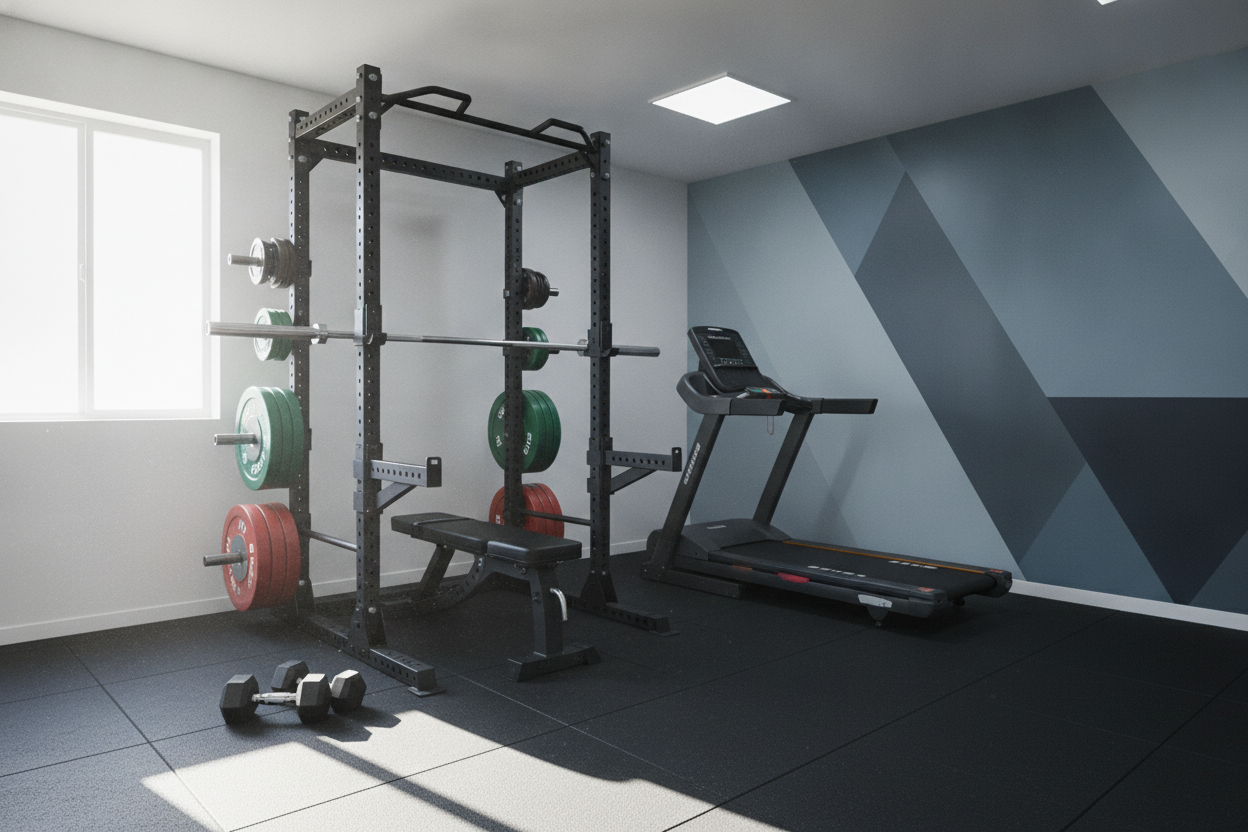
Your rack is the centerpiece of your business. If it feels flimsy, your client won't feel safe, and if they don't feel safe, they won't push their limits. I tell everyone to look for a 3x3-inch frame with 11-gauge steel. This isn't just about weight capacity; it's about stability. When a 250-lb client re-racks a squat with a bit of momentum, you don't want the whole room to shake. Investing in heavy-duty strength equipment is the best insurance policy you can buy for your reputation. It says you're serious about strength.
Next up is the barbell. Don't buy the $99 special from the local sporting goods store. A good multi-purpose bar with decent knurling will handle everything from deadlifts to overhead presses. Look for a tensile strength of at least 190,000 PSI. If you go lower, you'll eventually end up with a permanent 'smile' in your bar after a client leaves it loaded overnight on the rack. I prefer a medium knurl—something that provides grip without tearing the skin off a client who works a desk job and hasn't developed 'gym hands' yet.
For weights, skip the fancy urethane-coated plates unless you have a massive budget. Plain iron plates work just fine, though they are noisy. If you're in a residential area or a shared commercial space, bumper plates are a better bet to keep the neighbors happy. Just make sure they have a high durometer rating so they don't bounce into your drywall when dropped. Avoid the 'crumb' rubber plates if you're tight on space; they are much thicker and will limit how much weight you can fit on the bar for your stronger clients.
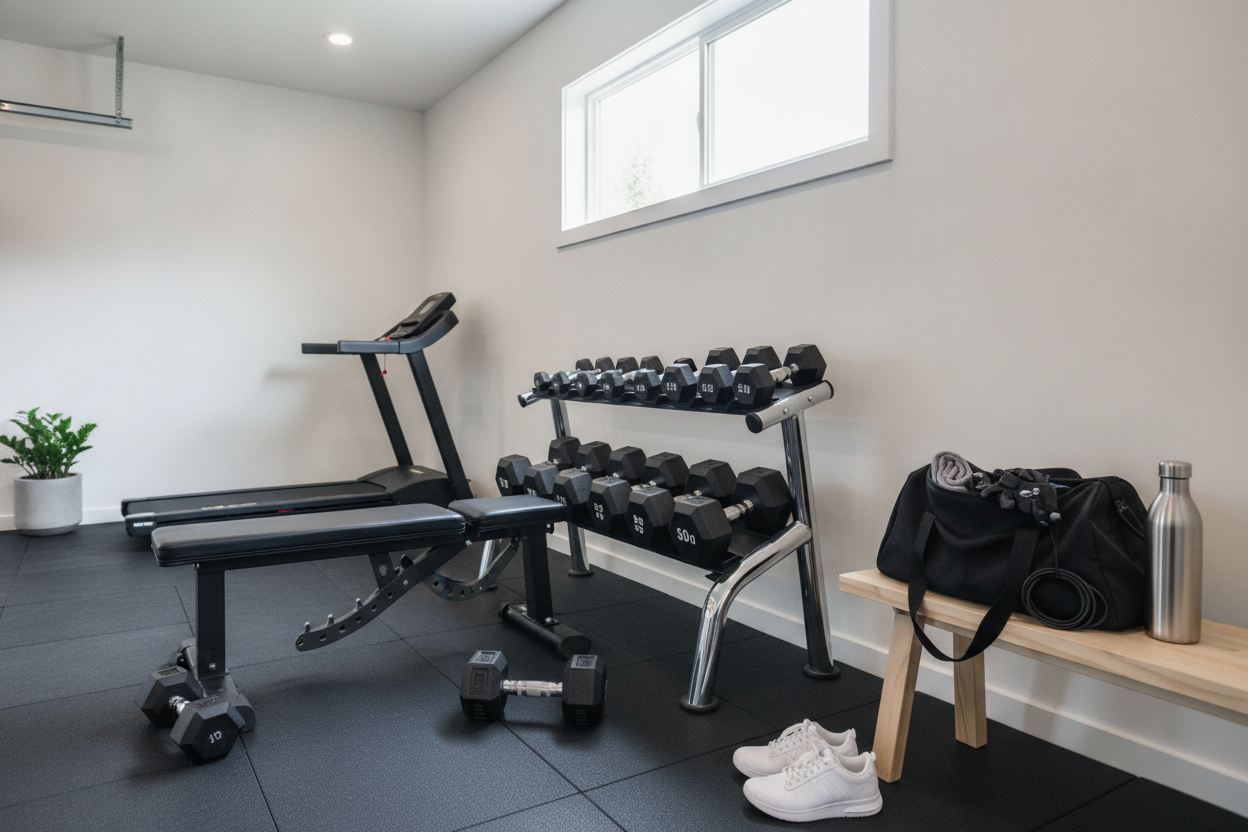
Adjustable dumbbells are the ultimate space saver for a private studio. However, avoid the ones with plastic dials. I've seen those dials shatter when a client drops them after a tough set of lateral raises. Look for brands that use metal plates and pins. They can take a beating and keep their structural integrity. You want a set that goes up to at least 50 lbs, though 75-80 lbs is the sweet spot for most personal training scenarios. If a client outgrows those, it's time to celebrate and maybe buy a single pair of heavy 100s.
The 'Trunk Test': Gear That Actually Travels Well
If you're a mobile coach, your car is your locker room. I’ve spent years hauling gear in and out of a sedan, and I learned quickly that if it doesn't fit the 'trunk test,' it stays at home. You need gear that is weather-resistant and quick to set up. A set of high-quality sandbags is worth its weight in gold. You can vary the weight, they're indestructible, and they don't rattle around in the back of your car like a box of loose kettlebells. Plus, they're much more forgiving on a client's floor if you're doing in-home sessions.
The setup time is your biggest enemy. If you're spending 15 minutes of an hour-long session just unpacking, you're losing money and momentum. This is where a well-organized mobile studio guide becomes essential. I recommend using heavy-duty plastic bins to categorize your gear: one for 'warm-up' (bands, rollers) and one for 'strength' (straps, small weights). This keeps your trunk from looking like a junk drawer and makes you look prepared the moment you roll up to the curb.
Don't forget the environment. If you're training in parks, your gear is going to get muddy, wet, and UV-damaged. Powder-coated kettlebells will chip and rust faster than e-coat or rubber-coated ones in the grass. Also, invest in a 'sacrificial' mat—something thick and cheap that you don't mind getting stained by grass or asphalt. It protects your client's knees and your more expensive gear from the abrasive ground. If you can't clean it with a hose in five minutes, don't bring it to the park.
Cheap Add-Ons That Deliver Massive Programming ROI
You don't need a $5,000 cable machine to give a great workout. Some of the best equipment for personal trainers costs less than a pair of lifting shoes. A suspension trainer allows you to train every muscle group using just a doorway or a squat rack. It’s the ultimate scaling tool; you can make a push-up nearly impossible or incredibly easy just by changing the foot position. It also adds a 'stability' element that clients find challenging and 'premium' compared to basic floor exercises.
Landmine attachments are another high-ROI item. For a small investment, you turn your barbell into a versatile machine for rows, presses, and rotations. It’s often much safer for clients with shoulder issues than traditional overhead pressing because of the fixed arc of movement. When you stock up on durable strength training accessories, you're buying options. You want tools that allow you to pivot a workout on the fly if a client shows up with a 'tweaked' lower back or a sore wrist.
Slam balls are another must-have. Unlike medicine balls, they don't bounce back and hit your client in the face. They're great for venting frustration and building explosive power without the technical learning curve of a power clean. Look for the ones with a textured grip; once they get covered in sweat, the smooth ones become dangerously slippery. A 20-lb slam ball is usually enough for 90% of your client base, and it won't break your floor if it's dropped from overhead.
How to Build Your Client Roster Without Going Broke
The biggest mistake new trainers make is thinking they need a 'finished' gym to start. You don't. You need enough gear to get one person through a solid workout. I started with a single kettlebell, a set of bands, and a park bench. As you sign clients, reinvest a percentage of that income back into the gym. This prevents you from going into debt before you've even proven your business model. Debt is a heavy weight that doesn't build any muscle.
Smart sourcing is key. You can find incredible home gym equipment deals if you time it right. Many companies have 'garage sale' or 'boneyard' sections on their websites for gear with minor cosmetic scratches or slightly off-color powder coating. Your clients won't care if there's a scratch on the upright of the rack; they care if the rack is stable when they're under it. Focus your budget on the things that have moving parts or safety implications.
Focus on 'foundational' pieces first. A bench and a set of dumbbells can cover hundreds of exercises. Add the rack and barbell next. Leave the fancy machines and 'recovery gadgets' for year three. Your coaching ability is what keeps clients coming back, but having reliable, professional-grade gear is what makes them feel they are getting their money's worth from the very first session. Buy once, cry once, and then get to work.
My Personal Experience with 'Budget' Gear
I once bought a 'budget' adjustable bench thinking I was being smart. A client who weighed about 240 lbs sat down for some seated presses, and the adjustment pin sheared right off. He didn't get hurt, but my reputation took a hit that day. I felt like a fraud. I learned that if a piece of gear has a 'max weight' that includes the user, it’s probably trash. Now, I only buy benches rated for at least 1,000 lbs. It sounds like overkill until you have a big guy holding heavy dumbbells and you realize his life is literally in the hands of that steel pin.
Frequently Asked Questions
How much should I spend on my initial setup?
If you're starting a private studio, aim for $2,000 to $3,000. This covers a solid rack, a bar, some iron plates, and a bench. For mobile trainers, you can start for under $500 with a sandbag, bands, and a suspension trainer.
Is it worth buying used equipment?
For iron plates and racks, absolutely. Steel doesn't expire. However, stay away from used benches with cracked vinyl or used adjustable dumbbells with mystery internal parts. If it has a moving mechanism, buy it new with a warranty so you aren't left hanging.
What is the most underrated piece of equipment for trainers?
A high-quality magnetic timer. Being able to stick a timer to the rack so both you and the client can see the rest periods keeps the session moving and professional. It's much better than staring at your phone the whole time, which can make you look distracted.