The Only 7 Pieces of Equipment You Actually Need to Build Your Home Gym
Setting up a home gym doesn't mean you need to replicate every machine you've seen at a commercial fitness center. The truth is, you can build serious strength, improve cardiovascular health, and transform your physique with just a handful of carefully chosen pieces of equipment. Understanding what truly matters will save you money, space, and the headache of cluttered workout areas filled with gear you'll never use.
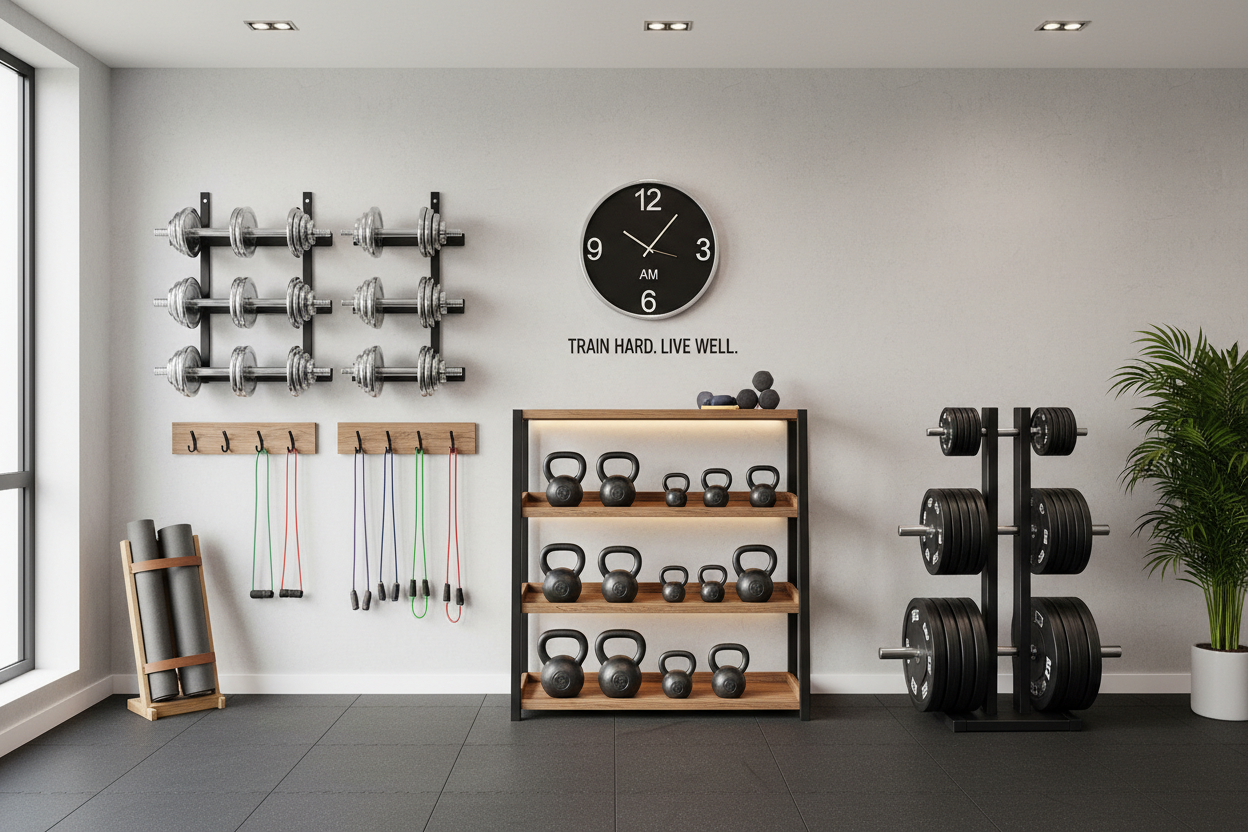
The basic equipment for home gym setups revolves around versatility and functionality. You want items that allow multiple exercises, target different muscle groups, and adapt as you progress. This approach ensures you're investing in tools that grow with you rather than collecting dust in the corner.
Adjustable Dumbbells: Your Foundation
If you could only choose one piece of equipment, adjustable dumbbells would be the smart pick. These compact powerhouses replace an entire rack of fixed-weight dumbbells, saving both money and floor space. With a simple adjustment mechanism, you can switch from 5 pounds to 50 pounds or more in seconds, making them perfect for everything from shoulder raises to goblet squats.
I learned this lesson the hard way after buying individual dumbbell pairs that eventually took over half my spare bedroom. Once I switched to adjustable sets, I reclaimed that space and actually found myself working out more consistently because the quick weight changes kept my momentum going during circuit training.
A Quality Barbell and Weight Plates
While dumbbells handle many exercises beautifully, a barbell opens the door to compound movements that build serious strength. Deadlifts, squats, bench presses, and rows all become possible with this addition. You don't need an Olympic-grade barbell right away—a standard 45-pound bar with enough weight plates to challenge yourself will serve you well for years.
The equipment needed for a home gym should prioritize these compound movement tools because they deliver the most bang for your buck. A single barbell workout can target your entire body more efficiently than a dozen isolation machines.
Choosing the Right Plates
Cast iron plates are budget-friendly and durable, though they can be noisy. Rubber-coated plates cost more but protect your floors and reduce noise—a consideration that matters if you live in an apartment or have family members who work from home. Bumper plates are ideal if you plan on doing Olympic lifts or dropping weights, but they're not essential for most people starting out.
A Sturdy Bench
An adjustable workout bench transforms your exercise possibilities. It's not just for bench presses—you'll use it for incline dumbbell work, step-ups, Bulgarian split squats, seated shoulder presses, and countless other movements. An adjustable bench that moves from flat to incline to decline positions gives you the most options, though a flat bench works fine if budget is tight.
Look for something rated well above your body weight plus the weight you'll be lifting. Wobbly benches aren't just annoying—they're dangerous when you're holding heavy dumbbells overhead.
Pull-Up Bar or Power Rack
Your home gym basic equipment list needs something for pulling movements. A doorway pull-up bar is the minimal investment here, costing around $30 and installing without permanent modifications. It handles pull-ups, chin-ups, and hanging leg raises perfectly well.
If you have the space and budget, a power rack is the ultimate upgrade. It provides a safe environment for heavy squats and bench presses, includes a pull-up bar, and often has attachments for dips and other exercises. The safety bars mean you can push yourself without needing a spotter.
Resistance Bands
Don't underestimate these simple tools. Resistance bands add variety to your training, provide assistance for pull-ups when you're building up strength, add resistance to bodyweight exercises, and work perfectly for warm-ups and mobility work. They're also incredibly portable, so you can maintain your routine while traveling.
A set with varying resistance levels costs less than a single restaurant meal but expands your exercise library by dozens of movements. They're particularly valuable for rotator cuff work and other joint-health exercises that free weights don't address as well.
Jump Rope or Cardio Alternative
Cardiovascular fitness matters, but you don't need a $2,000 treadmill. A quality jump rope costs about $15 and delivers intense cardio that also improves coordination and burns serious calories. If jumping isn't your thing due to joint concerns or ceiling height, consider a rowing machine or stationary bike—but know that these are optional, not essential.
Many people build excellent fitness with nothing but the strength equipment already mentioned, using circuit-style training to keep their heart rate elevated throughout their workout.
Foam Roller and Mobility Tools
Recovery equipment often gets overlooked when people plan their home gym setup, but it shouldn't. A foam roller helps with muscle recovery, reduces soreness, and improves flexibility. Add a lacrosse ball or massage ball for targeting specific tight spots, and you've covered the basics of self-care that keep you training consistently.
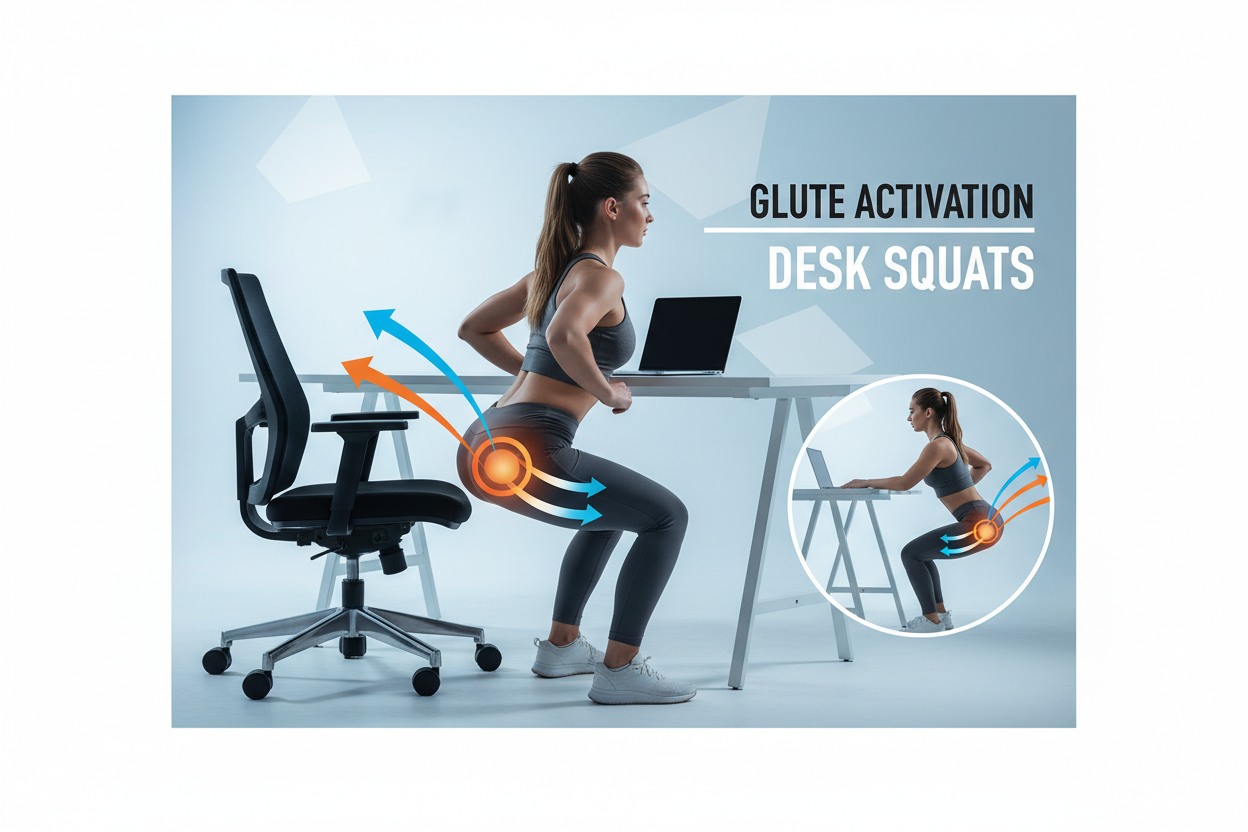
These tools are especially valuable as you get older or if you sit at a desk all day. Spending ten minutes on mobility work before lifting can prevent injuries and improve your performance during the actual workout.
What You Can Skip
Notice what's missing from this list: specialized machines, ab rollers, kettlebells (though they're great, dumbbells cover similar ground), weight machines, and most cardio equipment. These items aren't bad, but they're not essential. You can always add them later once you've established a consistent routine and identified specific needs.
The goal is to start with equipment that removes barriers to working out. Too much gear can be overwhelming and expensive. The seven categories above give you everything needed to build strength, muscle, and cardiovascular fitness without turning your home into a crowded gym.
Frequently Asked Questions
How much should I budget for basic home gym equipment?
You can set up a functional home gym for $300-$500 with adjustable dumbbells, a pull-up bar, resistance bands, and a jump rope. Adding a barbell, plates, and bench brings the total to $800-$1,200 depending on quality and weight capacity. This is still far less than a year of gym membership in most cities.
Do I need a lot of space for a home gym?
A 6x8 foot area is enough for most home gym setups with basic equipment. You need room to lie down for exercises and swing your arms freely. A spare bedroom, garage corner, or basement space works perfectly. Adjustable equipment helps minimize the footprint significantly.
Should I buy everything at once or gradually build my home gym?
Start with dumbbells and a pull-up bar, then add pieces as you identify what you're missing. This approach prevents buyer's remorse and helps you learn what equipment you'll actually use consistently. Many people find they need less than they initially thought once they start training regularly at home.