The Only 3 Pieces of Gear Lifting Heavy Actually Requires
Most gym bags look like a mobile pharmacy. I used to be that guy—carrying two types of knee sleeves, three different wrist wraps, and a tub of chalk just to hit a basic leg day. It was a distraction. Real gear lifting isn't about looking like you're heading into a tactical zone; it's about creating enough internal pressure and stability to move a heavy barbell without your body folding like a lawn chair.
- Buy a 10mm or 13mm leather belt and skip the velcro.
- Flat soles or bare feet beat expensive air-cushioned sneakers every time.
- Figure-8 straps are the goat for heavy pulls when your grip gives out.
- Most accessories are just expensive band-aids for poor technique.
The Gym Bag Bloat Problem
The fitness industry is incredibly good at convincing beginners they need fifteen different neoprene accessories before they even learn how to hinge at the hips. They want you to believe that more gear for lifting equals more gains. It's a lie. In my experience, the more stuff you have to strap on before a set, the less you're actually focusing on the movement.
Minimalism in the gym isn't just about saving space in your bag; it's about removing variables. When you strip away the fluff, you're forced to rely on your own bracing and mechanics. I realized I was spending ten minutes 'gearing up' for sets that lasted forty seconds. That's a bad ROI. You only need the items that literally prevent a mechanical failure or allow you to bypass a small weak link like grip strength.
Piece #1: A Belt That Doesn't Feel Like Cardboard
A lifting belt is the most misunderstood tool in the gym. It's not there to 'protect' your back in a passive way; it's a wall for your abs to push against. To do that effectively, the belt needs to be stiff. If you can roll your belt up into a tight little ball with one hand, it's useless for heavy bracing. You want 10mm of genuine leather that feels slightly uncomfortable until it's broken in.
I've seen too many lifters trust their lumbar to a $20 strip of nylon with a velcro strap. I Tested Cheap Amazon Weight Lifting Gear Until It Broke, and those velcro models were the first to fail. They pop open right at the bottom of a squat when your intra-abdominal pressure is highest. That's a recipe for a hospital visit. Buy a single-prong or lever belt made of real cowhide and it will literally last you thirty years.
Piece #2: Footwear (Or Lack Thereof) That Grips
Squatting or deadlifting in running shoes is like trying to lift while standing on a pair of marshmallows. Those expensive foam soles are designed to compress and absorb impact—the exact opposite of what you want when you have 300 lbs on your back. You need a hard, flat surface that allows for maximum force transfer into the floor.
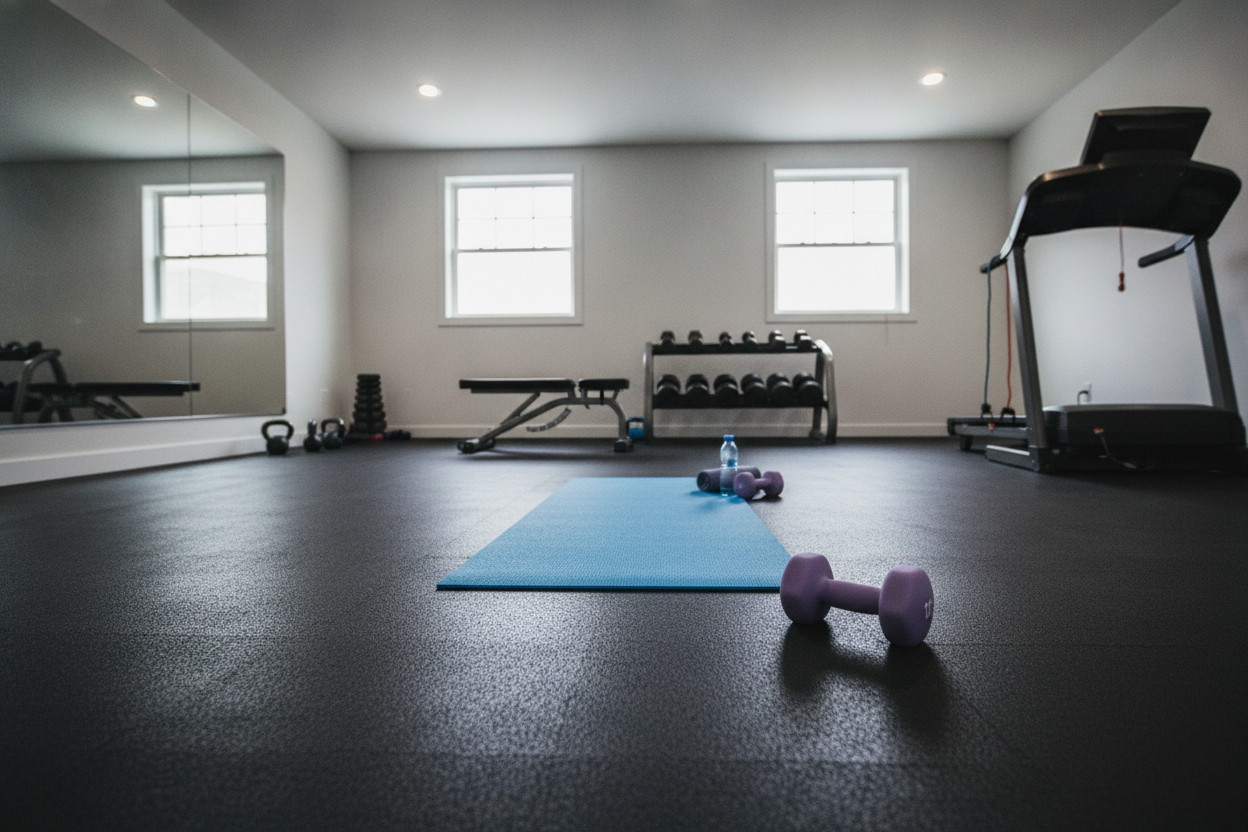
You don't need $200 'lifters' with a wooden heel unless you have the ankle mobility of a statuesque gargoyle. Simple flat-soled canvas shoes or even just socks are usually superior. If you're training in a home gym, I highly recommend a 6X8Ft Exercise Mat Yoga Mat Gym Flooring For Home Workout. It provides the high-traction, firm surface you need to keep your feet glued to the ground without the squish of typical residential carpet.
Piece #3: Straps That Won't Snap Mid-Pull
Your back and legs are significantly stronger than your hands. If you're waiting for your grip to catch up before you increase your deadlift weight, you're leaving gains on the table. This is where straps come in. But don't grab the thin, flimsy cotton ones from a big-box store. Is Weight Lifting Walmart Gear Actually Safe for Heavy Sets? Usually, the answer is no—the stitching on cheap straps tends to fray and snap right when you're peaking on a heavy rack pull.
Go for heavy-duty nylon lasso straps or figure-8 straps. Figure-8s are my personal favorite because they essentially lock you to the bar, allowing you to focus entirely on the pull without worrying about the bar sliding out of your palms. They are the final piece of the puzzle for anyone serious about moving heavy loads without their hands being the bottleneck.
The Stuff You Should Stop Wasting Money On
If you're still a beginner or intermediate lifter, you don't need knee wraps. They're a specialized tool for geared powerlifting that can actually mess with your squat mechanics if you don't know what you're doing. Same goes for elbow sleeves for light benching. These items often become crutches that mask underlying mobility issues or poor form.
Instead of buying every sleeve and wrap in the catalog, take that money and put it toward high-quality Strength Equipment. A better barbell with aggressive knurling or a set of calibrated plates will do more for your total than a fancy pair of wrist wraps ever will. Invest in the hardware, not the haberdashery.
My Biggest Gear Mistake
Early on, I bought a pair of expensive Olympic lifting shoes because I thought the elevated heel would automatically fix my 'butt wink' at the bottom of a squat. All they did was shift my center of gravity too far forward, causing me to tip onto my toes and strain my knees. I spent six months fighting the shoes instead of fixing my tight calves. I eventually ditched them for flat shoes and actually did the mobility work. Don't buy gear to fix a problem that requires stretching.
FAQ
Do I need a belt for every exercise?
No. Use it for your heavy compound movements like squats, deadlifts, and overhead presses. Leave it off for your accessory work so you don't become overly reliant on it for basic stability.
Are leather belts better than nylon?
For heavy lifting, yes. Leather doesn't stretch or compress, providing a much more consistent surface for bracing. Nylon is fine for CrossFit-style workouts where you need to move quickly between exercises, but for max effort, leather is king.
Should I use straps for every pull?
Only use them when your grip is the limiting factor. I usually do my warm-up sets without straps to build hand strength, then throw them on for my top working sets so I can push my posterior chain to the limit.