The Only 3 Lifts That Matter When Figuring Out How to Build Muscles
I spent my first three years in a garage gym chasing the 'pump' with $15 resistance bands and 15-pound dumbbells. I looked exactly the same on day 1,000 as I did on day one. It wasn't until I stripped the fluff and realized that how to.build muscles is actually a math problem involving heavy barbells that I finally saw a change.
You don't need a 12-piece circuit or a membership at a luxury club with eucalyptus towels. You need a barbell, a rack, and the discipline to stop scrolling through TikTok for the next 'secret' exercise. If you want results, you have to force your body to adapt to heavy, systemic stress.
Quick Takeaways
- Master the 'Big Three' movements: Squat, Press, and Pull.
- Prioritize mechanical tension over high-rep 'burn' sets.
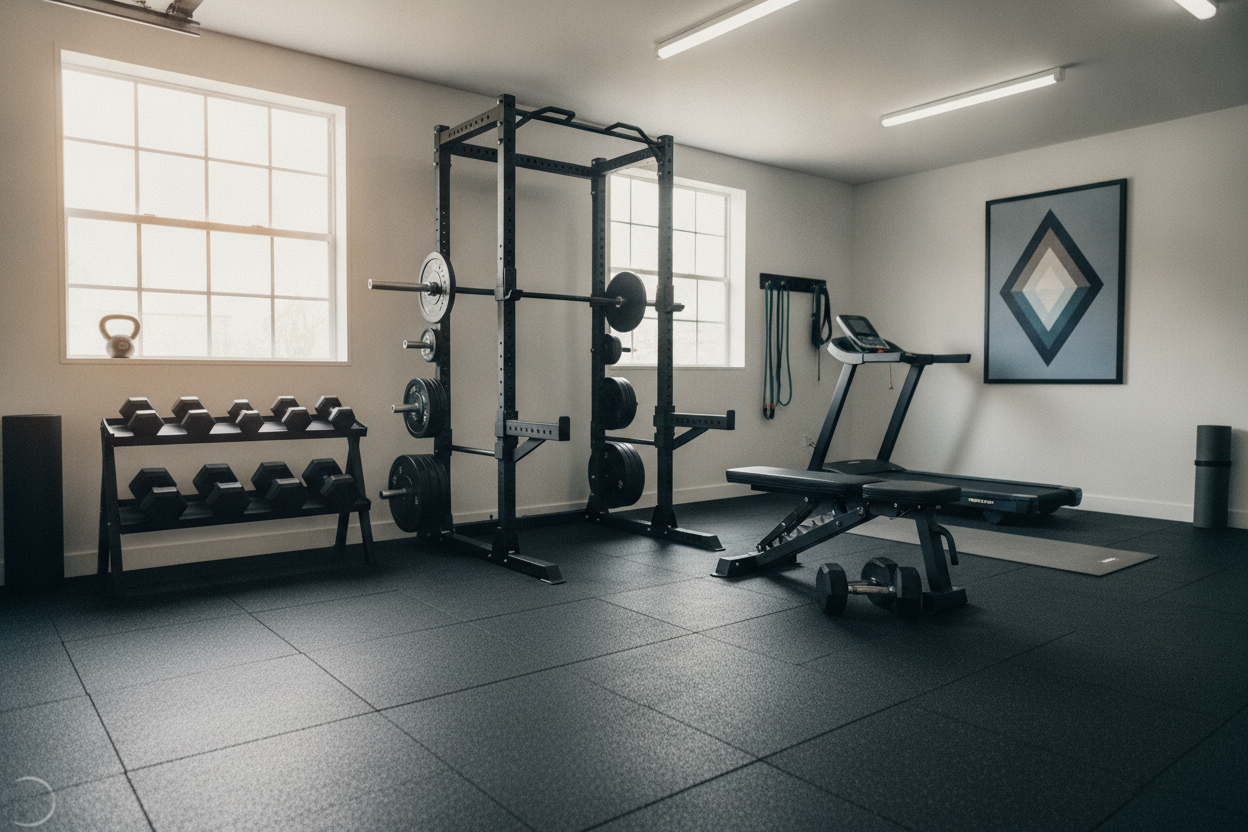
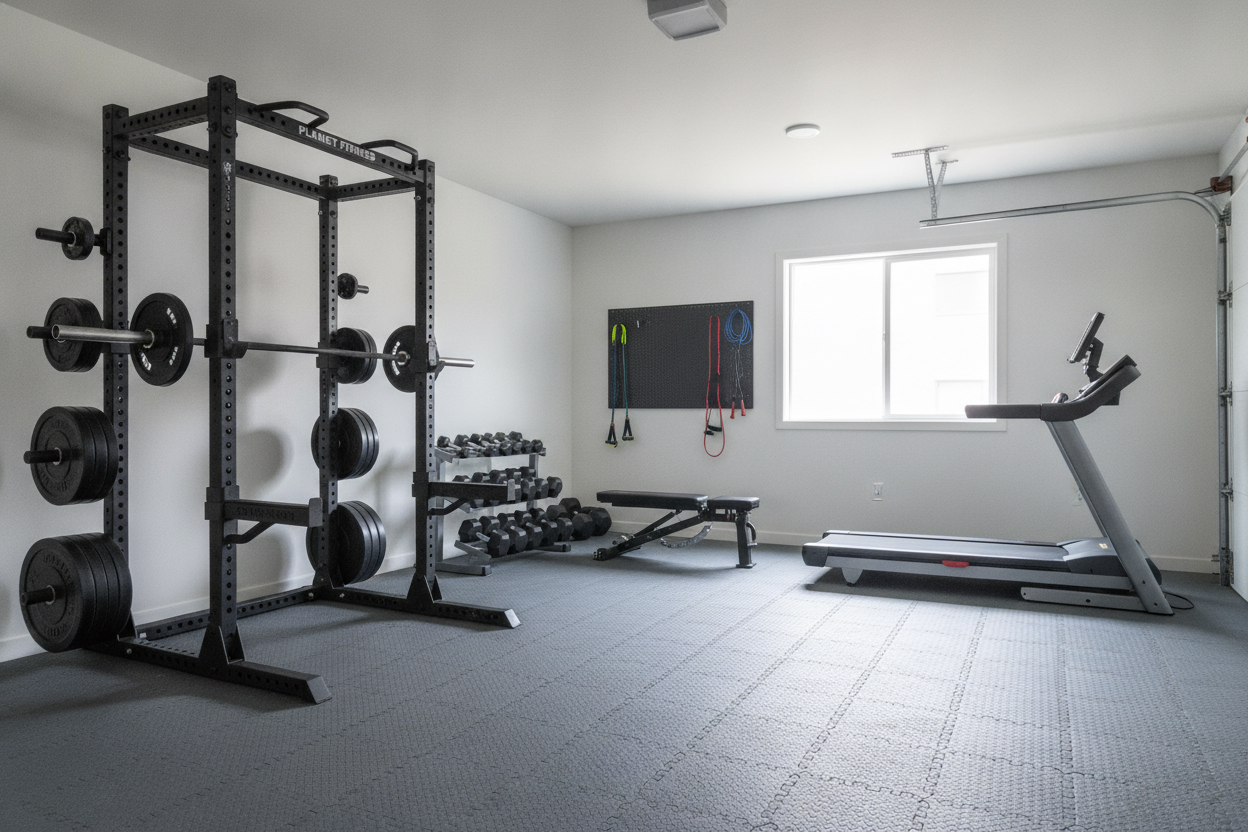
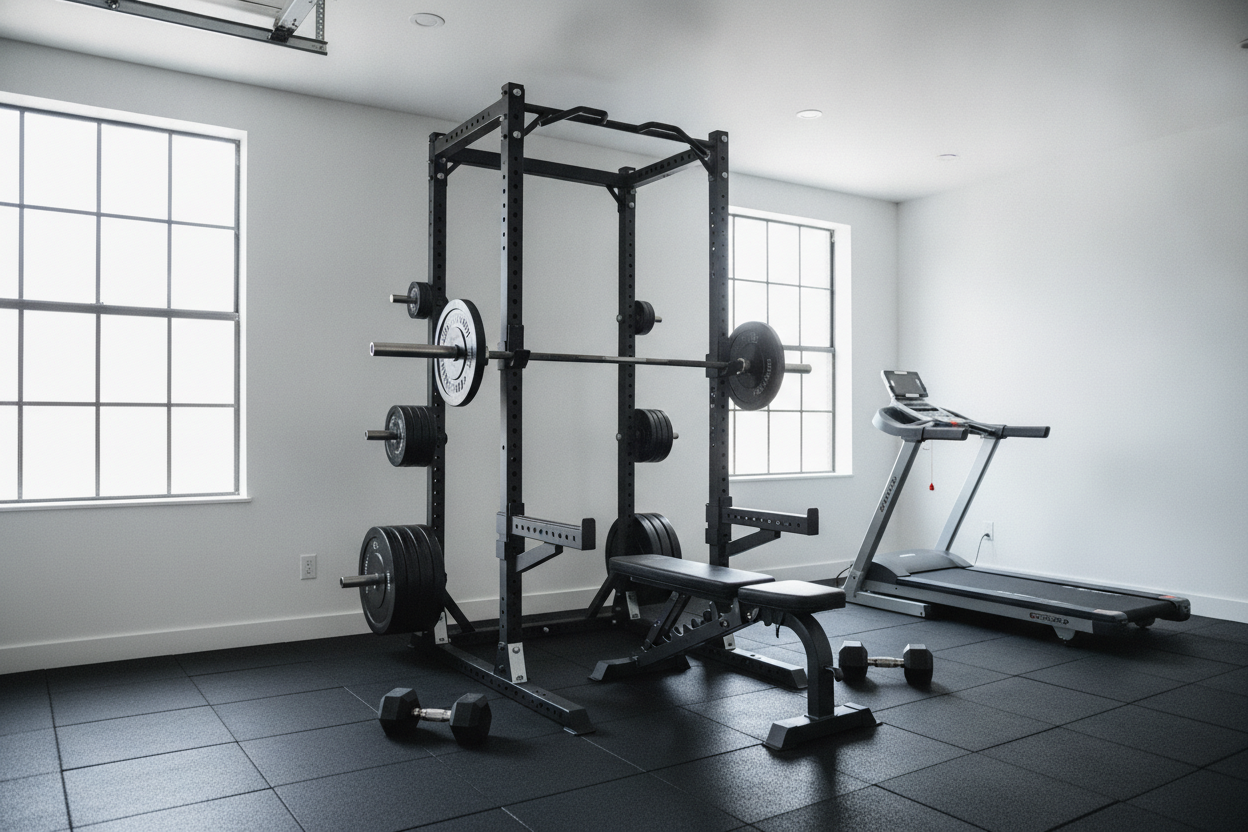
- Invest in a solid rack and barbell setup for home training.
- Consistency with heavy weight beats variety with light weight every time.
Why You Are Drowning in Fitness Noise
Social media has ruined the way people approach increasing muscle mass. You see influencers doing one-legged cable kickbacks or obscure variations of the lateral raise because 'the basics are boring.' Boring builds the physique you actually want.
Most lifters fail because they are over-analyzing their 5-day splits before they can even do five pull-ups. They worry about 'muscle confusion' when their real problem is a lack of intensity. You don't need to confuse your muscles; you need to demand they grow by moving heavier loads every single week.
The Squat: The Foundation for Gaining Muscle Mass and Strength
The squat is the king for a reason. It is a systemic stressor that signals your entire central nervous system to grow. When you put 225 pounds or more on your back, your body doesn't just think about your quads—it fights to keep your spine neutral and your core braced.
To do this safely at home, you need heavy-duty strength equipment. I’m talking about a rack with at least 11-gauge steel and a barbell that won't whip like a pool noodle when you hit three plates. Gaining muscle mass and strength starts with the legs, and there is no substitute for the back squat.
The Press: The Real Secret to Increasing Muscle Mass Up Top
If you want a thick upper body, stop doing 50 sets of cable flyes. I personally stopped chasing the pump with high-volume isolation work and moved toward heavy overhead presses and benching. My delts and chest grew more in six months of heavy pressing than they did in two years of 'toning' routines.
Focus on the overhead press (OHP) for broad shoulders and the bench press for chest density. These movements provide the mechanical tension required for increasing muscle mass and strength. If you aren't adding five pounds to the bar every couple of weeks, you aren't training; you're just exercising.
The Pull: How to Build Muscle Mass and Strength Where It Counts
A thick back is the hallmark of someone who actually lifts. Deadlifts and heavy barbell rows are non-negotiable. You cannot fake a strong posterior chain. These lifts are the most efficient way to build muscle mass and strength because they recruit the largest muscle groups in the body simultaneously.
I recommend a 2-inch diameter pull-up bar and a deadlift platform if you're training in a garage. The goal is to pull heavy and pull often. When you start ripping 400 pounds off the floor, your traps and lats have no choice but to thicken up to support the load.
Forget the Fluff (Until You Actually Earn It)
I see guys in the gym doing bicep curls and calf raises when they can't even squat their own body weight. That is a waste of time. You need to increase muscle mass and strength significantly with the big three before you worry about the 'details.' Those details only matter once there is a foundation to carve.
Eventually, you can add strength training accessories like lifting belts or wrist wraps to help you push past plateaus. But don't use them as a crutch. Earn the right to use the gear by mastering the raw movements first. If your program has more than 20% isolation work, you're probably doing it wrong.
Personal Experience: My Bench Press Mistake
I used to be the guy who spent 45 minutes on the 'pec deck' machine. I’d leave the gym with a massive chest pump, feeling like I’d done something. Three months later, my bench press was still stuck at 185 pounds and my t-shirts fit exactly the same. I finally ditched the machines, bought a flat bench and a quality bar, and focused on heavy triples. My chest didn't just get 'pumped'—it actually got wider and thicker. The downside? I had to buy all new shirts, which wasn't cheap.
FAQ
Do I really only need three exercises?
For the first 6-12 months of serious training, yes. Adding too much variety just makes it harder to track your progress and ensure you are actually getting stronger.
Is home equipment as good as commercial gym gear?
If you buy the right specs, yes. Look for 3x3 inch uprights and a high weight capacity. A good home rack can handle more weight than 99% of humans will ever lift.
How often should I train these lifts?
Three days a week on an alternating schedule is plenty for most people. Recovery is where the actual muscle building happens, not while you're under the bar.