The One Exercise on How to Gain Weight I Wish I Started With
I spent my first three years of lifting chasing a 'pump' that lasted about twenty minutes after I left the gym. I bought every supplement in the aisle and spent hours on cable flyes, yet my weight on the scale barely budged. If I could go back to my 145-pound self, I would tell him that the secret exercise on how to gain weight isn't found in a bottle of pills or a fancy isolation machine.
The reality of a home gym is that space and time are your most valuable currencies. You can't afford to spend forty minutes on three different bicep variations if you actually want to see the scale move. You need movements that demand every ounce of energy you have.
- Compound movements trigger the most muscle fiber recruitment.
- Lower body training creates a systemic hormonal response for growth.
- Safety equipment allows you to lift heavy enough to force adaptation.
- Free weights beat machines for building functional mass and stability.
Why Your 'Arm Day' Is Keeping You Small
Most guys start their bulk by hammering their biceps and triceps. It feels good, and the mirror likes it for an hour, but it’s a trap. If you are struggling with what exercise to do to gain weight, stop looking at your arms. Small muscle groups simply don't have the capacity to create the systemic fatigue required to force a hardgainer's body into an anabolic state.
When you curl a 30-lb dumbbell, your body barely notices. When you put 225 lbs on your back, your entire central nervous system goes into survival mode. That stress is what signals your body to keep the calories you're eating and turn them into muscle rather than waste. Ditch the cables and start moving something heavy that requires your whole body to stabilize.
The Squat: The King of Mass Building
The barbell back squat is the undisputed exercise on how to gain weight. It isn't just a leg movement; it's a full-body event. From the moment you unrack the bar, your traps, core, and erectors are working just to keep you upright. As you descend, your quads, glutes, and hamstrings take the brunt of the load.
This massive recruitment of the body's largest muscles creates a hormonal cascade. It’s why people who squat heavy often see their chest and shoulders grow too. You are essentially telling your body that it isn't strong enough to handle the environment, forcing it to add mass everywhere to compensate. If you aren't squatting at least once a week, you aren't serious about gaining weight.
Setting Up for Heavy Lifts Without a Spotter
The biggest hurdle to squatting heavy at home is the fear of getting pinned. I’ve been there—stuck at the bottom of a rep with no one to help. It’s dangerous and it kills your confidence, which means you stop pushing as hard as you should. To truly gain mass, you have to train near failure.
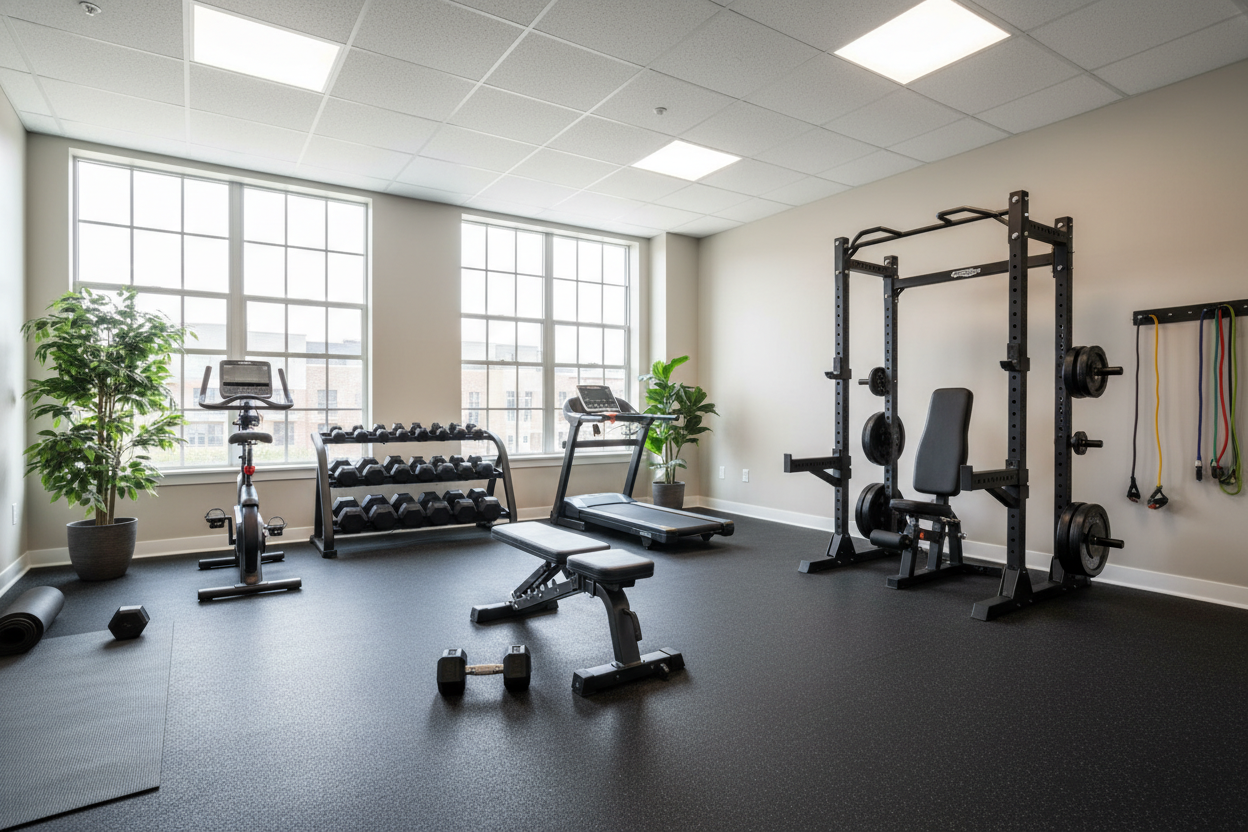
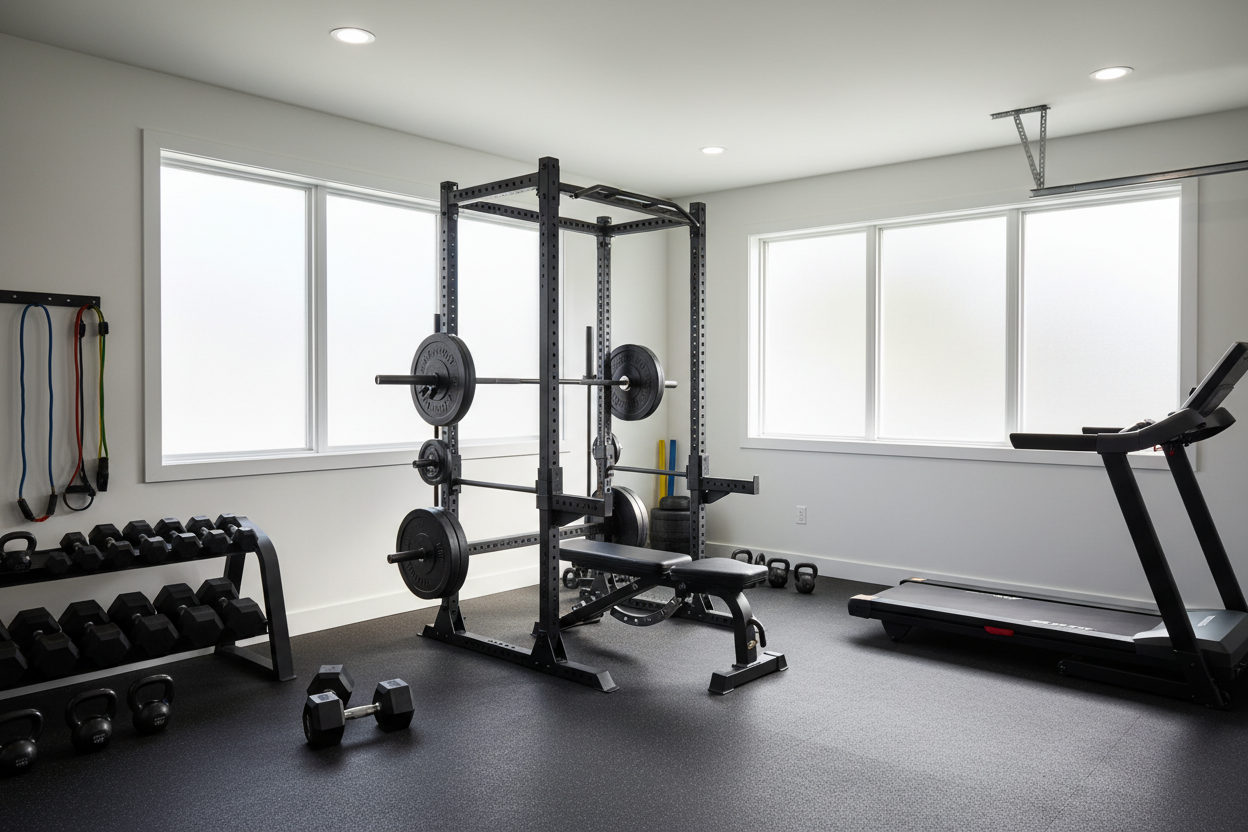
This is where your gear matters. You need a setup like the Gxmmat X6 Power Rack Weight Bench Package because it includes the safety pins that act as your mechanical spotter. Having that physical fail-safe allows you to grind out that fifth rep where the real growth happens. Without a rack you trust, you'll always sub-consciously hold back on the weight.
Free Weights vs. Commercial Machines for Mass
Many people look for exercises for weight gain in gym settings and end up on the leg press or the Smith machine. While those have their place for bodybuilders, they are less effective for someone trying to build a foundation of mass from scratch. Machines remove the need for stabilization, which is exactly what you want to keep in your program.
Free weights force you to balance the load, engaging thousands of tiny stabilizer muscles that Weight Lifting Machines ignore. This extra work translates to more caloric demand and more muscle growth. If you're transitioning from a commercial space, you might need to learn How to Strip Down Your Weight Gain Exercise Program for a Home Gym to focus on these high-impact barbell movements instead of the fluff.
Supporting the Movement (Because You Can't Just Squat)
While the squat is king, you need a court of supporting lifts. When you're deciding what exercise to do for weight gain to fill out the rest of your week, think about the 'Big Three' plus rows. Heavy bench pressing and overhead pressing are the upper body equivalents of the squat.
For these, stability is everything. You can't press maximum weight on a flimsy, narrow bench that wobbles under a 200-lb load. Using a dedicated Gxmmat Adjustable Weight Bench gives you the wide footprint and high weight capacity needed to drive through your feet and press heavy. Pair your squats with heavy rows and presses, and you have a complete blueprint for mass.
How many times a week should I do this exercise on how to gain weight?
For most people, squatting twice a week is the sweet spot. One day can be heavy (lower reps, higher weight) and the other can be higher volume to focus on hypertrophy and blood flow.
Is it okay to squat in a home gym with low ceilings?
Most standard power racks are about 80-84 inches tall. If your ceiling is lower, look for 'shorty' racks. Just ensure you still have enough clearance to fully lock out an overhead press if you're doing those in the rack too.
Do I need a weight belt to gain weight?
A belt doesn't help you gain weight directly, but it helps you move more weight safely by increasing intra-abdominal pressure. I'd recommend using one once you're squatting more than 1.5 times your body weight.