The Most Effective Female Gym Routine Is Actually Really Boring
I remember standing in the middle of a commercial gym, staring at a TikTok on my phone, trying to figure out how to do a 'glute-focused' cable kickback variation that looked more like a Cirque du Soleil audition. I was sweating, sure, but I wasn't getting any stronger. My clothes fit the same, and my lifts were stalled. The reality is that a truly effective female gym routine shouldn't look like a highlight reel; it should look like a spreadsheet.
- Consistency beats 'muscle confusion' every single time.
- Compound lifts like squats and deadlifts are non-negotiable foundations.
- Track your lifts in a notebook or app, not your 'vibes' or soreness level.
- Three days a week is plenty if the intensity is high and the rest is disciplined.
Why 'Muscle Confusion' Ruins Your Progress
The fitness industry sells novelty because novelty sells subscriptions. If I tell you that you need to do the same four lifts for the next six months, you won't buy my '6-week Shred' PDF. But your central nervous system (CNS) needs repetition to get efficient. When you constantly swap a gym routine women use for something new, you're just practicing being a beginner. You never move past the 'clumsy' phase into the 'heavy' phase where the real muscle growth happens.
Muscle confusion is a myth. Your muscles don't have brains; they have fibers that respond to tension. If you keep changing the angle, the tempo, and the exercise every Tuesday, you can't accurately measure if you're actually getting stronger. You end up plateauing because you're a jack-of-all-trades and a master of none. Stick to the plan until the plan stops working—which usually takes years, not weeks.
The Anatomy of a Workout That Actually Works
Ditch the 20-rep circuits that leave you gasping for air but barely moving 10-pound dumbbells. A solid ladies weights workout plan focuses on quality over quantity. We’re talking 3 to 5 sets of 5 to 10 reps. This builds 'dense' muscle and functional strength rather than just temporary inflammation.
You want to leave the gym feeling like you did work, not like you need a nap and a gallon of Gatorade just to survive the drive home. Structured sets allow for adequate rest (usually 90 seconds to 2 minutes), which is when your ATP stores replenish so you can actually push heavy weight on the next set.
Start With the Heavy Stuff First
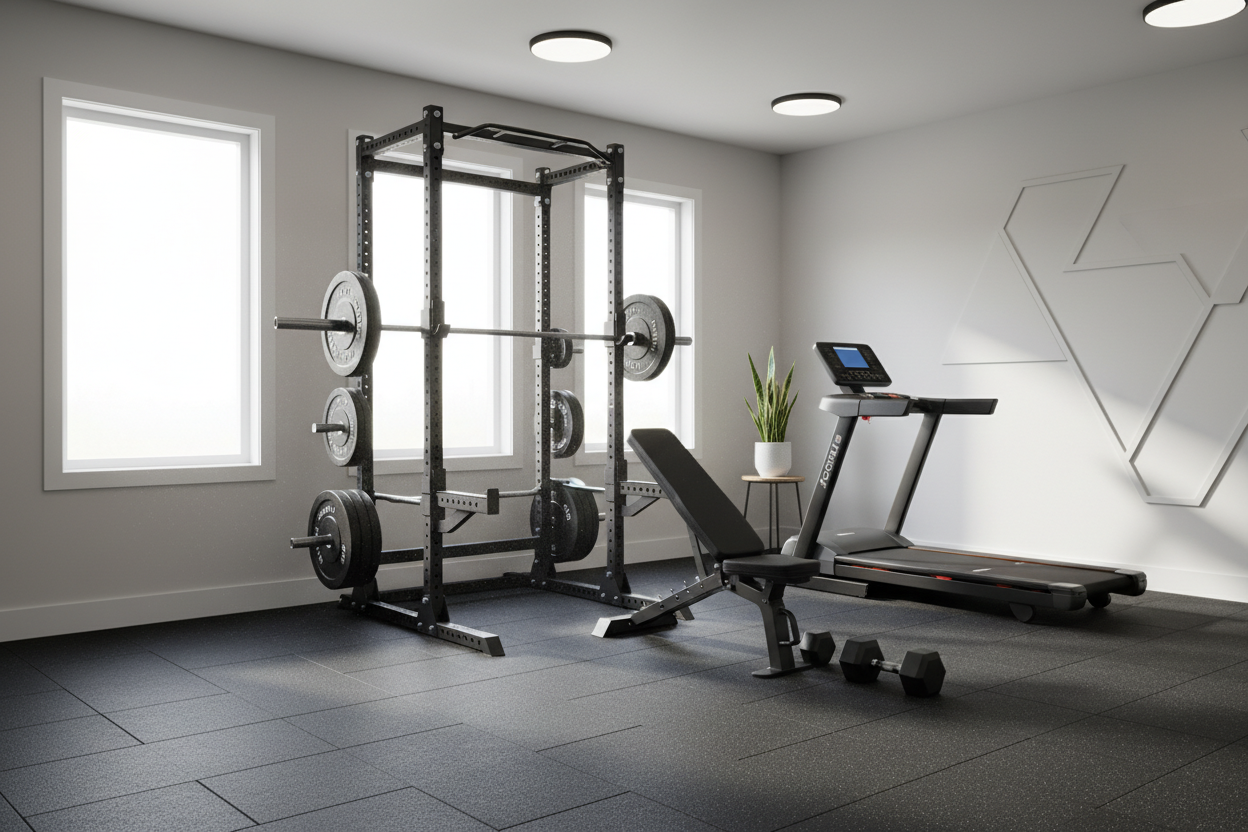
You need to move big weight early in the session. I’m talking about compound movements—squats, deadlifts, and presses. These involve multiple joints and the most muscle mass. If you're training at home, you need gear that won't crack your garage floor when you set it down. I've personally used Gxmmat Bumper Plate Sets for exactly this—they have that dead bounce you want for heavy deadlifts, and the 450mm standard diameter keeps the bar at the right height for a proper setup.
Starting with the heavy stuff ensures your CNS is fresh. If you wait until the end of the session to squat, your form will be garbage, and your progress will stall. Put your ego in your gym bag and focus on the big lifts while you have the most mental and physical energy.
The Accessory Work (Where You Get the Pump)
Once the heavy lifting is done, it's time for the 'fun' stuff. This is where we structure the women's weights workout routine to target specific muscles like the shoulders, glutes, or triceps for hypertrophy (muscle growth) and joint stability. This is the back half of your workout where higher reps (10-15) are actually useful.
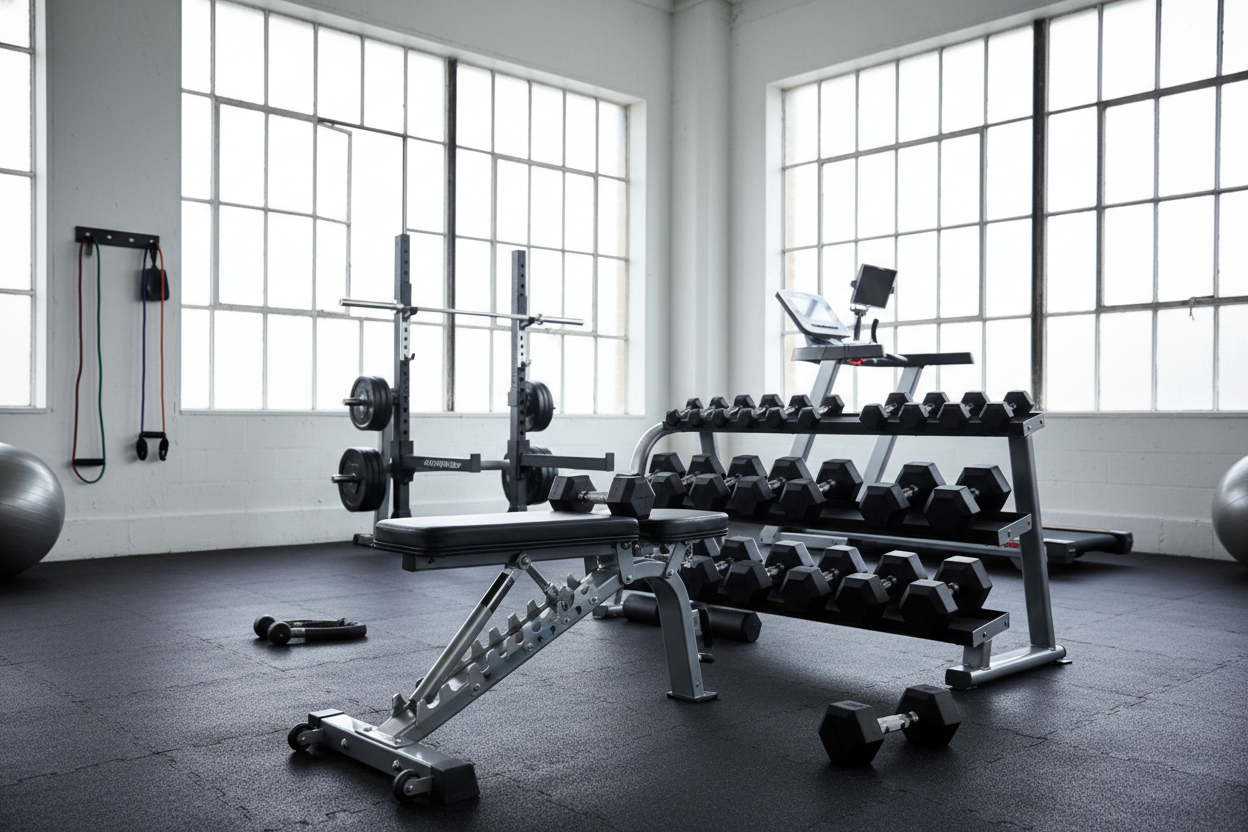
I usually park myself on a Gxmmat Adjustable Weight Bench for this part. It’s solid enough that it doesn't wobble when I'm doing incline dumbbell presses or chest-supported rows. This is where you chase the pump and build the aesthetics. Don't overcomplicate it—pick two or three movements that complement your big lift of the day and get to work.
Building Your 3-Day Framework
Here is a women's workout plan with weights that actually works. It's a three-day full-body split. Day 1: Back Squat (3x5), Overhead Press (3x8), Lat Pulldowns (3x10). Day 2: Deadlift (1x5), Bench Press (3x5), Lunges (3x12). Day 3: Goblet Squat (3x10), Rows (3x8), Romanian Deadlift (3x10).
It sounds simple because it is. You do this for 12 weeks. You add 2.5 to 5 pounds to the bar every week. That’s it. No fancy 'finisher' movements, no jumping jacks between sets. Just raw, repeatable work. The recovery days between sessions are just as important as the lifting days—that's when the muscle actually repairs and grows.
How to Tell if Your New Setup is Working
How do you know if this gym routine women follow is working? Look at your logbook. If you're lifting more today than you were three weeks ago, you're winning. Stop looking in the mirror every morning; lighting and salt intake lie to you. The iron doesn't lie. If the numbers are going up, your body is changing.
Leave your ego at the door. Remember that the best gym workout to gain muscle starts with the lightest weights. Don't be afraid to start with an empty bar or 5-pound plates to get the movement pattern perfect. I've seen too many people try to max out on day one only to end up with a tweaked lower back and a two-week forced vacation from the gym. Slow and steady progress is the only kind that lasts.
FAQ
Will lifting heavy make me bulky?
No. Most women don't have the testosterone levels to 'accidentally' look like a bodybuilder. It takes years of dedicated eating and specific training to get that size. Lifting heavy just makes you look 'toned,' which is really just having muscle and lower body fat.
Can I do cardio on my off days?
Sure, but don't let it kill your lifting energy. A 30-minute walk or light cycle is great for recovery. If you're running marathons on your off days, don't be surprised when your squat numbers start to tank.
What if I miss a workout?
Just pick up where you left off. Don't try to 'make up' for it by doing a double session the next day. Consistency is about the long game, not a single 24-hour window.