The Joint Flexibility Exercises That Actually Fixed My Squat
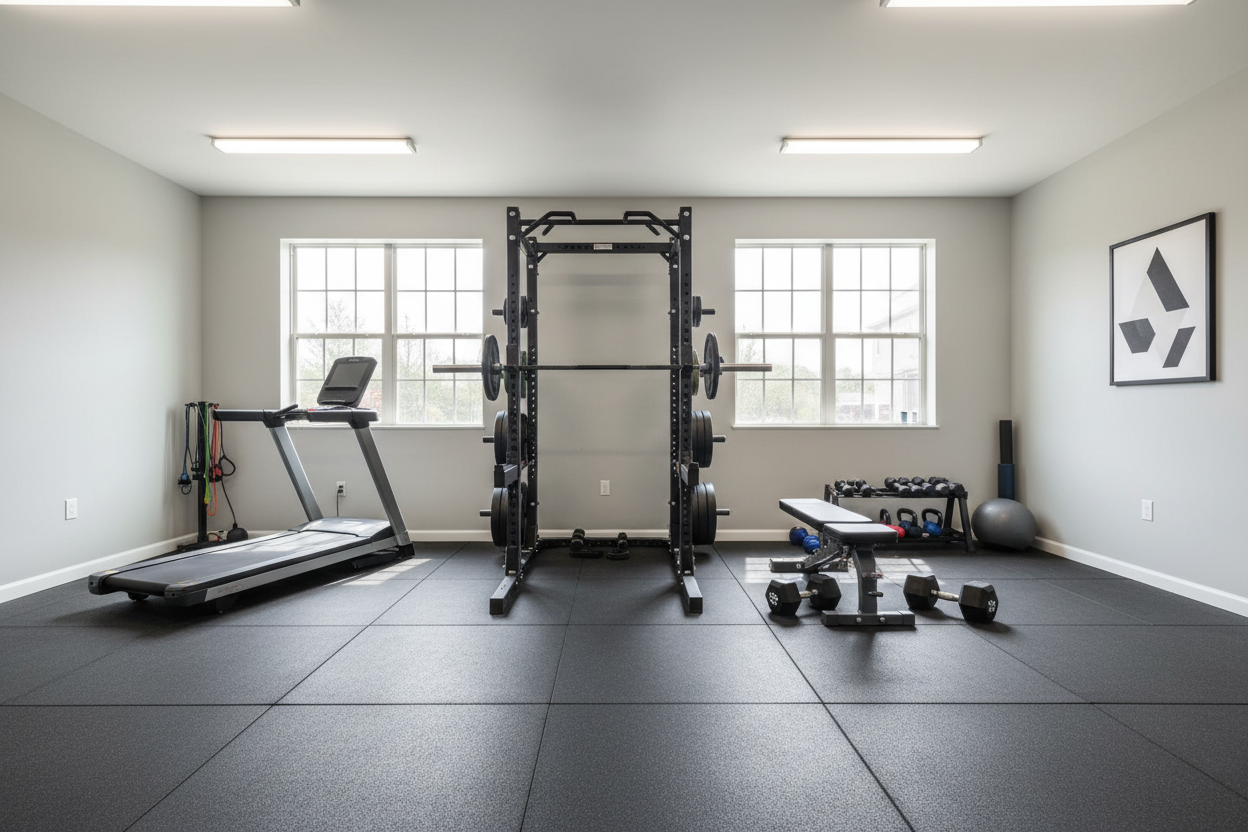
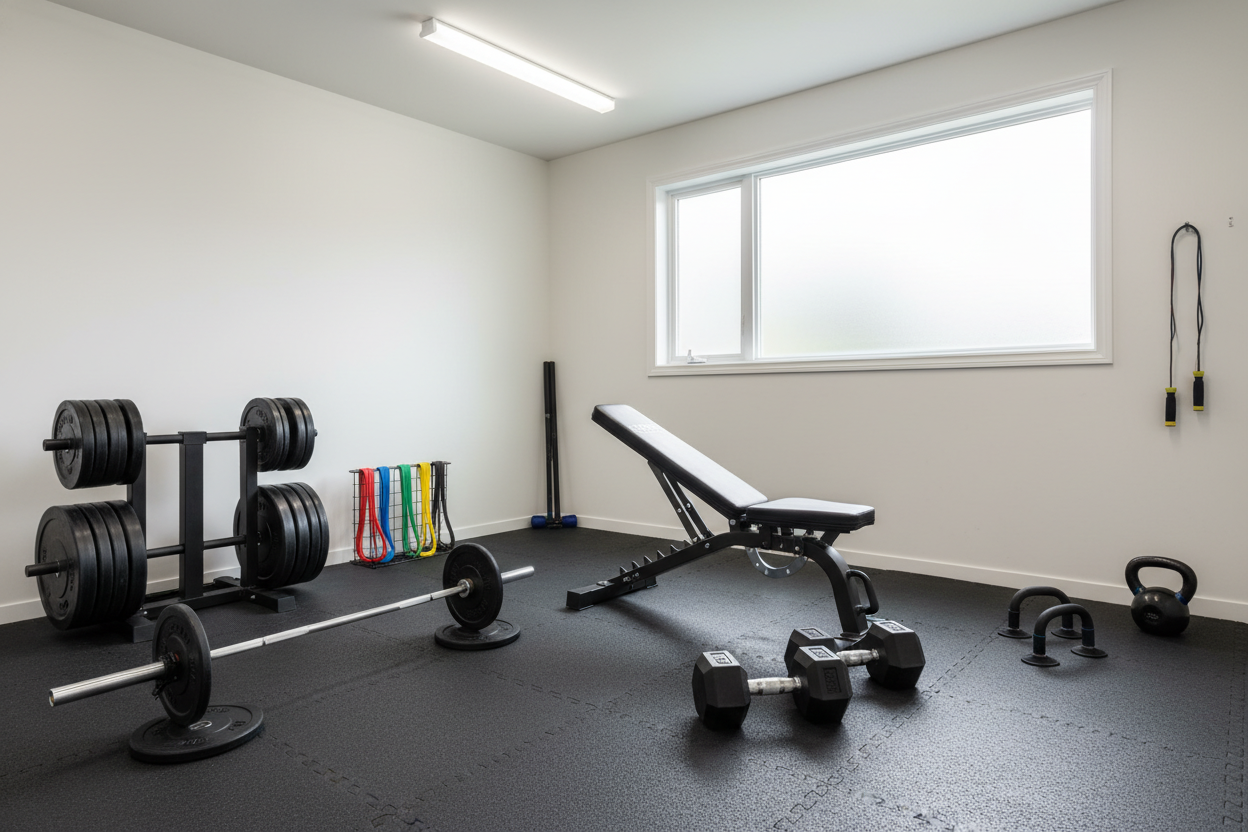
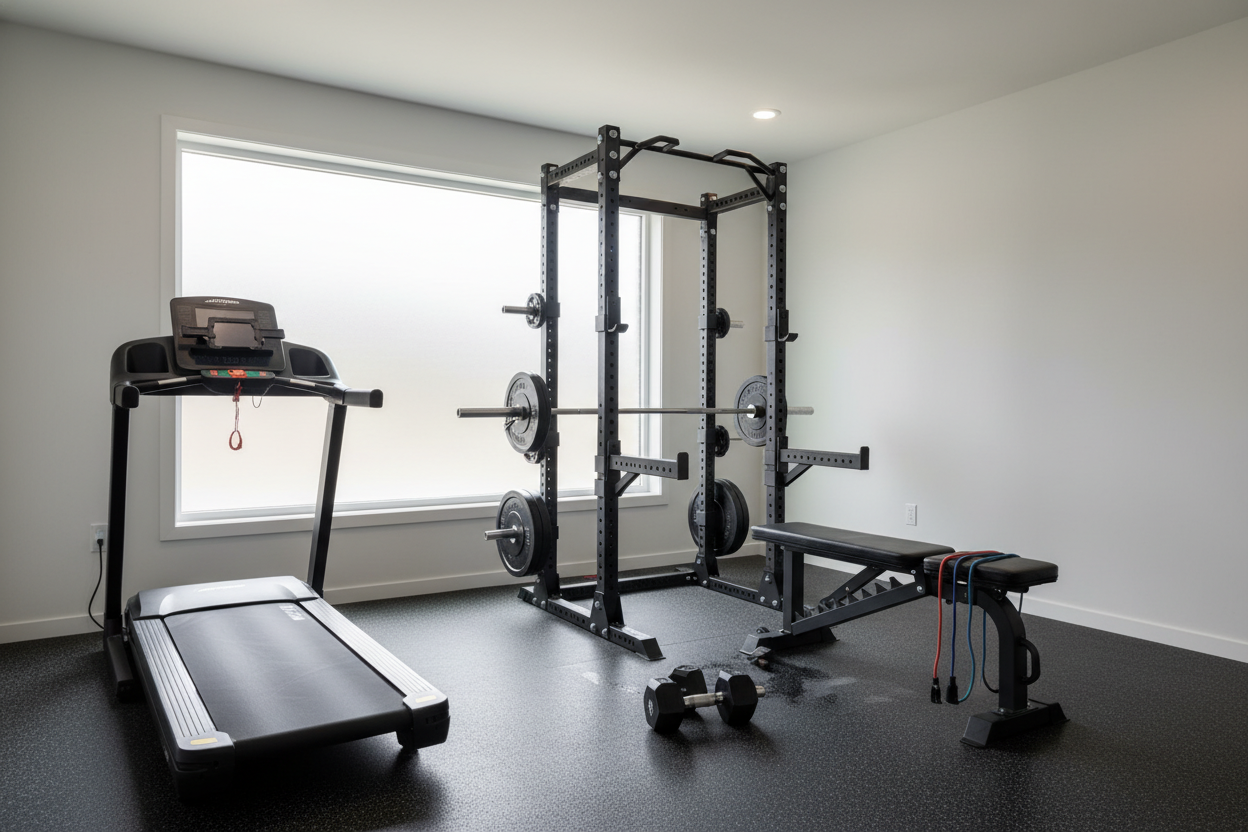
I remember hitting my garage gym at 6 AM last winter, loaded up a modest 225 lbs on the bar, and felt like my hips were made of rusted rebar. I’d spent twenty minutes yanking on my hamstrings and calves, but my squat depth still looked like a powerlifter with a bad attitude and two knee replacements. I realized then what most lifters miss: I wasn't just tight; I was jammed. To get deep without that biting pinch in the hip crease, you need specific joint flexibility exercises that target the capsule, not just the muscle belly.
- Static stretching often fails because the restriction is inside the joint capsule, not the muscle.
- Banded distractions create the physical space needed for the femur to move freely.
- Loading the bottom of a squat with a kettlebell helps 'reset' your nervous system's depth limit.
- Consistency on rest days is better than a 30-minute panic-stretch before a heavy session.
You're Pulling on Muscles When the Joint Is the Problem
Most people treat their bodies like a collection of rubber bands. If a muscle feels tight, they pull on it. But if you have a bone-on-bone sensation at the bottom of a squat, no amount of hamstring stretching will fix it. That is a joint capsule issue. The capsule is a thick, fibrous sleeve surrounding the joint, and when it gets 'tight' or shifted, it physically blocks your range of motion.
Think of it like a door hinge that’s slightly out of alignment. You can sand down the wood of the door (the muscle) all day, but if the hinge is crooked, the door still won't close. I learned this the hard way after years of useless yoga poses that did zero for my squat depth. It turns out, the same mechanical principles apply to the upper body; I had to use similar flexibility exercises for shoulders to finally hit a decent overhead press without my ribs flaring out.
To truly improve joint flexibility, you have to use techniques that create 'distraction'—a fancy word for pulling the joint surfaces slightly apart. This allows the synovial fluid to do its job and gives the head of the femur room to glide instead of crashing into the acetabulum.
The 3 Joint Flexibility Exercises That Un-Stuck My Hips
I stopped doing generic 'stretches' and started doing 'mobilizations.' The difference is active vs. passive. These three drills are my non-negotiables. They don't require much—just a solid rack, a heavy band, and a bit of floor space.
1. Banded Hip Distractions (The Plunger Method)
This is the holy grail for anyone who feels a 'pinch' in the front of their hip. Loop a heavy resistance band (I use a 1.75-inch wide monster band) around the base of your power rack. Step into it and bring the band all the way up to your hip crease. Walk out until the tension is high—like it's trying to pull your leg off.
Drop into a lunging position with the banded leg back. As the band pulls your femur forward or laterally (depending on the angle), it creates space in the rear of the joint capsule. I usually spend two minutes per side here, oscillating my hips back and forth. It feels like someone finally put grease on a rusty axle.
2. Goblet Squat Pries (Making Depth Comfortable)
I don't care how much you squat; grab a 24kg or 32kg kettlebell for this. The weight acts as a counterbalance, allowing you to sit deeper than you could with just bodyweight. Sink into the bottom of your squat and use your elbows to 'pry' your knees apart.
The goal isn't just to sit there. You want to shift your weight from side to side, loading one ankle and then the other. This lubricates the hip and ankle joints under load. If you’re using a cheap, slippery dumbbell, be careful—I prefer a powder-coated kettlebell for the grip. This drill taught my brain that the bottom of a squat is a safe place to be, not a place to panic.
3. 90/90 Hip Switches (Finding Your Rotational Limits)
If you can't rotate your hips, you can't squat deep. Period. Sit on the floor with your front leg at a 90-degree angle and your back leg at a 90-degree angle. Try to keep your torso upright without leaning on your hands. Now, without moving your feet, rotate your knees to the other side.
Most lifters realize they have zero internal rotation here. It’s humbling. This drill forces the femur to rotate within the socket, clearing out the 'junk' that causes that bottom-position sticking point. I do 10 slow, controlled switches every single morning.
Stop Bruising Your Knees on Your Garage Floor
Here is a piece of hard-won advice: your nervous system will not let your joints relax if you are in pain. I spent months trying to do 90/90 switches and banded lunges on bare stall mats or concrete. My knees were constantly bruised, and because of that, my muscles stayed guarded.
I eventually cleared out a corner of my gym for a large 6x8ft exercise mat. Having that extra 7mm of high-density foam made a massive difference. When you aren't worried about your kneecap grinding into the floor, you can actually sink into the distraction and let the joint capsule open up. If you're doing floor-based mobility work, stop being a martyr and get some padding.
When to Mobilize vs. When to Lift
Don't make the mistake of doing 30 minutes of deep, aggressive joint distraction immediately before you try to squat a new 1RM. Too much distraction can make the joint feel 'loose' and unstable. I use these exercises as a quick primer—maybe 30 seconds per side—just to wake things up before a workout.
The real 'remodeling' of the tissue happens on your off days. I've found it's much more effective to improve flexibility on my rest days when I can spend 5-10 minutes in a single position. This allows the connective tissue to actually adapt without the immediate stress of a heavy barbell on my back. Treat your mobility like your lifting: it needs its own programming, its own space, and the right equipment.
FAQ
How do I know if my hip tightness is a joint or a muscle?
If you feel a sharp 'pinch' in the front of the hip at the bottom of a squat, it's usually a joint capsule or impingement issue. If you feel a 'pull' or tension in the back of the leg, that's likely the muscle belly.
Can I use a light band for distractions?
Not really. The hip is the strongest joint in the body. You need a heavy-duty band that can actually provide enough force to move the femur. A thin 'therapy' band won't do anything for a joint capsule.
How often should I do these exercises?
For the best results, do the 90/90 switches daily. Save the heavy banded distractions for 2-3 times a week, preferably on rest days or after your main lifting sessions.