The 5 Cheap Weight Training Supplies I Use Every Day
I remember scrolling through my feed and seeing a 'smart' jump rope that cost $120. It tracks your jumps and syncs to an app, but at the end of the day, it's just a piece of plastic. I've spent thousands building my garage gym, and the stuff that gets the most abuse isn't the high-tech gear; it's the weight training supplies that cost less than a tub of pre-workout.
Quick Takeaways
- Liquid chalk is a must-have for home gyms to keep the dust down.
- Fractional plates (0.5lb and 1lb) are the only way to sustain long-term progress on overhead lifts.
- Aluminum barbell collars are worth the $10 upgrade over plastic ones.
- Figure-8 straps are superior for heavy pulls if you don't care about your grip failing first.
The Trap of Flashy Fitness Gadgets
Beginners often get suckered into buying 'massage guns' and infrared wraps before they even own a decent set of plates. You see these flashy weight lifting products all over social media promising 'optimized recovery' through some proprietary vibration technology. In reality, a $10 lacrosse ball and a consistent sleep schedule do more for your muscles than a vibrating plastic hammer.
I've seen guys drop $400 on recovery boots while they're still lifting on a floor that isn't level. The industry wants you to think you can buy your way out of the hard work. They sell you gadgets that collect dust in the corner of your gym while the basic, unglamorous tools are what actually move the needle on your squat numbers.
The Un-Sexy Essentials You Actually Need
Let's talk about the un-sexy weight supplies that actually matter for your daily sessions. First, get a pair of aluminum barbell collars. The plastic snap-on ones are fine for a while, but they eventually lose their tension or the pin snaps when you drop a heavy set of cleans. Aluminum ones stay tight for years.
Second, buy a set of 1.25-lb fractional plates. If you're trying to add 5 lbs to your overhead press every week, you're going to hit a wall fast. Dropping to 2.5-lb total jumps keeps the progress moving without blowing out your central nervous system. These small tweaks fit into your broader strength and weight training equipment strategy by ensuring you aren't failing reps due to ego-driven loading increments.
Supportive Gear That Actually Helps (And What Doesn't)
I'm a huge fan of figure-8 straps. They're some of the best strength training accessories because they lock you into the bar so you can focus entirely on your posterior chain rather than your grip failing at rep five. They are much faster to set up than traditional lasso straps and they don't fray as easily under high tension.
I also swear by basic 7mm neoprene knee sleeves. You don't need the $100 'competition grade' ones unless you're actually on a platform. Basic sleeves keep the joints warm, which is vital if you're training in a cold garage in the winter. Having this supportive gear makes following a structured weight lifting training guide much safer because you aren't compensating for joint stiffness or a weak grip when the percentages get heavy.
Don't Compensate for a Bad Foundation
You can buy all the 'tactical' gym bags and specialized grip tapes you want, but they won't fix a shaky foundation. I once tried to save $100 by buying a cheap, bolt-together bench from a big-box store. It wobbled every time I went over 225 lbs on the bench press. It was distracting and, frankly, dangerous.
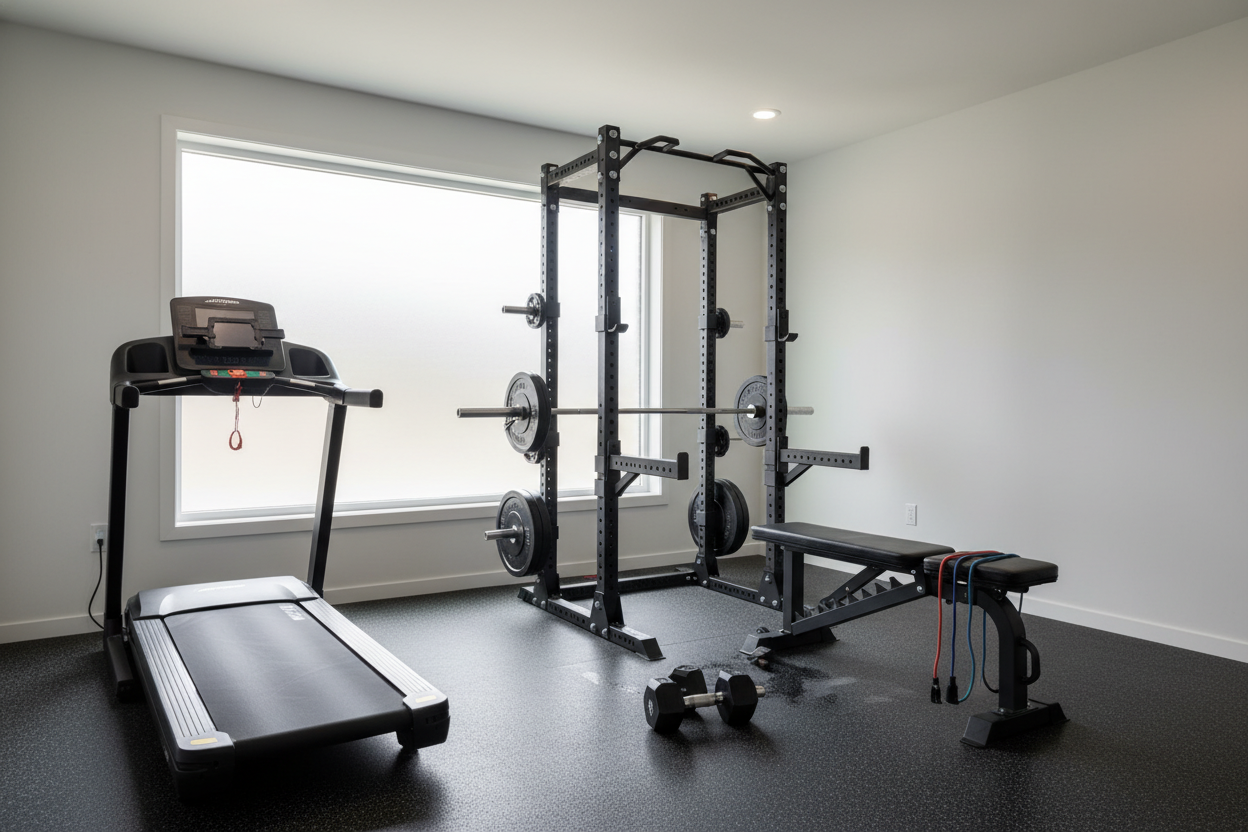
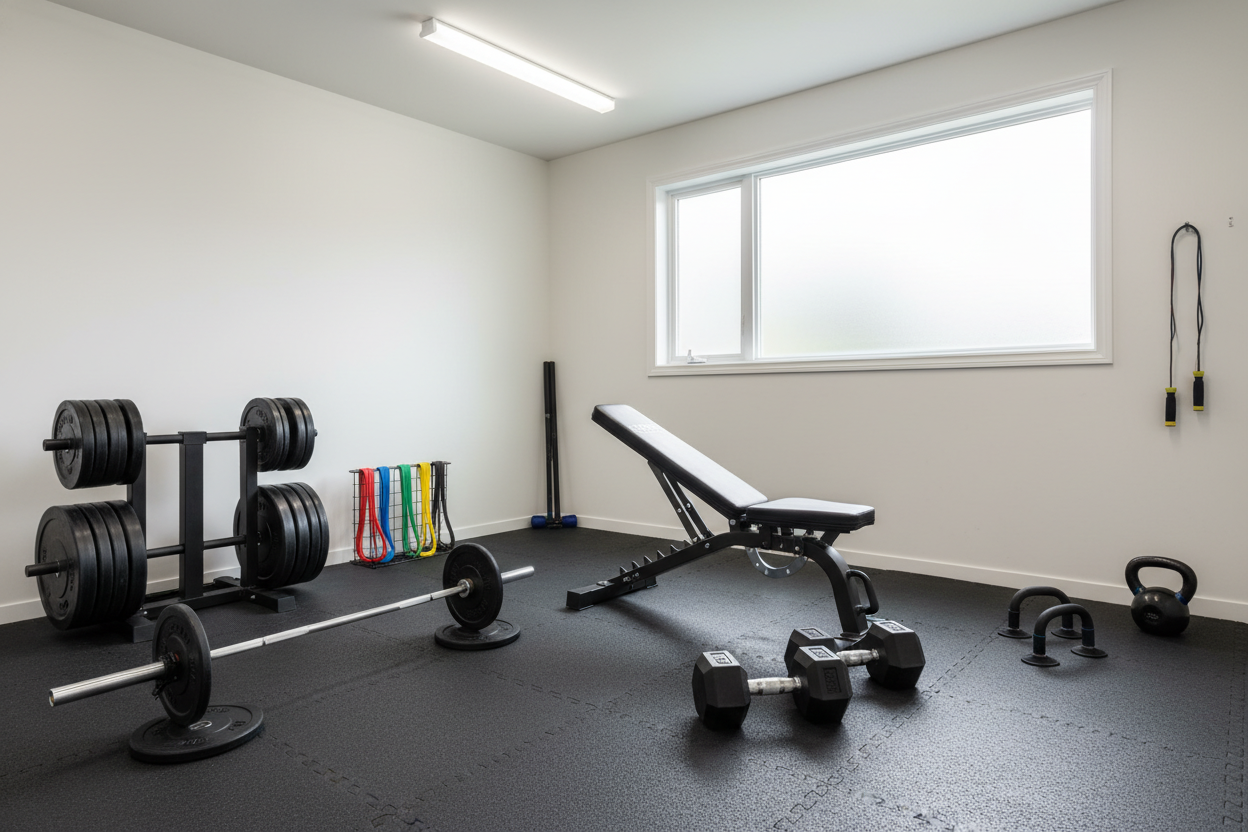
No amount of fancy wrist wraps or expensive shoes could fix the fact that I felt like I was going to tip over mid-set. If you're serious about your home setup, invest in a sturdy adjustable weight bench before you start worrying about the small accessories. A solid base allows your accessories to do their job rather than trying to mask a piece of equipment that's failing you.
Personal Experience: The $300 Dust Collector
I once bought a 'compression recovery system' for $300 because a pro athlete endorsed it. It was basically a glorified blood pressure cuff for my legs. It sat in the corner gathering dust for six months while I reached for my $15 foam roller every single day. I eventually sold it for half what I paid. Now, I stick to the basics: chalk, straps, and good iron. If it has a battery, it's probably overpriced and destined for the trash.
FAQ
Do I really need fractional plates?
Yes. Adding 5 lbs to a 100-lb press is a 5% jump. That's huge. Adding 1 lb or 2 lbs allows you to keep adding weight to the bar every single week for months longer than you could with standard plates.
Is liquid chalk better than block chalk?
For a home gym, absolutely. Block chalk creates a fine dust that gets into your electronics, your water bottle, and your lungs. Liquid chalk stays on your hands and wipes off the bar easily.
Should I wear a lifting belt for every set?
No. Save the belt for your heavy working sets, usually anything over 80% of your max. You want your core to learn how to stabilize itself during your warm-ups and lighter volume work.