The Iron Sanctuary: Why Your Garage is the Best Gym Membership You’ll Ever Own
There is a specific kind of freedom that comes from lifting weights ten feet away from where you park your lawnmower. For years, I subscribed to the commercial gym model. I paid the monthly fees, drove twenty minutes in traffic, waited for the squat rack while someone scrolled through Instagram, and wiped down benches that were suspiciously warm. It wasn't until I cleared out a corner of my own space and installed my first piece of real equipment that I understood the appeal of the home gym. It isn't just about convenience; it is about total control over your environment.
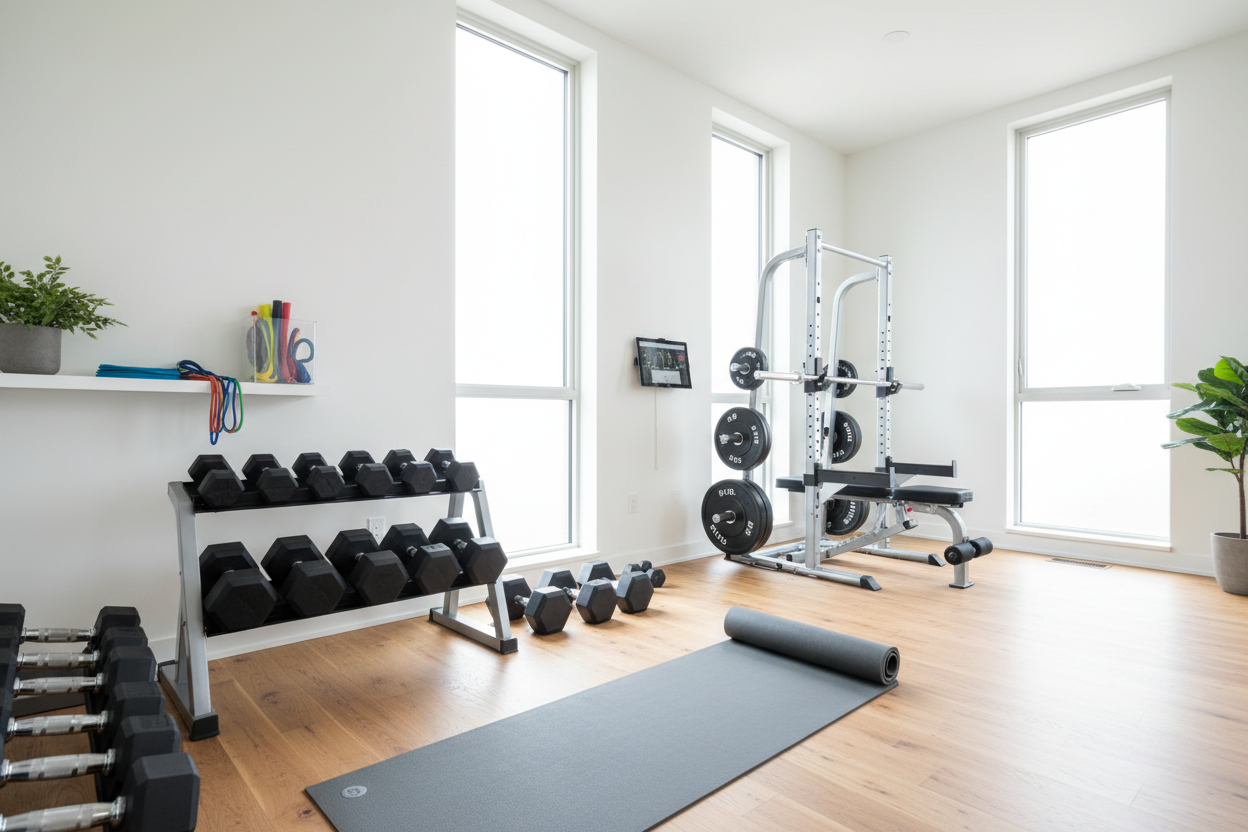
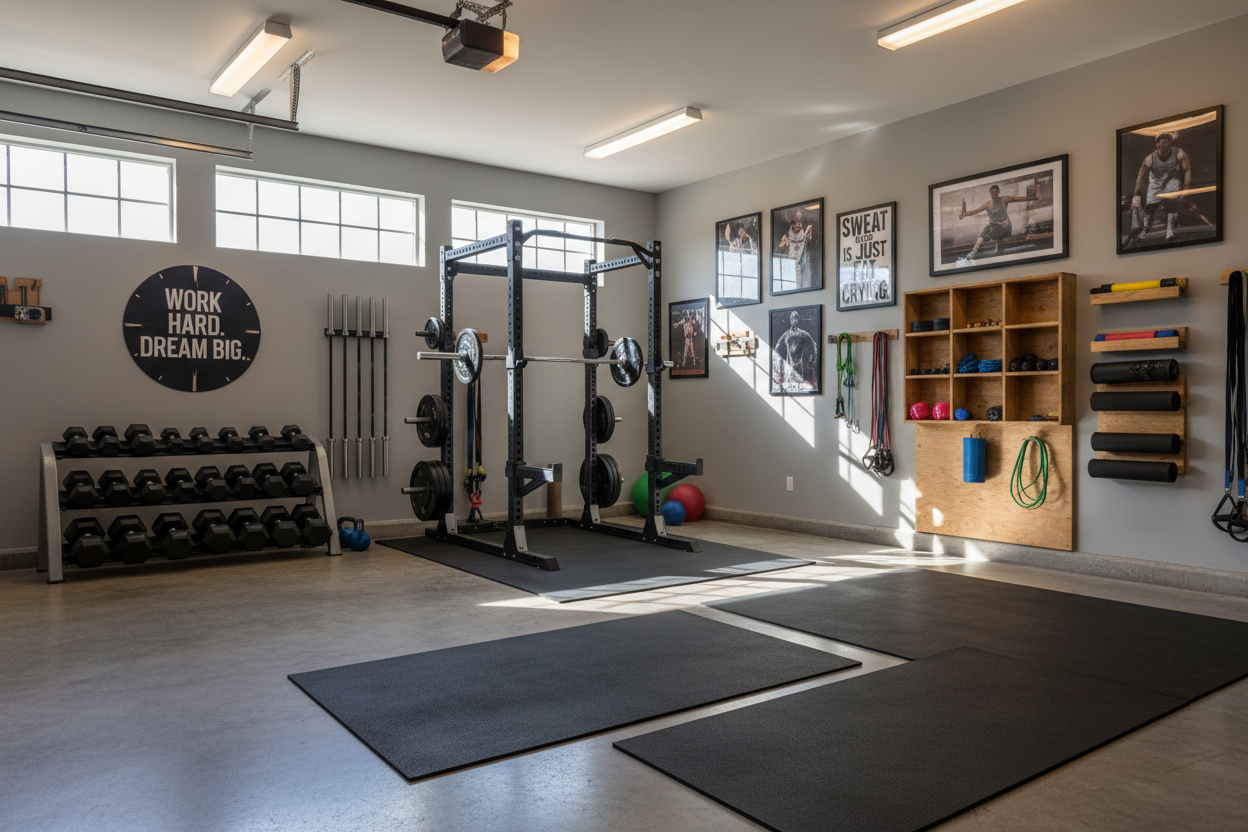
Building a gym at home usually starts with a single, critical decision: the rack. While dumbbells and kettlebells are great for accessory work, you cannot safely push heavy compound movements—squats, bench presses, overhead presses—without a solid anchor point. This is where the search for weight racks for garage setups begins. Unlike a basement or a spare bedroom, the garage offers a unique set of challenges and advantages that dictate exactly what kind of equipment you should buy.
The Centerpiece of the Home Gym
If you treat your garage gym like a solar system, the rack is the sun. Everything else orbits around it. When I bought my first rack, I made the mistake of looking strictly at the price tag. I picked up a flimsy, independent squat stand that wobbled every time I racked more than 200 pounds. It was terrifying. I spent more energy worrying about the equipment tipping over than I did on moving the weight.
I eventually sold that deathtrap and invested in a proper power cage. The difference was night and day. A high-quality rack gives you the confidence to fail. That sounds counterintuitive, but if you want to get stronger, you have to push your limits, and pushing limits means occasionally missing a lift. Safety spotter arms or straps are non-negotiable features. In a commercial gym, you can ask for a spot. In your garage, it’s just you and gravity.
Navigating Space and Height Restrictions
Garages are rarely perfectly square, empty boxes. They are filled with water heaters, storage bins, bicycles, and sometimes, actual cars. Space efficiency is the primary reason many people hesitate to pull the trigger on a home setup. Fortunately, the market for garage weight racks has evolved to address this specific pain point.
If you are parking a car in the garage every night, a full four-post power cage might eat up too much real estate. This is where wall-mounted folding racks shine. These units hinge outward when you need them and fold flat against the wall—protruding only a few inches—when you are done. I have helped a few friends install these, and the engineering is impressive. They are sturdy enough to handle 500+ pound squats but disappear when you need to pull the minivan in.
The Ceiling Height Factor
Before you click "buy" on that dream rig, look up. Garage ceilings are often lower than standard rooms, and the garage door rails add another layer of complexity. Standard power racks usually stand around 90 inches tall. If your ceiling is only eight feet high, you might be fine, but if you have a low-hanging garage door opener, you are going to have a bad time doing pull-ups.
Many manufacturers now offer "short" versions of their popular weight racks for garage owners. These usually stand between 70 and 80 inches. You lose a bit of headroom for overhead presses inside the cage, but you gain the ability to actually fit the equipment in the room. Always measure your ceiling height at the lowest point where the rack will sit, not the highest point in the room.
Fighting the Elements
Unless your garage is climate-controlled, your equipment is going to live in the wild. Humidity, temperature fluctuations, and dust are enemies of steel. I learned this the hard way during a particularly humid July. I walked out to lift and found a thin layer of orange surface rust blooming on my barbell and the uprights of my rack.
Commercial gyms don't have this problem because they have HVAC systems running 24/7. In a garage, you need to think about the finish of the steel. Raw steel looks rugged, but it requires constant oiling. Powder coating is the industry standard for a reason—it creates a barrier against moisture. However, pay attention to the hardware. Bolts and safety pins are often where the rust starts. A little 3-in-1 oil goes a long way in maintaining the longevity of garage weight racks.
The Versatility of the Setup
One aspect often overlooked is the expansion potential. A good rack isn't just for squats. With the right attachments, it replaces half the machines at the gym. Dip bars, landmine attachments, lat pulldown pulleys, and band pegs turn a simple steel cage into a comprehensive training center.
When selecting a rack, check the hole sizing and spacing. The "Westside" hole spacing (1-inch spacing through the bench zone) allows for precise adjustments so you aren't stuck with safety bars that are either too high (limiting your range of motion) or too low (crushing your chest). Standardizing on 2x3 or 3x3 inch steel uprights with 5/8-inch or 1-inch holes ensures you can buy attachments from different companies later on.
The Flooring Foundation
You cannot place a heavy steel rack directly on concrete. Well, you can, but you shouldn't. The vibration and impact will eventually crack the concrete or damage your equipment. Horse stall mats are the gold standard for garage gyms. They are thick rubber mats, usually 4x6 feet, sold at farm supply stores. They are significantly cheaper and more durable than the puzzle-piece foam tiles sold at sporting goods stores.
Building a platform or laying down mats defines the space. It separates the "gym" area from the "storage" area. It also provides a level of insulation against the cold concrete floor during winter months, which makes those early morning deadlifts slightly less miserable.
Investing in Yourself
The upfront cost of a rack, bar, and plates can induce sticker shock. It feels like a lot of money to drop all at once compared to a $50 monthly membership. But the math works out in your favor quickly. More importantly, the consistency creates results. There is no commute. The music is always your choice. The dress code is whatever you want. By installing the right equipment, you remove the friction between you and your workout. The garage door closes, the world shuts out, and the work begins.
Frequently Asked Questions
Do I need to bolt my rack to the garage floor?
For maximum safety, yes, especially if you are lifting heavy or doing kipping movements. However, many modern racks come with flat-footed bases that are stable enough for strict lifting without bolting. If you have a wall-mounted folding rack, securing the stringers to the wall studs is mandatory.
How much space do I actually need for a garage gym?
You need less than you think. A single car garage bay (roughly 10x20 feet) is luxurious, but you can get a full workout in a 10x10 space. The critical dimension is the width; you need at least 9 to 10 feet of width to load a 7-foot barbell comfortably without smashing your knuckles against the walls.
Will a garage rack rust in the winter?
Temperature drops alone don't cause rust, but condensation does. When a cold barbell meets warm, humid air (like when a sudden warm front hits after a freeze), condensation forms. Keep your metal oiled and consider running a dehumidifier if you live in a damp climate.