The Hidden Reason Dumbbells Cost So Much (And How to Pay Less)
I remember the first time I tried to fill out a full run of weights for my garage. I walked into a local sporting goods shop thinking I'd spend a couple hundred bucks and walk out with a complete set. I left empty-handed and genuinely annoyed. It turns out that dumbbells cost significantly more than the raw materials might suggest, and if you don't know the math, you're going to get fleeced.
Quick Takeaways
- Standard cast iron usually benchmarks at $1.00 to $1.50 per pound.
- Rubber hex dumbbells offer the best balance of durability and floor protection.
- Shipping is the 'invisible' cost that often doubles your total at checkout.
- Used markets are the only way to consistently find weights under $0.80 per pound.
The Iron Tax: Why Outfitting a Gym Feels Like a Mortgage
The sticker shock is real. When you first decide to purchase dumbbells, you're likely looking at a price tag that rivals a decent used mountain bike. Most people ask me, 'how much does dumbbell cost on average?' and the answer is usually 'more than you want to pay.' In the current market, a pair of 50-pounders can easily set you back $130 to $150 once taxes and shipping are factored in.
The reason for this 'iron tax' isn't just greed. Iron is heavy, obviously, and moving heavy things from a foundry in China to a warehouse in the States, and finally to your doorstep, is an expensive logistical nightmare. You aren't just paying for the metal; you're paying for the fuel, the freight, and the delivery driver's lower back health.
Breaking Down the Math: What Should the Price of a Dumbbell Be?
To avoid getting ripped off, you have to think in 'price per pound.' This is the industry standard. For basic, old-school cast iron, you should aim for $1.25 per pound or less. If you see dumbbells prices climbing toward $2.50 per pound for standard iron, keep walking. You're being overcharged for a brand name.
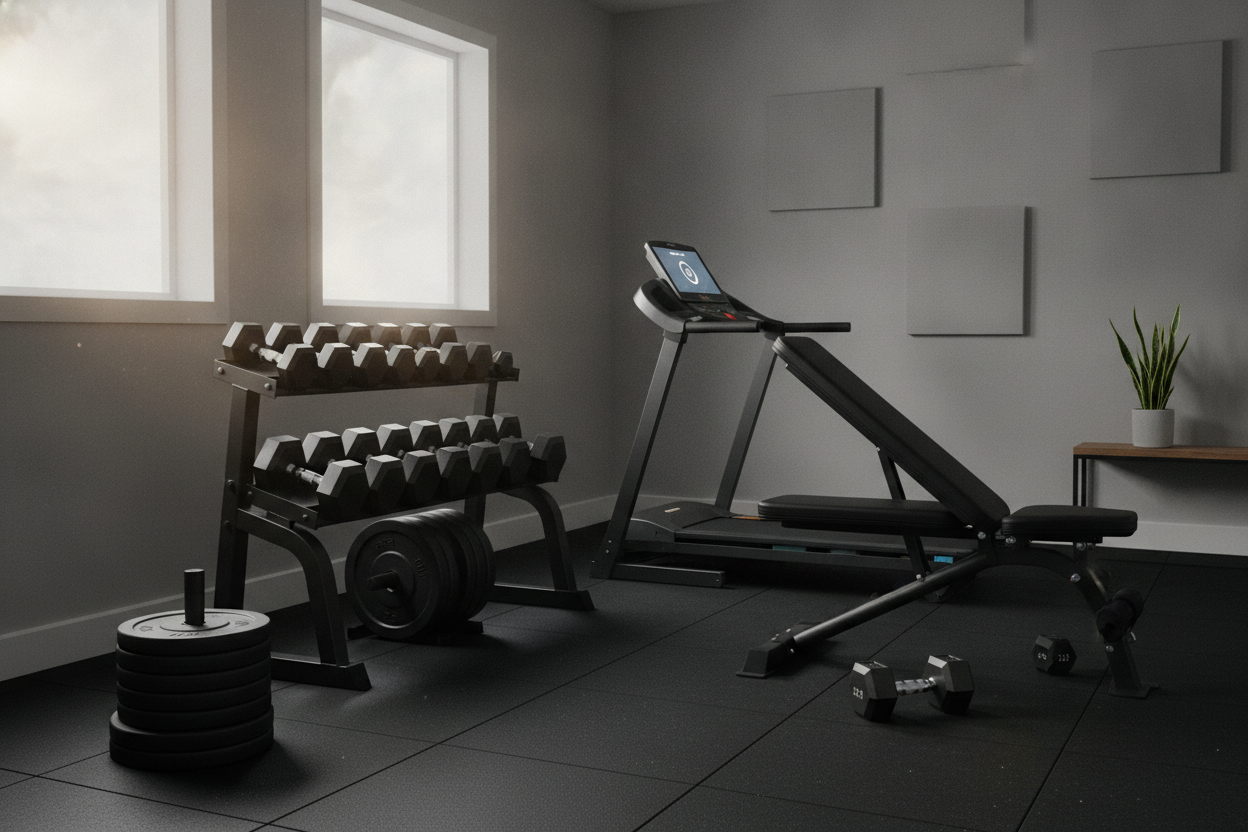
The price of a dumbbell jumps significantly when you add features. Rubber-encased hex heads are the gold standard for home gyms because they don't roll away and they won't crack your concrete if you drop them. Expect to pay a $0.30 to $0.50 premium per pound for that coating. If you're looking at urethane—the shiny, round weights you see in high-end clubs—the price of dumbbells can skyrocket to $3.00 or $4.00 per pound. Unless you're running a commercial facility, urethane is a waste of your money.
The Retail Trap: What Happens at a Big-Box Dumbbell Store
Walking into a local dumbbell store or a general sports retailer is the most expensive way to buy iron. These places have massive overhead. They have to pay for the lights, the staff, and the floor space that these heavy racks take up. To compensate, they bake the shipping costs directly into the shelf price.
You might think you're getting a deal because you're 'saving' on shipping, but check the per-pound rate. Often, buying online from a specialized equipment manufacturer—even with a shipping fee—ends up being cheaper than the 'convenience tax' at the mall. Retailers also love to sell 'sets' that include weights you'll never use, like 3-lb or 8-lb pairs, just to inflate the total piece count and price.
Used Iron vs. Waiting for a Real Dumbbell Weight Sale
The best way to beat the system is the used market. Iron doesn't expire. A 40-pound dumbbell from 1984 still weighs 40 pounds today, even if it has a little surface rust. I check Facebook Marketplace and Craigslist daily. If you can find someone moving house who just wants the 'heavy junk' gone, you can often snag weights for $0.50 per pound.
If you prefer new gear, wait for a legitimate dumbbell weight sale. Most major manufacturers run deep discounts around Black Friday or the New Year. Just be careful: some brands raise their MSRP in October just so they can claim a '50% off' discount in November. Look at the final price per pound, not the percentage off. If the final price is under a buck a pound for hex weights, pull the trigger.
Maximizing Your Budget With the Right Setup
If your budget is tight, don't buy a full run of weights. Buy a few key pairs—maybe 15s, 30s, and 50s—and put the money you saved into your foundation. I'd much rather see you use slightly uglier weights on a stable Gxmmat adjustable weight bench than have a pretty set of chrome dumbbells and a bench that feels like it's going to collapse during a chest press. A solid bench allows you to actually move heavy weight safely.
Once you have your core weights and a bench, you can effectively build a stronger chest at home with dumbbell and weight workouts without needing a $50-a-month commercial membership. Focus on the big movements: presses, rows, and lunges. The iron doesn't need to be pretty; it just needs to be heavy.
Personal Experience: My $200 Mistake
When I started, I bought a set of 'vinyl-coated' cement dumbbells because they were dirt cheap. Within a month, the plastic casing on the 25-pounder cracked, and gray sand started leaking all over my gym floor. It was a mess. I ended up throwing them away and buying real iron. My mistake cost me $60 and a lot of cleaning time. Buy iron or rubber-encased steel once, and you'll never have to buy it again.
Frequently Asked Questions
Are adjustable dumbbells cheaper than a full set?
Usually, yes. A pair of high-quality adjustables that go up to 50 lbs might cost $400, whereas a full set of fixed dumbbells from 5 to 50 lbs can cost over $1,000. You save money and floor space, though you lose the ability to do 'drop sets' quickly.
Why is shipping so expensive for dumbbells?
Because they are 'dead weight.' They take up very little space but hit the weight limits of delivery trucks quickly. Most carriers charge a 'heavy package' surcharge for anything over 50 lbs.
Does rust affect the weight of a dumbbell?
Technically, yes, but not in a way you'll ever notice. You'd need a massive amount of oxidation to change a 50-lb weight by even an ounce. A wire brush and a can of $5 spray paint will make old rusty weights look brand new.