The Garage Gym Trap: Why Lifting Daily Ruins How You Boost Muscle
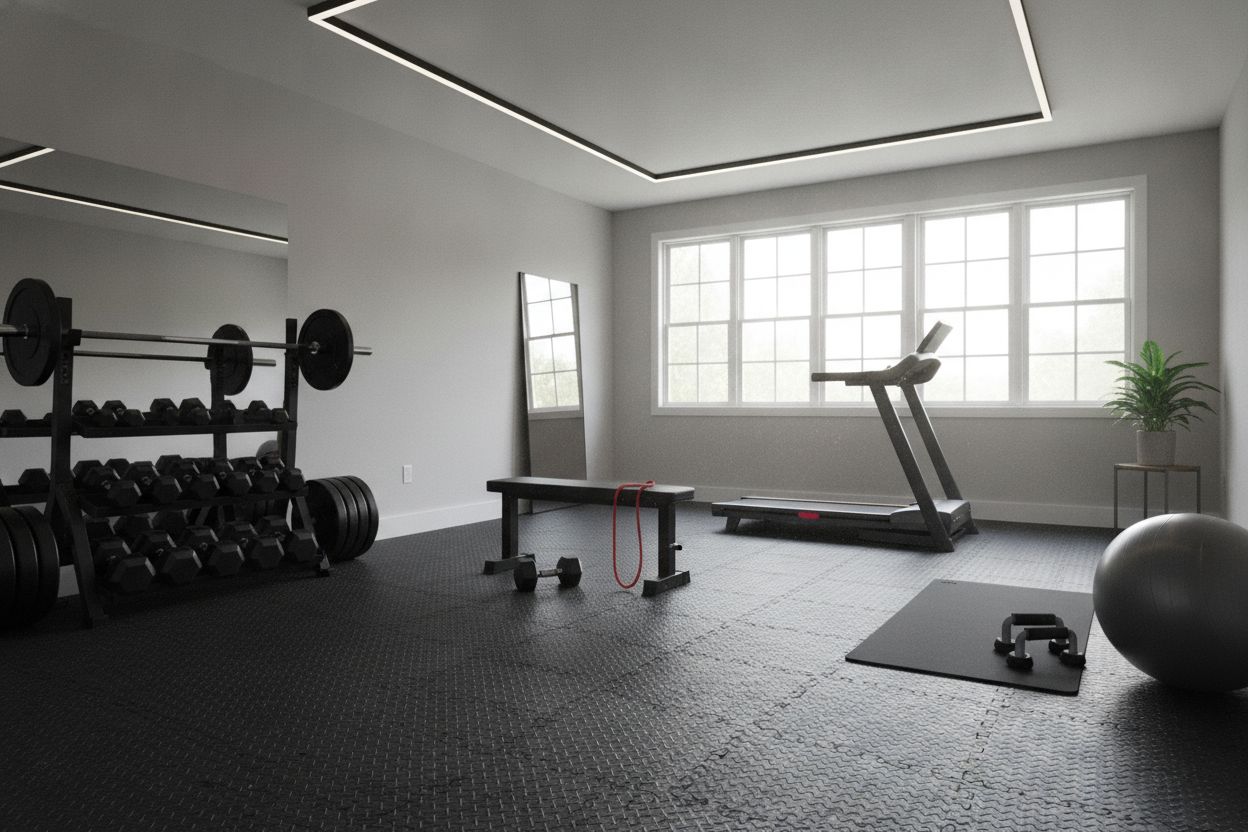
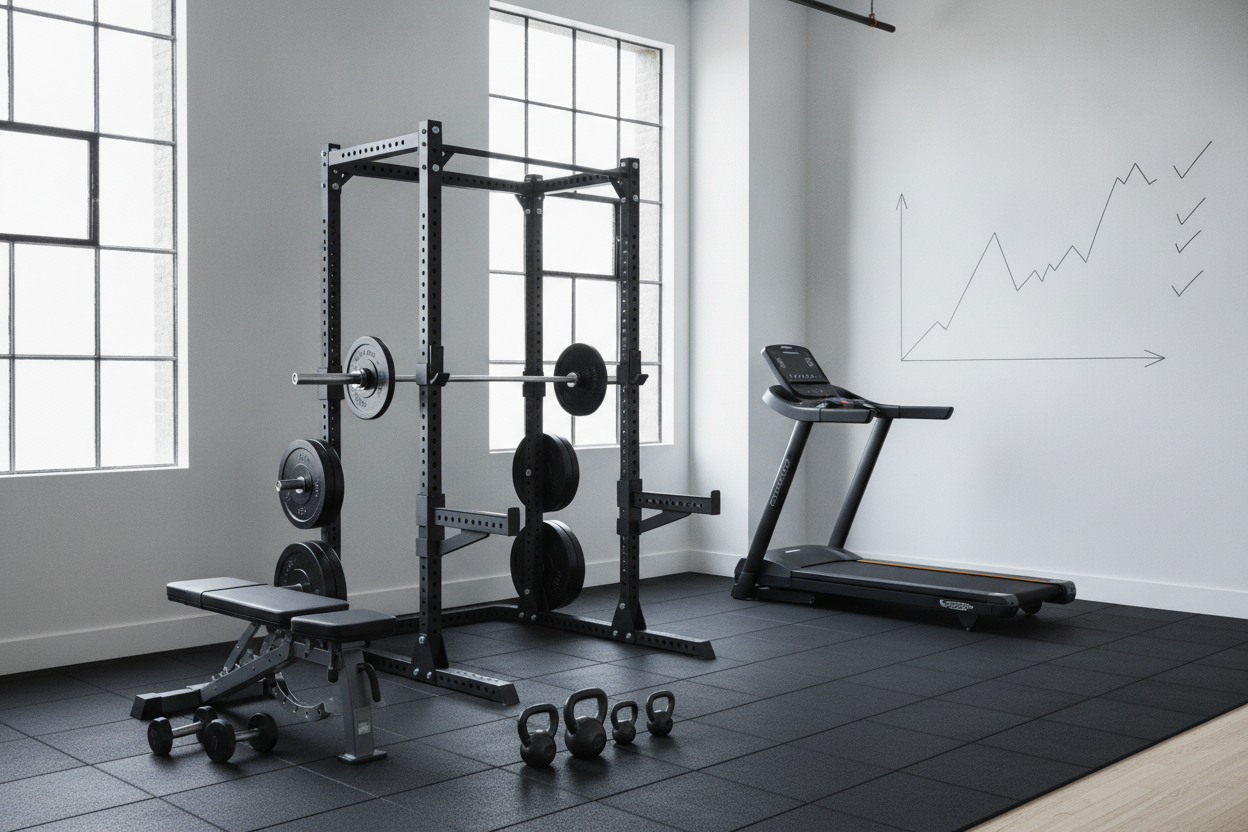
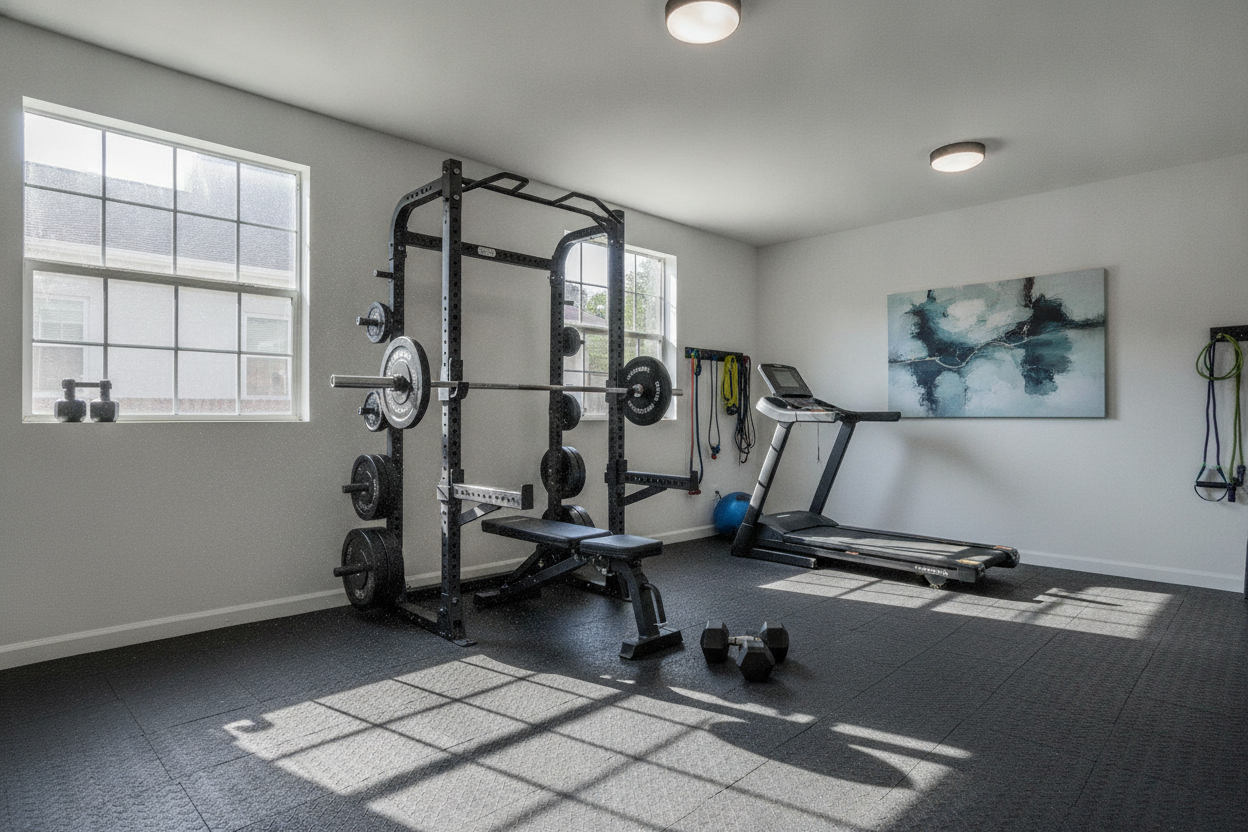
I remember the day my power rack finally arrived. I bolted that 11-gauge steel into the concrete, loaded up my first set of 45s, and felt like I’d never have an excuse to miss a session again. But that's exactly where the problem starts. When your gym is twenty feet from your bed, the temptation to 'just do a few sets' every single morning is overwhelming. If you want to boost muscle, that lack of discipline is your biggest enemy.
Quick Takeaways
- Muscle grows during recovery, not while you are holding a barbell.
- Daily training often leads to junk volume and CNS burnout.
- Three high-intensity sessions beat six mediocre ones every time.
- A dedicated recovery space is as vital as your squat rack.
- The 'always-on' garage gym mindset is a fast track to a plateau.
The 'Always-On' Temptation of a Home Setup
The convenience of a home setup is a double-edged sword. When I had to drive twenty minutes to a commercial gym, I was surgical with my time. Now? I find myself wandering into the garage in my pajamas just to see if I can hit a PR at 10:00 PM. This proximity makes it incredibly easy to fall into the trap of high-frequency, low-quality training.
You start thinking that the key to building muscle is just more work. You see the dumbbells sitting there while you're taking out the trash and figure a few sets of lateral raises can't hurt. But those 'extra' sets add up, preventing your nervous system from ever fully resetting. You end up in a state of perpetual soreness that feels like progress but is actually just stagnation.
Why Doing Less Is Actually How to Build Size
Biology doesn't care about your hustle culture. When you're under the bar, you are creating micro-tears and systemic fatigue. You only actually build your muscles when you're sleeping or eating. If you never give your body a 48-hour window of zero load, you're just spinning your wheels on a platform that costs too much money to be ignored.
Central Nervous System (CNS) fatigue is real. If your grip strength is failing or your 'easy' warm-up sets feel like lead, you've overstayed your welcome in the garage. You can build real muscle in your living room or garage with surprisingly low frequency, provided the intensity is high enough to trigger an adaptation. Understanding how to build size requires respecting the physiology of repair as much as the physics of the lift.
How to Grow the Muscles Without Living on Your Mats
If you want to know how to grow the muscles, you need to treat your recovery days with the same intensity as your leg days. This doesn't mean sitting on the couch for 24 hours straight. It means active recovery—mobility work, foam rolling, and dedicated floor time that doesn't involve a heavy load on your spine.
I eventually learned to clear out a dedicated corner for 'non-lifting' activities. Spreading out some extra wide exercise mats changed my entire approach. Having a 7x10 foot space where I’m not worried about hitting a rack or tripping over a plate allows for the kind of deep stretching and decompression that keeps you injury-free. If you're only training on hard rubber horse stall mats, your joints are going to pay the price eventually.
A 3-Day Protocol to Realistically Boost Muscle
I switched from a 'bro-split' to a three-day full-body or heavy Push/Pull/Legs rotation, and my strength exploded. Instead of hitting chest three times a week with 50% effort, I hit it once with 100% intensity. This gives my body four full days of growth every week. It sounds counterintuitive, but for a natural lifter in a home gym, it’s the gold standard.
On my 'on' days, I don't hold back. When I get to the lower body portion of the split, I dive deep into the science of leg hypertrophy to ensure every rep is hitting the target. I’ll do one top set of squats to failure, then move on. Because I know I’m not squatting again for several days, I can give that single set everything I have. This high-intensity, low-frequency approach is the most efficient way I've found to boost muscle without burning out.
My Personal Lesson in Overtraining
Two years ago, I tried a 'Squat Every Day' program because I had just bought a high-end barbell and wanted to use it. By day 20, my knees felt like they were filled with crushed glass and my morning heart rate was ten beats higher than normal. I was 'working out' more than ever, but I actually lost five pounds of lean mass because I was catabolic. I had the best equipment in the world, but I was using it to tear myself down faster than I could rebuild. I had to lock the garage for a full week just to find my baseline again.
FAQ
Is training 3 days a week enough for advanced lifters?
Yes, if the intensity is high. Most people plateau because they do too much 'okay' work instead of a small amount of 'great' work. If you're truly hitting failure, three days is plenty.
Should I do cardio on my off days?
Low-impact steady-state cardio (like a 30-minute walk) is great for blood flow and recovery. Just avoid high-impact sprints that tax the same energy systems as your lifting.
How do I know if I'm overtraining?
Watch for poor sleep, persistent joint pain, and a lack of 'pop' in your lifts. If 135 lbs feels heavy during your warm-up, you probably need a rest day.