The Favorite Exercise Trap: Finding What Works at Home
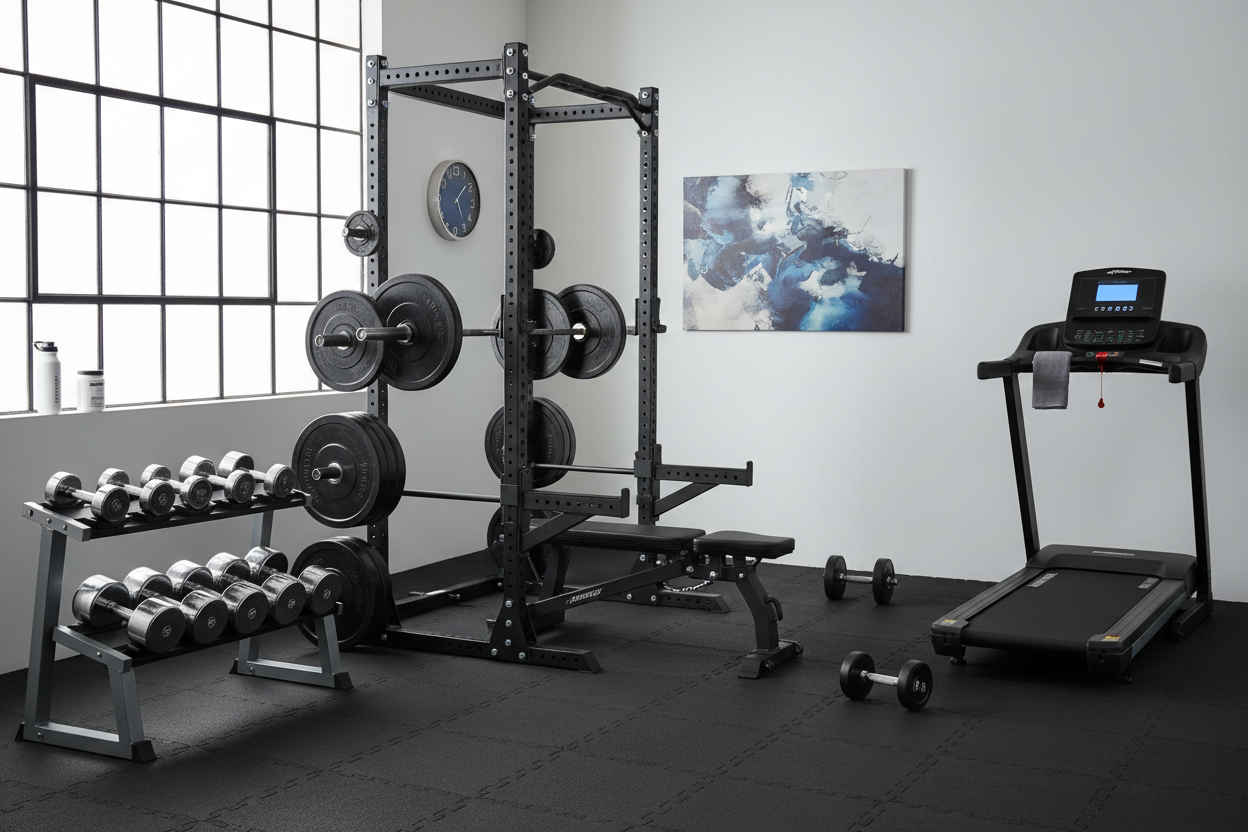
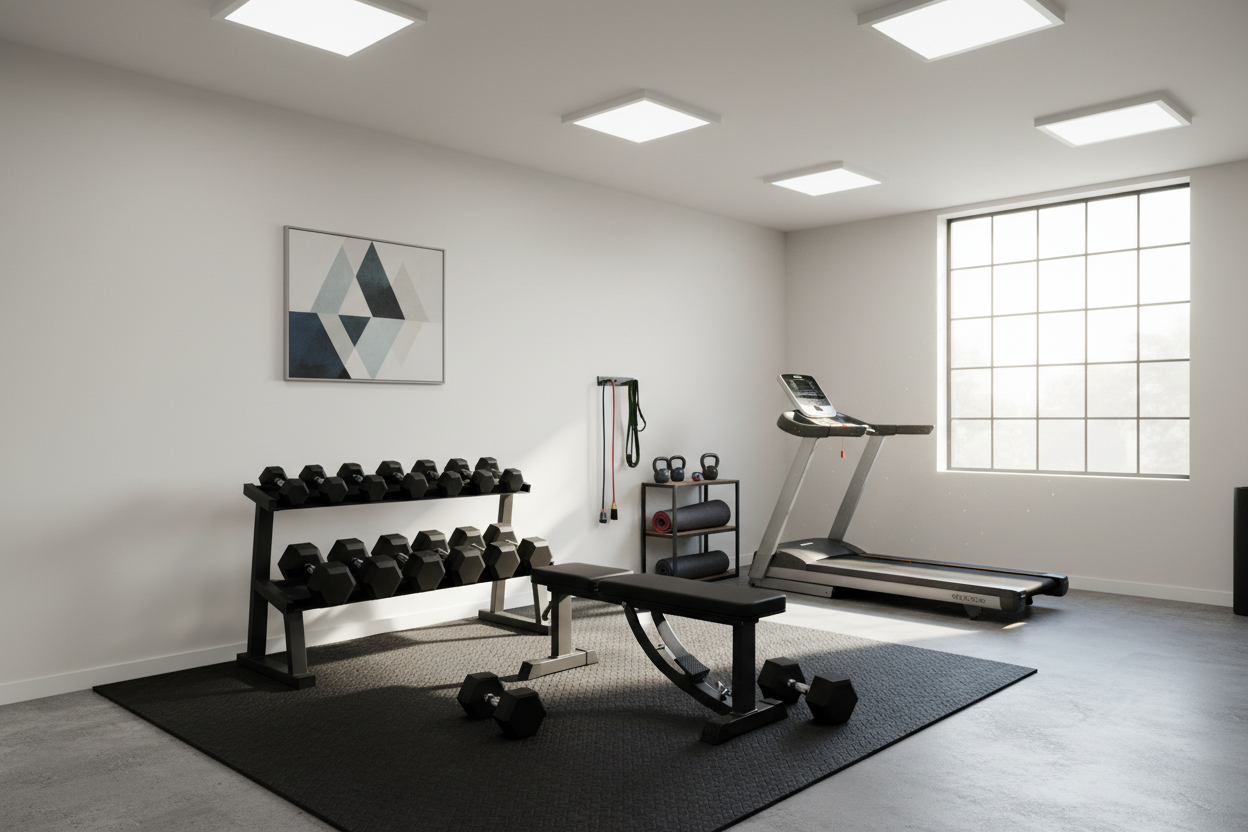
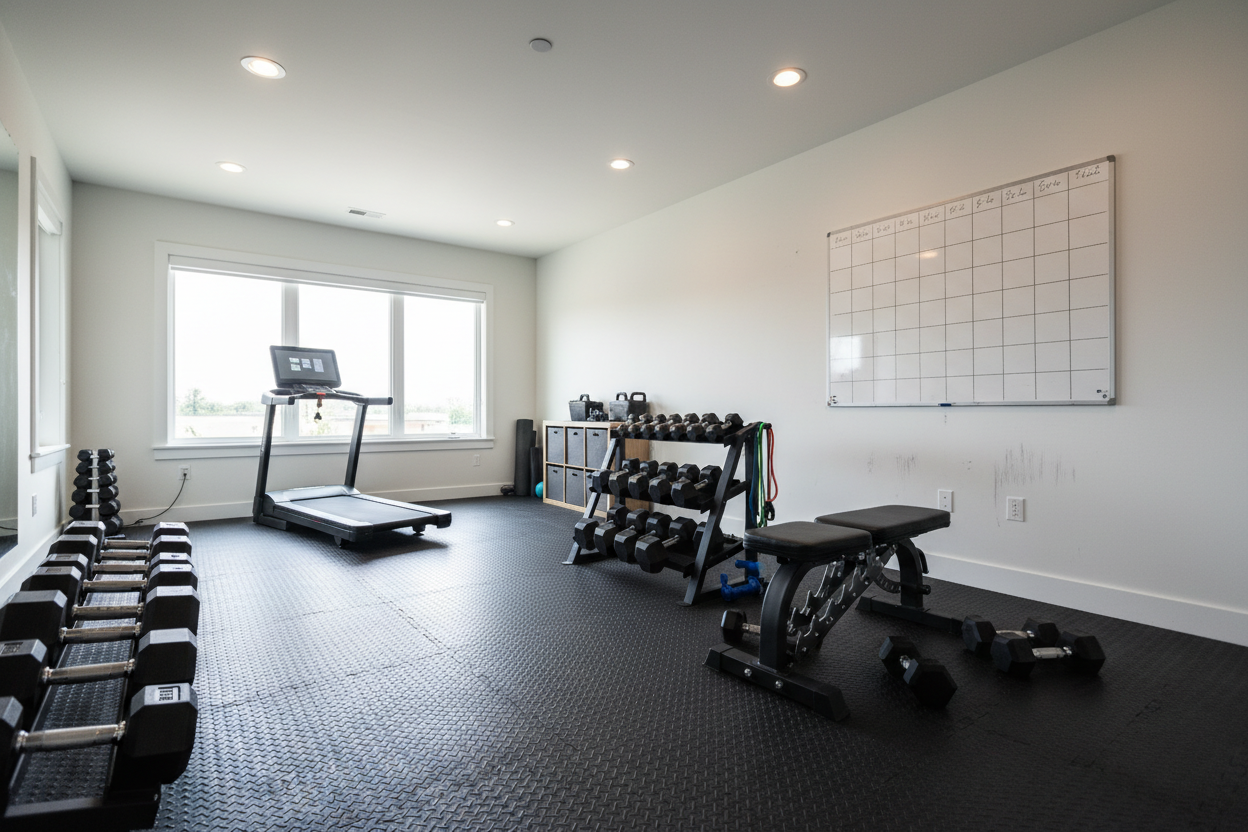
I remember standing in a client's cramped 8x10 spare bedroom, trying to design a program around a folding bench and a pair of 5-to-52.5 lb adjustable dial dumbbells. He pulled out his phone, showed me a video of a fitness influencer performing a bizarre behind-the-back cable lateral raise, and asked if that should be his favorite exercise too.
This happens every week. People want a magic bullet. They want to know the single best movement that will fix their posture, build muscle, and burn fat in a 20-minute window before the kids wake up. But blindly copying someone else's top pick usually leads to frustration, stalled progress, or a tweaked lower back.
Quick Takeaways
- Your bone structure and limb length dictate your ideal movements, not social media trends.
- Home gym limitations mean you have to adapt exercises to the equipment you actually own.
- A movement is only effective if you feel the target muscle working without joint pain.
- Building a routine around fundamental patterns guarantees balanced development.
The Myth of the Universal Best Movement
Clients constantly ask me for my top exercise recommendation. It is a natural question. When you are tight on time and working out in a garage where the temperature swings wildly depending on the season, you want maximum efficiency. You do not want to waste energy on useless movements.
The problem is that a one-size-fits-all approach completely fails in a home gym environment. What works perfectly for a 22-year-old fitness model in a commercial facility with specialized machines will likely feel terrible when you try to replicate it with a set of resistance bands anchored to a hollow bedroom door.
Your body is unique. The length of your femurs relative to your torso changes how you squat. Your shoulder mobility dictates how you press overhead. When you chase a universal standard, you ignore the specific mechanical realities of your own body. The goal is not to find the best movement in the world. The goal is to find the best movement for you, right now, with the gear you have.
Why Copying My Favorite Exercise Will Hold You Back
If you asked me what my personal top movement is, I would tell you it is the barbell front squat. I love the upper back engagement and the deep quad stretch. But if I program heavy barbell front squats for a client with a history of wrist impingement and a home gym that only has an adjustable bench and some kettlebells, I am setting them up for failure.
Biomechanical differences play a massive role in exercise selection. A person with long legs and a short torso will almost always end up doing a good morning when they try to back squat, shifting the load entirely to their lower back. If they force the movement just because a trainer said it was mandatory, they will eventually get hurt.
I learned this the hard way when I tested a highly-rated 10-to-40 lb adjustable kettlebell for my own garage gym. The shifting internal plates made the weight distribution incredibly awkward during snatches. While the bell saved space, the handle was too thick for my grip, and the uneven load tweaked my forearm. My honest downside for that specific gear? It forced me to alter my mechanics just to hold the weight safely. If I had forced my clients to use it simply because it was popular online, their progress would have tanked.
Equipment limitations require smart workarounds. You cannot force a barbell exercise onto a dumbbell setup without changing the mechanics. Copying an influencer's routine without matching their equipment or body type is a recipe for disaster.
How to Discover Your Personal List of Good Exercises
Instead of relying on external validation, you need to become a student of your own body. This means testing movements and grading them based on how they feel, not how they look. You are essentially auditioning exercises for a spot in your routine.
If you are relatively new to working out at home, I highly recommend checking out a basic beginner's home blueprint before you start experimenting with complex variations. Master the foundations first. Once you have a handle on the basics, you can start swapping movements in and out to build your personalized list of good exercises.
Start by picking a target muscle group. Let us say you want to work your chest. You might test standard push-ups, dumbbell floor presses, and incline dumbbell presses. Perform two sets of 10 to 15 reps for each variation. Pay close attention to what happens during the set and immediately after.
Does the movement feel stable? Do you feel a deep stretch in the target muscle? Can you push close to failure without feeling sketchy in your joints? If the answer is yes, that exercise makes the cut. If it feels awkward, requires excessive setup, or causes sharp discomfort, throw it out. There are always alternatives.
The Joint-Friendly Diagnostic Test
Differentiating between good muscle fatigue and bad joint pain is a critical skill. Muscle fatigue feels like a deep burn or a heavy, dull ache in the belly of the muscle. It builds gradually as the set progresses and usually subsides a few minutes after you stop.
Joint pain is entirely different. It is usually sharp, shooting, or pinching. It occurs directly inside the joint capsule, like the front of the shoulder, the kneecap, or the lower spine. If you feel a pinch in your shoulder during a dumbbell overhead press, stop immediately. Do not try to push through it. Drop the weight, adjust your elbow angle, and try again. If it still hurts, that movement fails the diagnostic test and gets removed from your roster.
The Equipment Match Assessment
You have to adapt standard movements to what you actually own. If a program calls for a cable triceps pushdown but you only have a set of loop resistance bands, you need to ensure the resistance profile matches the exercise.
Looping a band over a pull-up bar works, but bands get heavier as they stretch. This means the movement is hardest at the bottom and easiest at the top. To match the tension of a cable machine, you might need to step further away or pause for two seconds at the bottom of the rep to maximize time under tension. If an exercise requires more weight than your 50 lb dumbbells can provide, you will need to slow down the tempo or add a pause to make the lighter weight feel heavier.
Building Your Ultimate List of Best Exercises
Once you have auditioned various movements, it is time to organize them. The most effective way to structure a home routine is by categorizing your choices into fundamental movement patterns: Push, Pull, Hinge, Squat, and Carry.
By thinking in patterns rather than specific muscle groups, you ensure balanced development. A solid list of best exercises for your home setup might look like this: dumbbell floor presses for your Push, chest-supported dumbbell rows for your Pull, Romanian deadlifts for your Hinge, goblet squats for your Squat, and heavy farmer's walks for your Carry.
Focus heavily on compound movements that recruit multiple muscle groups at once. When you are training in a basement or a cramped living room, efficiency is everything. These high-yield exercises for body fitness offer the best return on investment for your time. You do not need 40 different exercises. You just need two or three highly effective variations for each fundamental pattern.
Conclusion: Consistency Beats the Perfect Movement
At the end of the day, sticking to a handful of exercises that feel genuinely good for your body will always outperform forcing yourself to do a highly-rated but painful movement. Your body responds to progressive overload and consistency, not novelty.
Stop stressing over finding the ultimate routine. Pick the variations that fit your equipment, respect your joints, and allow you to train hard safely. Put in the reps, add weight when you can, and watch the progress follow.
Frequently Asked Questions
How often should I change my exercises?
Stick with your selected movements for at least 6 to 8 weeks. Jumping between exercises every session prevents you from mastering the technique and progressively adding weight. Only swap a movement if it causes joint pain or you have completely stalled on progress for multiple weeks.
Can I build muscle with just dumbbells?
Absolutely. Adjustable dumbbells ranging up to 50 or 80 lbs are more than enough to build significant muscle at home. The key is to utilize slower tempos, pause reps, and push your sets close to muscular failure when the weight starts feeling light.
What if a highly recommended exercise hurts my back?
Never force a movement that causes pain. If conventional deadlifts hurt your lower back, switch to a trap bar deadlift, dumbbell Romanian deadlifts, or even a heavy glute bridge. There is no mandatory exercise. Swap it for a pain-free alternative that targets the same muscles.