The 'Do Some Light Cardio' NYT Clue Is Actually Terrible Advice
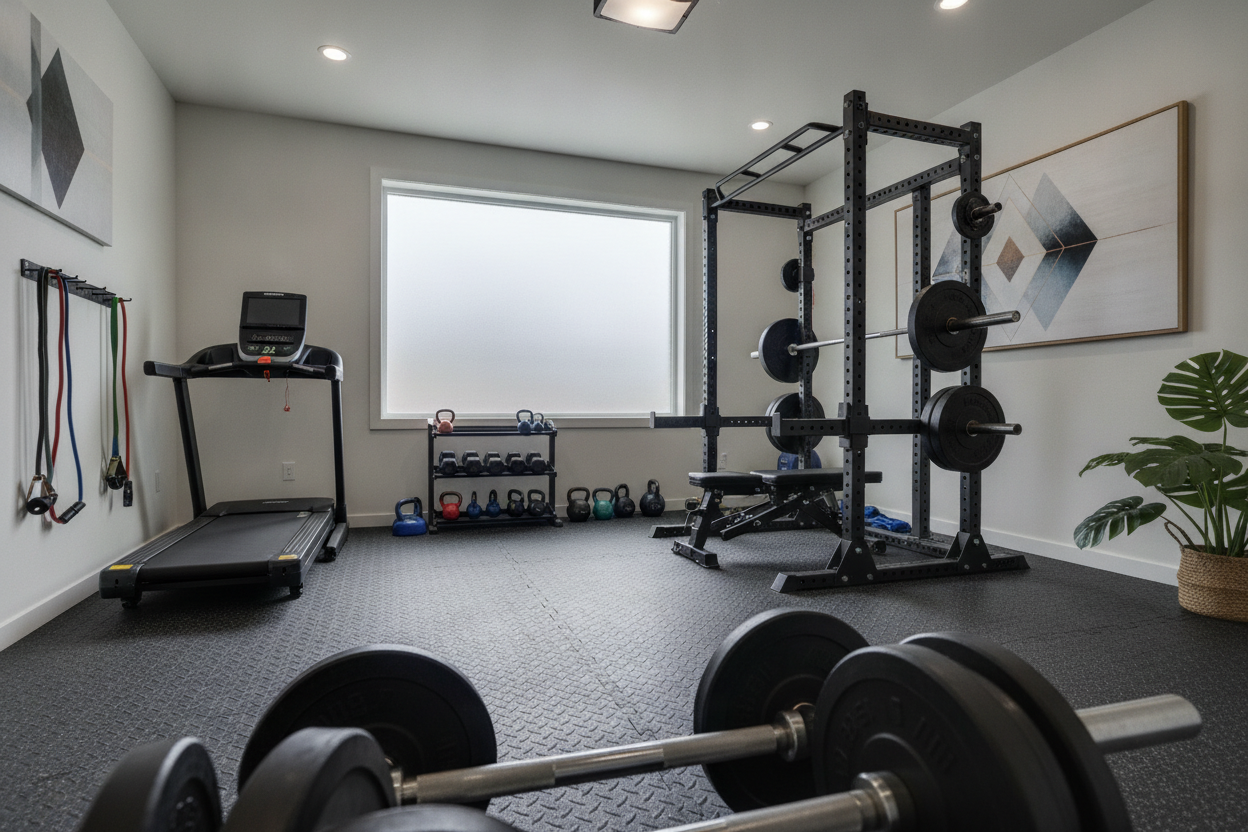
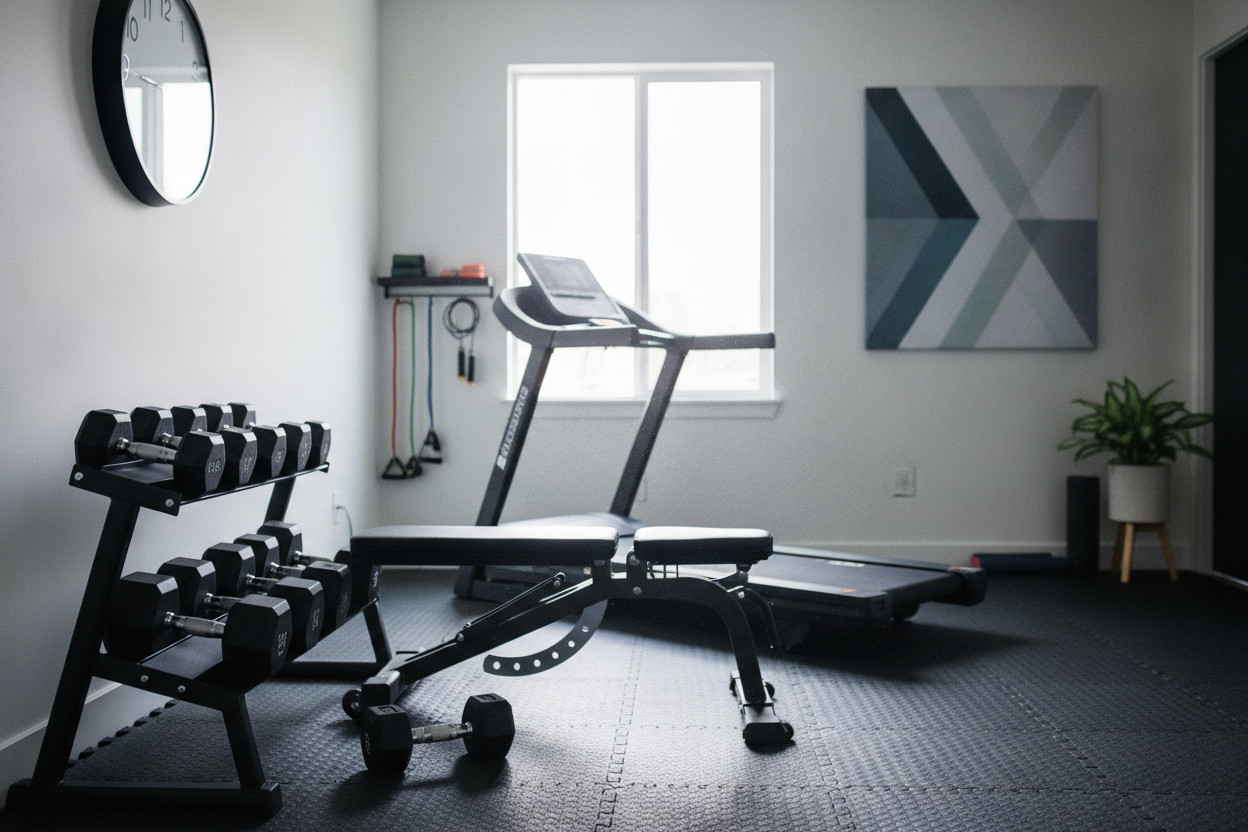
I was sitting in my garage gym between sets of heavy triples, cooling off with the Wednesday crossword, when I hit a wall. The clue was looking for a three-letter word for do some light cardio nyt style. The answer, as any regular solver knows, is JOG. I almost dropped my phone. In what universe is jogging considered 'light' for someone who actually trains?
- The NYT crossword answer is JOG, but it is a trap for your joints.
- Jogging creates impact forces up to 2.5x your body weight per step.
- True active recovery should flush lactic acid, not create more tissue damage.
- Low-impact alternatives like sled drags or Zone 2 cycling are far superior for longevity.
The Crossword Answer You're Looking For (And Why It's Wrong)
If you are just here for the light cardio nyt answer so you can move on with your morning, it is JOG. There. You can finish your puzzle. But if you actually care about your knees, we need to talk. Calling a jog 'light' is one of those fitness myths that just won't die, right up there with 'lifting weights makes you bulky.'
For a 200-lb lifter, every stride in a jog sends roughly 500 lbs of force through the ankle, knee, and hip. If you do that for thirty minutes, you are looking at thousands of high-impact repetitions. That isn't a recovery session; it's a localized inflammatory event. If you have been hitting the squats hard, the last thing your connective tissue needs is more pounding.
Why Pounding the Pavement Isn't Active Recovery
Active recovery is supposed to be about blood flow. We want to get the heart rate up just enough to move nutrients into the muscles without adding to the recovery debt. Jogging fails this test because of the eccentric load. Every time your foot hits the concrete, your muscles have to absorb that energy. This spikes cortisol and keeps your nervous system in a state of 'fight or flight' rather than 'rest and digest.'
I have seen guys try to use 'light' jogs to shake off a heavy leg day, only to end up with tendonitis. It is a high-cost, low-reward movement. If you are training for a marathon, fine. But if you are training for health, strength, or body composition, there are better ways to get your heart rate into Zone 2 without the orthopedic tax.
What Real Low-Impact Cardio Looks Like at Home
If you want to actually recover, you need to remove the impact. I usually roll out a large exercise mat for cardio in the middle of my rack space. I will do barefoot kettlebell carries, animal crawls, or even just a dedicated mobility flow. The goal is to keep the heart rate between 120 and 135 beats per minute.
A 6×12 mat gives you enough room to move laterally, which we rarely do in a straight-line jog. Side-to-side movements and ground-based flows build stability in the hips and ankles. It feels 'light' because your joints aren't screaming, but your heart and lungs are still getting the work they need to improve your aerobic base.
How to Spike Your Heart Rate Without the Impact
You do not need a treadmill to get your sweat on. I am a huge fan of incorporating light cardio bursts between strength sets or as a standalone finisher. Think about movements like mountain climbers, shadow boxing, or even low-height box step-ups. These keep one foot on the ground or use your hands to distribute the weight.
By keeping the impact low, you can actually go a bit longer. You can spend 40 minutes in a steady-state flow and wake up the next day feeling refreshed instead of beat down. That is the true definition of 'light' work. It should add to your life, not take away from your next heavy lifting session.
When You Should Actually Push the Pace
There is a time for intensity, but it isn't when you're looking for a 'light' session. If it is a dedicated conditioning day, I am all for an intense Tabata session. High-intensity interval training (HIIT) has its place, but it should be treated with respect. It is a tool for building a gas tank, not for recovering from a 400-lb deadlift.
Stop letting crossword puzzles dictate your training philosophy. The next time you see that clue, fill in J-O-G, then go hop on a bike or grab a sled. Your 40-year-old self will thank you for not turning your knees into dust in the name of a 'light' morning run.
Personal Experience: The Concrete Mistake
I spent my late 20s thinking a 3-mile 'recovery run' on asphalt was the peak of health. I was lifting heavy four days a week and running three. I couldn't figure out why my squat progress stalled and my patellar tendons felt like they were on fire. I finally ditched the 'light' jogs for sled drags and incline walking. My recovery improved almost overnight, and my knee pain vanished. I realized I was just adding more stress to an already stressed system.
FAQ
Is jogging always bad?
No, but it is high-impact. If you enjoy it and your joints handle it well, go for it. Just don't call it 'light' recovery if you are also a heavy lifter.
What is the best alternative to a light jog?
Incline walking on a treadmill or using a fan bike. Both allow you to control the intensity perfectly without the vertical impact forces.
How do I know if my cardio is 'light' enough?
Use the talk test. If you can't hold a full conversation without gasping for air, you have moved out of light recovery and into aerobic conditioning.