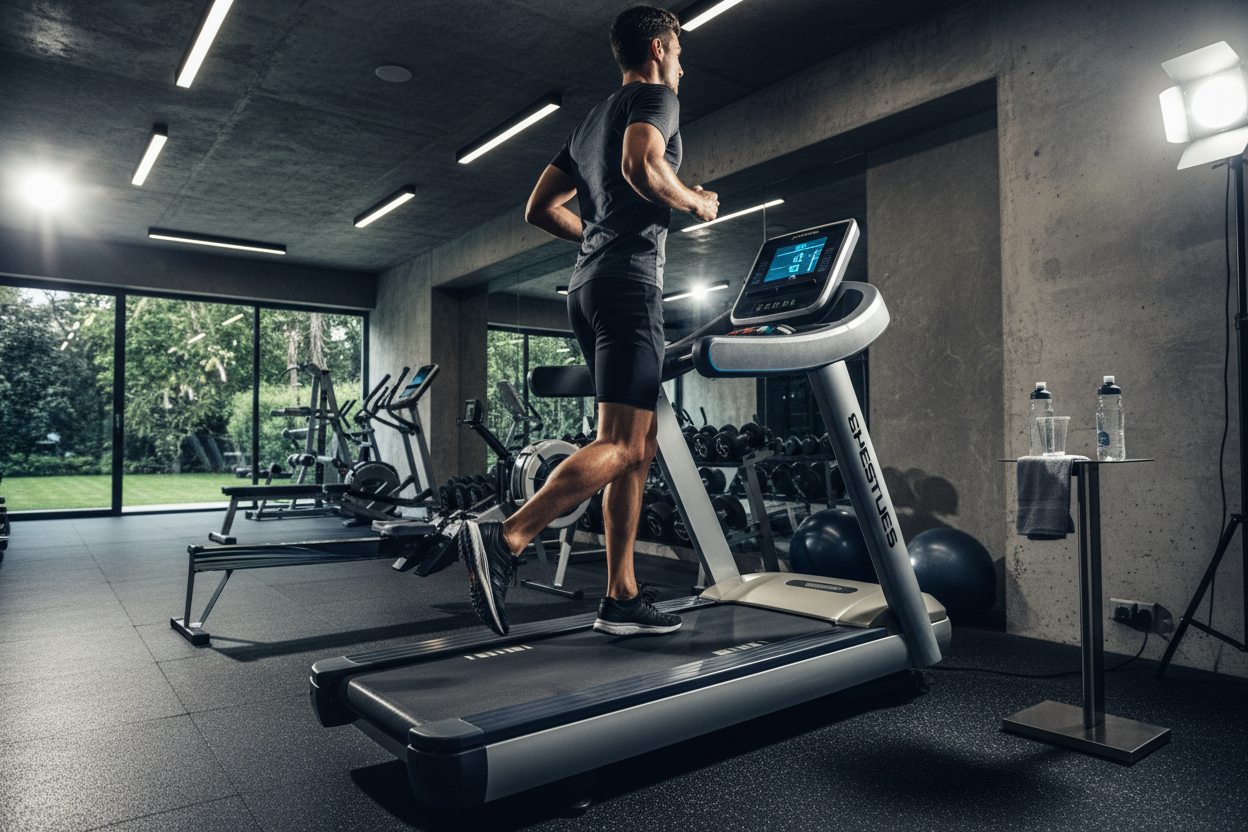
The Definitive Guide to Finding the Best Home Multi Gym UK
You are tired of waiting for the cable crossover machine at the local leisure centre. You want to train on your own terms, in your own space. But when you start searching for the best home multi gym uk has to offer, the sheer volume of options—ranging from cheap, rattle-prone setups to commercial-grade behemoths—is paralyzing.
Most people make the mistake of buying based on the number of exercises listed on the box. Real value isn't found in a gimmick; it's found in biomechanics, stability, and safety. This guide cuts through the marketing noise to help you secure a machine that won't end up as an expensive clothes horse.
Key Takeaways: What Matters Most
- Weight Stack Ratio: Understand that a 2:1 ratio means 100kg feels like 50kg. Look for 1:1 for heavy lifting.
- Frame Stability: Ensure the frame is made from at least 13-gauge or 14-gauge steel to prevent wobbling during heavy loads.
- Pulley Quality: Sealed bearing pulleys provide smooth motion; nylon bushings often create friction and drag.
- Footprint vs. Working Area: Always calculate the extra clearance needed for leg extensions and arm movements, not just the base dimensions.
Analyzing Build Quality: Steel and Stability
When assessing equipment, the weight of the frame tells you everything. A lightweight frame will shift across your garage floor when you perform a heavy row. You need heft.
Look specifically for the steel gauge. In the UK market, budget gyms often use 16-gauge steel (thinner), while the best multi gym for home uk retailers stock will utilize 11 to 14-gauge steel. The lower the number, the thicker the metal. If the manufacturer hides the steel gauge spec, assume it is low quality.
The Truth About Weight Stacks and Ratios
This is where most buyers get caught out. You might see a machine boasting a "100kg stack," but that doesn't mean you are lifting 100kg.
Many multi gyms utilize a pulley system that creates a mechanical advantage, often a 2:1 ratio. This means lifting 100kg actually provides 50kg of resistance. For isolation movements like lateral raises, this is fine. For compound movements like chest presses or lat pulldowns, you will outgrow a 2:1 stack very quickly. If you are serious about hypertrophy, verify the ratio before purchasing.
The "Feel": Cables and Pulleys
Nothing ruins a workout faster than a "stuttering" rep. This happens when there is friction in the pulley system. You want continuous tension, not a jerky movement that puts stress on your joints rather than your muscles.
High-quality machines use aircraft-grade cables (usually rated to 2000lbs tensile strength) and, crucially, pulleys with sealed ball bearings. Cheaper models use plastic bushings that grind over time. If the movement feels gritty, the muscle engagement suffers.
My Personal Experience with best home multi gym uk
I want to share a specific detail from my own training logs that you won't find on a product spec sheet. A few years ago, I tested a mid-range multi gym that looked perfect on paper. It had a heavy stack and decent steel.
However, during a seated row, I noticed a distinct "dead zone" at the start of the pull. Because the cable had stretched slightly after a month of use, the weight plates wouldn't engage until I had already pulled the handle back three inches. I spent more time adjusting the tension nut and dealing with cable slack than I did actually training.
Furthermore, the knurling on the included lat bar was so aggressive it shredded my hands, but the coating on the pec-deck arms became slippery the moment I broke a sweat. These are the tactile nuances that determine if you'll love or hate your equipment. The best setups allow for micro-adjustments to the cable length to keep tension immediate—look for that feature.
Conclusion
Finding the right equipment is about balancing your available floor space with your strength goals. Don't be seduced by a machine just because it claims to offer 50 different exercises. A machine that does five core movements perfectly is infinitely better than one that does 50 movements poorly. Focus on the steel gauge, the pulley bearings, and the stack ratio.
Frequently Asked Questions
How much space do I really need for a home multi gym?
Beyond the physical dimensions of the machine, you generally need a "working perimeter" of at least 1 meter on all operational sides. This accounts for body extension (like leaning back for a row) and loading weights or adjusting pins safely.
Are plate-loaded gyms better than selectorised weight stacks?
It depends on your goal. Selectorised (pin-loaded) stacks are faster to change and safer for drop sets. Plate-loaded machines (where you add your own discs) are generally cheaper and can hold more total weight, but they require more space and time to load/unload.
Do I need to bolt the multi gym to the floor?
While most high-quality home gyms are designed to be freestanding, bolting them down is always safer, especially if you are lifting heavy. If you cannot drill into your floor, ensure the machine has a wide base and substantial gross weight to prevent tipping.