The Brutal Truth About Finding Exercise Plans That Work
I remember staring at a $40 PDF I bought from an Instagram influencer with 2 million followers, realizing halfway through week two that it was absolute garbage. I was in my garage, shivering in the 40-degree air, trying to figure out why I was doing four variations of bicep curls when I didn't even have a squat rack yet. Most people waste months on the wrong path because they can't distinguish between a collection of exercises and exercise plans that work.
Quick Takeaways
- A real plan has built-in math, not just '3 sets of 10' forever.
- The best programs respect your equipment limitations.
- If there is no deload or fatigue management, you will burn out in 6 weeks.
- Don't buy a program from someone who doesn't explain the 'why' behind the movements.
Why That 12-Week Influencer PDF Isn't a Real Plan
Most 'workout out plans' you find online are just a list of movements designed to make you sweat. Sweat is a terrible metric for progress. You can get sweaty by running in place or doing 100 burpees, but that doesn't mean you're getting stronger or building a better physique. A generic routine workout plan usually lacks the most important element: a long-term trajectory.
What is a good workout program? It’s a roadmap. A true training program for exercise accounts for where you are today and where you need to be in three months. It shouldn't just be a random assortment of 'great workout plan' buzzwords. If the PDF you downloaded doesn't tell you how to handle a missed session or what to do when you hit a plateau, it isn't a plan—it's a list of suggestions. Marketing gimmicks rely on your desire for a quick fix, but a good workout plan relies on the boring, repetitive work that actually moves the needle.
Rule 1: A Built-In Math Problem (Progression)
The best exercise plan isn't a mystery; it’s a math problem. If you go into your garage and lift the same 135 pounds for the same 8 reps every Monday, you aren't training. You’re just maintaining. Workout routines that actually work are built on the back of progressive overload. This means the program must dictate exactly how and when you increase the demand on your body.
Maybe it’s adding five pounds to the bar every week. Maybe it’s shortening your rest periods from 90 seconds to 60 seconds. Or maybe it’s increasing the total volume by adding a fourth set once you can hit 12 reps with a specific weight. The point is, the best plan for workout success has these triggers baked into the spreadsheet. You shouldn't have to guess your weights. If you're looking for the best workout plan, look for one that uses percentages of your one-rep max or a RPE (Rate of Perceived Exertion) scale. That’s how you ensure you're actually pushing your limits without snapping your spine.
Rule 2: It Respects Your Home Gym Reality
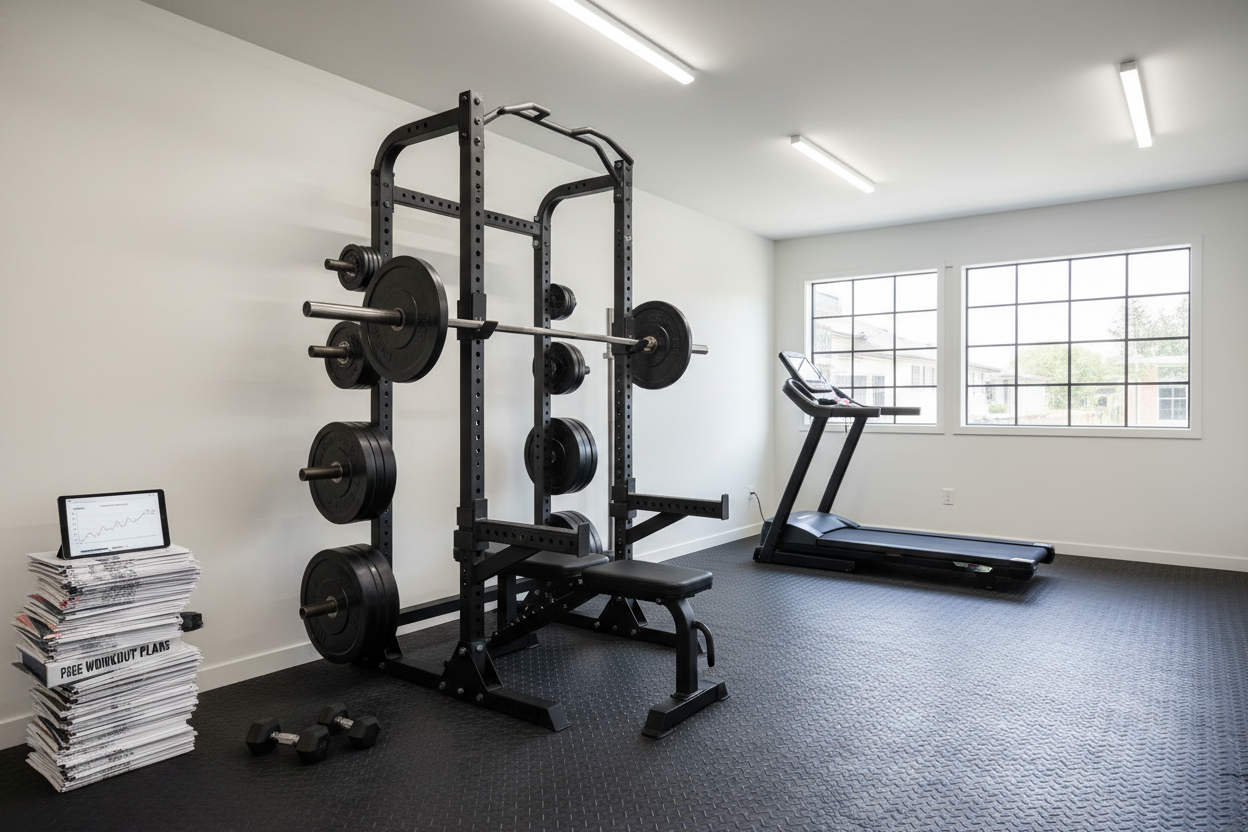
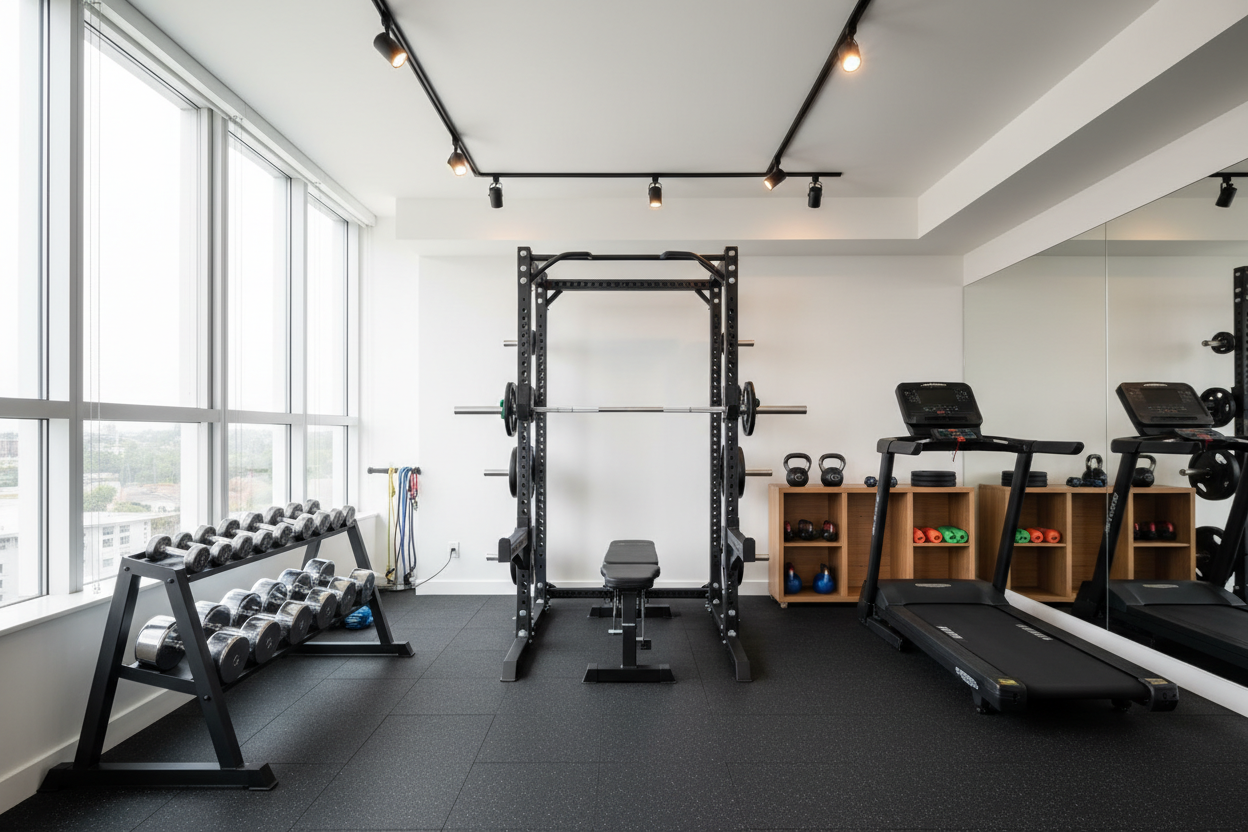
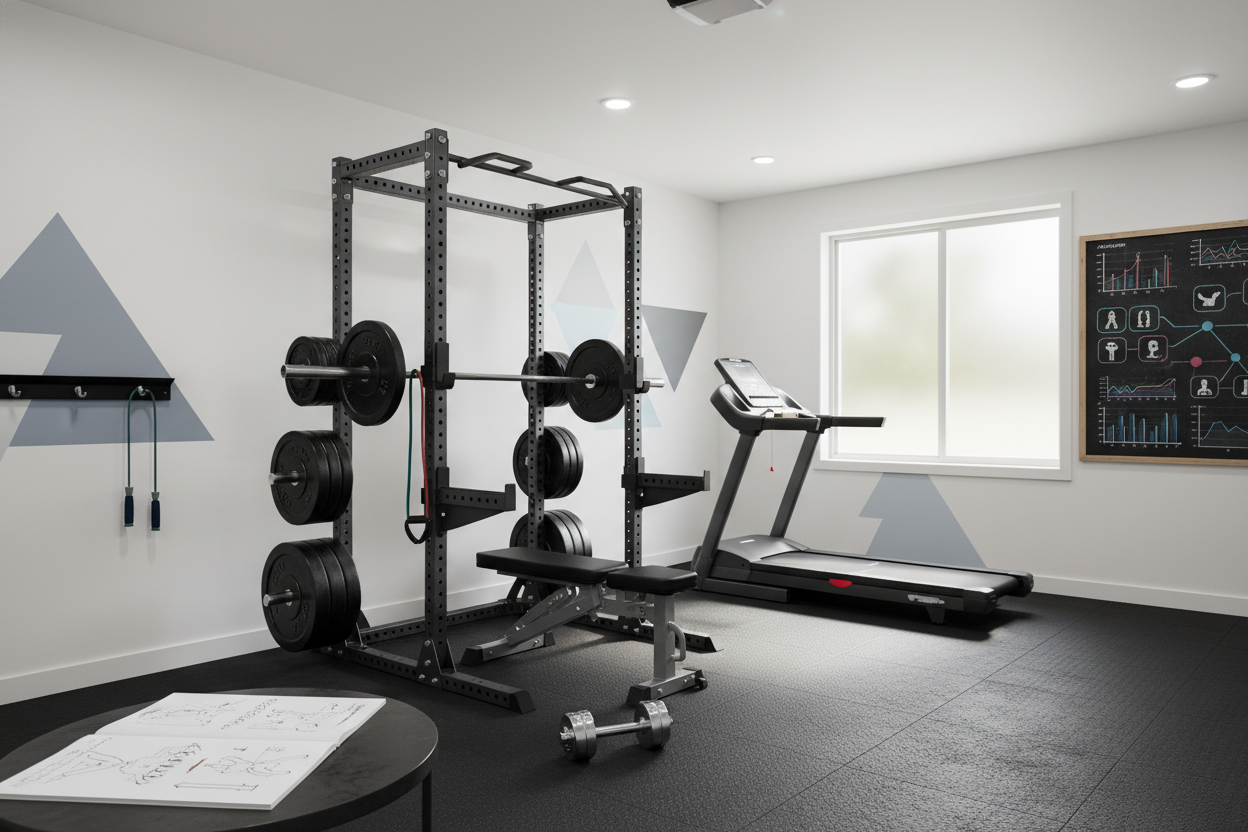
I’ve seen guys try to run high-level bodybuilding programs in a 10x10 space with nothing but a pair of adjustable dumbbells and a flat bench. It doesn't work. A perfect workout program is useless if it requires five different cable stations and a leg press that you don't own. When you're looking for workout plans to follow, you have to be honest about your inventory.
The beauty of a home gym is the flexibility it offers. You don't have to wait for a rack, and you can train in your socks. In fact, many people find that the best gym workout plan to build muscle actually barefoot is easier to execute at home where no one is complaining about your lack of footwear. However, you need the right foundation. If you're doing heavy barbell rows or deadlifts, you need a high-density exercise mat for home workouts to protect your concrete and your joints. A good workout program for a garage lifter will emphasize compound movements like squats, presses, and pulls that maximize the equipment you actually have.
Rule 3: Fatigue Management and Deloads
You cannot go 100% every single day. If you try, your central nervous system will eventually pull the emergency brake. The best workouts plans understand this and incorporate workout cycles. This usually looks like three or four weeks of increasing intensity followed by a 'deload' week where you drop the volume or weight significantly.
If a program promises 'maximum gains' by hitting every muscle group to failure six days a week for three months straight, run away. That is a recipe for tendonitis and burnout. A good workout program manages your systemic fatigue. It understands that a heavy set of five deadlifts taxes your body differently than a set of 15 lateral raises. If you aren't scheduled to take a break, your body will eventually force one on you in the form of an injury.
How to Test Drive Your Next Routine
Before you commit to a six-month block, give a new program a two-week trial run. Does the volume feel manageable? Do you have the equipment to perform the 'A' movements without making five awkward substitutions? A workout plan that actually works is one you can actually finish. If you're constantly skipping the last three exercises because you're out of time or energy, the volume is too high for your current recovery capacity.
Check out our Workout Hub to see how structured plans are laid out. Look for clarity in the instructions. A great workout plan should make you feel slightly intimidated by the work ahead, but confident that you have the tools to complete it. If the instructions are vague, the results will be too.
My Personal Experience: The 'More is Better' Trap
Back in 2018, I thought I was tougher than the science of recovery. I tried to run a high-volume Bulgarian-style squat program in my unheated garage while working a 50-hour week. I didn't use deloads. I didn't track my sleep. By week six, my knees felt like they were filled with broken glass and I couldn't even bench press my warm-up weight. I had to take a full month off just to feel human again. That’s when I learned that a program isn't just about what you do in the gym; it's about what your body can actually recover from. Now, I never touch a program that doesn't have a scheduled deload every fourth or fifth week.
FAQ
How long should I stay on one plan?
Give it at least 8 to 12 weeks. Changing your routine every two weeks is the fastest way to stay exactly where you are. Your body needs time to adapt to the specific stresses of a program before you see real growth.
Can I build muscle with just dumbbells?
Absolutely, but you need to adjust your 'math.' Since you'll eventually run out of heavy weights, you have to increase the difficulty through tempo, shorter rest, or higher reps. A good dumbbell-only program is very different from a powerlifting program.
What is the most important part of a workout plan?
Consistency and progression. If the plan makes it easy for you to show up and gives you a clear goal to beat your previous self, it’s a winner. Everything else is just details.