The Brutal Truth About Every Coconut Shoulders Workout on YouTube
I spent five years chasing a 225-lb overhead press because the 'gurus' said heavy weights equal big shoulders. My triceps got huge, and my front delts were overdeveloped, but from the side? I looked like a piece of cardboard. If you want a real coconut shoulders workout, you have to stop thinking like a powerlifter and start thinking like a sculptor.
- Heavy pressing mostly hits the front delts and triceps.
- Lateral raises are the absolute king of the 'capped' look.
- Rear delts are the most neglected part of the shoulder girdle.
- High volume and time under tension beat max weight for 3D growth.
The Big Fat Lie About Building 3D Delts
I used to load up the rack every Monday for heavy overhead pressing. I got strong, sure, but my shoulders never actually 'popped.' The hard truth is that the barbell overhead press is a front delt and triceps movement first. If you are already benching and dipping, your front delts are likely overtrained.
To get that 3D look, you need to stop obsessing over the weight on the bar. The lateral head of the shoulder is what creates width. You can press 315 lbs for reps, but if your side delts are flat, you will never have that rounded, coconut shape. I learned this the hard way after years of grinding out heavy singles that did nothing for my physique.
What Actually Makes a 'Coconut' Shoulder?
Anatomy doesn't have to be boring. Your shoulder has three heads: anterior (front), lateral (side), and posterior (rear). Most guys have massive front delts and absolutely nothing in the back or middle. It makes you look slouched and narrow.
The lateral head is what gives you that 'capped' look that hangs over your triceps. The posterior head provides the thickness that makes you look muscular from the back and side. If you want 3D shoulders, you need to prioritize these two heads above everything else. Front delts are an afterthought in this routine because they already get enough work on chest day.
The Only Coconut Shoulders Workout You Actually Need
This routine is designed to be brutal. It is not about moving the heaviest weight possible; it is about forcing blood into the muscle and creating maximum metabolic stress. We are going to target the lateral and rear heads until they feel like they are going to burst through your skin.
If you are looking to integrate this into a full program, check out our workout hub for more split ideas. I usually run this twice a week—once after a heavy chest session and once as a dedicated shoulder day. The volume is high, but the recovery on delts is surprisingly fast once you get used to it.
Movement 1: The Heavy Partial Lateral Raise
John Meadows was a genius, and this was one of his staples. Grab a pair of dumbbells that are about 15-20 lbs heavier than what you’d use for 'strict' raises. You are only going to do the bottom third of the movement.
Swing them out slightly, keeping the tension on the side delt. You are overloading the stretched position. Do 4 sets of 20-30 reps. It’s ugly, it’s painful, and it works better than any strict raise I have ever tried in my garage.
Movement 2: Strict Banded Cross-Body Extensions
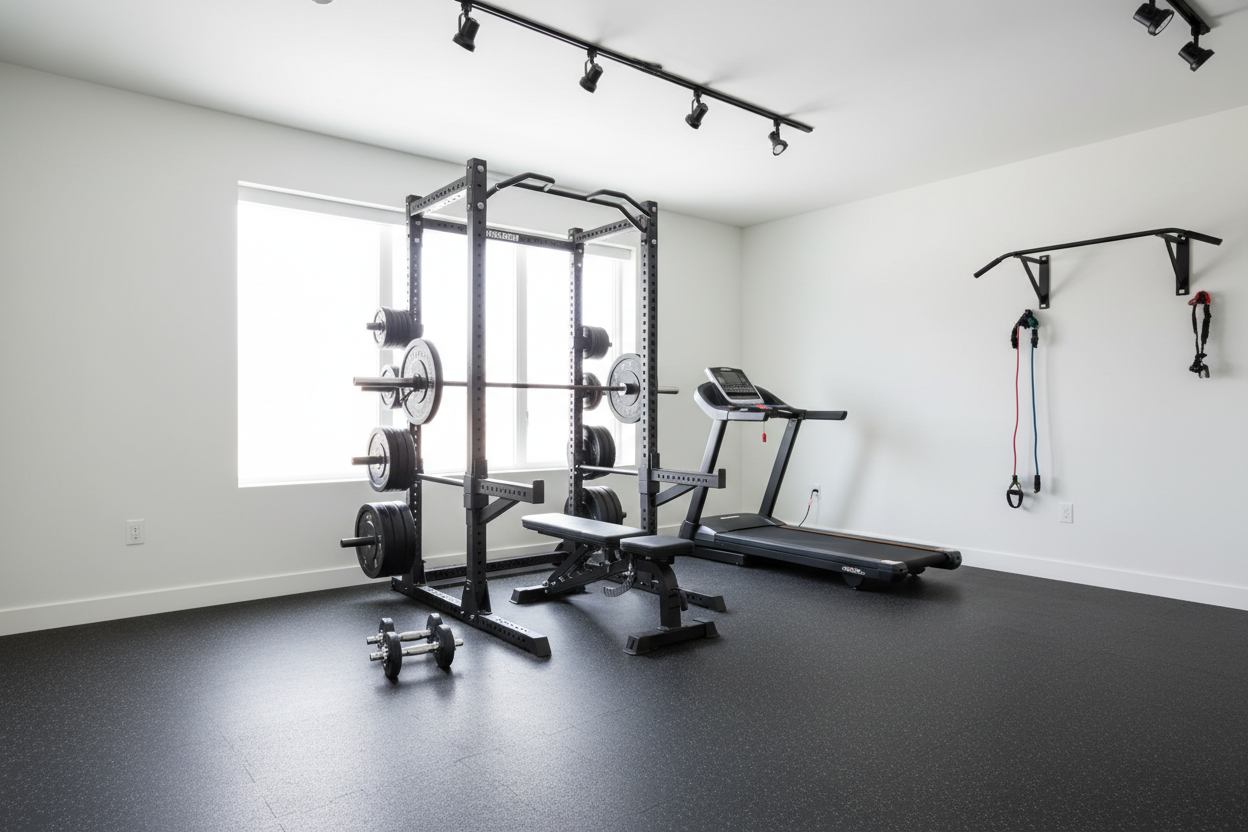
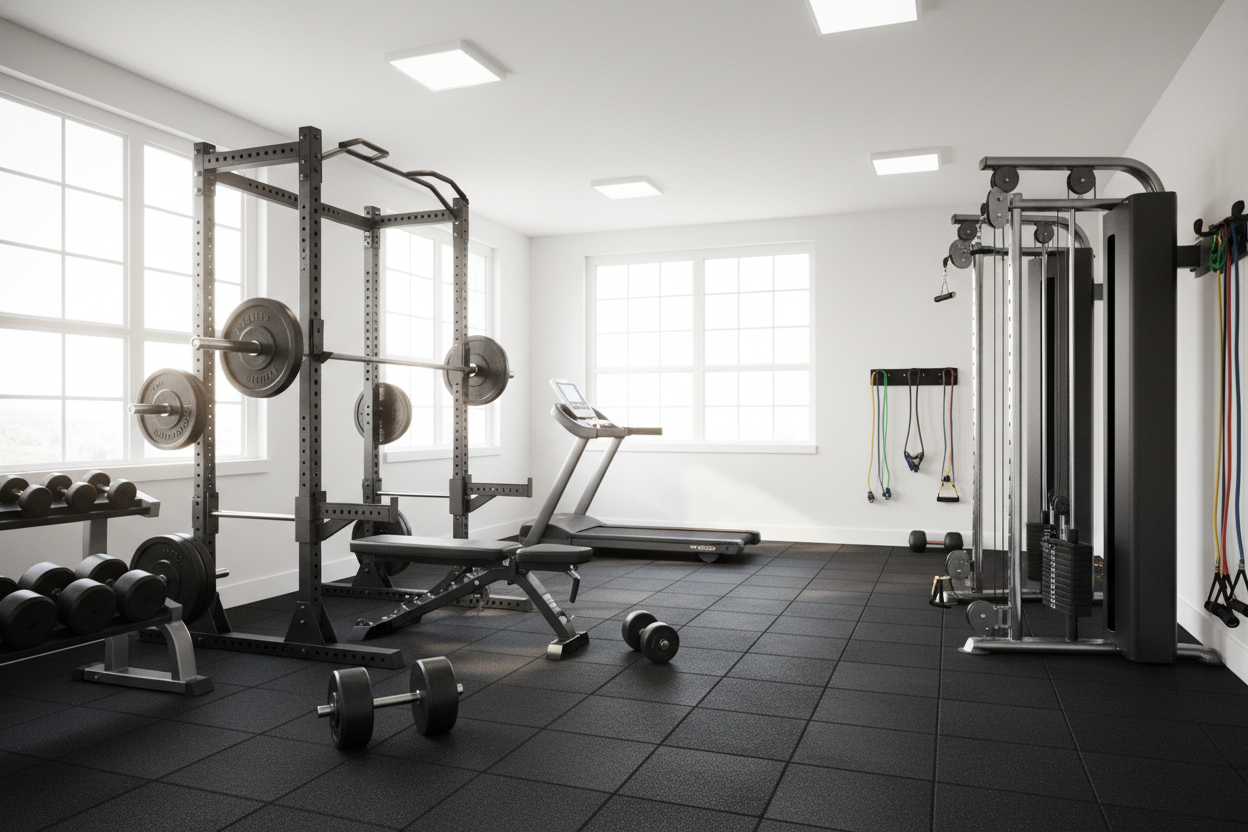
My garage gym doesn't have a $3,000 cable crossover, so I use resistance bands. Loop two bands to your rack at shoulder height, cross them in front of you, and pull your hands apart. Focus on the squeeze in the rear delt.
The constant tension from the bands is something you just can't get with dumbbells. If your joints are feeling a bit crunchy before you start, try this home workout with expander bands to get the blood flowing. Do 3 sets of 20 reps with a 2-second hold at the peak of every rep.
Movement 3: The 100-Rep Empty Bar Press Finisher
Take a standard 45-lb barbell. Don't put any plates on it. You are going to press it for 100 reps without stopping. If you have to pause, hold it at the top for three seconds and keep going. Don't lock out your elbows; keep the bar moving in a constant piston-like motion.
This is designed to flush the entire shoulder girdle with blood and stretch the fascia. By rep 60, you will want to quit. By rep 80, your shoulders will feel like they are on fire. Finish all 100. This is the 'secret sauce' that forces the muscle to grow.
Why Your Home Gym Setup Changes How You Train Delts
In a commercial gym, you have heavy machines to stabilize your torso. In a garage, it’s just you and the floor. When you are swinging heavy dumbbells for those partial raises, your foot positioning is everything. If you are slipping, you are losing power and risking a lower back tweak.
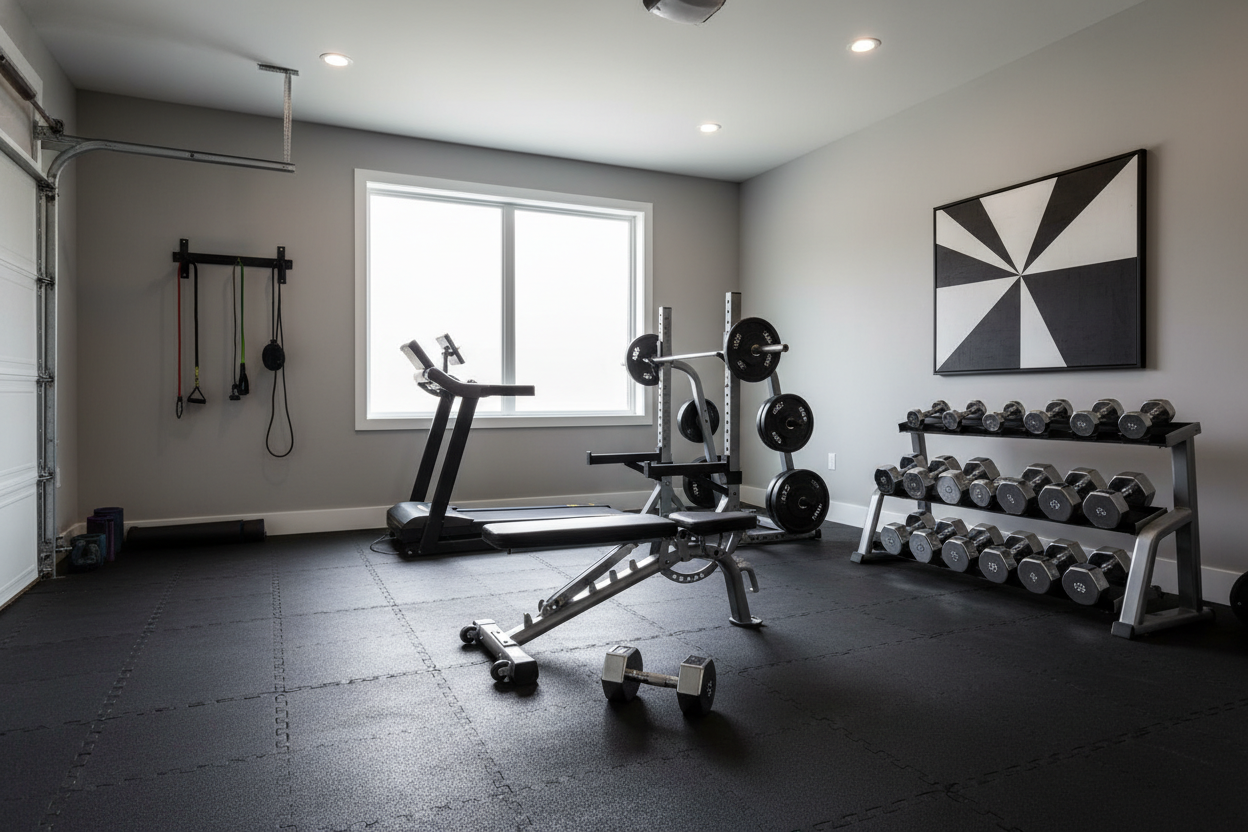
I highly recommend investing in solid gym flooring for home workout spaces. Having a dense, non-slip surface allows you to 'root' your feet and generate the stability needed for high-intensity isolation work. I’ve tried doing these on bare concrete, and it’s a recipe for a trip to the chiropractor.
How Often Should You Destroy Your Shoulders?
Natural lifters often struggle with shoulder growth because they don't hit them often enough. The lateral and rear delts are small muscles that recover quickly. I’ve found the sweet spot to be twice a week. One 'heavy' day focused on the partials and one 'pump' day focused on the bands and the 100-rep finisher.
Don't overcomplicate it. Stop chasing the ego-lift on the press and start chasing the burn in the side delt. That is the only way you are going to get those 3D, capped shoulders that look good even in a loose t-shirt.
FAQ
Do I need to do front delt raises?
Probably not. If you do any kind of bench press or incline press, your front delts are already getting hammered. Adding more isolation work usually just leads to shoulder impingement and poor posture.
Can I use kettlebells for the partial raises?
You can, but the weight distribution of a kettlebell makes it a bit awkward for the swing motion. Stick to dumbbells if you have them; the balance is much more predictable for high-rep sets.
What if I can't finish the 100-rep press?
Rest-pause is your friend. If you hit failure at 70, take 5 deep breaths and squeeze out 10 more. Keep doing that until you hit 100. The goal is the total volume, not doing it in one unbroken set.