The Boring Weight Gaining Program That Actually Works
I remember spending hours scrolling through forums and YouTube channels, looking for the 'secret' routine that would finally move the scale. I bought the expensive supplements, tried the 'muscle confusion' circuits that left me gasping for air, and changed my exercises every three weeks because I wasn't seeing instant results. It turns out, I was just spinning my wheels because a truly effective weight gaining program isn't supposed to be exciting or flashy.
- Repetition is the primary driver of muscle hypertrophy.
- Compound lifts like squats and presses are your foundation.
- Progressive overload matters more than variety.
- Consistency in the kitchen is just as vital as consistency in the rack.
Why 'Muscle Confusion' Is Killing Your Size
The idea that you need to 'confuse' your muscles by changing your workout every session is one of the biggest lies in fitness. Muscles don't get confused; they adapt to stress. If you change your exercises every week, you never get proficient enough at a movement to actually load it heavy. You spend all your energy just learning the balance and coordination of a new move instead of pushing the muscle to failure.
A real gaining weight program requires you to pick a handful of effective movements and get brutally strong at them. Growth happens when you take a squat from 135 pounds to 225 pounds for sets of ten. That kind of progress takes weeks of doing the exact same thing over and over. Your nervous system needs to master the pattern so it can start recruiting the high-threshold motor units that actually build mass.
The Anatomy of a Brutally Simple Routine
Most people do way too much junk volume. You don't need five different variations of a tricep extension or a complex circuit of weight lifting machines to see growth. In fact, those machines often lock you into a fixed path that doesn't allow for the natural movement your joints prefer when you're moving heavy weight. I've found that hitting the gym 3 to 4 days a week with a focus on heavy compound lifts is the sweet spot for most natural lifters.
Stick to the basics: Squat, Bench, Deadlift, Row, and Overhead Press. If you do those for 12 weeks and add five pounds to the bar every single week, you are going to grow. It is boring, it is repetitive, and it is the only thing I've seen work consistently over the last decade of training. Your goal is to be better than you were last week, not to find a 'new' way to sweat.
You Don't Need a Commercial Gym to Grow
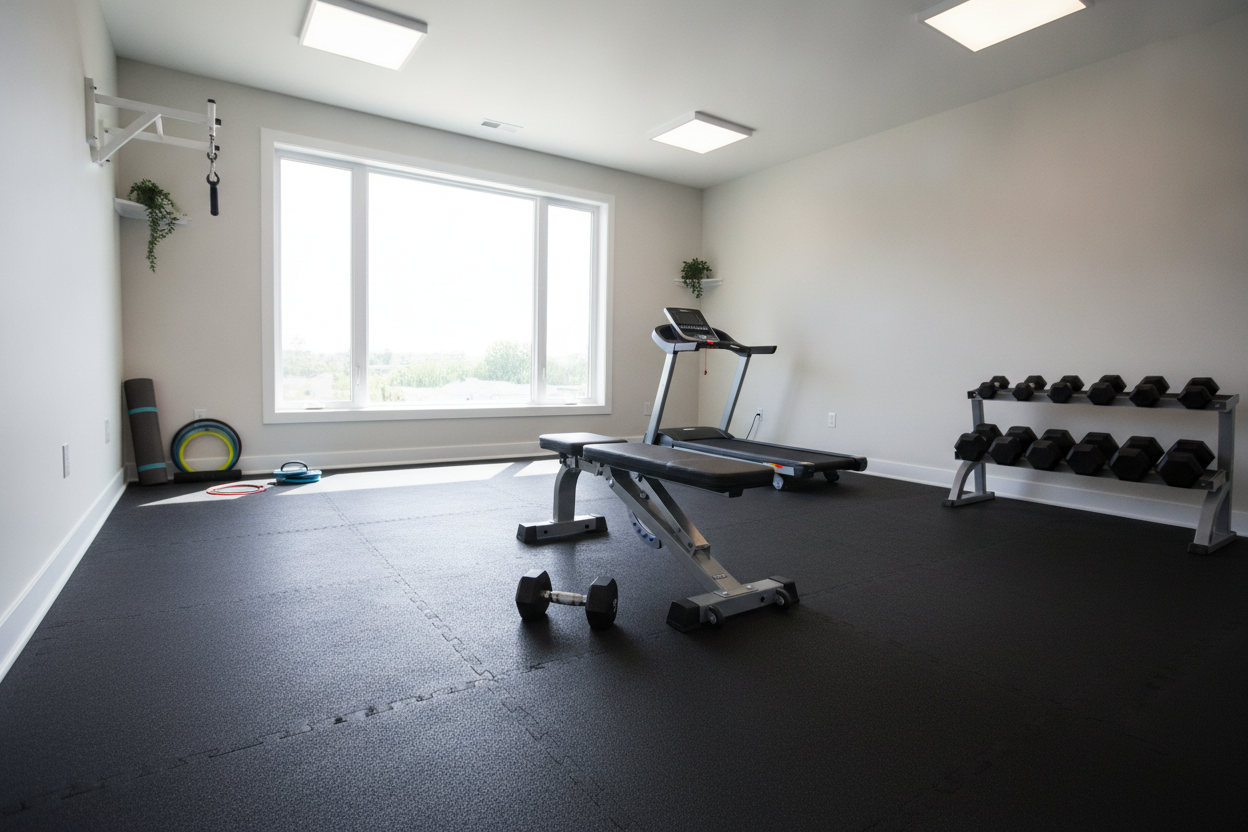
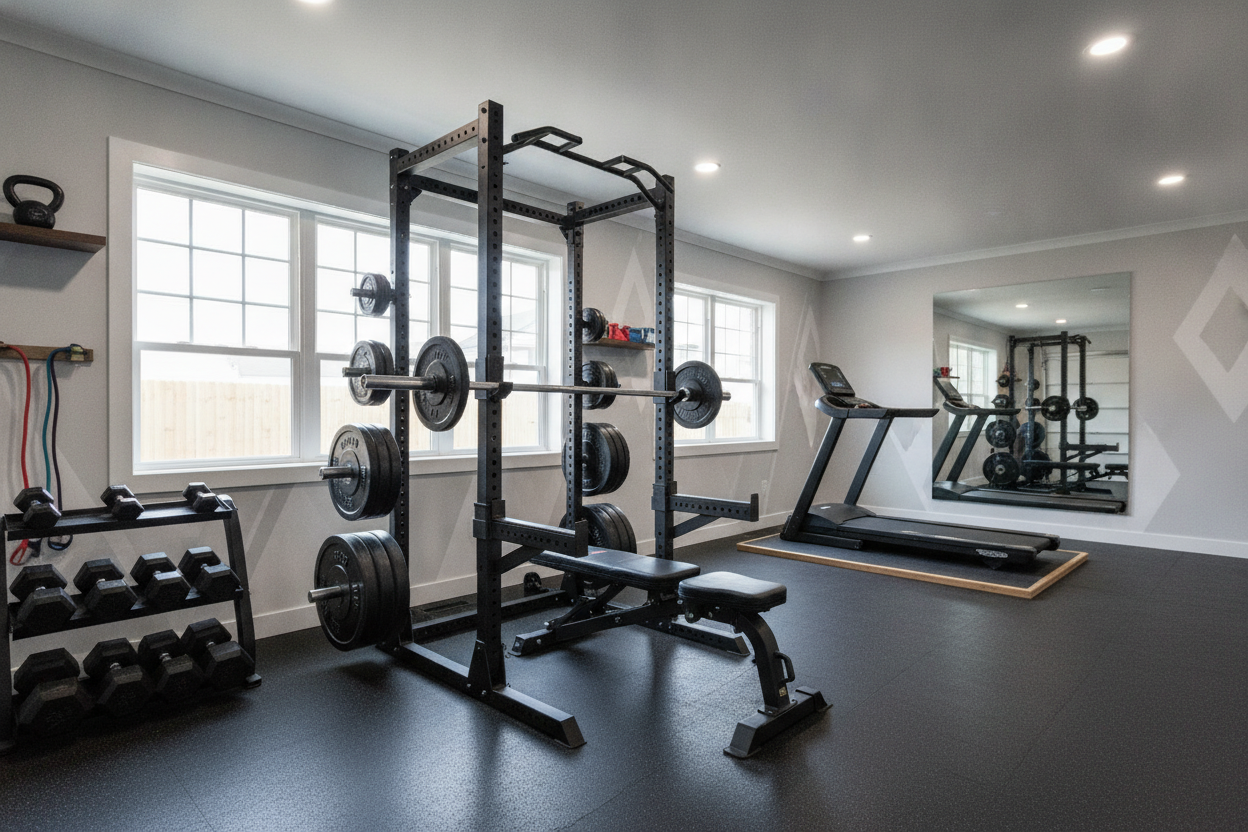
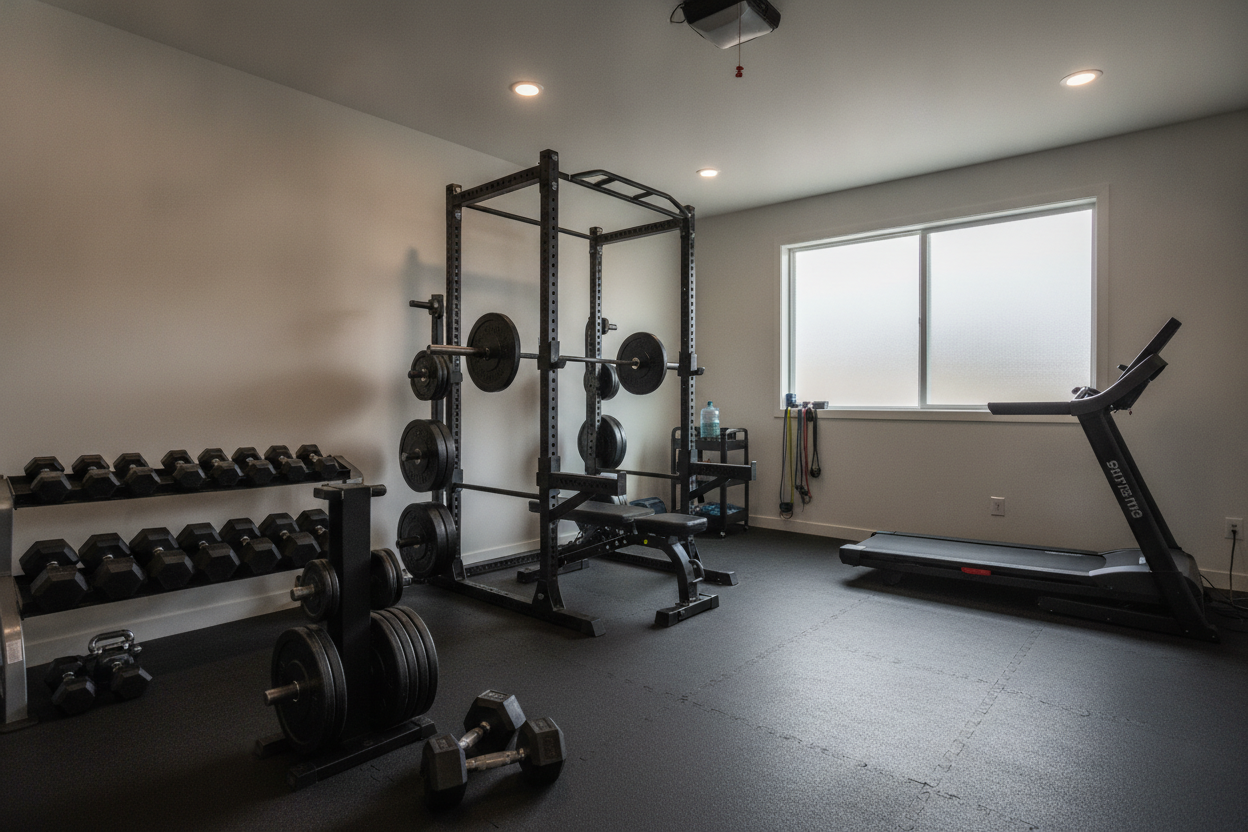
You can build a massive physique in a garage or a spare room. You don't need fancy cables or a leg press that takes up half the floor. I've seen guys get huge with nothing but a barbell and a solid rack. The Gxmmat X6 Power Rack Weight Bench Package is a perfect example of a foundational setup that handles the heavy stuff without breaking the bank. It gives you the safety of a power rack for heavy squats and a reliable bench for pressing.
As long as you have a way to safely push your limits on the big lifts, you have everything required for a serious mass-building phase. I've personally tested rack pulls and heavy rows in a small 8x10 space and made more progress there than I ever did in a 20,000-square-foot commercial facility filled with shiny gadgets.
Stop Testing Your 1RM (And Start Building Muscle)
Stop trying to find your one-rep max every Friday. Maxing out is a skill for powerlifters, but it’s a poor tool for hypertrophy. To pack on actual tissue, you need time under tension and enough volume to trigger a response. I stay in the 6-12 rep range for almost all my primary lifts and focus on a slow, controlled eccentric (the lowering phase).
Using a Gxmmat adjustable weight bench allows you to hit different angles, like a 30-degree incline press, which targets the upper chest more effectively than just flat benching until your shoulders hurt. Control the weight; don't let the weight control you. If you're bouncing the bar off your chest or using momentum to swing your rows, you're just ego lifting, and your muscles aren't doing the work.
Scaling the Program When You Finally Stall
Eventually, the easy 'newbie' gains stop. When you hit that wall, don't throw the whole program away. This is where you get tactical. Instead of adding more weight, I'll add a three-second pause at the bottom of my squats or start using fractional plates to add just two pounds a week. Small, incremental changes keep the needle moving without burning you out.
If you're running an at home weight lifting program and you've run out of plates, it's time to increase the density. You can shorten your rest periods from three minutes to ninety seconds or add an extra set to your main lifts. You don't need a new program; you just need to find a new way to make the current one harder. Progression is a marathon, not a sprint.
Personal Experience: The Lesson of the 'Ego Lift'
I used to be the guy who thought more was better. I’d stay in the gym for two hours doing every machine in sight. My joints hurt, I was constantly fatigued, and I stayed skinny. I finally swallowed my pride and went back to a basic 3-day full-body split. I did the same five exercises for three months straight. I hated how boring it was, but I gained 12 pounds of actual muscle. The only downside? I had to buy new jeans because my quads finally decided to show up. Trust the process, even when it feels too simple.
FAQ
How long should I stick to one routine?
At least 8 to 12 weeks. Your body needs time to adapt to the specific stress of a movement before it will grow. Jumping ship after three weeks is the fastest way to stay small.
Can I do cardio while trying to gain weight?
Yes, but keep it low-impact. Walking is great. You need those calories for recovery and growth, so don't spend them all on a treadmill if your goal is mass.
What if I miss a workout?
Just pick up where you left off the next day. Don't try to 'make it up' by doing a three-hour double session. Consistency over months beats a single perfect week every time.