The Boring List of Home Workout Exercises That Actually Works
I have a confession: my phone is a graveyard of saved Instagram Reels. Dozens of 'insane' core finishers and 'science-based' bicep hacks that I have never once performed. We've all been there, scrolling through Amazon at midnight comparing adjustable kettlebells while our actual workout consistency is in the gutter. The truth is, the most effective list of home workout exercises is usually the one that looks the most boring on paper.
Quick Takeaways
- Decision fatigue kills progress; keep your menu short.
- Prioritize movement patterns (Push, Pull, Hinge, Squat) over muscle groups.
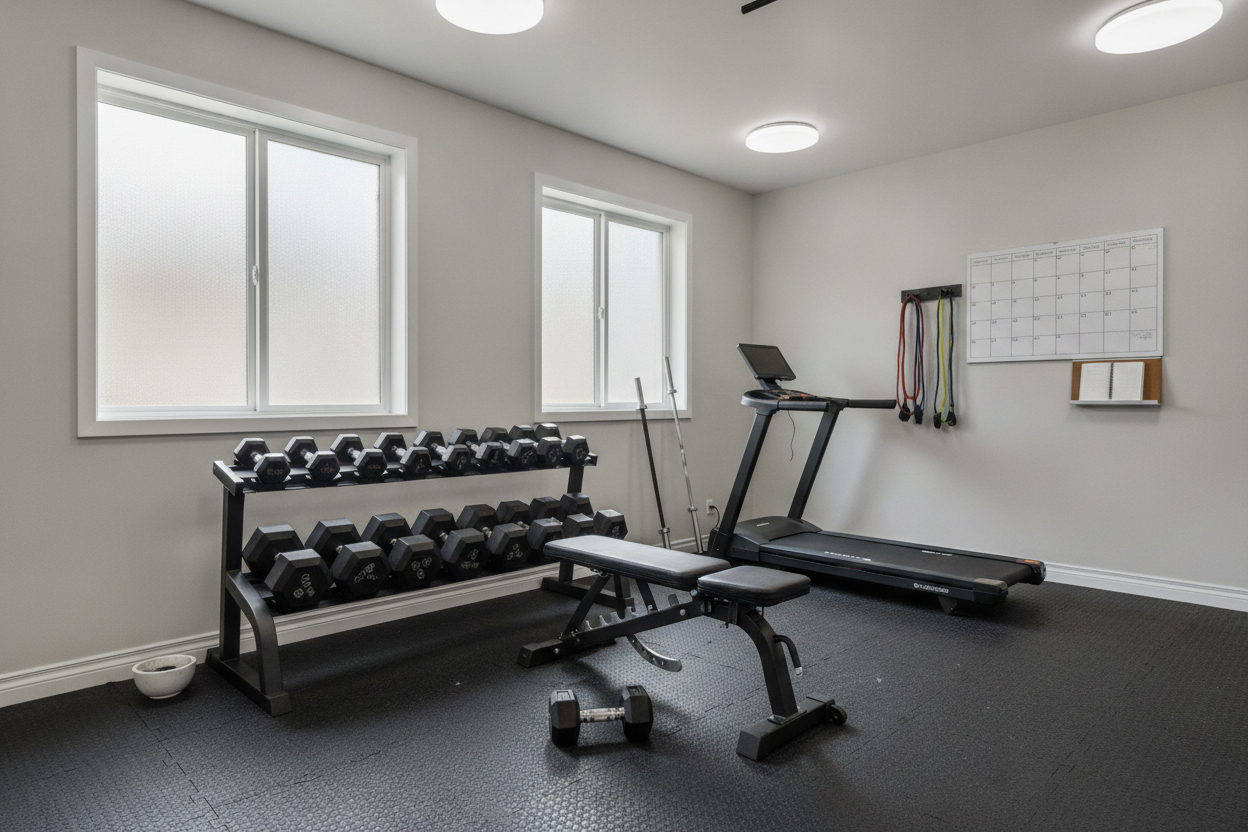
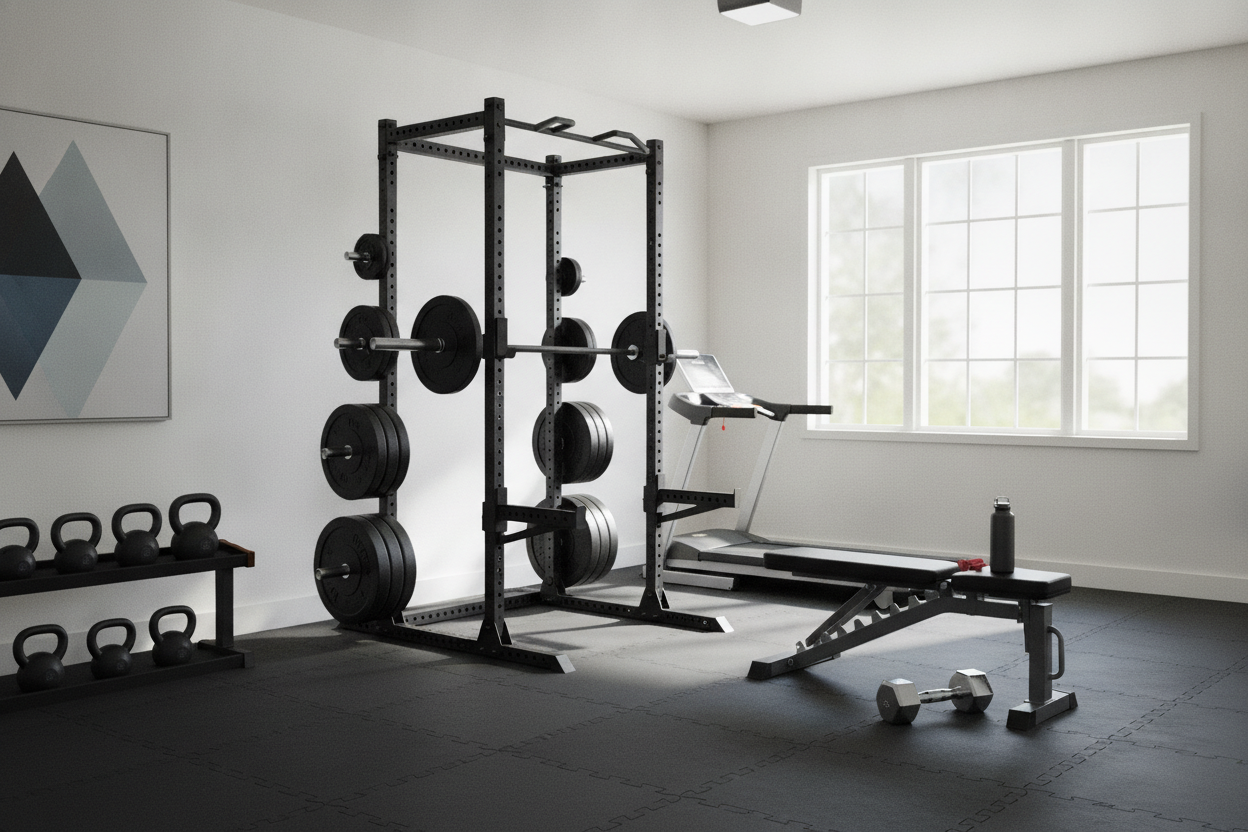
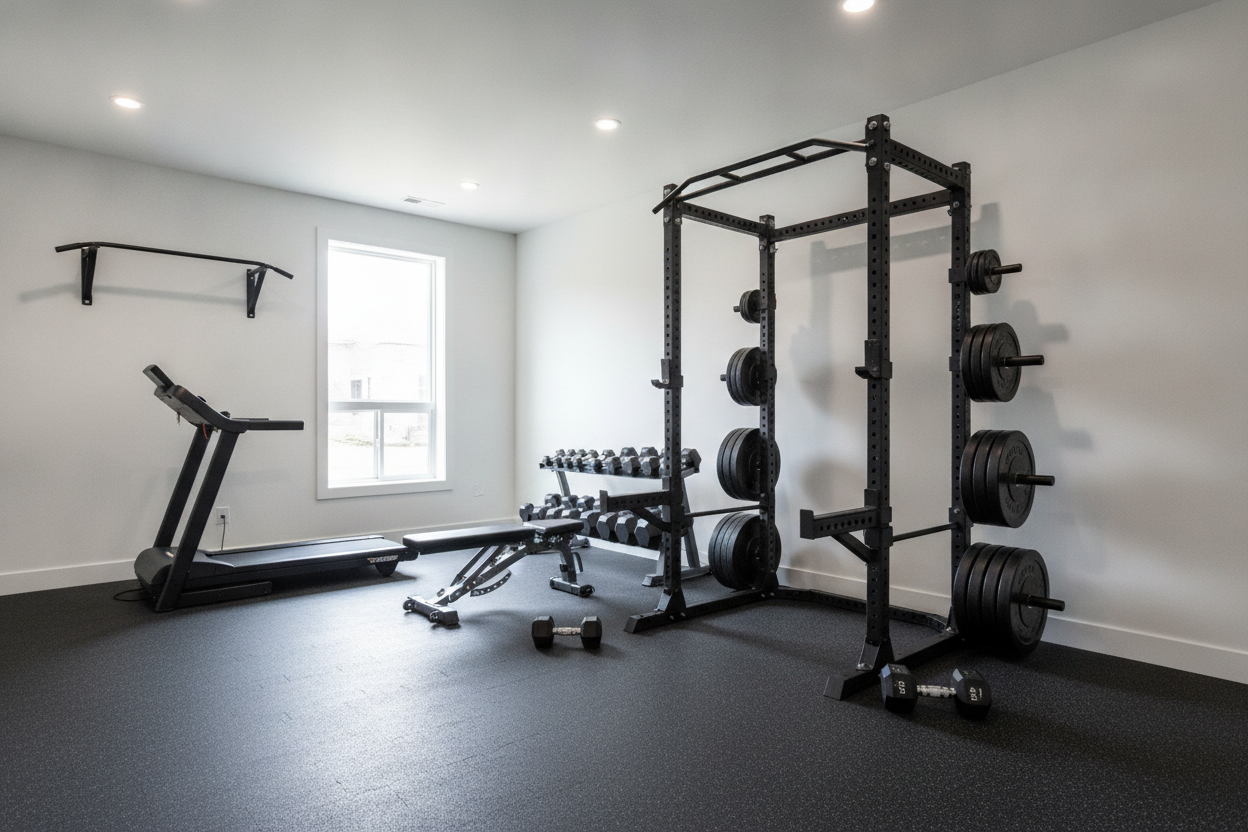
- A dedicated floor space is more important than a $2,000 treadmill.
- Progressive overload requires adding weight or increasing time under tension.
The Trap of Hoarding Endless Instagram Routines
Digital hoarding is the silent killer of home fitness. We collect dozens of *lists of exercises to do at home* because searching for the perfect routine feels like work, but it isn't. It’s procrastination. When you have 50 different variations of a lunge saved, you spend more time looking at your phone than you do under tension.
Consistency thrives on simplicity. If you have to think for more than 30 seconds about what you're doing today, you’ve already lost the mental battle. A curated, smaller selection of movements allows you to master the form and actually track your progress over weeks, not just days.
How to Build Your Personal Menu of Lifts
Stop thinking about 'Arm Day' or 'Leg Day.' For a home setup, you want a modular menu based on how the human body naturally moves. This is what I call The Architecture Method of training. You pick one movement from each of the four main pillars: Push, Pull, Hinge, and Squat.
By organizing your master *exercises list to do at home* this way, you ensure you aren't developing massive imbalances. If you only do push-ups (push) but never rows (pull), your shoulders are going to eventually roll forward like a caveman. Balance isn't just for yogis; it's for anyone who wants to stay injury-free in a garage gym.
Tier 1: The Bare Minimum (Zero Gear, Just Floor Space)
You can get remarkably fit with nothing but gravity and a floor that doesn't give you splinters. The foundation of any bodyweight routine includes the classic push-up, the air squat, the glute bridge, and the plank. These are the *different exercises to do at home* that require zero financial investment but high physical effort.
The biggest mistake I see is people trying to do these on a slippery hardwood floor or a thin, 2-foot wide yoga mat. You need room to move without fear of sliding into your coffee table. I personally use a 6x8ft exercise mat because it defines a clear boundary. It’s thick enough to protect your joints during burpees but firm enough that you aren't sinking into it during a squat.
Tier 2: The Dumbbell and Band Upgrades
Bodyweight is great, but eventually, you’ll hit a plateau. To keep the needle moving, you need resistance. Adding a pair of 50-lb adjustable dumbbells or a set of heavy-duty latex loops completely changes the game. This is when you graduate to real weight-bearing exercises to do at home like overhead presses, weighted lunges, and RDLs.
Dumbbells are the ultimate home gym hack because they take up almost zero square footage but offer infinite variety. You can go from a heavy goblet squat to a high-rep floor press in seconds. If you're tight on space, a single pair of adjustables replaces a whole rack of fixed weights.
Why Your Training Environment Dictates Your Success
A list of movements is just ink on a page if your environment sucks. If your 'gym' is just a corner of the laundry room filled with boxes, you won't want to be there. You have to mentally separate 'couch time' from 'gym time.'
Defining your workout boundary is a psychological trick that works. Rolling out a large exercise mat for home gym use tells your brain that the next 30 minutes are for work only. When I step onto that mat, I don't check emails and I don't look at the TV. I train. Create a space that demands effort, and the results will follow.
Personal Experience: The 'Everything' Mistake
Years ago, I tried to build a 'total body' home gym by buying every cheap gadget I saw on late-night TV. I had a door-frame pull-up bar that ruined my trim, a wobbly folding bench, and some weird sliding discs. My workouts were a mess because I was constantly switching gear. I finally cleared it all out and went back to the basics: a heavy mat, two dumbbells, and a simple list. My strength exploded because I stopped 'exercising' and started 'training.'
FAQ
Can I really build muscle with just bodyweight?
Yes, but you have to make it hard. Use slow tempos (3 seconds down, 3 seconds up) and short rest periods. Eventually, adding weight is the most efficient path.
How much floor space do I need?
A 6x8 foot area is the gold standard. It’s enough room to lie down, jump, and lunge in any direction without hitting a wall.
What is the most important piece of gear?
A high-quality, non-slip floor surface. If you don't feel stable, you won't push yourself. After that, a set of dumbbells is king.