The Bodybuilder vs Powerlifter Debate Is Ruining Your Garage Gym Gains
I have spent the last decade in a garage that smells like old rubber and WD-40. Half the time, I am trying to add five pounds to my squat. The other half, I am staring in the mirror wondering where my triceps went. If you are like me, you have probably spent hours agonized over the bodybuilder vs powerlifter debate, thinking you have to pick a flag and stick to it.
The truth is that for those of us training in a 400-square-foot space, the line between a powerlifter body vs bodybuilder body is thinner than the paint on a cheap barbell. You do not need to choose a side. You just need to stop training like a confused amateur who does not understand the difference between moving weight and building muscle.
Quick Takeaways
- Powerlifting focuses on mechanical leverage to move max weight; bodybuilding focuses on internal tension to grow tissue.
- Garage gyms naturally favor a hybrid approach because we lack specialized isolation machines.
- Attempting to peak for 1RM strength and maximum hypertrophy at the same time usually leads to injury or stagnation.
- Powerbuilding is the logical solution, combining heavy compound lifts with high-volume accessories.
You're Probably Training Like a Confused Hybrid
I see it every week in the home gym forums. A guy grinds out a shaky, soul-crushing triple on the bench press, then spends the next forty-five minutes doing light concentration curls and lateral raises. He is chasing the powerlifter vs bodybuilder physique but ends up with neither. He is not strong enough to be a threat at a meet, and he is not big enough to look like he even lifts in a t-shirt.
This is the classic trap. Is Your Bodybuilding Strength Workout Just Powerlifting With Curls? Most of the time, the answer is a resounding yes. When you mix heavy low-rep work with high-rep isolation without a cohesive plan, you just create a massive amount of fatigue without a specific adaptation. You are just tired, not better.
The Core Difference: Moving Weight vs. Building Tissue
The real difference between bodybuilding vs powerlifting comes down to intent. When a powerlifter squats, they want to move the bar from point A to point B using every trick in the book. They use a wide stance, a low-bar position, and a massive belly breath to create a rigid torso. It is a game of physics and leverage. The goal is the weight, not the muscle.
Bodybuilders vs powerlifters look at the bar differently. For a bodybuilder, the weight is just a tool to create tension. They might use a narrower stance or a high-bar position to specifically target the quads. They do not care if they leave twenty pounds on the table if it means the target muscle is screaming. Strength training vs bodybuilding physique differences start here; one is built for output, the other for volume and aesthetics.
Why Your Home Setup Naturally Blurs the Lines
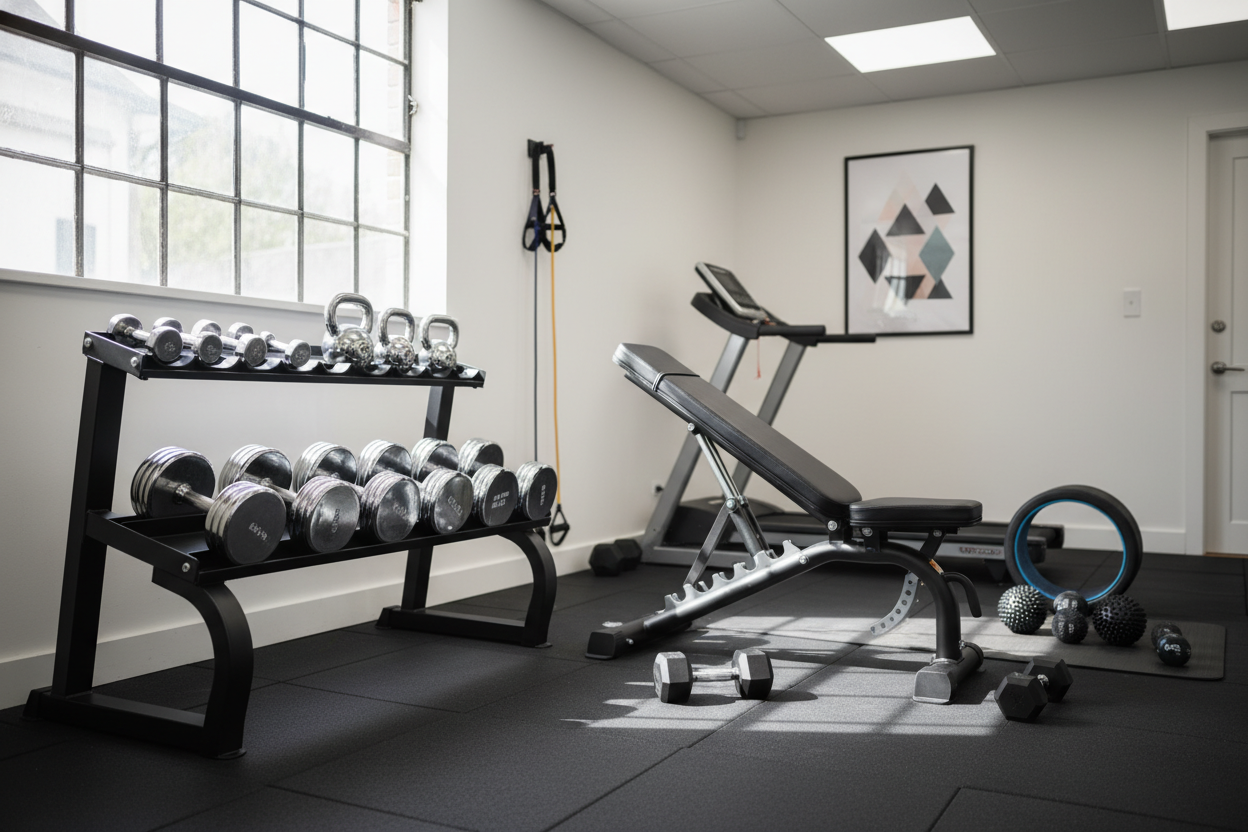
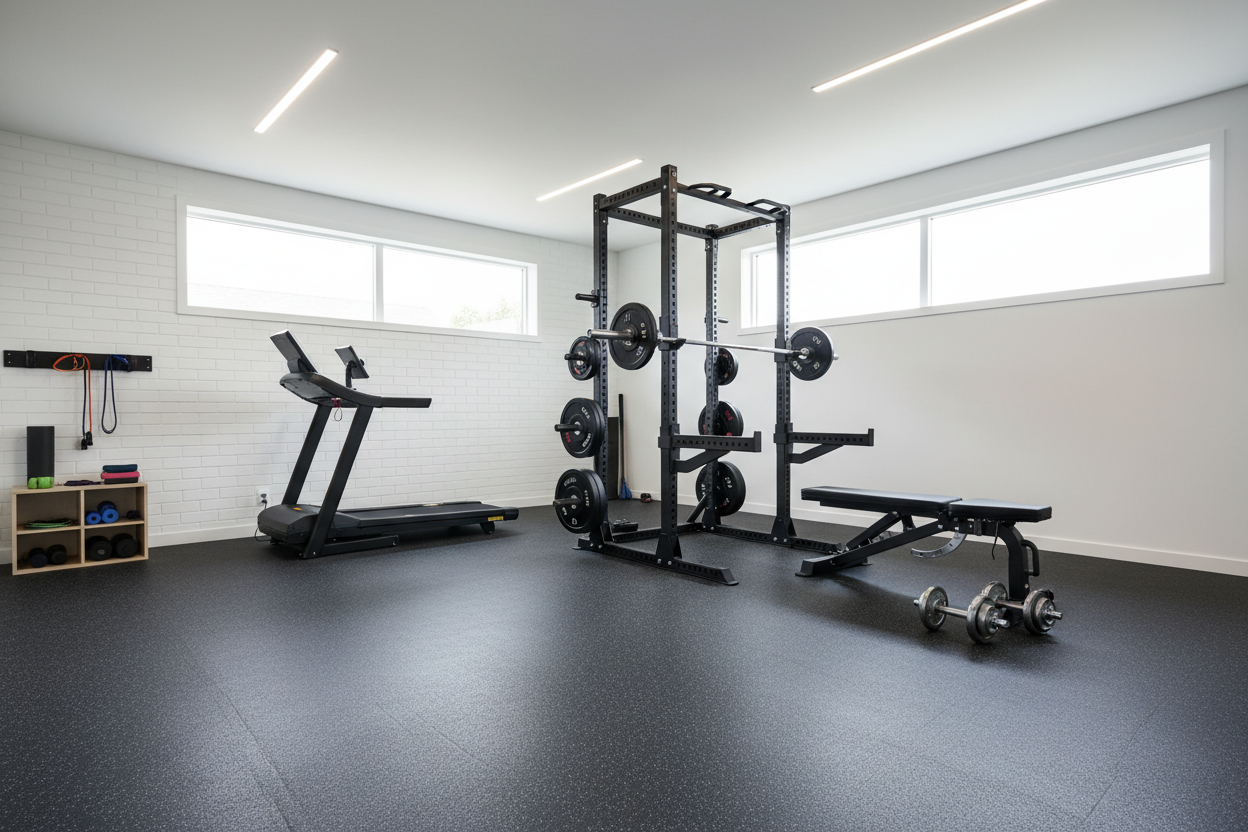
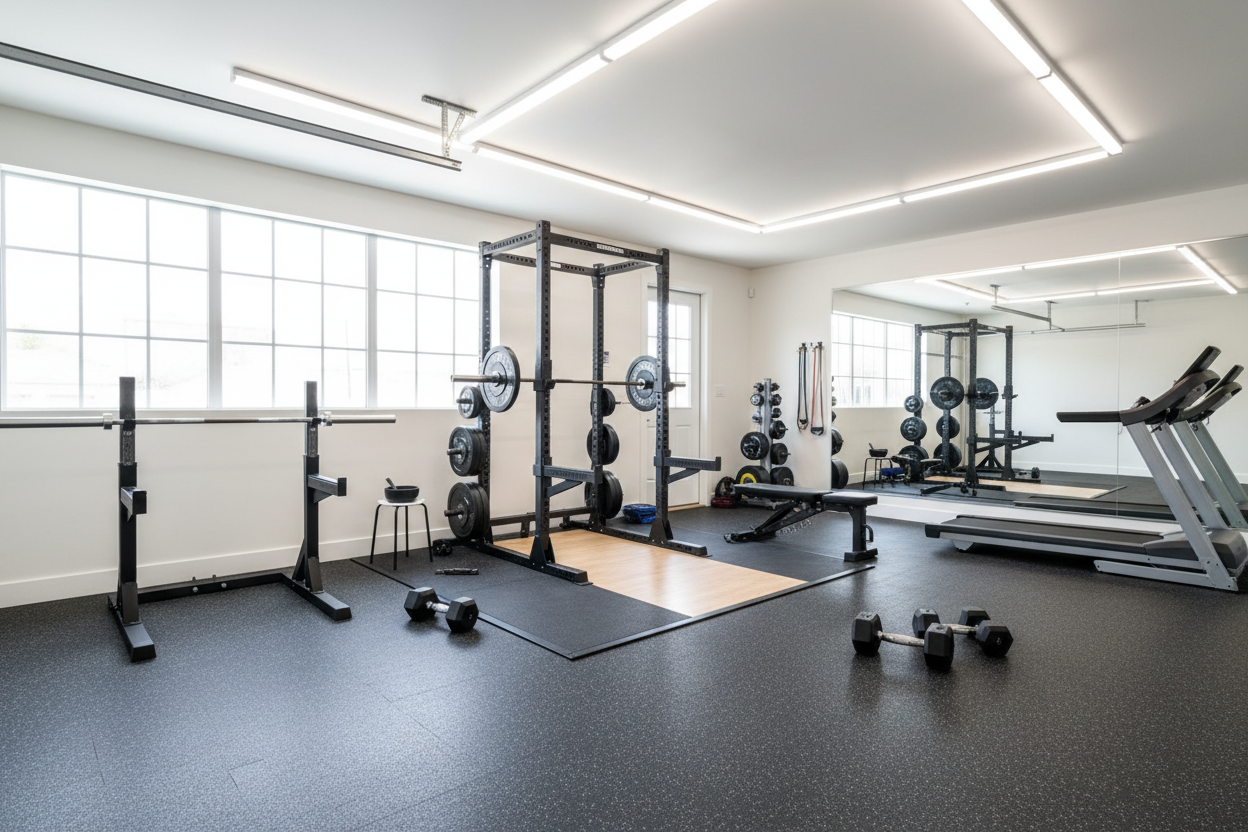
Let’s be real: you probably do not have fourteen different leg isolation machines in your garage. You have a rack, a bar, and maybe some dumbbells. This lack of gear actually forces a blend of styles. Because you cannot just jump on a leg extension machine, you have to rely on heavy compound barbell work for your hypertrophy.
The Gxmmat X6 Power Rack Weight Bench Package is a perfect example of the foundational gear that makes this hybrid style work. You use the rack for your heavy 5x5 squats to build that raw powerlifter build, then you immediately use the bench for your high-rep chest work. In a garage, every powerlifter vs bodybuilder who is stronger debate ends the same way: we all end up doing a bit of both because the barbell is the most efficient tool we own.
What Happens When You Try to Peak at Both Simultaneously?
The biggest mistake I ever made was trying to run a specialized powerlifting peaking program while also trying to stay 'stage lean.' I was chasing a new 1RM every Friday and doing 20 sets of accessories on Tuesday. My joints felt like they were filled with broken glass. The recovery debt from powerlifting versus bodybuilding combined is a debt you cannot pay back with just a protein shake.
I eventually realized that I Stopped Heavy Bodybuilding Weight Lifting and Finally Grew because my central nervous system was finally allowed to recover. When you stop trying to hit a max every single week, your body actually has the resources to build muscle tissue. You have to periodize. You cannot be at 100% intensity and 100% volume at the same time.
The Powerbuilding Compromise: How to Actually Program Both
If you want the best of both worlds—the bodybuilder power and the powerlifter strength—you need a powerbuilding framework. It is simple. Every workout starts with one heavy, strength-focused compound lift. Think 3 to 5 sets of 3 to 5 reps. This is where you build your base. You are a weightlifting bodybuilder for the first twenty minutes of your session.
After the heavy stuff, you switch gears. You move into the hypertrophy phase. This is where you grab your strength training accessories like bands, dip belts, or adjustable dumbbells. Perform 3 to 4 exercises for 8 to 12 reps. This builds the muscle size that eventually provides the leverage for even heavier lifts later. It is a virtuous cycle.
Setting Up Your Weekly Split Without Wrecking Your Joints
To avoid the 'powerlifter vs bodybuilder who is stronger' ego trap, I recommend an Upper/Lower split. This gives your joints 48 to 72 hours of rest between heavy sessions.
Monday: Heavy Squat (Strength) + Leg Accessories (Hypertrophy)
Tuesday: Heavy Bench (Strength) + Pull/Arm Accessories (Hypertrophy)
Thursday: Heavy Deadlift (Strength) + Back Accessories (Hypertrophy)
Friday: Overhead Press (Strength) + Chest/Shoulder Accessories (Hypertrophy)
Stop Worrying About the Labels and Just Lift
Unless you are planning to step on a bodybuilding stage in a thong or walk onto a powerlifting platform in a singlet, these labels do not matter. The difference between bodybuilding and powerlifting is mostly academic for the guy in the garage gym. Focus on progressive overload. If you are moving more weight for more reps than you were six months ago, you are winning. Eat your protein, respect your recovery, and enjoy the fact that you have the freedom to train however you want in your own space.
FAQ
Does bodybuilding make you stronger?
Absolutely. A larger muscle has a higher potential for strength. While powerlifting refines your ability to recruit those muscles, bodybuilding builds the engine itself. Most elite powerlifters have massive amounts of muscle mass for a reason.
What is a powerlifter vs bodybuilder?
A powerlifter is an athlete who competes in the squat, bench press, and deadlift to move the maximum weight possible. A bodybuilder is an athlete who uses weight training to develop a symmetrical, muscular physique for aesthetic competition.
Can you powerlift and bodybuild?
Yes, this is commonly called 'powerbuilding.' It involves using heavy compound lifts to maintain and build strength while using higher-rep accessory work to maximize muscle size and aesthetics.