The Big Question: Do Hip Thrusts Help Deadlift Lockouts?
I spent three months stuck at a 495-lb deadlift. Every single pull looked the same: fast off the floor, grinding at the knees, and then a shaky, pathetic struggle to get my hips through. I started wondering if do hip thrusts help deadlift performance or if I was just wasting time on a movement that looked better on Instagram than on a platform. My glutes were clearly the weak link, and no amount of 'pulling harder' was fixing my lockout.
- Hip thrusts specifically target the gluteus maximus at the shortest muscle length, where deadlift lockouts occur.
- While deadlifts are a vertical pull, the hip thrust is horizontal, meaning the carryover isn't 1:1.
- Programming both on the same day requires a high recovery capacity and smart exercise order.
- A stable setup is non-negotiable; if your bench is sliding, your glutes aren't firing.
The Short Answer: Do Hip Thrusts Help Deadlift Mechanics?
The short answer is yes, but with a massive asterisk. The hip thrust is a horizontal force production movement, while the deadlift is vertical. When you are at the top of a deadlift, the gravity of the bar is pulling straight down, but your glutes have to push forward to lock it out. This is where the deadlift hip thrust connection becomes obvious. If your lockout is soft or you find yourself hitching the bar once it clears your knees, you lack the terminal hip extension strength that the thrust provides.
However, don't expect a 400-lb hip thrust to automatically add 50 lbs to your deadlift floor speed. The mechanics are different. Off the floor, your hamstrings and quads are doing the heavy lifting. The thrust is an accessory, not a replacement. Think of it as the 'finishing school' for your posterior chain. It builds the raw horsepower in the glutes that ensures once the bar is up, it stays up.
Analyzing the Deadlift Hip Thrust Connection
When we look at the biomechanics, the tension curves are almost opposites. In a deadlift, the hardest part is usually breaking the floor or passing the knees. In a hip thrust, the movement is easiest at the bottom and hardest at the top where the glutes are fully contracted. This makes the hip thrust deadlift relationship a perfect marriage of strength curves. By overloading the top range of the hinge, you are specifically training the portion of the deadlift where many lifters fail under heavy loads.
I have found that improving your hip mobility is just as vital as the strength itself. If you can't reach full extension because your hip flexors are tight, your glutes will never fully fire during the lockout. You can find more on improving your hip mobility to ensure you are actually hitting the right muscle groups rather than just arching your lower back to finish a rep. A squat hip thrust combo can help, but only if your hips move freely.
Are Hip Thrusts Better Than Squats for Pulling Power?
This is the classic are hip thrusts better than squats debate. For general leg mass, the squat is king. For deadlift carryover, it is a toss-up. Squats build the 'leg drive' needed to get the bar moving. Hip thrusts build the 'hip drive' needed to finish the rep. If you are weak off the floor, squat more. If you are weak at the top, thrust more. I’ve found that building healthy hips requires a balance of both to avoid muscle imbalances that lead to lower back pain.
For those focused on building healthy hips, I recommend using the hip thrust as your primary accessory after your heavy compound movements. It allows you to isolate the glutes without the systemic fatigue that another five sets of heavy squats would cause. It’s about being surgical with your training rather than just throwing more weight at the problem.
Programming: Deadlift and Hip Thrust Same Day?
Can you do a deadlift and hip thrust same day? You can, but your central nervous system might hate you for it. If I am pulling heavy, I usually save hip thrusts for a secondary 'lower body' day. If you must do them together, the deadlift always comes first. You need every ounce of spinal stability and grip strength for the pull. If you pre-fatigue your glutes with heavy thrusts, your deadlift form will break down, and you'll likely start pulling with your lower back.
I usually program 3 sets of 8-12 reps for thrusts on deadlift days. This higher rep range focuses on hypertrophy and blood flow rather than maximal neurological output. If you try to hit a 1RM on both in the same session, you’ll be useless for the rest of the week. Trust me, I’ve tried it, and the only thing I gained was a week of missed sessions and a very grumpy lower back.
Order of Operations: Squats or Hip Thrusts First?
The squats or hip thrusts first question is a frequent flyer on hip thrusts before or after squats reddit threads. My stance is firm: squat first. Squats are a more complex, multi-joint movement that requires significant stabilization. Pre-fatiguing the glutes can lead to 'squat morning' where your hips rise too fast because your glutes are too tired to keep up with your quads. This puts massive shear force on the spine.
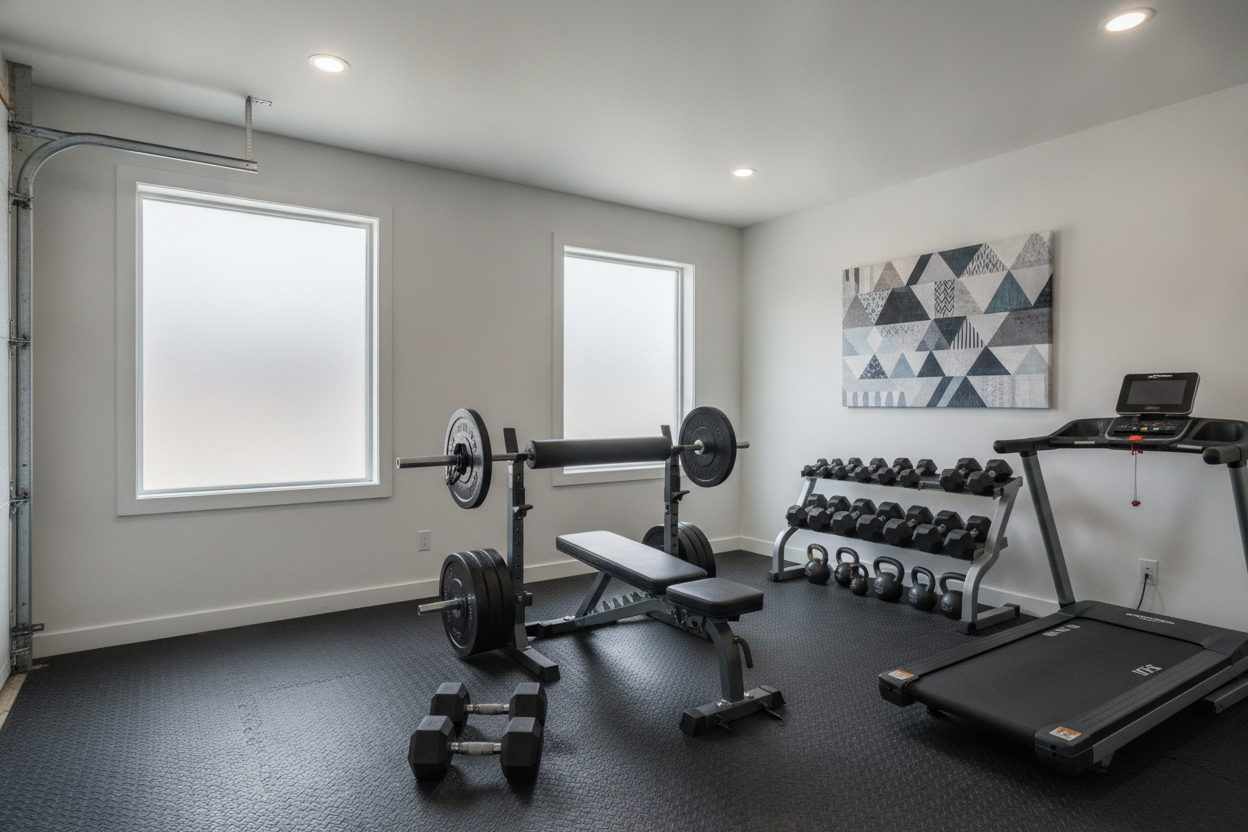
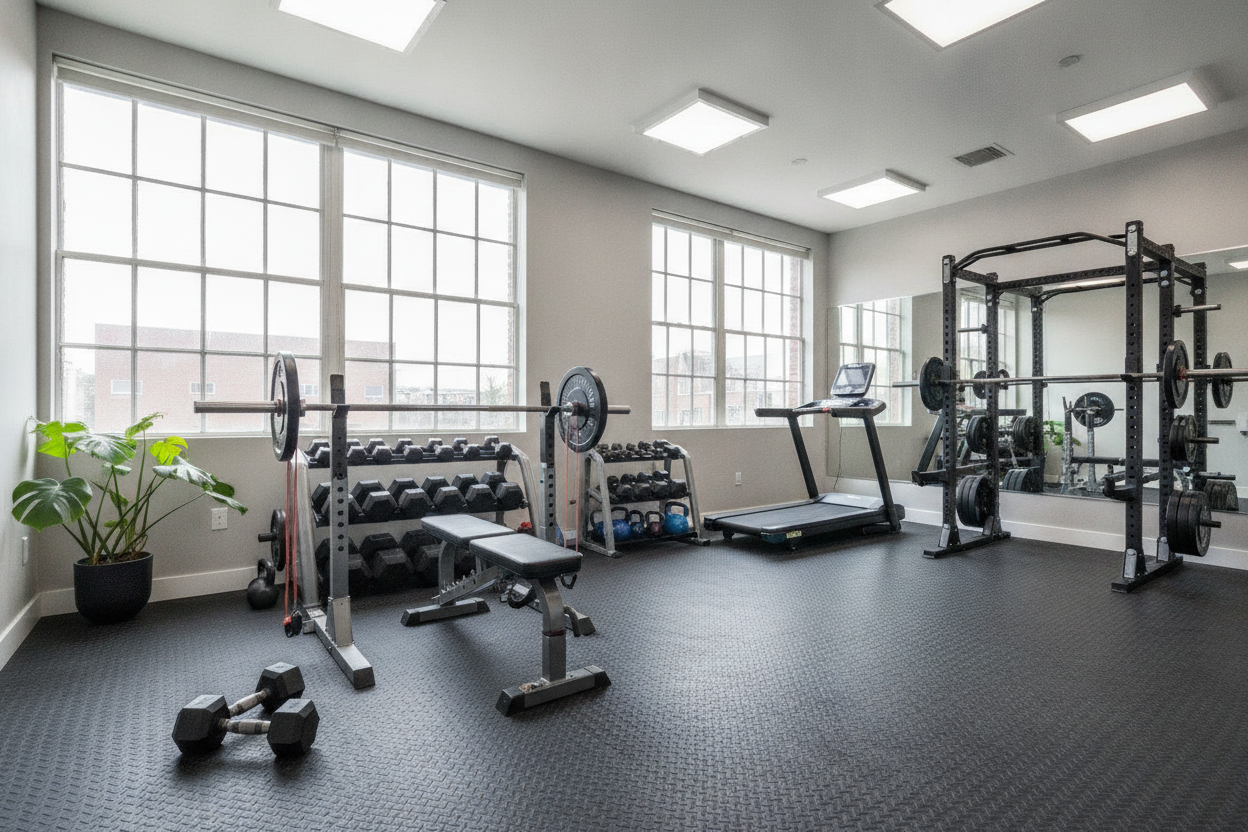
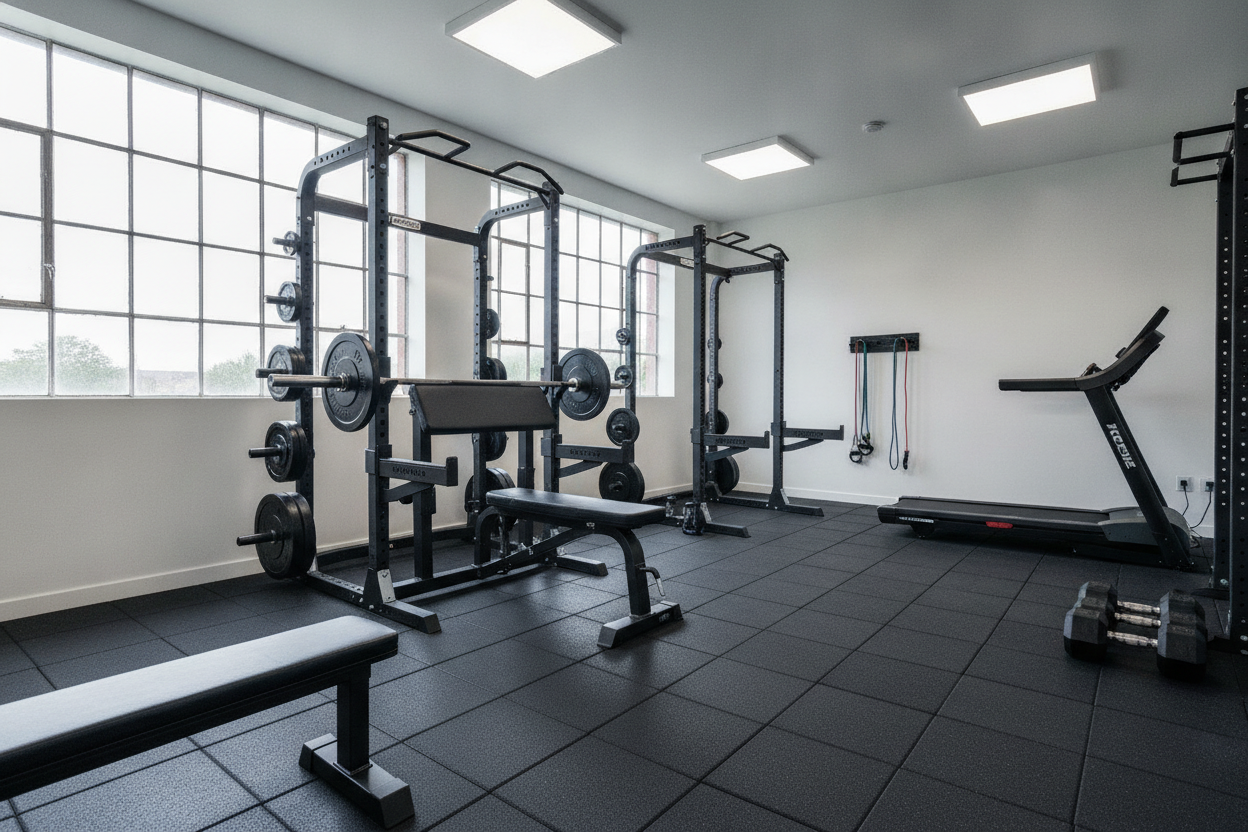
When you are setting up your home gym with a standard weight set and bench, you want to prioritize the movement that requires the most focus. Once you've finished your heavy sets of squats, move to the thrusts. This allows you to push the glutes to failure safely. In a home gym environment, safety is your responsibility, so don't compromise your spine just to get a better pump in the first ten minutes of your workout.
Dialing In Your Home Setup for Heavy Glute Work
The biggest hurdle for home gym owners isn't the weight—it's the stability. If you are using a standard flat bench against a wall, it’s probably going to tip or slide once you cross the 300-lb mark. I’ve personally dented my drywall trying to brace a bench that wasn't meant for 400-lb thrusts. It’s annoying, it’s loud, and it ruins your concentration.
If you are serious about this movement, a dedicated hip thrust bench is one of the few 'luxury' items that is actually worth the floor space. It stays put, it’s the right height (standard benches are often too tall, which messes up your leverage), and it saves your upper back from the bruising that comes from a hard bench edge. If you're going to load up a heavy deadlift and hip thrust, you need a platform that won't give out before you do.
FAQ
Do hip thrusts help with conventional or sumo deadlifts more?
They help both, but the carryover is often felt more in conventional pulls. Sumo deadlifts rely more on hip adduction and quad drive, while conventional pulls are more purely dependent on that posterior hinge power during the lockout.
How often should I hip thrust for deadlift gains?
Twice a week is the sweet spot. One heavy day (5-8 reps) and one hypertrophy day (12-15 reps). This ensures you are building both the strength and the muscle size needed to support a heavy pull.
Can I replace deadlifts with hip thrusts?
No. If you want a bigger deadlift, you have to deadlift. The hip thrust is a specialized tool to fix a specific weakness (the lockout). It doesn't train the grip, the back, or the floor-speed required for a complete deadlift.