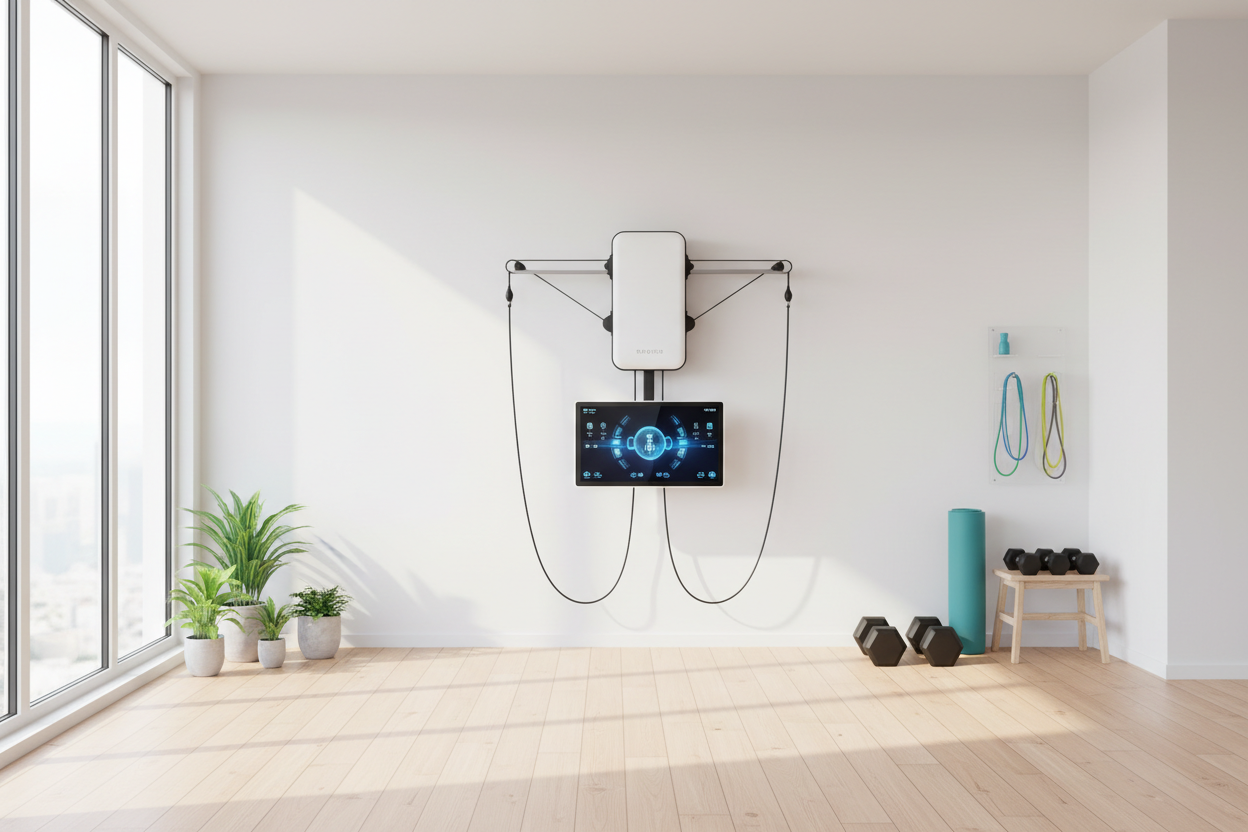
The Best Tonal Alternatives: Smart Home Gyms That Won't Break the Bank
If you've been eyeing Tonal's sleek wall-mounted design but hesitating at the $4,000+ price tag and monthly subscription fees, you're not alone. The good news? Several home gym systems now offer similar electromagnetic resistance training, AI-powered coaching, and compact designs without requiring you to take out a second mortgage.
The market for smart home gyms has exploded, giving fitness enthusiasts multiple options beyond Tonal's premium offering. Whether you're looking for equipment like Tonal with no subscription requirements, a cheaper version of Tonal, or simply a different approach to strength training at home, there's likely a tonal alternative that fits your budget and workout style.
Top Competitors to Tonal Worth Considering
Vitruvian Trainer+ stands out as one of the most direct machines similar to tonal. This Australian-made system uses digital resistance technology that adjusts up to 440 pounds of resistance automatically during your workout. Unlike Tonal's wall-mounted design, the Vitruvian is portable and can be stored under a bed. The price point sits around $2,500, making it a more accessible option, though it still requires a subscription for full functionality.
Tempo Move represents a different take on the smart home gym concept. Rather than electromagnetic resistance, it uses free weights with AI-powered form tracking through your smartphone camera. At roughly $500 for the starter package, it's significantly cheaper than tonal and offers a more traditional weightlifting experience. The subscription runs about $40 monthly, but you're getting personalized coaching and 3D motion tracking that corrects your form in real-time.
For those seeking a tonal alternative with no subscription, the Kabata system deserves attention. This wall-mounted pulley system uses actual weight plates rather than digital resistance, giving you the cable-machine experience without ongoing fees. You'll miss out on AI coaching and automatic resistance adjustment, but you get a solid workout system for around $1,200 with zero monthly costs.
Budget-Friendly Systems Like Tonal
Amp Fitness might not have Tonal's name recognition, but when comparing amp fitness vs tonal, the value proposition becomes interesting. Amp offers electromagnetic resistance technology similar to Tonal at roughly half the price. The catch? The build quality doesn't quite match Tonal's premium feel, and the exercise library is smaller. Still, for someone wanting the core technology without the premium price, it's worth considering.
REP Fitness Ares is another machine like tonal that takes a hybrid approach. This functional trainer uses traditional weight stacks but incorporates smart features like workout tracking and guided programs. At around $2,000 without subscription requirements, it bridges the gap between old-school cable machines and modern smart gyms. The resistance feels more natural to many users who grew up with traditional weight training.
I spent three months testing various home gym systems after my building management rejected my request to install Tonal (apparently drilling into the wall violated my lease). The Vitruvian Trainer+ became my solution, and while I initially mourned not having Tonal's sleek interface, I've grown to appreciate the portability. Being able to move it between rooms or take it when traveling has proven more valuable than I expected.
Understanding What Makes a Good Tonal Dupe
Not every product marketed as similar to tonal actually delivers comparable results. The key features that define a quality tonal competitor include adjustable resistance that challenges you across a wide range (ideally 5-200+ pounds), a compact footprint suitable for apartments or small homes, and some form of workout guidance whether through an app or built-in screen.
Digital resistance technology is what separates true tonal type machines from basic cable systems. This electromagnetic or motorized resistance allows for features like eccentric training (where the weight increases during the lowering phase) and automatic adjustments based on your fatigue level. If a system doesn't offer this, it's more of a space-saving gym than a genuine tonal equivalent.
How to Get Tonal Cheaper (Or Choose Smarter Alternatives)
If you're set on Tonal specifically, timing your purchase around major sales events can save you several hundred dollars. Black Friday, New Year's, and occasionally mid-summer promotions have offered up to $500 off. Tonal also runs referral programs where existing members can share discount codes.
However, exploring a tonal home gym alternative often makes more financial sense. Calculate the total cost of ownership over five years: Tonal runs roughly $6,000 ($4,000 equipment + $2,000 in subscriptions), while alternatives like the Vitruvian cost around $4,900 total, and subscription-free options like Kabata stay under $1,500.
For Canadian shoppers searching for a tonal alternative canada, import fees and shipping can add 20-30% to Tonal's already steep price. Tempo Move ships to Canada with more reasonable fees, and some Canadian retailers now carry Vitruvian, making these more practical choices north of the border.
Comparing Specific Matchups
The total gym vs tonal comparison comes up frequently, but these are fundamentally different products. Total Gym uses bodyweight and incline adjustments for resistance, making it better for rehabilitation and beginners. Tonal offers significantly heavier resistance and more advanced training programs, targeting serious strength builders.
When evaluating what is comparable to tonal in terms of overall experience, consider what matters most to you. If form correction is your priority, Tempo's 3D tracking might serve you better than Tonal's 2D camera. If maximum resistance is crucial for your deadlifts and squats, neither Tonal nor most of its competitors can truly replace a barbell—you might need a hybrid approach with traditional equipment.
For those researching a vitruvian form alternative, note that Vitruvian recently discontinued their Form model in favor of the Trainer+. The technology has improved significantly, offering better resistance curves and more exercise variety than the original.
The Subscription Question
Many workout machines like tonal now follow the hardware-plus-subscription model that Peloton popularized. This creates ongoing revenue for companies but frustration for consumers who want to own their equipment outright. If you're philosophically opposed to subscriptions, prioritize systems like REP Fitness Ares, Kabata, or even traditional cable machines with app-based workout programs you can access independently.
That said, subscriptions aren't inherently bad if they deliver value. The content libraries, form tracking, and progressive programming offered by Tonal, Tempo, and similar platforms can replace the need for a personal trainer. Calculate whether $50 monthly for guided workouts costs less than your current gym membership or training sessions.
Making Your Decision
Choosing among things like tonal ultimately depends on your specific situation. Renters who can't drill into walls should look at portable options like Vitruvian or Tempo. Those on tight budgets might start with Tempo Move and add traditional weights over time. Serious lifters who need 300+ pounds of resistance might need to accept that no current tonal type home gym fully replaces a proper barbell setup.
The smart home gym market continues evolving rapidly. New products like tonal keep emerging, often learning from earlier models' shortcomings. What seems like a better than tonal option today might be surpassed by next year's innovation. Focus on what solves your current workout needs rather than chasing the absolute latest technology.
Before committing to any home gym similar to tonal, try to test the equipment if possible. Some companies offer trial periods, and certain fitness equipment stores now have demo units. The difference between electromagnetic resistance and traditional weights feels significant—you want to know which you prefer before spending thousands of dollars.
Frequently Asked Questions
Can I build muscle effectively with Tonal alternatives?
Yes, most quality tonal competitors provide sufficient resistance (100-440 pounds) for muscle building in the majority of users. The key is progressive overload, which these systems enable through digital resistance adjustments. Very advanced lifters who squat or deadlift 400+ pounds may eventually need traditional barbells for lower body work, but upper body and accessory movements work excellently on these systems.
Do cheaper Tonal alternatives last as long?
Build quality varies significantly among tonal type machines. Premium alternatives like Vitruvian generally match Tonal's durability, while budget options under $1,500 may have shorter lifespans. Check warranty terms—reputable companies offer at least 3-5 years on frames and 1-2 years on electronics. User reviews mentioning longevity beyond the first year are particularly valuable.
Is Tonal worth it over alternatives if money isn't a concern?
Tonal offers the most polished user experience, largest exercise library, and most refined AI coaching among current options. If budget isn't a constraint and you can install it properly, Tonal delivers excellent value for serious home gym users. However, portable alternatives offer flexibility that wall-mounted Tonal can't match, which matters for some lifestyles more than premium features.