The Best Strength Training for Women Over 50 Doesn't Use Machines
I remember walking into a local commercial gym and seeing a row of women my age locked into leg extension machines, scrolling their phones while their quads did all the work. It looked like a waiting room, not a workout. If you want results that actually show up when you're hoisting a 40-pound bag of mulch or chasing a grandchild, the best strength training for women over 50 happens off the seat and on your feet.
The fitness industry has spent decades telling women that free weights are 'dangerous' and machines are 'safe.' I've spent twenty years in garage gyms proving the opposite. Real strength isn't about how much you can push on a fixed track; it's about how well you control a weight in space.
Quick Takeaways
- Free weights build bone density and balance better than seated machines.
- Compound movements (squats, hinges, pushes) provide the best ROI for your time.
- Three full-body sessions per week is the 'sweet spot' for recovery.
- You only need a few key pieces of gear to start a home gym.
The False Safety of Seated Gym Equipment
Commercial gyms are packed with weight lifting machines because they are easy to teach, not because they are effective. When you sit in a chest press machine, the equipment handles all the stabilization. Your core goes to sleep, and your rotator cuff muscles stop working because the machine won't let the weight wobble.
This creates a 'false strength.' You might be able to push 100 pounds on a machine, but the moment you try to lift a heavy box off a high shelf, your stabilizing muscles aren't prepared for the load. For women over 50, functional movement is the priority. We need our bodies to work as a single unit, not a collection of isolated parts.
Why Free Weights Win the Longevity Game
Standing on your own two feet while holding a dumbbell forces your body to fight gravity in every direction. This 'micro-instability' is exactly what builds bone density. Research consistently shows that axial loading—putting weight through your spine and hips while standing—is the best way to combat osteopenia.
Beyond bones, free weights demand balance. Every time you perform a lunge or a one-arm row, your brain is communicating with your muscles to keep you upright. That proprioception is your best insurance policy against falls as you age. I'd rather see you wobble slightly with a 10-pound dumbbell than sit perfectly still on a $3,000 leg press.
The Best Strength Training Exercises for Women Over 50
You don't need fifty different moves. You need five or six that you do exceptionally well. The best strength training exercises for women over 50 focus on the 'big' patterns: the squat, the hinge, the push, and the pull.
Start with the Goblet Squat. Hold a single dumbbell against your chest like a chalice and sit back into your heels. It naturally corrects your form. For your back, use an adjustable weight bench for one-arm rows or chest-supported rows. This protects your lower back while allowing you to pull enough weight to actually build muscle. Finally, don't skip the Romanian Deadlift (RDL). It’s the single best move for strengthening the hamstrings and glutes, which act as the 'body armor' for your lower back.
Structuring the Best Strength Training Program for Women Over 50
Recovery is the variable that changes most as we cross 50. You can still lift heavy, but you can't lift heavy every day. The best strength training program for women over 50 usually involves three full-body days a week with at least one day of rest in between. This isn't the high-volume strength training program for women over 40 you might have followed a decade ago; it’s about quality over quantity.
Aim for 2 to 3 sets of 8 to 12 repetitions. This range is the 'Goldilocks zone'—heavy enough to build bone and muscle, but light enough that you can maintain perfect form. If you can do 15 reps easily, the weight is too light. If you're grunting and losing form at 5 reps, it’s too heavy. Listen to your joints, but don't be afraid to challenge your muscles.
Gearing Up: The Bare Minimum for Your Garage
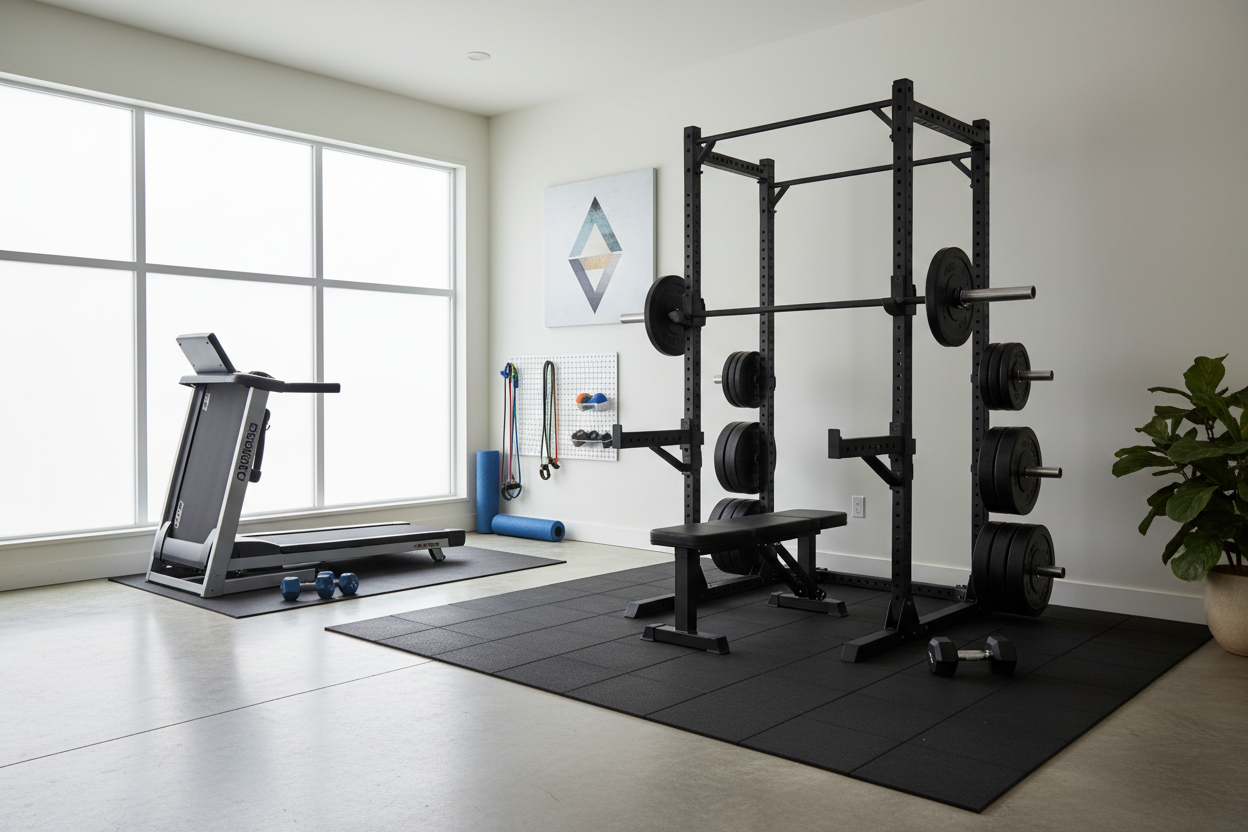
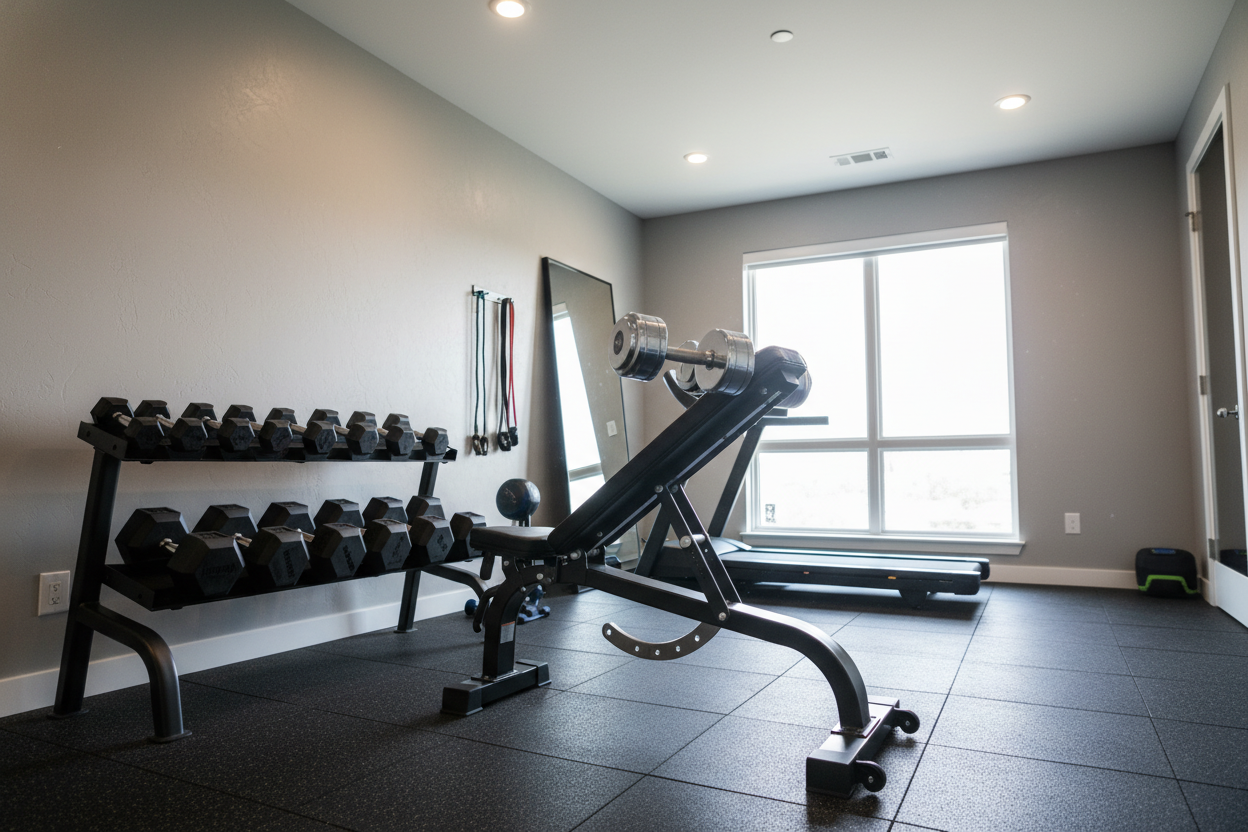
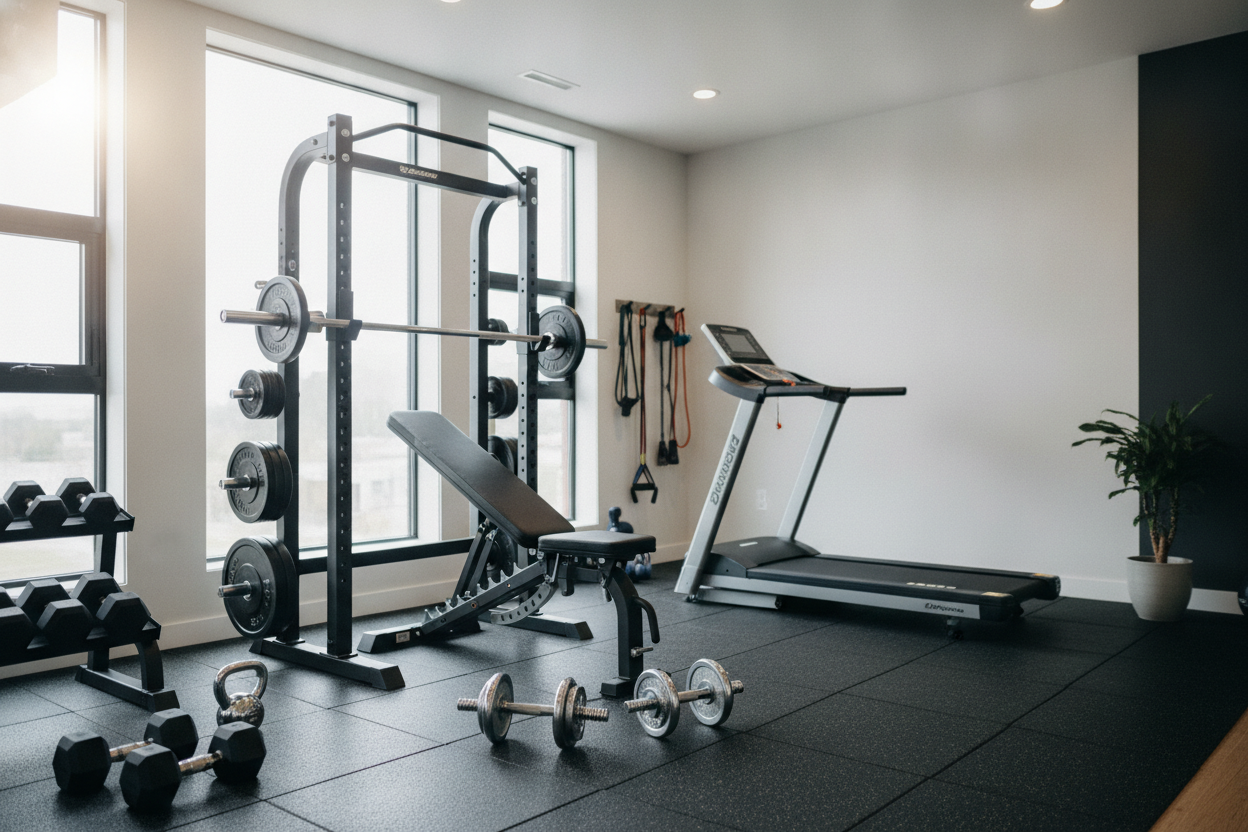
You can perform the best weight training for women over 50 in a 6x8 foot space. You don't need a cable crossover or a smith machine. A solid set of adjustable dumbbells (the ones that go from 5 to 50 pounds are perfect) and a few strength training accessories like long loop resistance bands will get you 90% of the way there.
I also recommend a pair of fractional plates or 'micro-loads.' Adding 5 pounds to a lift can be a huge jump when you're working on overhead presses. Being able to add just 1.25 or 2.5 pounds allows you to progress steadily without hitting a wall or straining a shoulder. It’s the smartest $20 you’ll spend on your gym.
How to Keep Progressing Into Your Sixties
Strength training isn't a 'challenge' you finish; it's a lifestyle you maintain. As you move forward, the goal is 'progressive overload.' This doesn't always mean more weight. It can mean better range of motion, shorter rest periods, or more control during the lowering phase of the lift. Eventually, you’ll be looking for strength training for women over 60, and because you started with free weights now, you'll have the foundation to stay capable and independent.
My Personal Take
I learned this the hard way. A few years ago, I got lazy and switched to a machine-heavy routine because I was tired. Within three months, my nagging lower back pain returned and my balance felt 'off' during my morning runs. I went back to basic barbell and dumbbell movements, and the pain vanished. Machines are a supplement, not the main course. Don't let a gym's marketing department convince you that you're too fragile for free weights.
FAQ
Will lifting weights make me look bulky?
No. Women over 50 don't have the testosterone levels to 'accidentally' look like a bodybuilder. You will simply look firmer and move with more confidence.
What if I have bad knees?
Free weights are actually better for bad knees because you can adjust your foot position to find a pain-free range of motion. Machines force you into a fixed path that might not suit your anatomy.
How long should my workouts be?
45 to 60 minutes is plenty. If you are training with enough intensity, you won't want to stay longer than that anyway.