The Best Exercise Ever Explained: Gear Up for Maximum Gains
If you have ever hit a frustrating training plateau or found yourself short on time, you are likely searching for the ultimate movement to maximize your results. You want the best exercise ever—a single, highly efficient movement that builds strength, burns calories, and fortifies your body against injury.
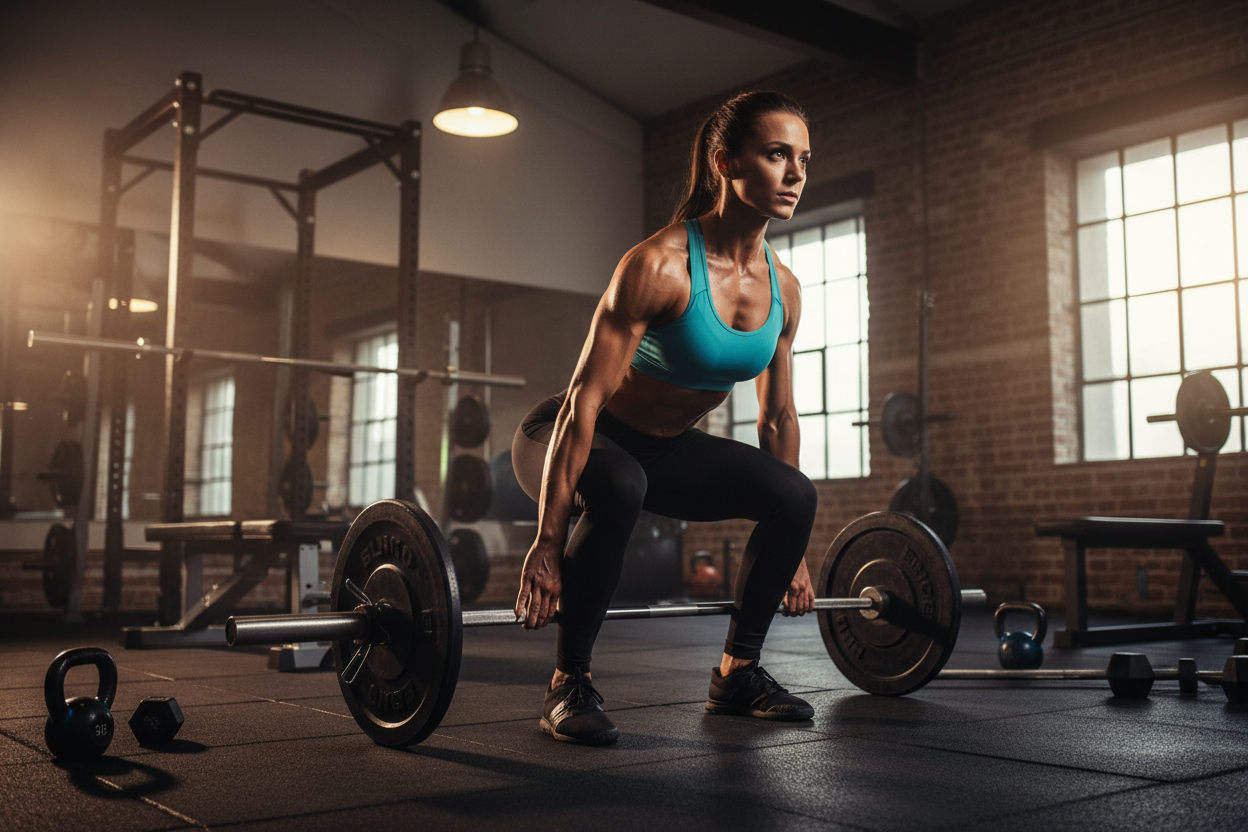
While fitness is highly personal, strength coaches and home gym veterans universally agree on one movement that wears the crown: the barbell deadlift. In this guide, we will break down why this foundational pull earns its title, how to execute it safely, and the essential equipment you need to perform it in your garage or basement gym without wrecking your floors.
Key Takeaways
- The barbell deadlift recruits more muscle mass in a single repetition than any other movement.
- Building your home gym around this exercise requires minimal space—usually just an 8x6 foot footprint.
- Investing in a high-quality barbell with good whip and aggressive knurling makes a massive difference in grip security.
- Proper floor protection (like horse stall mats or drop pads) is non-negotiable for heavy home lifting.
- Pairing heavy pulls with proper recovery leads to the best workout ever, every single time.
Why the Deadlift Takes the Top Spot
Unmatched Muscle Activation
When we talk about maximizing your training economy, the deadlift is unrivaled. It targets the entire posterior chain—hamstrings, glutes, erectors, lats, and traps—while heavily taxing your core and grip. Instead of buying five different isolation machines for your home gym, mastering this one movement provides a total-body stimulus that forces adaptation and growth.
Real-World Functional Strength
Beyond building muscle, picking heavy things up off the floor translates directly to everyday life. Whether you are moving furniture, carrying heavy bags of mulch, or wrestling with your kids, the mechanics of a proper hip hinge protect your lower back and build resilient, functional power.
Equipping Your Space for the Ultimate Pull
Selecting the Right Barbell
Not all barbells are created equal, especially when you are chasing heavy numbers. For the ultimate pulling experience, you want a bar with a high tensile strength (minimum 190,000 PSI) and a knurling pattern that grips your hands without tearing your calluses. A standard 28.5mm or 29mm diameter works best for most lifters, providing the perfect balance of stiffness and grip security.
Floor Protection and Bumper Plates
The biggest hesitation people have about deadlifting at home is the fear of cracking their concrete garage floor. To safely perform heavy lifts, you need a solid foundation. We highly recommend a layered approach: a 3/4-inch rubber stall mat combined with high-density bumper plates. If you are lifting in an upstairs apartment or a finished basement, adding crash pads or a dedicated lifting platform will drastically reduce noise and vibration.
From Our Gym: Honest Take
When I first started outfitting my two-car garage gym, I was obsessed with getting a massive cable crossover machine. But after realizing how much space it took up, I pivoted back to the basics. I bought a cerakote power bar and a set of recycled crumb rubber bumpers.
Here is my honest takeaway: The knurling on a premium bar is noticeably more aggressive than cheap big-box store bars—my chalked grip held solid through heavy 405-pound sets even during humid August workouts. One caveat I learned the hard way? Garage floors slope toward the driveway for drainage. I had to build a leveled plywood platform so my barbell would not roll away between reps. It is a minor detail most product pages completely ignore, but leveling your lifting area is crucial for safety.
Frequently Asked Questions
What makes a movement the best exercise ever?
The best exercises are compound, multi-joint movements that recruit maximum muscle mass, allow for progressive overload, and mimic natural human movement patterns. The deadlift fits all these criteria perfectly.
Can I do this with dumbbells instead of a barbell?
Absolutely. Dumbbell or kettlebell deadlifts are fantastic variations, especially for beginners or those with extreme space constraints. However, a barbell allows for much greater load progression as your strength increases over time.
How much space do I actually need to deadlift at home?
A standard men's Olympic barbell is 7.2 feet long. You will want at least a foot of clearance on either side to comfortably load and unload plates. An 8-foot by 6-foot dedicated floor space is the sweet spot for a safe, comfortable lifting zone.