The Anterior Shoulder Workout That Finally Fixed My Strict Press
I spent three years wondering why my overhead press was stuck at 135 pounds while my bench climbed toward 300. I had the chest of a powerlifter and the vertical pressing power of a middle schooler. I realized my anterior shoulder workout consisted entirely of 'incidental' work from heavy benching, and it wasn't cutting it. My front delts were underdeveloped, leaving me unstable the moment the bar cleared my forehead.
- Focus on Flexion: Direct anterior work is about humerus elevation, not just pushing.
- Isolation Matters: Front delts need more than just bench press carryover.
- Stability is King: You can't press heavy weight if your feet are sliding on a dusty garage floor.
- Joint Health: Use neutral grips on raises to keep the AC joint happy.
The Myth That Bench Pressing Is Enough for Front Delts
For a long time, the standard advice was simple: 'Just bench heavy and your front delts will grow.' It sounds logical. The anterior delt is heavily involved in the bottom half of a bench press. But here is the reality: the bench press is a horizontal movement that emphasizes the pec-delt tie-in rather than the full contractile range of the shoulder. When you rely solely on the flat bench, your front delts become 'assistance' muscles rather than 'prime movers.'
This creates a massive gap in your strength profile. In a bench press, the chest takes the brunt of the load. When you transition to a vertical press, that chest support vanishes. If you haven't built a specific anterior shoulder workout to handle that vertical load, you'll find your bar path shaking and your lockout failing. I found that my front delts were actually quite weak in isolation, which meant they couldn't stabilize the heavy weights I wanted to move overhead. You need to stop viewing the front delt as a byproduct of chest day and start treating it as the engine of your vertical power.
Anatomy 101: Why You Need a Dedicated Anterior Head Workout
The anterior deltoid is responsible for shoulder flexion—lifting your arm in front of you. While it works during every pressing movement, its leverage changes significantly based on the angle of your torso. To truly maximize growth and strength, an anterior head workout must target this muscle through its full range of motion. This isn't just about 'mirror muscles'; it's about building a structural base that supports the entire shoulder girdle.
When you look at a science based workout for shoulder mass, you'll see that the front delt often dictates how much total volume you can handle. If the front delt is the weak link, your lateral and posterior delts will never reach their potential because your heavy compound sets will be cut short. By strengthening the anterior head directly, you create a more stable platform for the humerus, which reduces the 'shearing' sensation many lifters feel during heavy sets. It’s about building a shoulder that looks like a cannonball and functions like a crane.
My 3-Move Anterior Shoulder Workout
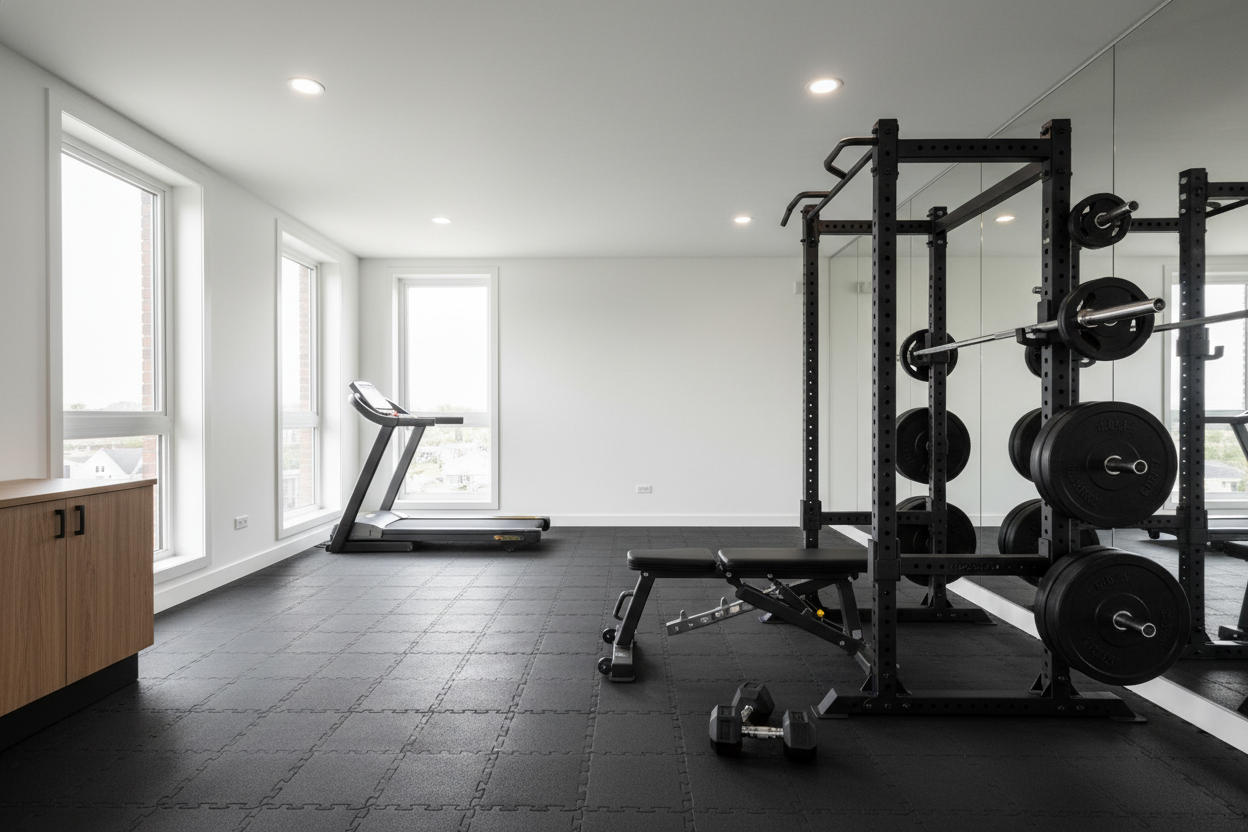
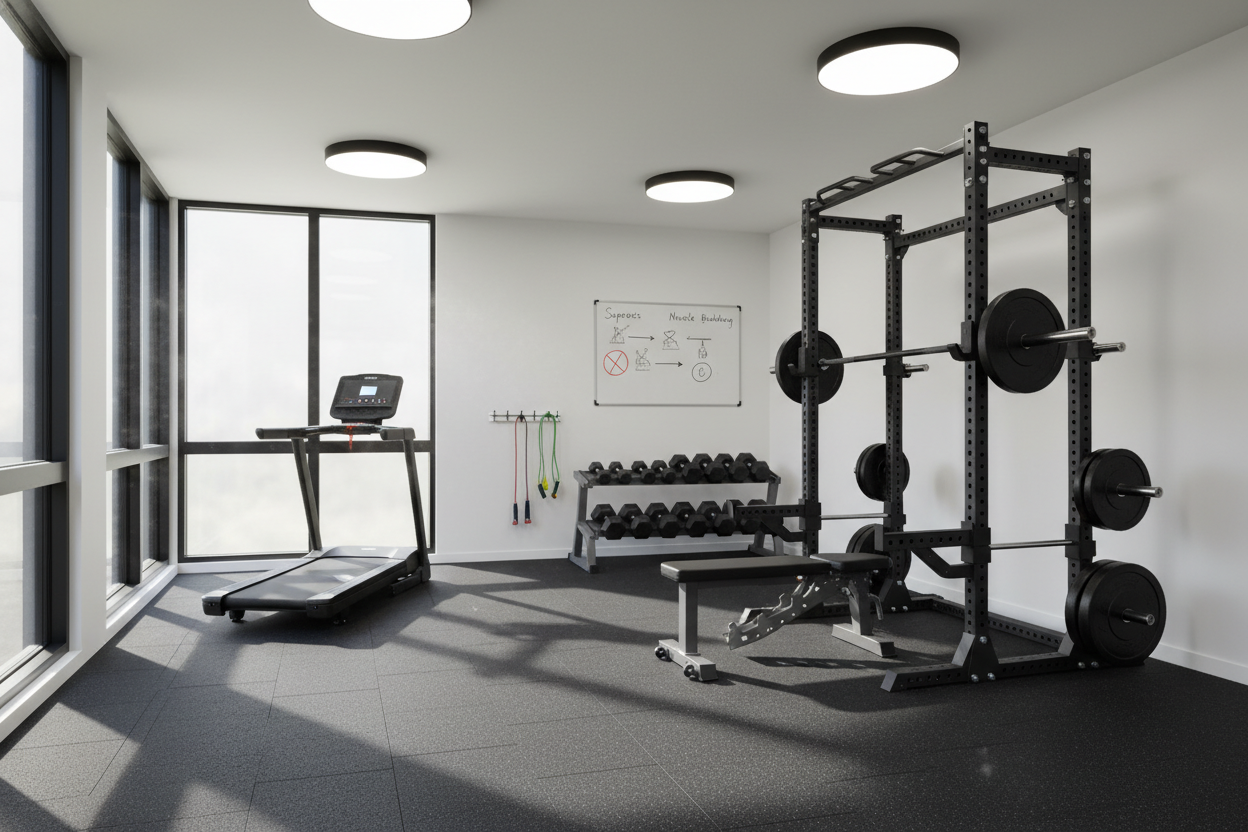
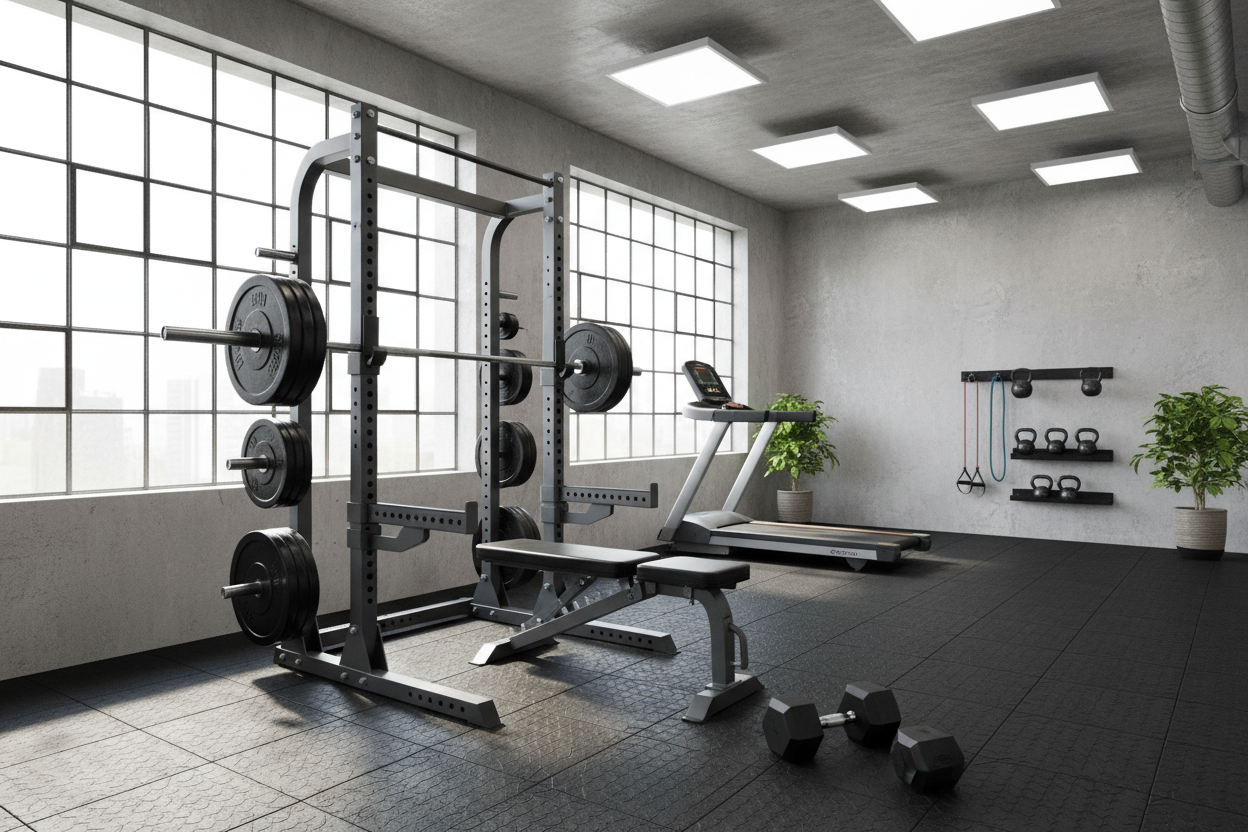
In my garage gym, I don't have time for 15 different fluff exercises. I need moves that work. This three-move routine is what I used to finally push my strict press past the 200-pound mark. It’s simple, brutal, and hits the anterior head from every necessary angle.
First, the Strict Seated Barbell Press. I prefer doing these seated in a rack with no back support. Why? Because it removes the ability to use leg drive (turning it into a push press) while forcing your core and front delts to stabilize the weight without leaning back into a bench. I usually aim for 4 sets of 6-8 reps. If you find yourself leaning back too far, the weight is too heavy. You want the load directly over your front delts, not your upper pecs.
Second, Dumbbell Front Raises with a Thumbs-Up Grip. Most people do these with a palms-down grip, which can pinch the shoulder for many lifters. By using a neutral (thumbs-up) grip, you open up the shoulder joint and put the anterior delt in a position of mechanical advantage. I do these for 3 sets of 12-15 reps. Focus on a slow eccentric—don't let the weights just drop. You’re building muscle here, not swinging for momentum.
Finally, Banded Push-aways. This is the 'finisher' I found in an old training manual. Anchor a light resistance band at shoulder height behind you. Grab the handles and push forward and slightly upward, as if you're trying to punch the ceiling 5 feet in front of you. The constant tension of the band at the end of the range of motion creates a pump that is honestly borderline painful. Do 2 sets of 30 reps to flush the muscle with blood. If you're looking for more ways to tailor your training, check out our workout hub for specialized routines.
How to Program Front Delts Without Wrecking Your Joints
The biggest mistake lifters make is adding a heavy anterior shoulder workout the day before or after a heavy chest day. Your front delts are already taking a beating during any flat, incline, or decline press. If you stack these workouts too closely, you're begging for shoulder impingement or tendinitis. I learned this the hard way when my left shoulder started clicking so loudly it sounded like a metronome.
I recommend a 48-hour buffer between heavy horizontal pressing and dedicated front delt work. If you follow a Push/Pull/Legs split, integrate the front delt work at the end of your 'Push' day, but reduce your bench volume slightly to compensate. This allows you to hit the muscle with high intensity without overtraining the joint. Also, pay attention to your 'internal rotation.' If you spend all day hunched over a desk and then go smash your front delts, you're asking for trouble. Always pair this work with plenty of face pulls and rear delt flies to keep the joint centered.
Don't Ignore Your Pressing Base
One thing I realized after moving my training from a commercial gym to my garage was that my floor sucked. I was trying to do heavy seated and standing presses on smooth concrete. Every time I reached the sticking point of a lift, my feet would micro-slide, killing my force production. You can't build massive shoulders if your foundation is shaky. Investing in a high-traction gym flooring for home workout was a literal 'aha' moment for me. It allowed me to dig my heels in and actually drive the weight up rather than worrying about doing the splits mid-set. If you're training in a home environment, don't overlook the surface you're standing on.
Personal Experience: The Day I Realized I Was Weak
I remember trying to show off for a buddy by attempting a 185-lb strict press. I had a 315-lb bench, so I figured it would be easy. I got the bar to my chin, and then my shoulders just... gave up. It wasn't my triceps or my back; my front delts felt like they had no 'gear' to shift into. I spent the next six months focusing on the routine above, stopped ego-lifting on the bench, and finally built the anterior strength I needed. The downside? I had to buy new shirts because my shoulders actually started filling out the sleeves.
FAQ
Can I do front raises every day?
No. Your delts are small muscles, but they require recovery just like your legs. Stick to 2-3 times a week max, ensuring you have rest days between heavy pressing sessions.
Should I use a barbell or dumbbells for front delts?
Dumbbells are generally better for isolation because they allow for a more natural path of motion and a neutral grip, which is safer for the joints. Save the barbell for the heavy compound presses.
Why do my shoulders click during front raises?
Usually, it's due to internal rotation. Try switching to a 'thumbs-up' grip and don't raise the weights above shoulder height. If it still hurts, see a PT—don't push through joint pain.