The 4-Move Gaining Weight Exercise Routine Built for Hardgainers
I remember staring at my 145-pound frame in a cracked mirror in my unheated garage, wondering why the hell I wasn't growing. I was eating until I felt sick, but my gaining weight exercise routine consisted of endless bicep curls and cable flyes that did exactly zero for my scale weight. I was chasing a pump when I should have been chasing a heavier barbell. If you're tired of being the smallest guy in the room despite 'trying everything,' it's time to stop training like a fitness model and start training like a forklift.
Quick Takeaways
- Prioritize compound lifts that recruit the most muscle fibers possible.
- Progressive overload is the only way to force a stubborn metabolism to adapt.
- Keep cardio low-intensity to protect your calorie surplus.
- Ditch the isolation machines for heavy free weights and a sturdy bench.
Stop Blaming Genetics (Your Gym Routine Is Probably Just Fluff)
Most guys who complain about 'hardgainer' genetics are actually just victims of junk volume. They spend forty minutes on 'arm day' doing four different types of curls. If you're asking what exercise makes you gain weight, you're looking for a magic bullet that doesn't exist in isolation. You don't gain weight by targeting small muscles; you gain weight by creating a systemic demand for growth that forces your entire body to hold onto calories.
Mechanical tension is the king of mass. To get big, you have to move big weight. When you focus on weight gain fitness, you're looking for movements that allow for the most loading. Your body isn't going to build a massive chest because you did some pec deck reps. It builds a massive chest because it’s terrified of the 225-pound bar you’re trying to press off your sternum. If you aren't sweating through your shirt and feeling a little nervous before your top set, you aren't lifting heavy enough to trigger growth.
Stop worrying about 'toning' or 'definition.' Those are words for people who already have muscle. Your job is to build the slab of granite first. That means focusing on the big four. Anything else is just decorative fluff that's eating into your recovery time and your calorie budget. If it doesn't involve a barbell or a heavy dumbbell, it's probably not the priority right now.
The 4-Move Gaining Weight Exercise Protocol I Swear By
This is the exact gym workout gain weight plan I used to finally break my plateau. It isn't fancy, and it isn't 'innovative.' It’s just hard work. We focus on four moves: the Squat, the Deadlift, the Bench Press, and the Heavy Row. These are non-negotiable. They trigger the central nervous system and hormonal response required to actually pack on pounds.
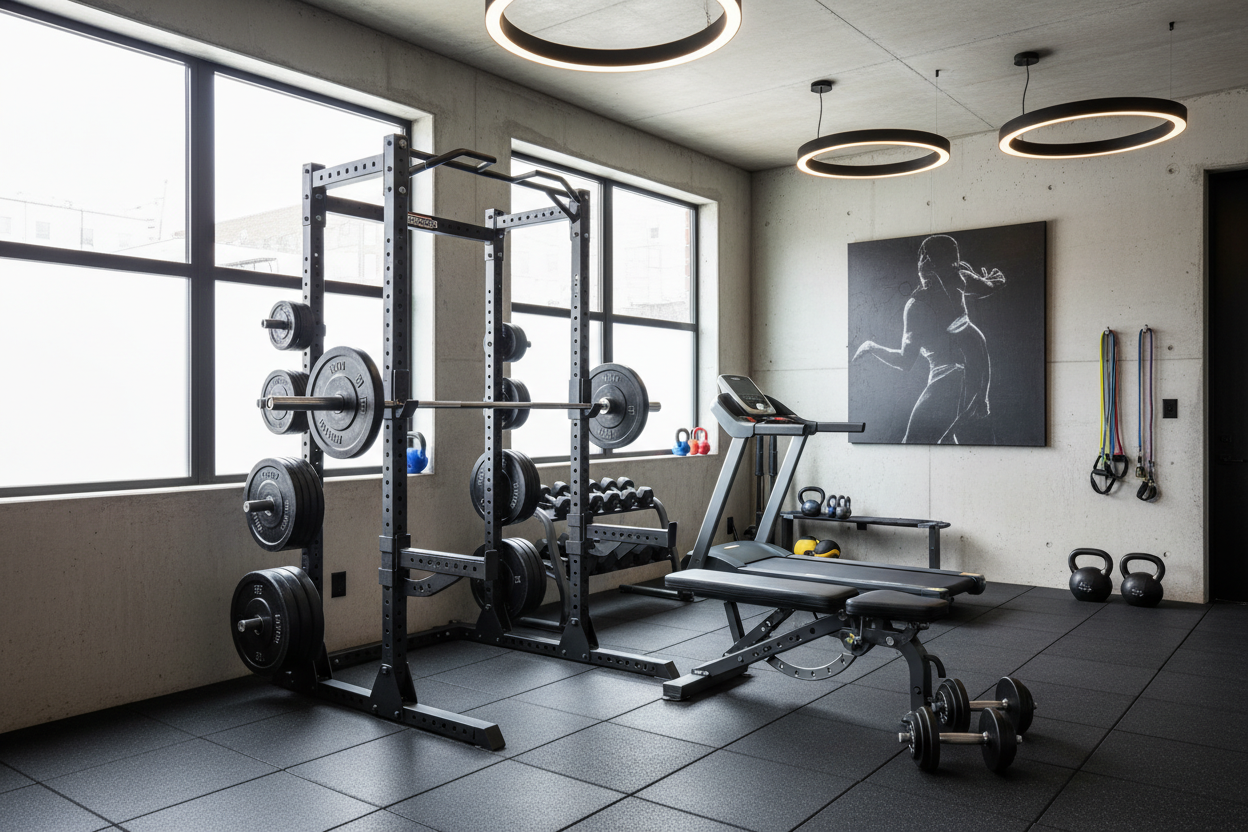
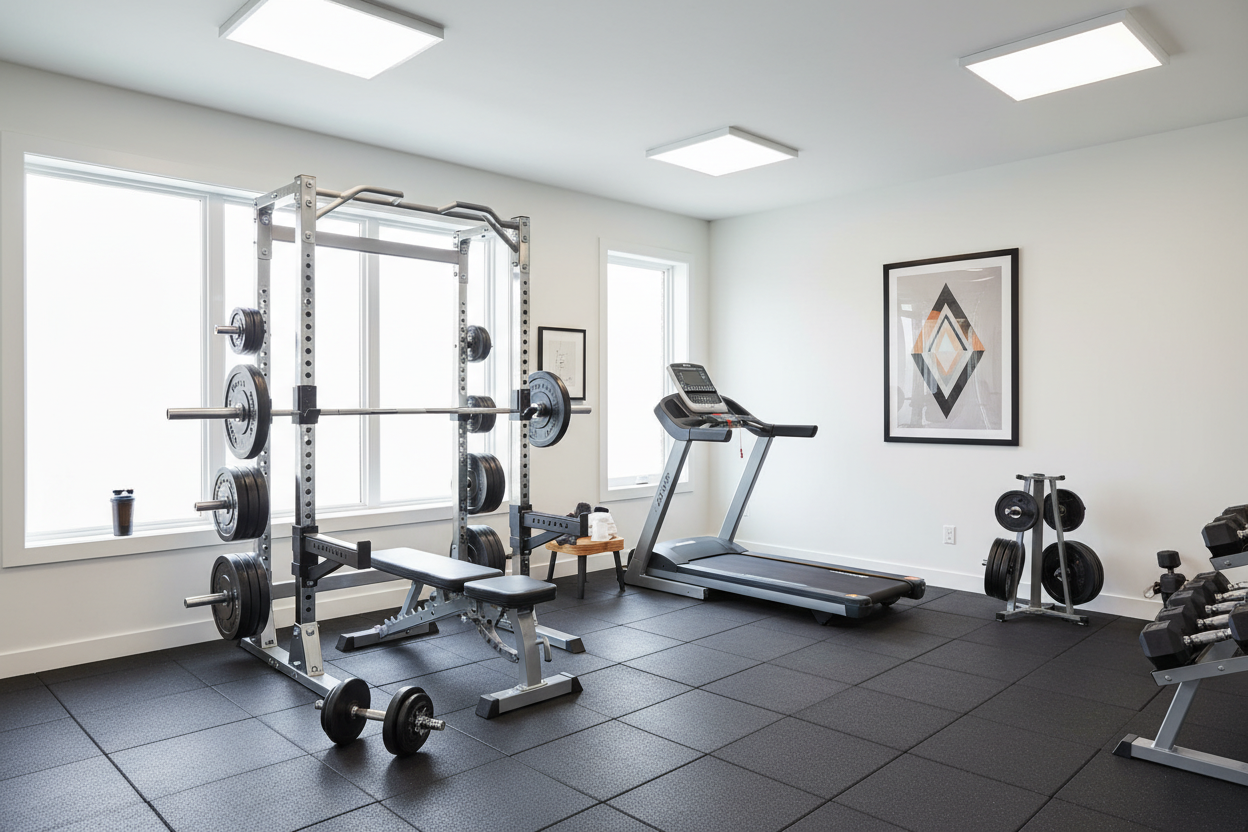
The Squat is the foundation. It’s the most demanding weight gain exercise in gym history because it uses almost every muscle in your body. I recommend doing these in a solid rack. If you're training at home, the Gxmmat X6 Power Rack Weight Bench Package is a great starting point because it gives you the safety of spotter arms. When you're pushing for that fifth rep of a heavy set, knowing you won't get pinned by the bar is the difference between progress and a trip to the hospital.
Next is the Deadlift. Nothing builds total-body thickness like pulling heavy iron off the floor. Then, we hit the Bench Press for upper body mass and the Row for back thickness. I keep the reps in the 5-8 range. This is the 'sweet spot' for hypertrophy and strength. If you can do 12 reps easily, the weight is too light. Increase it. Every single week, you should be trying to add 2.5 to 5 pounds to the bar. That’s the only way to ensure can working out help you gain weight becomes a reality for your frame.
Consistency here is more important than variety. Don't switch your routine every two weeks because you saw a new TikTok video. Stick to these four moves for six months. Track your numbers. If your squat goes up 50 pounds, I guarantee you’ll be heavier, regardless of your genetics.
The Truth About Weight Gain Cardio Exercise (Should You Skip It?)
The term weight gain cardio exercise sounds like a contradiction. Usually, cardio is for burning calories, which is the last thing a hardgainer wants. However, skipping cardio entirely is a mistake. Your heart is a muscle, too, and if it's weak, your lifting sessions will suffer. You'll gassing out on a set of ten squats not because your legs are tired, but because your lungs can't keep up.
The key is intensity. You want low-impact, steady-state movement. Think of a 20-minute walk at a brisk pace or a light session on a stationary bike. This improves blood flow, which actually helps with recovery by flushing nutrients to the muscles you just thrashed. What you want to avoid is high-intensity interval training (HIIT) or long-distance running. Those activities burn through the very calories you need to build muscle.
I usually tell people to keep their cardio to three days a week, max, and never on the same day as a heavy leg session. You want your legs fresh for the squat rack. If you find your weight stalling on the scale, the first thing to cut isn't your food—it's the extra cardio. Treat your calories like a bank account; don't spend them on the treadmill when you need them for the barbell.
Can Working Out Help You Gain Weight If You're Under-Eating?
The short answer is no. You can have the most perfect weight gain fitness program in the world, but if you're eating like a bird, you'll just end up 'toned' and tired. Lifting weights is the signal to grow, but food is the raw material. You wouldn't try to build an addition on your house without ordering the lumber first. Muscle is metabolically expensive; your body doesn't want to build it unless it has an excess of energy.
I see a lot of people searching for how to gain weight in legs without exercise. Let's be real: that’s just a recipe for getting soft. If you eat a massive surplus and don't lift, the weight isn't going to magically settle in your quads or your chest. It’s going to settle in your gut. You need a cohesive exercise to weight gain strategy where your training intensity justifies the extra calories you're shoving down your throat.
Don't fall for the 'dirty bulk' trap of eating nothing but pizza and shakes, either. You'll feel like garbage and your workouts will suffer. Focus on dense whole foods—steaks, rice, potatoes, and avocados. And for the love of all things heavy, stop trying to gain weight in legs without exercise. It doesn't work. If you want bigger legs, you have to earn them under a heavy bar. There are no shortcuts that don't involve a surgical suite.
The Only Equipment You Actually Need to Pack on Mass
You don't need a 24-hour gym membership and a sea of weight lifting machines to get big. In fact, most of those machines are designed to isolate muscles, which is the opposite of what we want. I’ve built more mass in a 10x10 garage space with a barbell than I ever did in a commercial gym full of chrome and leather. Machines dictate your path of motion; free weights force you to stabilize the load, which recruits more muscle fibers.
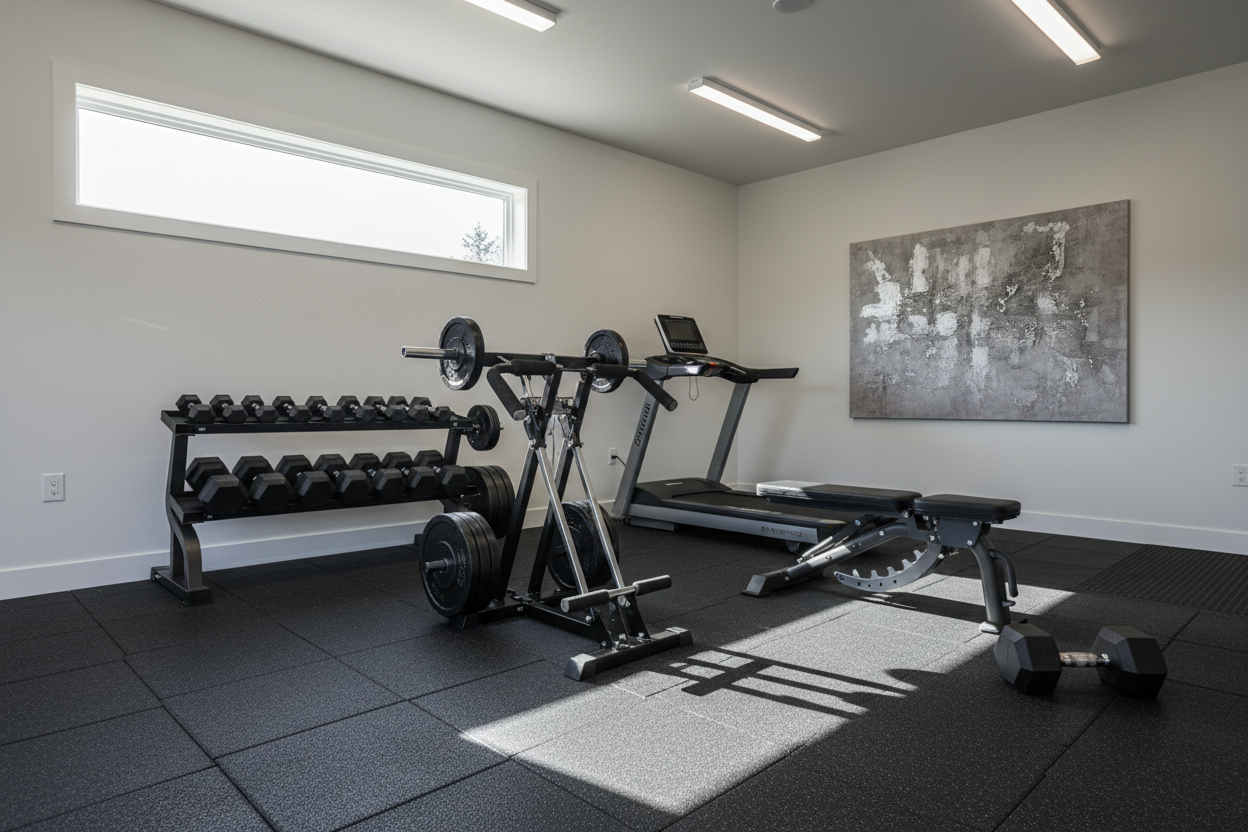
If you're building a home setup, start with the basics. You need a barbell, a set of plates, and a reliable adjustable weight bench. Look for a bench that feels like a tank. If it wobbles when you sit on it, it’s going to feel like a deathtrap when you’re holding 200 pounds over your face. I prefer benches with a high weight capacity—at least 600 pounds—to account for both my body weight and the iron I'm moving.
A minimalist setup keeps you focused. When you only have a few pieces of gear, you don't get distracted by 'fancy' exercises. You show up, you hit your big lifts, and you go eat. That simplicity is often what's missing in most failed weight gain attempts. Own the basics, master the form, and the mass will follow.
Personal Experience: My Biggest Mistake
When I started, I was obsessed with 'abs.' I was so afraid of losing my six-pack that I refused to eat enough. I’d spend two hours in the gym doing 'functional' movements and then wonder why I still looked the same in my t-shirts. It wasn't until I stopped caring about being shredded and started caring about being strong that the scale finally moved. I had to accept that I’d lose a little definition in exchange for actual size. My mistake was trying to serve two masters. Pick a goal: size or shreds. You can't chase both effectively as a natural lifter.
FAQ
Do I have to lift every day to gain weight?
Absolutely not. For most people, 3 to 4 days of heavy lifting is plenty. Your muscles don't grow while you're in the gym; they grow while you're sleeping and eating. If you lift every day, you'll likely burn too many calories and stall your progress.
What if I don't have a power rack?
If you don't have a rack, you can do floor presses instead of bench presses and Bulgarian split squats with dumbbells. However, if you're serious about mass, a rack is the best investment you'll ever make for safety and loading potential.
How long does it take to see results?
If your diet is on point and you're hitting the big four lifts, you'll notice strength gains in 2 weeks and visual changes in about 6 to 8 weeks. Muscle building is a slow process—aim for 0.5 to 1 pound of weight gain per week.