I Swapped Presses for This Weird exercise to work shoulders
I remember the morning I couldn't reach for the coffee mug without my right shoulder clicking like a broken typewriter. Years of chasing a heavy overhead press and ego-lifting on the bench finally caught up with my AC joints. I was desperate for a new exercise to work shoulders that didn't feel like I was rubbing two pieces of sandpaper together inside my deltoids.
The fix wasn't a fancy machine or a high-repetition physical therapy band routine. It was the overhead carry. By simply holding weight in a locked-out position and walking, I found a way to build that dense, capped look without the repetitive grinding of the traditional press. If your joints are screaming, this might be the best shoulder exercise you aren't doing.
Quick Takeaways
- Reduces joint shear while maximizing time under tension.
- Forces all three deltoid heads to fire for stabilization.
- Builds massive core strength and upper back thickness.
- Safe to fail: just drop the weights (on a mat) and walk away.
Why Moving Weights Up and Down Is Overrated
We are obsessed with the concentric and eccentric—the up and down. But for the shoulder, a joint that is basically a golf ball sitting on a tee, that constant friction under heavy load is a recipe for chronic inflammation. I spent years thinking the best workout for shoulders at gym had to involve a barbell moving from chest to ceiling. All I got was a bottle of ibuprofen and a bench press that went backward.
When you perform a standard shoulder lifts routine, you're hitting the muscle, sure. But you're also taxing the tiny stabilizers that eventually give out. Chasing a shoulder workout gym-goers would envy often leads to the 'lifter's shoulder'—that nagging ache that prevents you from sleeping on your side. Isometrics, specifically the loaded carry, change the stimulus from grinding to stabilizing.
The Physics of the Overhead Carry
When you hold a pair of dumbbells overhead and start walking, your body has to fight gravity, momentum, and the shifting of your own gait. This creates micro-adjustments in the muscle fibers. It is a phenomenal shoulder mass builder because it forces a level of recruitment you just can't get from a seated press. You aren't just hitting the anterior delt; you're forcing the lateral and posterior heads to keep that weight from drifting.
Instead of chasing the ultimate gym workout shoulder exercises that involve endless sets of front raises, the overhead carry simplifies your training. It’s about total time under tension. If you can carry 50-lb dumbbells for 40 yards, your delts will be screaming in a way that 10 reps of a press can't match. It’s the shoulder training for mass secret that strongmen have used for decades.
How to Program the Carry (Without Ruining Your Back)
Don't just heave weights over your head and wander around. You need to 'stack' your joints. Ribs down, glutes squeezed, and elbows fully locked out. If your ribs flare, you're dumping the stress into your lumbar spine, not your shoulders. I usually program these at the end of a session, or as a standalone 'finisher' for three sets of 30-40 yards.
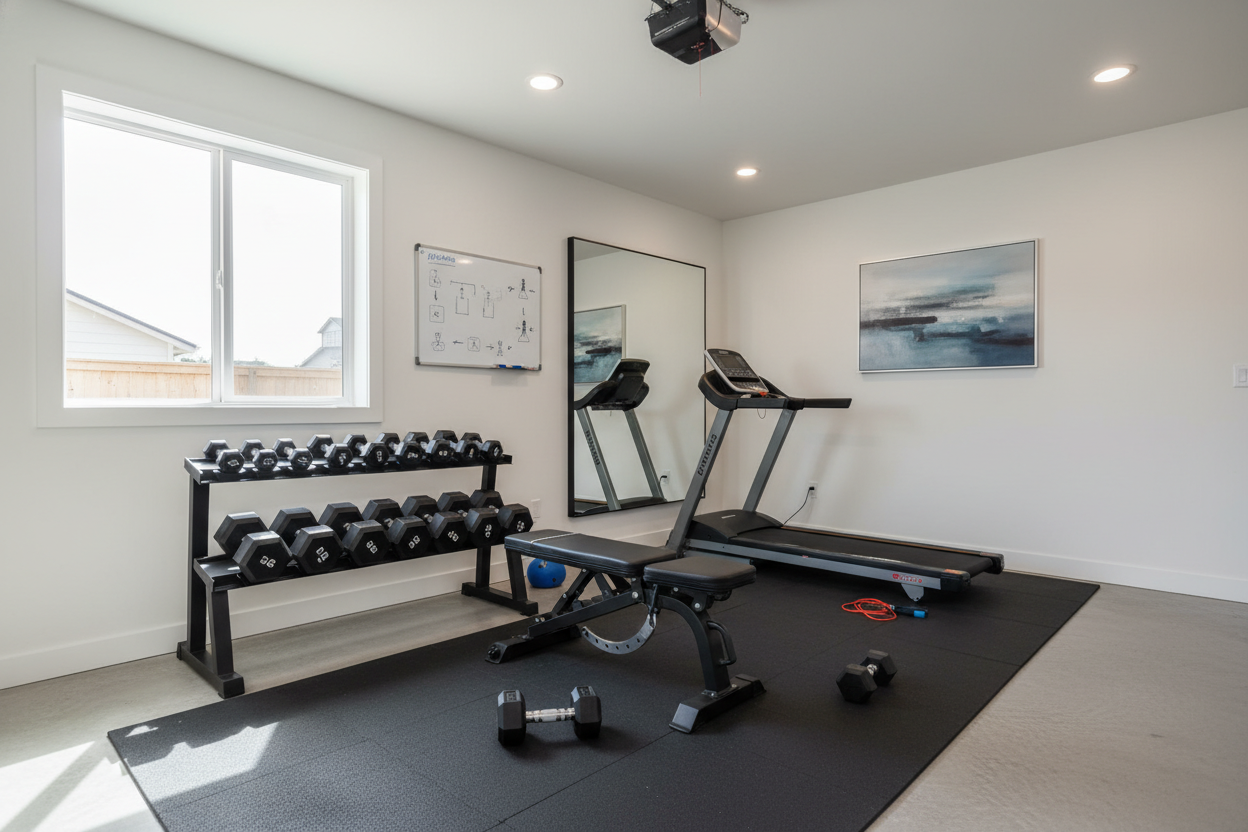
Safety is non-negotiable here. If your grip fails or your shoulder stability gives out, you need a large exercise mat for home gym use so you aren't cracking your foundation or damaging your floor. I’ve seen guys try to do these on bare concrete; one slip and you’ve got a 60-lb dumbbell bouncing toward your shins. Have a clear path and a soft landing zone.
3 Carry Variations for Stubborn Delts
Not all carries are created equal. Depending on your equipment and your goals, you can tweak the stimulus to target different parts of your shoulder muscles workout.
The Double Dumbbell Overhead Walk
This is the gold standard for a shoulder workout for muscle gain. Take two dumbbells—start lighter than you think, maybe 25% of your max press—and lock them out. The bilateral nature of this move tests your thoracic mobility. If you can't keep them straight up without leaning back, you've got work to do on your mid-back. This is the most effective shoulder exercise for building that 'shelf' look on top of the arm.
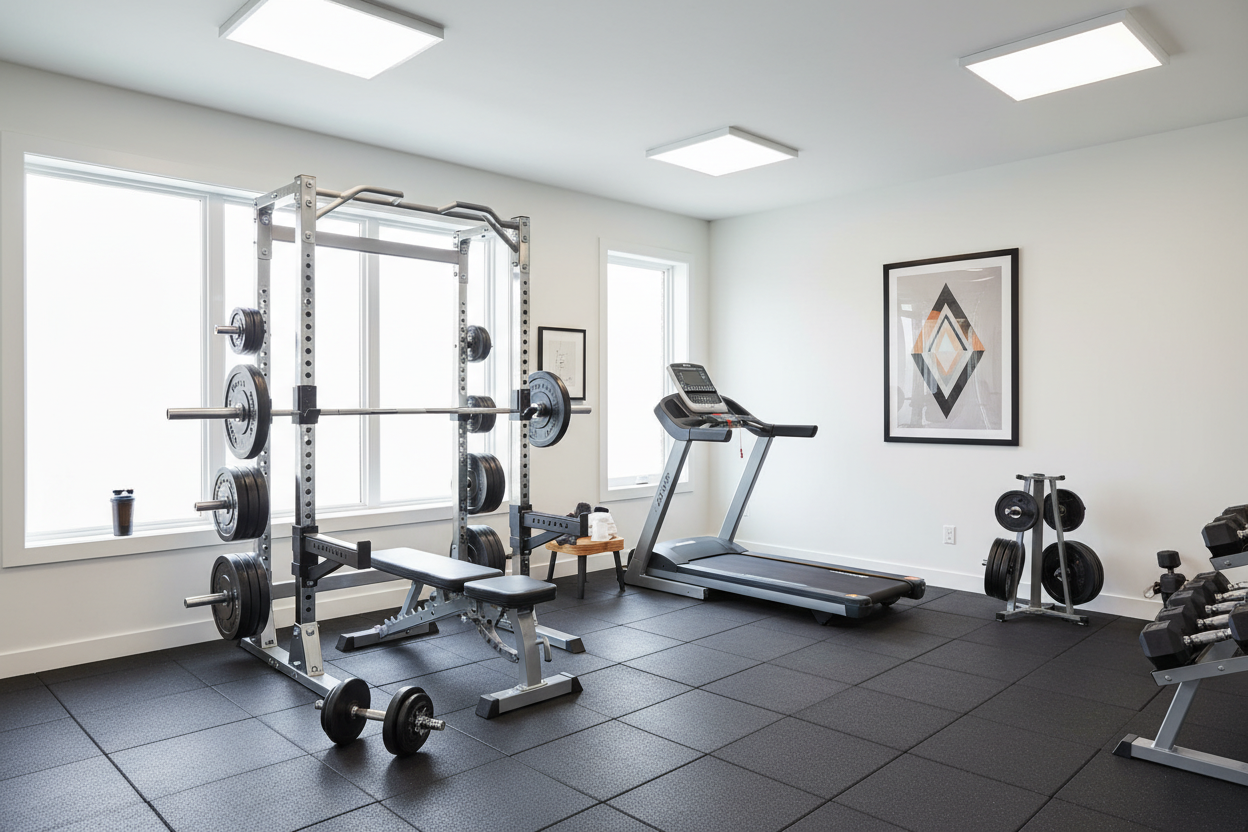
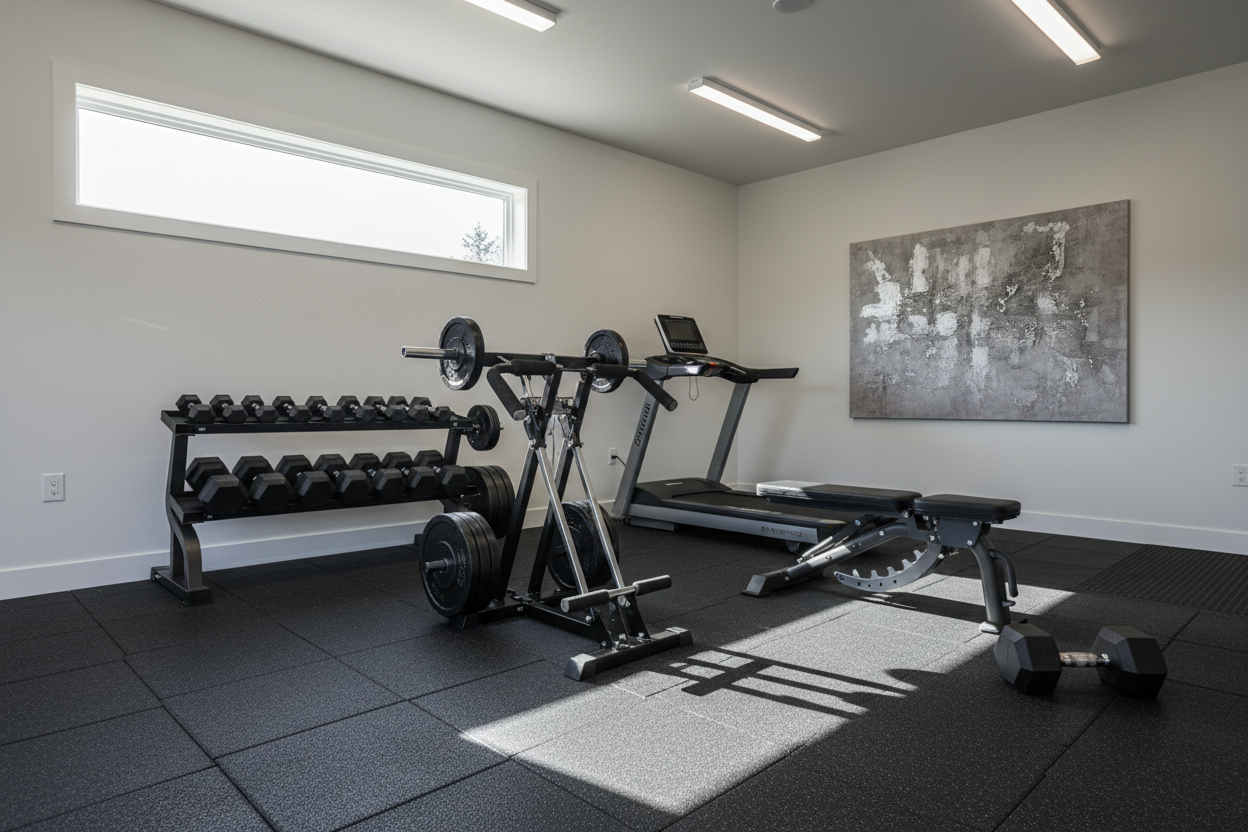
I prefer doing these on dedicated gym flooring for home workout setups. You want a surface with enough traction that your feet don't slide, but enough cushion that you can drop the weights safely if your lockout starts to waver. I use a 6x8 ft space for my 'laps,' and it's plenty to get the blood flowing.
The Single-Arm Bottoms-Up Kettlebell Carry
If you want to talk about science based shoulder workout techniques, this is it. Flip a kettlebell upside down so the heavy part is facing the ceiling. Now walk. The amount of rotator cuff activation required to keep that bell from flopping over is insane. It’s a top shoulder exercise for anyone who has ever dealt with impingement or 'loose' shoulders.
The Rack-Position Farmer's Hold
Sometimes your overhead mobility is just too trashed for a high carry. In that case, the rack position—holding the weights at chest height with elbows tucked—is a great shoulder routine for mass. It hammers the anterior delts and your upper back. It’s heavy, it’s uncomfortable, and it builds the kind of 'gorilla' upper body strength that standard gym moves miss.
Building a Complete Routine Around Holds
You don't have to quit pressing entirely, but try a 1:1 ratio. For every set of presses you do, do a set of carries. A sample shoulder muscle building workout might look like 3 sets of 8 Arnold presses followed immediately by a 30-second overhead carry. This creates a massive pump and ensures you're building stability alongside raw strength.
Combine these carries with a solid shoulder and back workout to ensure your posture doesn't suffer. Carries naturally pull you into better alignment, but you still need that pulling volume. My own 'shoulder mass building workout' shifted from 90% pressing to 50% carries, and my shoulders haven't felt this healthy—or looked this wide—since my early twenties.
Personal Experience: The Day I Dropped the Bar
I once tried to 'power through' a heavy overhead press session with a 185-lb barbell despite a twitchy left shoulder. Halfway up, the joint just... quit. I had to dump the bar forward, nearly taking out my power rack. That was my wake-up call. I switched to heavy kettlebell carries for six weeks. Not only did my pain vanish, but when I went back to the bar, my stability was so much higher that I hit a 5-lb PR without even trying. Don't sleep on isometrics.
FAQ
What is the most effective shoulder exercise?
While the press is king for raw power, the overhead carry is the most effective for building functional stability and muscle density without the joint wear and tear.
How heavy should I go for overhead carries?
Start with about 50% of what you can overhead press for 10 reps. If you can walk for 40 yards without your form breaking, move up in 5-lb increments.
Will carries help with shoulder pain?
Usually, yes. Because there is no 'grinding' motion, carries build the supporting muscles of the rotator cuff, which often alleviates the pain caused by instability.
Can I do these every day?
I wouldn't. Your CNS (Central Nervous System) takes a hit from heavy carries. Treat them like any other heavy lift—2 to 3 times a week is plenty.