The 4 Exercises With Equipment That Finally Broke My Home Gym Plateau
The Exact Moment My Bodyweight Routine Stopped Working
I remember the Tuesday morning it happened. I was grinding through my fourth set of 20 pistol squats, my knees were popping like bubble wrap, and I looked in the mirror only to see the same legs I had a year ago. I was fit, sure, but I wasn't growing. I had reached the point where my skill at balancing was increasing, but my actual muscular tension was stagnant.
The problem with relying solely on bodyweight moves is that your nervous system becomes a master of efficiency. You start using momentum, you shift your weight, and you stop stressing the target muscle. I was tired of being the guy who could do 100 pushups but couldn't fill out a t-shirt. Eventually, I had to admit that exercises with equipment were the only way to force my muscles to adapt again.
Quick Takeaways
- Bodyweight training eventually hits a ceiling of 'skill' rather than 'strength.'
- Isolation machines allow you to train to absolute failure without safety risks.
- Cables provide constant tension that dumbbells simply cannot match.
- You don't need a commercial gym; a few key pieces of hardware can fix your physique.
Why You Eventually Have to Pay the Iron Toll
Gravity is a great trainer until it isn't. When you're doing calisthenics, you are limited by your own mass. To keep progressing, you have to find increasingly awkward positions to make the move harder. This usually results in joint pain rather than muscle hypertrophy. Your tendons can only take so many high-rep, explosive sessions before they start screaming.
Progressive overload demands more than just more reps; it demands more load and better stretches. Actual loaded stretches—the kind you get at the bottom of a heavy hack squat or a cable fly—trigger growth in a way that air squats never will. By adding exercises with machines, I stopped worrying about balance and started focusing on the deep, mechanical tension that actually builds tissue.
The 4 High-Impact Exercises With Equipment I Added
I didn't buy a whole commercial circuit. I targeted the specific areas where my bodyweight routine was failing me. These machines exercises were chosen because they provide a stimulus that is physically impossible to replicate with just a pull-up bar and the floor.
1. Machine Leg Presses (Because Pistol Squats Ruined My Knees)
I used to swear by quad exercises no equipment, thinking that if I could just do enough single-leg work, my quads would explode. Instead, my left knee started feeling like it had sand in the joint. The leg press changed everything. It allowed me to pin my back against a pad and drive 400 pounds of iron with zero stability requirements. My quads finally had no choice but to grow because they were the only things doing the work.
2. Cable Lateral Raises (For Actual Deltoid Isolation)
Dumbbells are great, but the resistance curve is garbage for side delts. It’s easy at the bottom and impossible at the top. When I started using shoulder exercises equipment like a low cable pulley with a D-handle, I felt tension from the very start of the move. That constant pull throughout the entire range of motion is what finally gave my shoulders that capped look that three years of pike pushups couldn't deliver.
3. Seated Hamstring Curls (The Missing Link in Garage Gyms)
You cannot isolate your hamstrings effectively without a machine. Romanian deadlifts are fantastic for the posterior chain, but they don't hit the knee flexion function of the hammies. Adding a seated leg curl machine—even a compact plate-loaded one—filled a massive gap in my leg development. It’s the difference between having 'flat' legs and having legs that actually look thick from the side.
4. Lat Pulldowns (When Pull-Ups Aren't Enough)
Pull-ups are the king of back builders, but they have a major flaw: most people can't do enough of them with perfect form to truly fatigue the lats. By the tenth rep, my biceps and traps usually took over. The lat pulldown allowed me to strip the weight back, focus on the squeeze, and hit sets of 15 that left my lats feeling like they were going to burst. It’s about precision, not just hauling your chin over a bar.
How to Program These Machines Exercises Without Overtraining
You don't need to scrap your barbell work. I still start my days with a heavy compound lift, but I finish them with these high-tension movements. If you're looking to add this kind of volume to your home setup, I'd suggest browsing some weight lifting machines that offer multi-functionality. You want to hit these for higher reps—think 10 to 15—focusing on the mind-muscle connection rather than just moving the pin.
Upgrading Your Garage: What You Actually Need to Buy
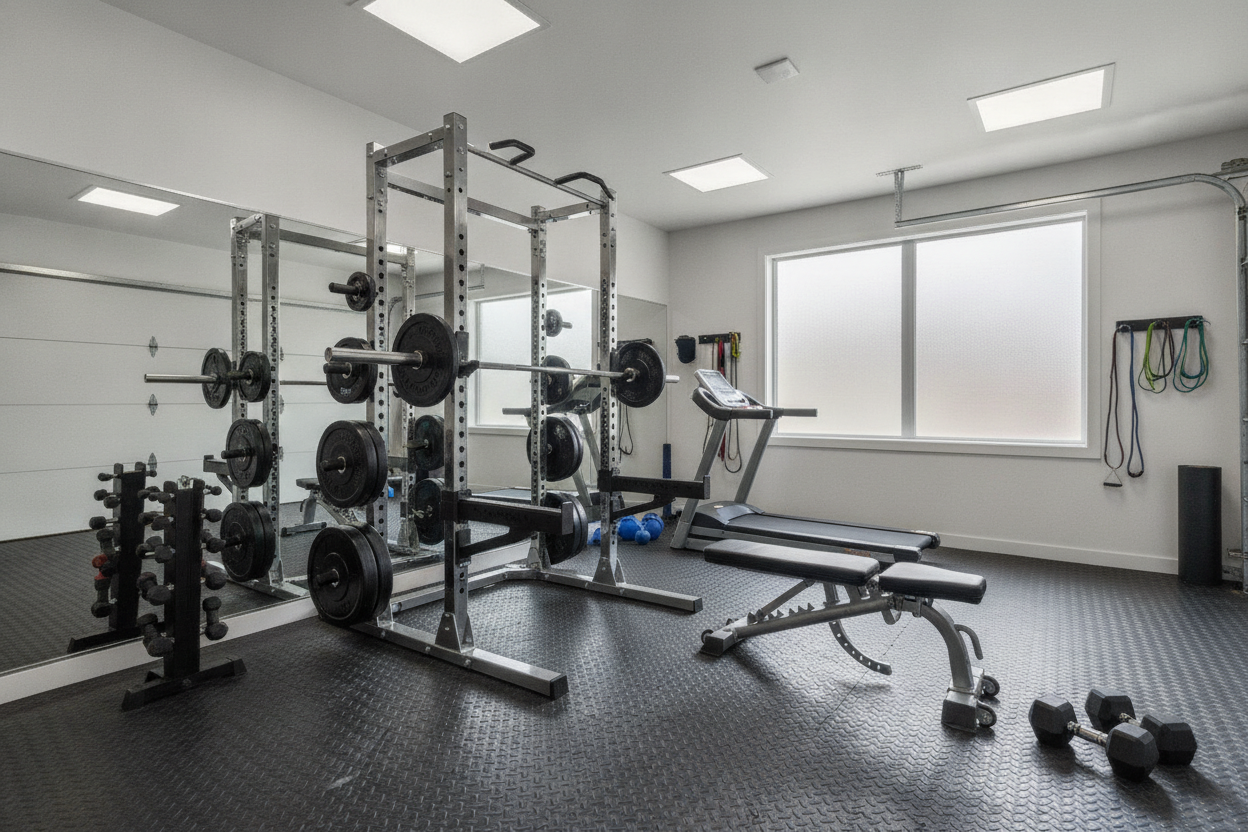
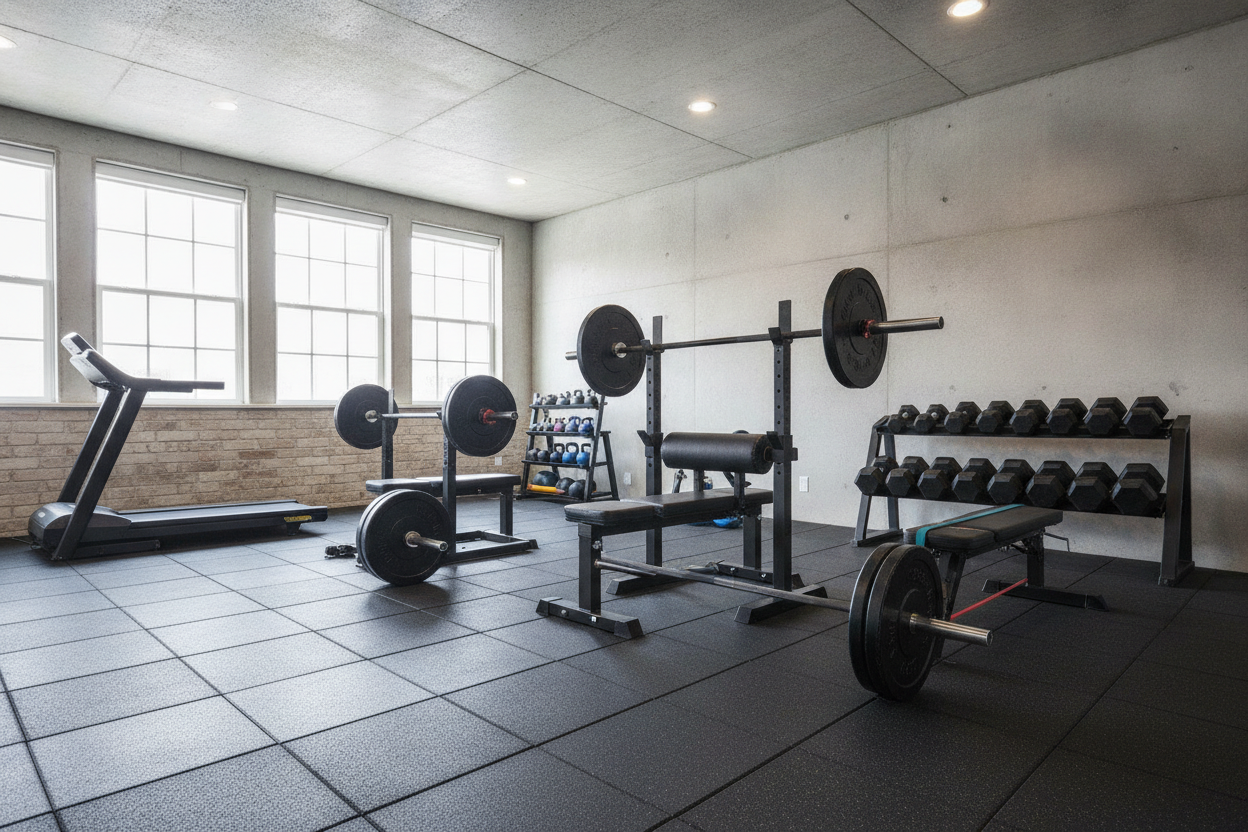
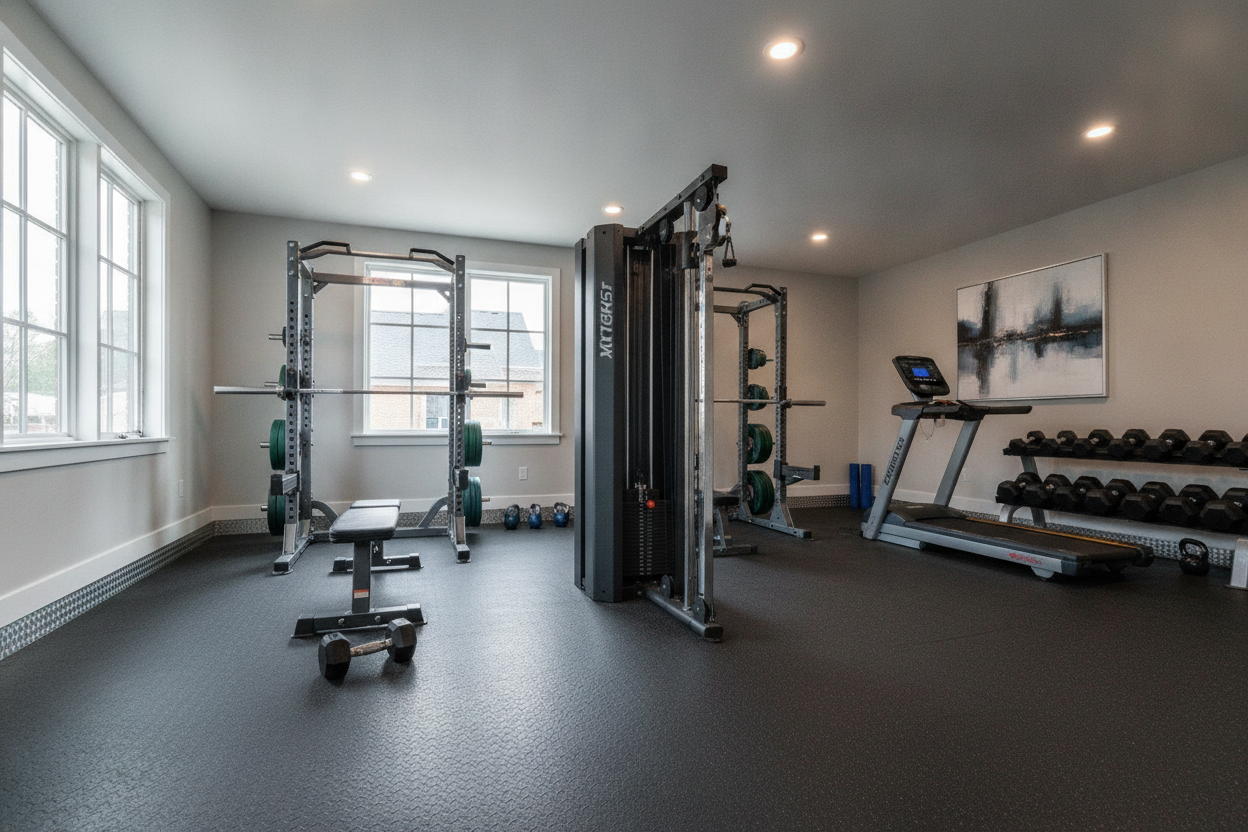
You don't need a 5,000-square-foot facility. Most of us are working with a one-car garage or a spare bedroom. Focus on versatility. A good functional trainer or a high-quality cable tower can cover three out of the four exercises I mentioned. When you're ready to invest in strength equipment, prioritize pieces that have a small footprint but allow for heavy, stable loading. My biggest mistake was buying five different cheap benches instead of one solid cable machine that actually worked.
FAQ
Do I really need machines if I have dumbbells?
For some moves, yes. Cables and machines provide a different resistance curve and stability that dumbbells can't match, especially for isolating small muscles like the side delts or hamstrings.
Aren't machines less 'functional' than bodyweight?
Functional is a buzzword. If your goal is to grow muscle and get stronger, machines are highly functional because they allow you to push your muscles to the limit without your balance or grip being the bottleneck.
How much should I spend on a home gym machine?
Don't buy the cheapest thing on Amazon. Look for machines with at least a 200-lb weight stack and 11-gauge steel. If it wobbles when you're empty-loading it, it's going to feel dangerous when you're going heavy.