I Tested 8 Different Hip Thrust Variations (And Only Kept 3)
Last Tuesday, I spent twelve minutes dragging a 45lb barbell, three pairs of 45lb plates, and a flat bench into the center of my garage just to do three sets of glute work. By the time I actually sat on the floor, I was already annoyed. If you have ever spent more time hunting for a barbell pad or chasing a rolling bar than actually lifting, you know the struggle of finding different hip thrust variations that actually make sense for a home gym.
I have scrolled through the same Instagram reels you have—people doing thrusts with bands tied to power racks, using specialized machines that cost $2,000, or balancing on one foot while juggling a kettlebell. Most of it is fluff. After testing eight different setups over the last six months, I realized that more variety usually just means more time wasted. I have narrowed it down to what actually works for building horsepower without the headache.
- Barbell variations are king for pure strength but a nightmare to set up.
- Unilateral work is the secret to fixing glute imbalances without needing 400 lbs of iron.
- Tempo and tension beat heavy weight when you are working with dumbbells or bands.
- A stable pivot point is the only non-negotiable piece of equipment.
Why You Need to Stop Complicating Glute Day
The fitness industry loves to make things complicated because complicated sells programs. But here is a hard truth: if your setup takes longer than your set, you are doing it wrong. I have seen guys in commercial gyms spend twenty minutes building a fortress of benches and plates just to move a weight they could have handled more effectively with a simpler movement. Variety is great for hitting different fibers, but if the setup is so annoying that you start skipping the exercise, the 'perfect' variation is worthless.
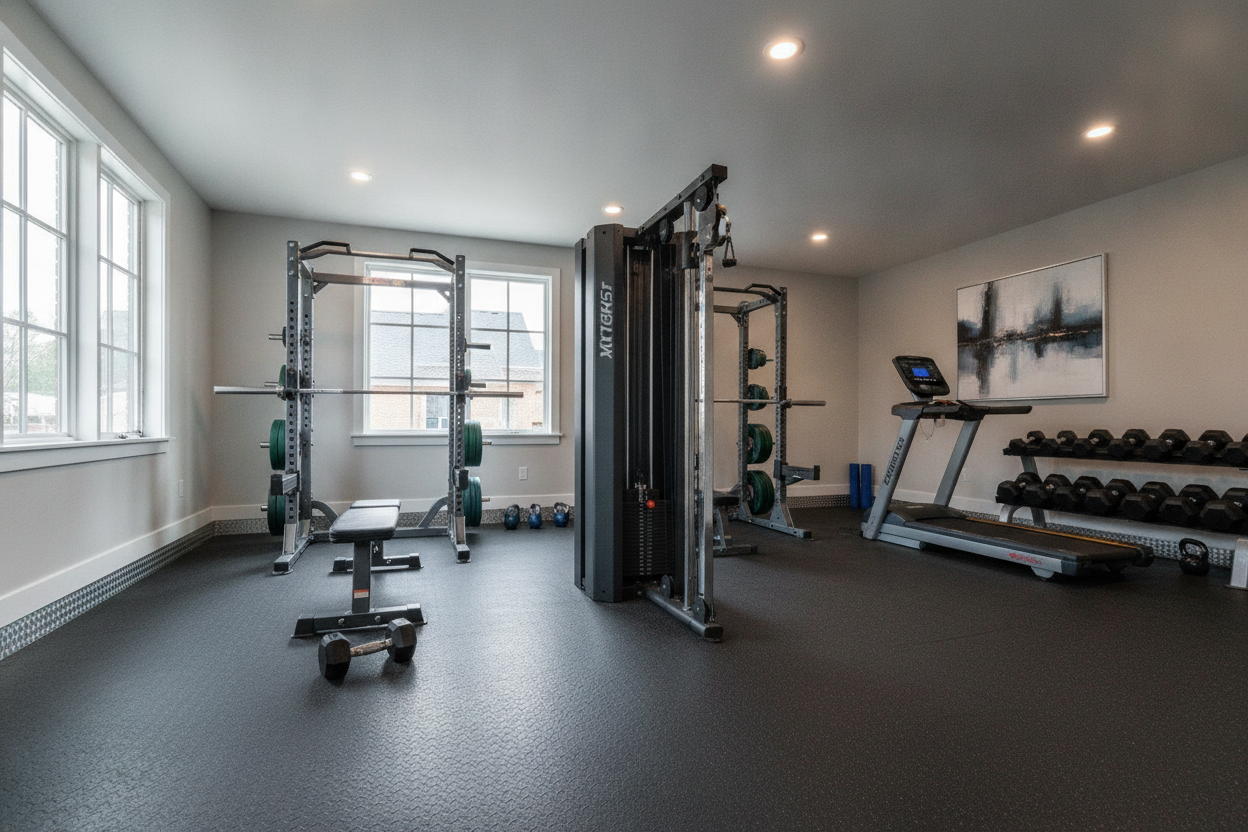
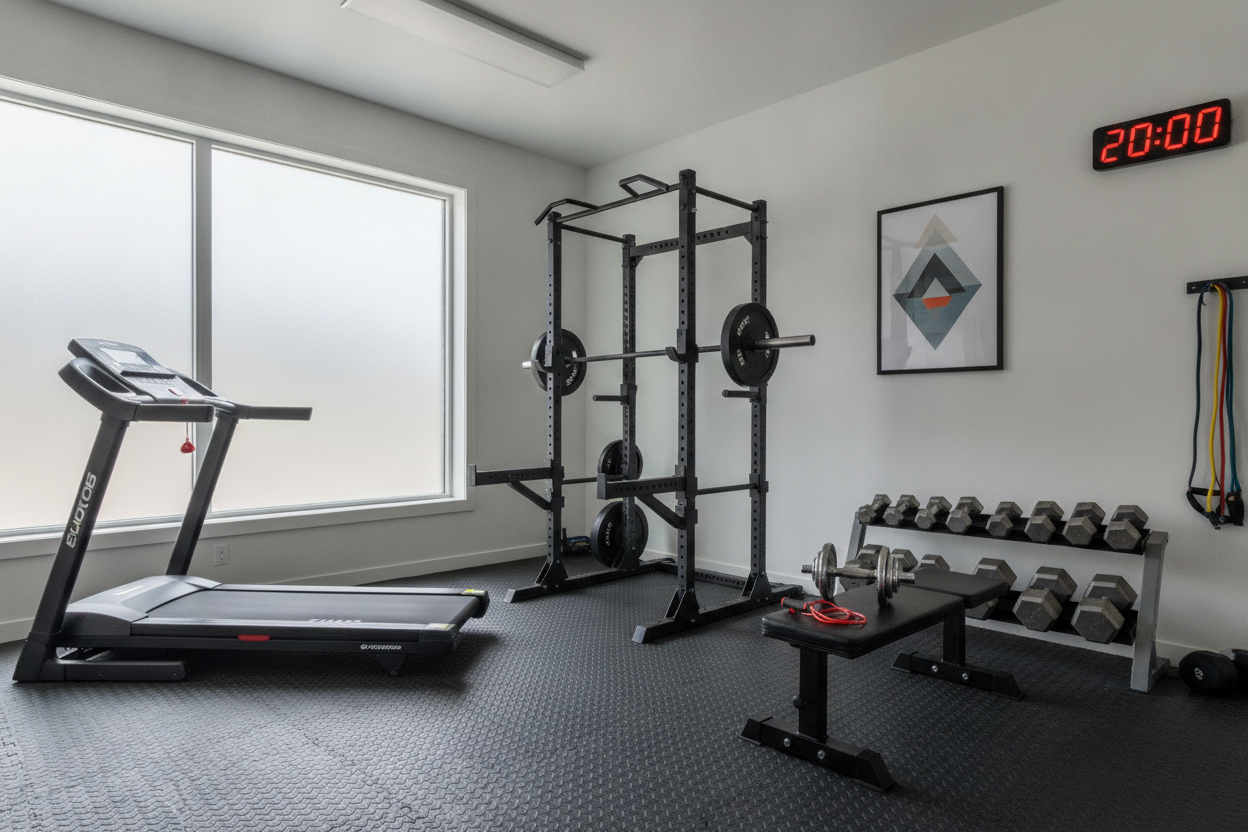
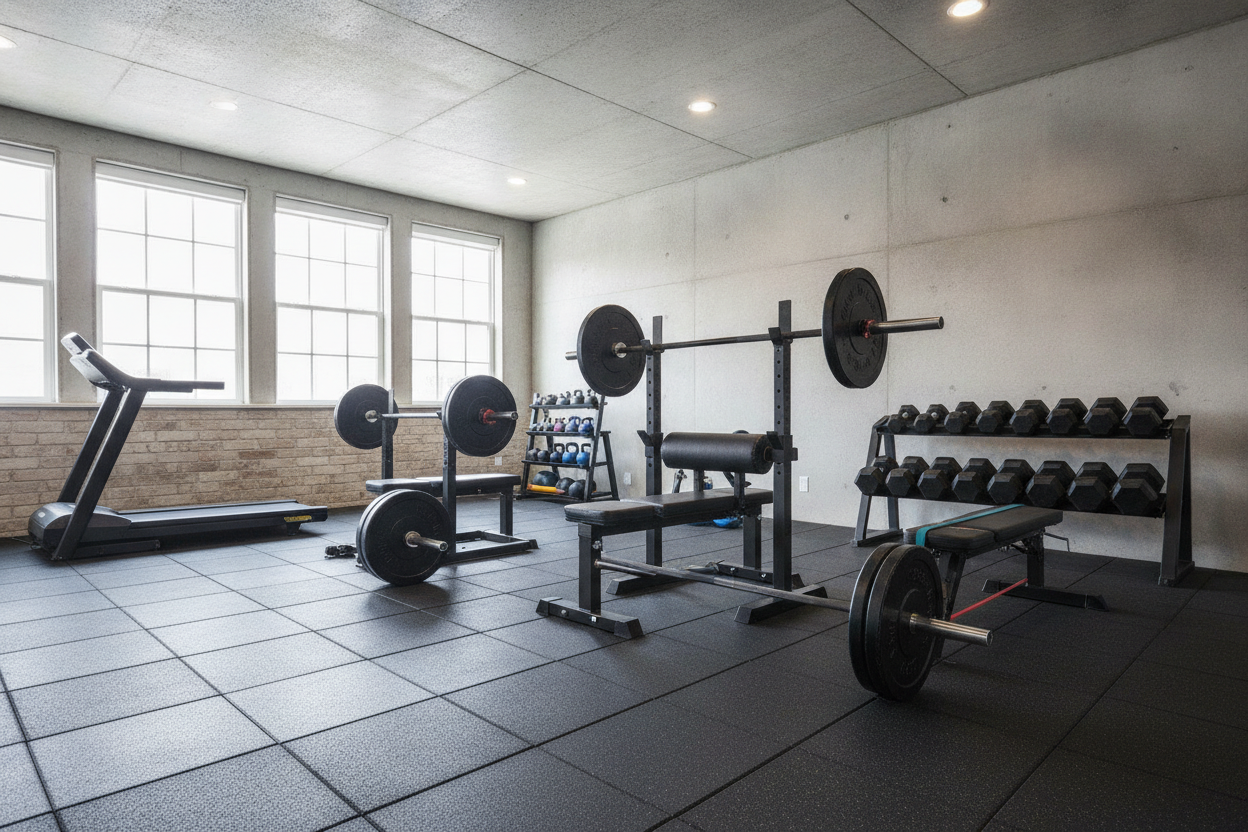
You need to pick a variation based on your anatomy and the gear you actually have. If you are training in a 10x10 spare bedroom, a seven-foot Olympic bar is a logistical disaster. If you have a history of lower back tweaks, chasing a 500lb barbell thrust might not be the smartest move for your longevity. The goal is mechanical tension on the glutes, not winning a 'most creative setup' award on social media. I kept the three variations that provide the highest stimulus with the least amount of friction.
The Heavy Hitters: Barbell Hip Thrust Variations
If your goal is to move the maximum amount of weight possible, you cannot beat barbell hip thrust variations. This is where you get to load up the iron. The standard barbell thrust is the gold standard for a reason; it allows for infinite progressive overload. I personally like the pause thrust—holding the lockout for two full seconds. It forces you to actually own the weight rather than just using momentum to bounce the bar off the floor.
Then there is the deficit thrust. By placing your feet on a small riser (like a couple of bumper plates), you increase the range of motion at the bottom. It sounds great on paper, but in practice, it often leads to people arching their lower backs to reach the floor. The downside to all of these? The setup for barbell thrusts is a total pain. Between the bruised shins from rolling the bar and the constant struggle to keep the plates from sliding, it is a high-maintenance relationship. If you are going heavy, you need a thick bar pad—I use a 2-inch foam one—otherwise, that steel is going to crush your hip bones long before your glutes give out.
The Minimalist Route: Different Types of Hip Thrusts You Can Do Anywhere
You do not need a 300lb stack of iron to get a massive pump. There are different types of hip thrusts that work perfectly with dumbbells, kettlebells, or even just heavy resistance bands. When I am short on time, I grab a 50lb dumbbell and focus entirely on tempo. Instead of just cranking out reps, I do a 3-second descent and a 2-second hold at the top. By the tenth rep, my glutes feel like they are going to explode.
Banded hip thrusts are another underrated tool. The resistance profile of a band actually matches the strength curve of the glutes—it gets harder as you reach full extension. I often anchor a heavy loop band to the bottom of my rack. It is silent, it takes up zero floor space, and you do not have to worry about dropping a heavy weight on your toes. These variations are perfect for high-rep finishers where you are chasing a metabolic burn rather than a new one-rep max.
The Unilateral Fix: Why I Started Training One Leg at a Time
About a year ago, I noticed my right glute was significantly more developed than my left. No matter how many barbell thrusts I did, my dominant side just took over. That is when I started swapping to a 1 leg hip thrust for my primary accessory work. The biomechanical benefits are massive. You eliminate the spinal loading that comes with heavy barbells, making it much easier on your lower back.
Single-leg thrusts also expose your weaknesses immediately. You cannot hide behind a heavy bar when it is just you and one leg. I found that I only needed a 25lb plate or a light dumbbell to get the same level of fatigue as a 225lb bilateral thrust. It is safer, it requires less equipment, and it fixes the imbalances that eventually lead to hip and back pain. If you are tired of the 'barbell circus' of loading and unloading plates, this is the smartest pivot you can make.
How to Pick the Right Setup for Your Space and Gear
If you are building a home gym, you have to be realistic about your footprint. If you have the space and the ego for it, stick with the barbell. But for 90% of us, the best results come from a mix of heavy dumbbell work and unilateral variations. The most important thing I learned is that your pivot point—whatever your back is resting against—must be rock solid. I used to use a standard weight bench, but it would always slide back or tip if I didn't have it wedged against a wall.
Eventually, I invested in a dedicated hip thrust bench that stays low to the ground and doesn't budge. It changed everything. My final verdict? Keep the standard barbell thrust for your heavy days, the single-leg thrust for balance and back health, and the banded variation for high-volume burnout. Everything else is just noise. Focus on the squeeze at the top, keep your chin tucked, and stop worrying about how many different ways you can move your hips. Consistency with the basics will always beat a fancy setup that you hate using.
Is a barbell pad really necessary?
Yes. Unless you enjoy having deep purple bruises across your hip bones, get a high-density foam pad. I have tried using a folded-up yoga mat, and it doesn't offer nearly enough protection once you go over 135 lbs.
How high should my bench be for hip thrusts?
Most standard benches are about 17-18 inches high, which is actually a bit too tall for many people. Ideally, you want the edge of the bench to hit just below your shoulder blades. If the bench is too high, you will end up arching your back instead of hinging your hips.
Can I do these with a kettlebell?
Absolutely. A kettlebell is actually easier to position in your hip crease than a dumbbell because of the handle. It is a great option for high-rep sets or as a weighted addition to single-leg thrusts.