The 25-Minute Rule: Making Quick Strength Training Actually Work
I’ve been there—staring at my power rack at 5:45 PM, knowing the kids need dinner by 6:30, and feeling like the 30-minute window I have is a waste of time. Most of us grew up on the bodybuilding gospel that says you need 90 minutes of 'destroying' muscles to see growth. When life gets busy, we usually just skip the gym entirely because we think a short session doesn't count. That is a massive mistake. Quick strength training isn't about cutting corners; it's about being ruthless with the time you actually have.
- Prioritize compound movements to maximize muscle fiber recruitment.
- Use antagonist supersets to cut rest time in half without losing power.
- Keep rest periods strictly timed to maintain a high training density.
- Forget isolation work; if it doesn't involve multiple joints, it doesn't belong in a 25-minute window.
The 'I Don't Have Time' Myth
The biggest barrier to progress isn't your genetics or your supplement stack—it's the 'all or nothing' mentality. We’ve been conditioned to think that if we aren't doing five different variations of a chest fly, we aren't training. The reality is that the traditional gym bro marathon is filled with fluff. Between scrolling on your phone and waiting for the cable crossover machine, most people spend 40 minutes of a 90-minute session doing absolutely nothing productive.
Targeted short strength training workouts prioritize intensity over duration. I’ve found that I can get 90% of the stimulus I need by focusing on heavy, multi-joint lifts. If you have a full hour to burn, a total body strength training HIIT workout is a fantastic way to build work capacity, but when you’re staring down a 25-minute deadline, you need to lift for strength, not just for a sweat.
Why Most 30-Minute Routines Fail
Most people fail at short strength training routines because they panic. They see the clock ticking and decide to drop the weight by 50% and turn their session into a frantic, sweaty cardio circuit. If you’re trying to stay strong, you cannot sacrifice the load. Lifting pink dumbbells for 50 reps isn't strength training; it's aerobics with props.
The trap is cutting rest periods so short that your central nervous system can't recover. If you're gasping for air while trying to squat 315 lbs, your form will break down before your muscles actually fatigue. You still need heavy loads and enough recovery to move them safely. The secret isn't resting less—it's resting smarter. You have to keep the intensity high enough that your body has a reason to keep that muscle mass, even if the total volume is lower than your usual weekend session.
The 3 Non-Negotiable Rules of a 25-Minute Lift
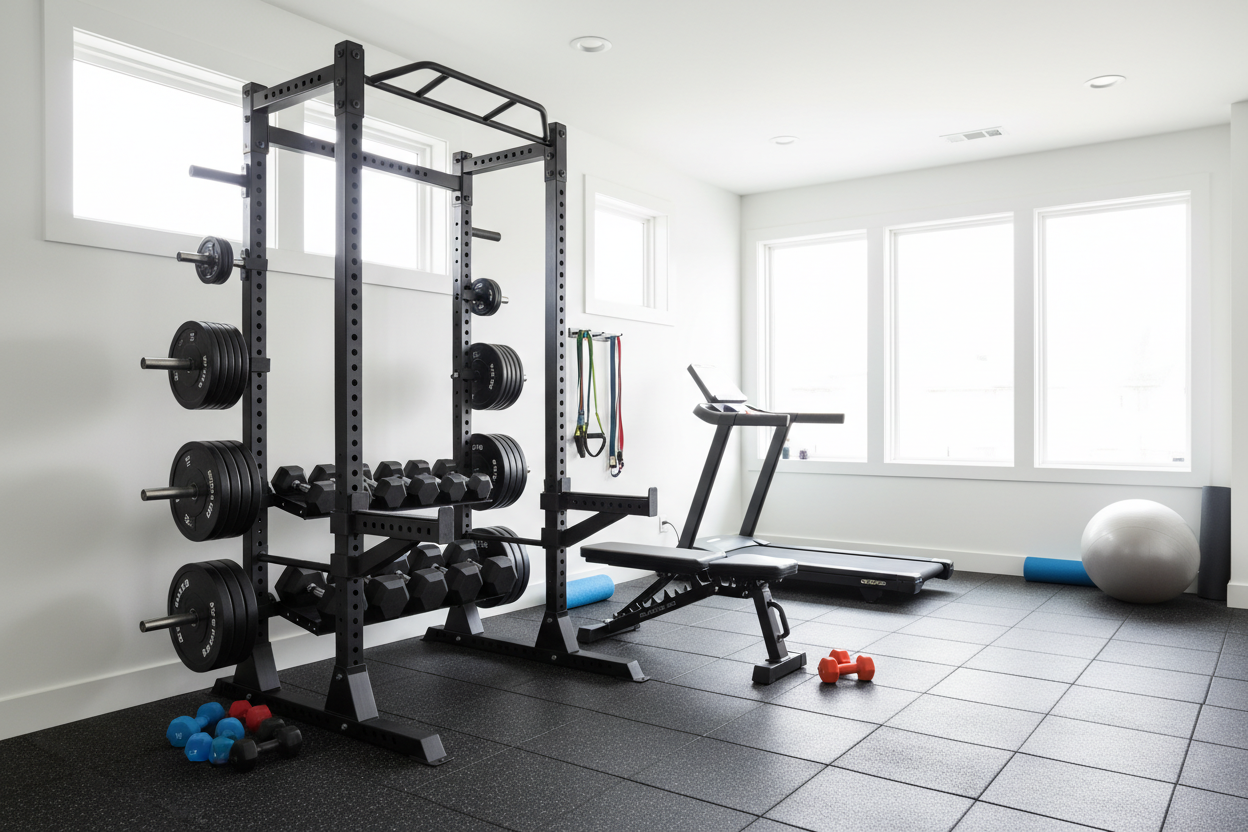
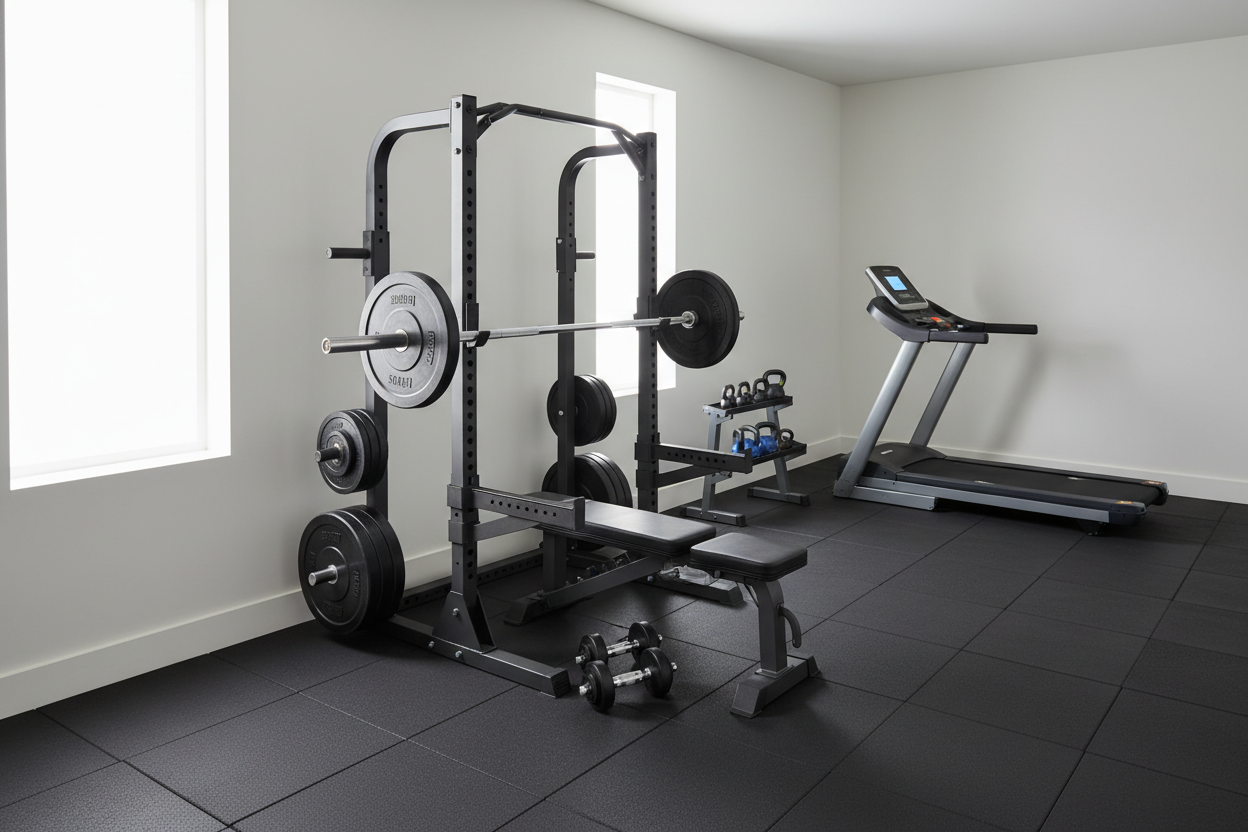
To make a short strength training workout effective, you have to follow a strict framework. You don't need a warehouse full of machines; a simple setup of basic home strength equipment like a solid barbell and a squat rack is plenty. These three rules ensure you aren't wasting a single second of your 25 minutes.
Rule 1: Compound Movements Only
If you have less than half an hour, you have no business doing bicep curls, tricep extensions, or calf raises. Those are the 'cherries on top' for when you have time to kill. In a time-crunched session, every exercise must be a multi-joint movement. Squats, deadlifts, overhead presses, and rows are your bread and butter. These movements recruit the most muscle mass and trigger the largest hormonal response. One heavy set of squats does more for your overall physique than ten sets of leg extensions ever will.
Rule 2: Antagonist Supersets Save Your Life
This is the ultimate time-saver. Instead of sitting on a bench for three minutes between sets of bench press, you perform a set of rows. This is called an antagonist superset—pairing opposing muscle groups (push vs. pull). While your chest recovers from the press, your back is working on the row. By the time you finish the row, your chest has had a few minutes of 'passive' rest and is ready to go again. You effectively double your work capacity without extending the time you spend in the gym.
My Go-To Short Strength Training Workout
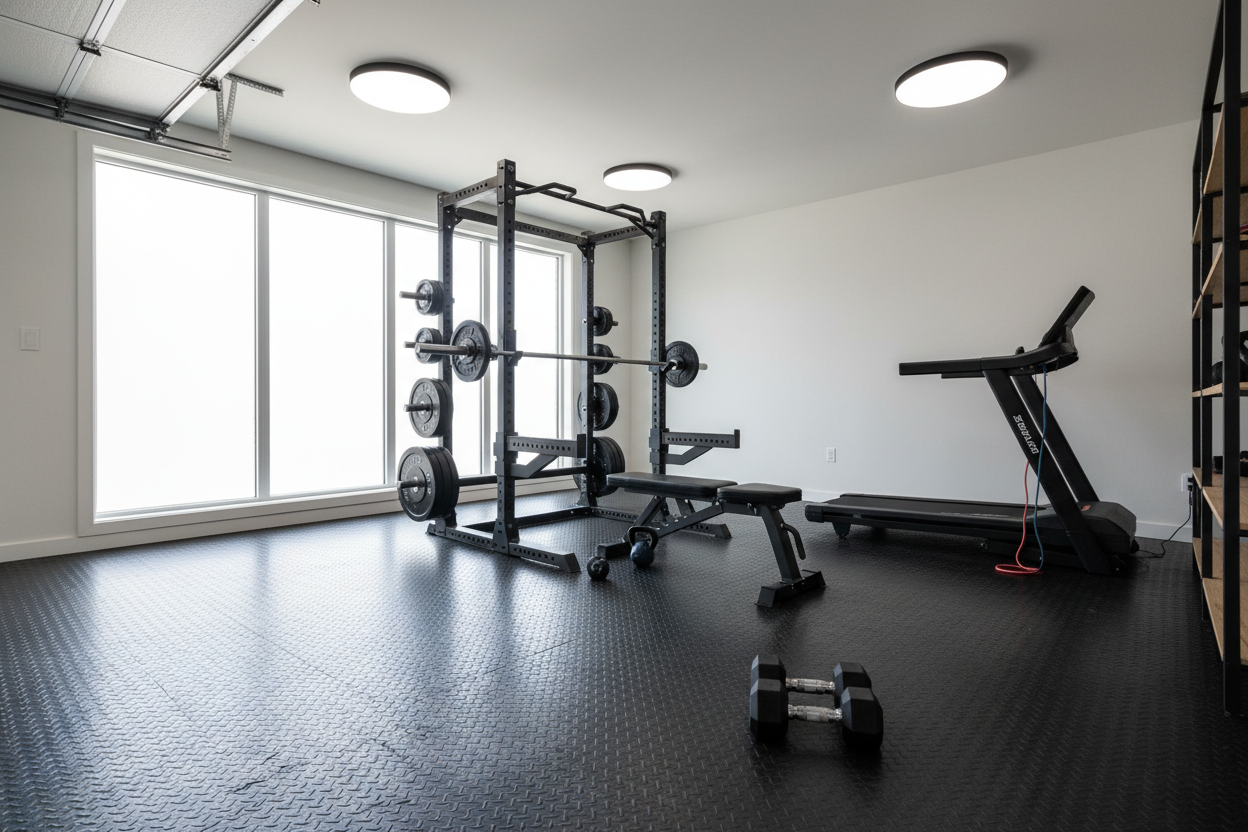
When I’m truly pressed for time, I run a 25-minute 'Heavy Density' session. I set a timer for 25 minutes and I don't stop until it dings. I start with a superset of Back Squats and Weighted Pull-ups. I’m looking for 4 sets of 6-8 reps. I’m not rushing the movement, but I am keeping my transitions tight. I’ve dropped 400 lbs on my exercise mat gym flooring more than once during these sessions, so make sure your foundation is solid before you start moving fast.
After the first pairing, I move immediately into a superset of Romanian Deadlifts (RDLs) and Overhead Presses. Again, 3-4 sets of 8-10 reps. By focusing on these four movements, I’ve hit my quads, hamstrings, back, chest, and shoulders in under half an hour. It’s brutal, it’s efficient, and it works. I’ve actually seen better strength gains on this short strength workout than I did when I was spending two hours in a commercial gym doing 'junk volume' sets that didn't matter.
Stop Overthinking the Isolation Work
I get it—you’re worried your arms will shrink if you don't do curls. They won't. Heavy rows and pull-ups provide plenty of stimulus for your biceps, and heavy presses will keep your triceps growing. A short strength training workout focused on big compounds provides about 90% of the results in 20% of the time. When life calms down, you can go back to your accessories, but for now, ignore the strength training accessories like bands and grip trainers. Focus on the big iron.
FAQ
Can I really build muscle in 25 minutes?
Yes, provided the intensity is high. Muscle growth is about mechanical tension. If you lift heavy weights close to failure, your body will adapt, regardless of whether the session was 20 minutes or two hours.
Should I skip the warm-up if I'm short on time?
Never skip the warm-up, but make it specific. If you're squatting, do a few sets of empty bar squats and then jump into your working weight. Don't waste 10 minutes on a treadmill.
How many days a week should I do this?
Since the volume per session is lower, you can actually do these short strength training routines 4-5 times a week if your recovery is on point. Consistency beats duration every single time.