Targeting Stubborn Areas: The Real Exercise to Lose Thigh and Hip Fat
It feels unfair. You stick to your diet, you hit the treadmill, but your favorite jeans still feel restrictive around the lower body. If you are searching for the ultimate exercise to lose thigh and hip fat, you aren’t alone. This is biologically one of the most stubborn areas for fat storage, particularly due to hormonal variances and receptor density in subcutaneous fat.
However, simply doing endless side leg raises isn't the solution. To see real changes, we have to move beyond the myths of spot reduction and look at metabolic conditioning.
Key Takeaways: The Strategy
- Spot reduction is a myth: You cannot burn fat only from your hips by moving them. You must lower overall body fat percentage.
- Compound lifts are king: Multi-joint movements burn more calories post-workout than isolation exercises.
- Intensity matters: High-intensity intervals trigger better hormonal responses for fat loss than steady-state cardio.
- Nutrition controls the outcome: No amount of training corrects a caloric surplus.
Why Isolation Exercises Fail You
Many people mistakenly believe that the best exercise to reduce hips and thighs is the inner thigh machine or floor glute bridges. While these are excellent for strengthening the muscle underneath, they do very little to burn the adipose tissue covering that muscle.
Fat loss is a systemic process. To mobilize fat stores from the hips, you need to create a significant caloric deficit. The most efficient way to do this is by performing exercises to reduce fat in thighs and hips that recruit the largest muscle groups in the body simultaneously. This spikes your metabolic rate for hours after you leave the gym.
The Compound Movement Advantage
If you want to reshape your lower body, you need to focus on movements that demand high energy output. We call these compound lifts.
The Squat Variation
Whether it is a goblet squat or a barbell back squat, this movement recruits the quadriceps, hamstrings, and glutes. Because it requires core stabilization and moves a large amount of weight, it acts as a powerful metabolic trigger. This is far more effective than isolation work when looking for an exercise to lose hip and thigh fat.
The Lunge Complex
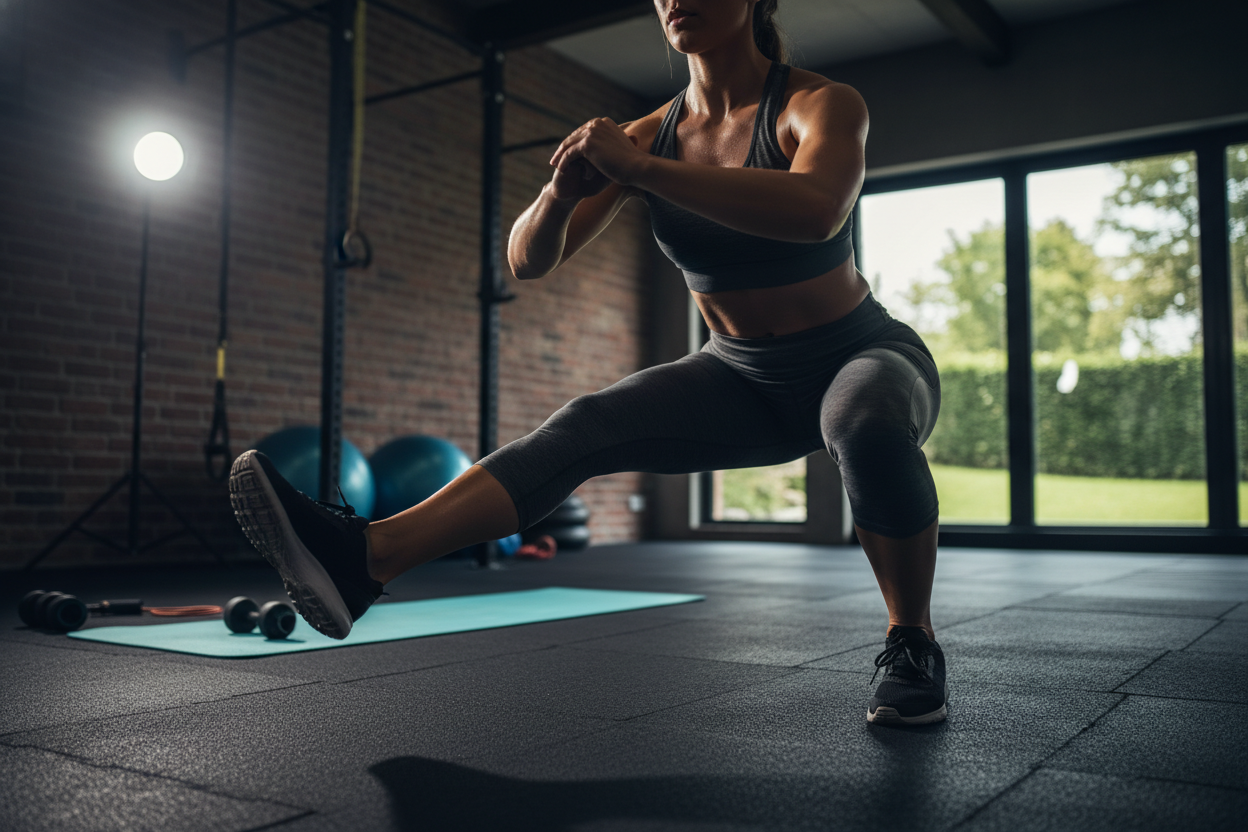
Walking lunges or reverse lunges are non-negotiable. They force single-leg stability, which engages the smaller stabilizer muscles in the hips. This increases the intensity without necessarily adding more weight, making them premier exercises to reduce hip and thigh fat.
Cardio: Sprints vs. Marathon Running
Long-distance running can sometimes lead to muscle loss if nutrition isn't dialed in perfectly. For lower body aesthetics, sprinting is superior. Look at the physique of a 100m sprinter versus a marathon runner.
Sprinting is an anaerobic exercise to reduce thigh and hip fat that preserves muscle tissue while stripping away fat. Incorporating hill sprints or bike intervals creates an 'afterburn' effect (EPOC), keeping your metabolism elevated for up to 24 hours.
My Personal Experience with exercise to lose thigh and hip fat
I have spent years experimenting with different protocols to lean out my legs, and I want to be honest about the reality of it. When I finally stopped doing endless clam shells and started heavy Bulgarian Split Squats, everything changed—but it wasn't pretty.
I remember the specific feeling of the waistband of my shorts rolling down every time I hit the bottom of a deep squat. It was annoying, but it was a reality check on where my body was holding weight. The real turning point wasn't the exercise itself, but the 'waddle' I had to do walking down the gym stairs afterward. That specific, shaky feeling where your quads feel like jelly is the indicator that you've actually stimulated the tissue enough to force a change. If you leave the gym walking perfectly normally, you probably didn't push the intensity high enough to trigger the fat loss response you're looking for.
Conclusion
There is no magic wand, but there is a formula. Combine a caloric deficit with heavy compound lifting and high-intensity intervals. Stop looking for the easy floor routine and start embracing the heavy lifts. Consistency with the right exercises to reduce hip and thigh fat will eventually reveal the definition you are working for.
Frequently Asked Questions
Can walking help reduce hip fat?
Yes, but it takes time. Walking is a low-stress activity that burns calories without spiking cortisol (stress hormone), which can actually help with belly and hip fat retention. However, for faster results, incline walking or hiking is superior to flat walking.
How long does it take to lose thigh fat?
The hips and thighs are often the last place the body releases fat from due to evolutionary biology (especially in women). With a dedicated program comprising the right exercises to reduce fat in thighs and hips, you can expect to see noticeable changes in 8 to 12 weeks.
Are squats or lunges better for slimming thighs?
Lunges are generally better for shaping and 'slimming' because they address muscle imbalances and often recruit more glute/hamstring without building as much sheer mass on the quadriceps as heavy back squats might.