Taming Home Gym Chaos: Is the MYX Weight Rack the Solution You Need?
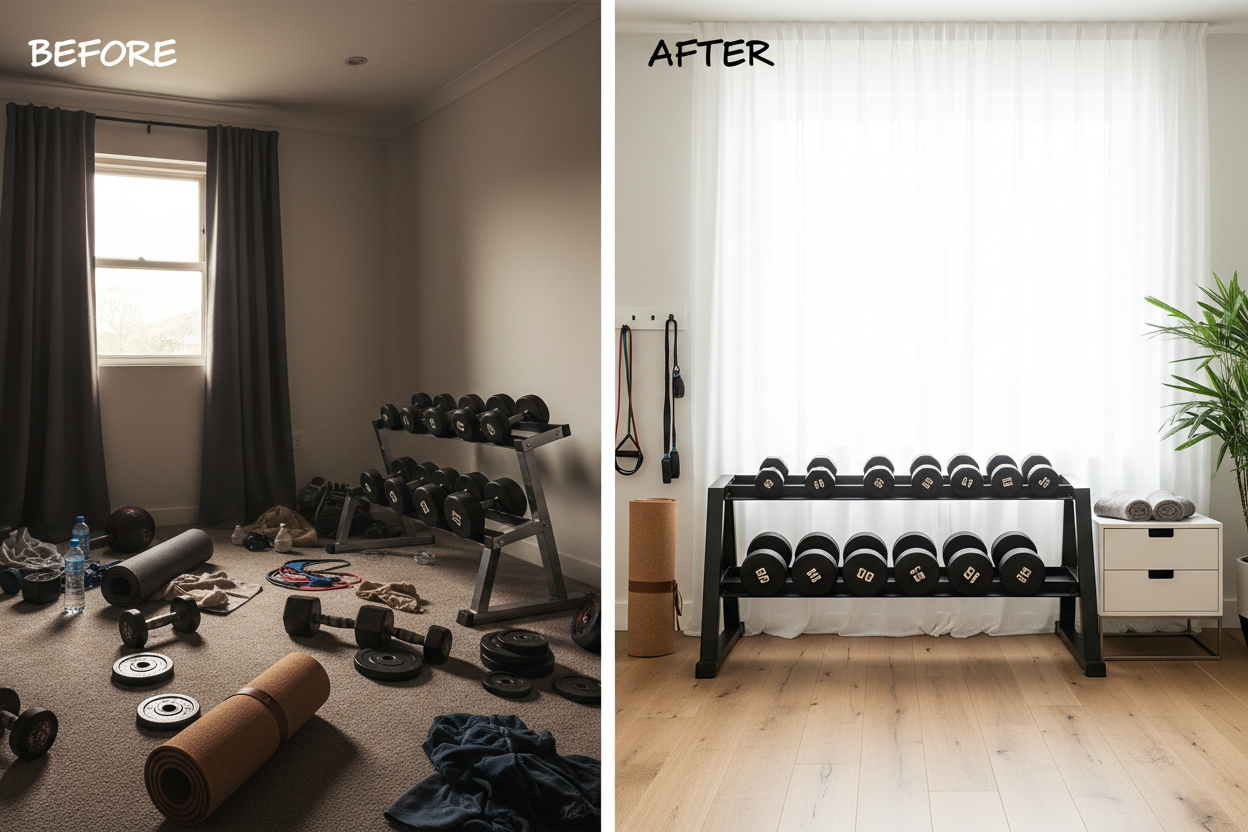
Tripping over a stray dumbbell is the quickest way to kill your workout motivation. If you have been building out a home gym, you know the struggle of accumulating gear. You start with a single pair of weights, and suddenly, you have a collection of neoprene and cast iron scattered across the floor. This is where storage becomes just as critical as the equipment itself. For those invested in the connected fitness ecosystem, finding the right storage, such as the myx weight rack, often becomes the next logical step in reclaiming floor space.
Organization does more than just make a room look tidy; it streamlines your actual workout performance. When you are moving through high-intensity intervals or trying to keep your heart rate up between sets, searching for the right weight breaks your flow. A dedicated storage solution ensures your equipment is grab-and-go ready. While many generic options exist, the myx fitness weight rack is specifically engineered to complement the sleek aesthetic of modern connected fitness bikes, offering a blend of form and utility that heavy-duty garage racks often lack.
The Realities of Home Gym Storage
I learned the hard way that floor space is a premium commodity. A few years ago, I decided to convert a corner of my living room into a workout zone. I bought a bike, a mat, and three sets of dumbbells. For months, those dumbbells lived in a pile next to the TV stand. During a particularly intense circuit session involving burpees and thrusters, I stepped back and rolled my ankle on a 15-pound weight I hadn't returned to its "pile." That injury sidelined me for two weeks.
That was the turning point. I realized that equipment without a home is a hazard. I started looking into vertical storage solutions that wouldn't dominate the room. The appeal of something like a myx weight rack lies in its footprint. Unlike wide, horizontal commercial racks that require six feet of wall space, vertical A-frame or tower racks utilize height rather than width. This verticality is essential for apartment dwellers or anyone forcing a gym into a multi-purpose room.
Analyzing the MYX Fitness Weight Rack Design
When you look at the specific design language of the myx fitness weight rack, you notice it prioritizes accessibility for medium-range weights. Most home users aren't racking 100-pound dumbbells. They are usually working with sets ranging from 5 to 30 pounds. The rack is built to accommodate these increments comfortably without the bulky bracing required for heavy commercial lifting.
The spacing between cradles is another subtle but vital feature. If you have ever used a cheap rack, you know the frustration of pinching your fingers because the tiers are too close together. A well-designed rack accounts for the diameter of the weight heads, ensuring you can re-rack a dumbbell smoothly without scraping your knuckles against the set above it. This ease of access encourages you to actually put the weights back, keeping the area safe.
Aesthetics and Motivation
Visual clutter creates mental clutter. There is a psychological benefit to walking into a room and seeing a clean, organized setup. It signals to your brain that it is time to work. Connected fitness brands understand this better than anyone. They sell an experience, not just hardware. The myx weight rack is designed to look good enough to sit in a bedroom or living room without screaming "garage gym."
The finish usually matches the bike or the accompanying gear, creating a cohesive look. While this might seem superficial, if you like how your gym looks, you are more likely to spend time in it. The cohesive aesthetic reduces the visual noise that might otherwise deter you from starting a session after a long day at work.
Compatibility and Alternatives
One common question regarding branded storage is versatility. Does the myx fitness weight rack only hold specific weights? Generally, these racks are designed for the dumbbells sold within their ecosystem—often rubberized or neoprene-coated hex weights or specific circular heads. However, gravity works the same for everyone. As long as the handle length of your dumbbells fits the width of the rack's cradles, you can usually mix and match brands.
If you cannot find the specific branded rack due to stock issues—a common occurrence with fitness accessories—look for "A-frame" racks with similar dimensions. Key measurements to check are the vertical distance between holders and the width of the racking rails. Neoprene weights often have shorter handles than cast iron ones, so ensure your alternative choice isn't too wide, or your weights won't sit securely.
Building a Functional Strength Zone
Integrating a rack into your space requires a bit of planning. You shouldn't just shove it in the corner. Place your rack within arm's reach of your workout mat but far enough away that you won't hit it during a lateral lunge. This creates a "safe zone" for movement. If you are following video classes, position the rack so you can see the screen while grabbing new weights. This prevents neck strain and keeps you engaged with the instructor.
Floor protection is also non-negotiable. Even with a rack, you will be picking up and setting down heavy objects. Place a high-density equipment mat under your myx weight rack. This protects your hardwood or carpet from indentations caused by the rack's feet and catches any accidental drops. It also defines the workout area visually, reinforcing the boundary between "living space" and "training space."
Maintenance of Your Gear
Having a rack also makes cleaning easier. When weights are on the floor, they collect dust, pet hair, and lint. Elevating them keeps them cleaner and makes it easier to wipe them down after a sweaty session. Sweat is corrosive; over time, it can damage the knurling on metal handles or degrade the rubber coating. A quick wipe down before racking them extends the life of your investment significantly.
Ultimately, the goal is consistency. Whether you choose a myx fitness weight rack or a compatible alternative, the objective remains the same: removing friction. By eliminating the setup time of hunting for weights and the safety hazard of a cluttered floor, you remove two convenient excuses for skipping a workout. The hardware supports the habit.