Strength Training on GLP-1 Medications: How to Keep Muscle While Losing Weight
Quick answer: If you're losing weight on a GLP-1 medication such as semaglutide (Ozempic, Wegovy) or tirzepatide (Mounjaro, Zepbound), strength training 2–3 times a week is one of the best ways to protect your muscle. Some of the weight lost on these medications is lean mass, not just fat, and resistance training plus enough protein helps preserve it. Start light, focus on full-body moves, and work with your healthcare team.
Key takeaways
- Weight loss isn't only fat. In clinical trial body-composition studies, lean mass made up roughly a quarter to two-fifths of total weight lost.
- Resistance training is the main tool for keeping muscle while losing weight.
- Protein matters, especially when appetite is low. Ask your clinician or dietitian for a target.
- Start gently, particularly during dose increases, when nausea and fatigue are more common.
This article is general fitness information, not medical advice. Always follow the guidance of the healthcare professional who prescribes your medication.
Why muscle matters when you're losing weight
GLP-1 medications reduce appetite and can lead to substantial weight loss. But when you lose weight fast, your body can also lose lean mass, which includes muscle. In body-composition substudies of major semaglutide and tirzepatide trials, lean mass accounted for roughly 25–40% of the total weight lost.
Keeping muscle matters because it:
- keeps you strong for everyday tasks, like climbing stairs and carrying groceries;
- supports balance and mobility as you age;
- contributes to your resting energy use;
- helps you look and feel "toned" rather than just smaller.
Exercise for weight management is one of the top fitness trends for 2026, according to the American College of Sports Medicine's annual survey.
How often should you strength train on a GLP-1?
General guidelines recommend muscle-strengthening activity for all major muscle groups on at least 2 days a week. For people actively losing weight, 2–3 full-body sessions a week is a practical target, plus regular walking.
Beginner strength routine (2–3 days a week)
Do 2–3 sets of each exercise with 1–2 minutes of rest. Choose a weight you could lift 2–3 more times at the end of each set. You should finish feeling worked, not wiped out.
| Exercise | Sets × reps | Easier option |
|---|---|---|
| Goblet squat (or box squat) | 2–3 × 8–12 | Sit-to-stand from a bench |
| Lat pulldown (cable) | 2–3 × 10–12 | Band pulldown |
| Push-up or chest press | 2–3 × 8–12 | Incline push-up |
| Seated cable row | 2–3 × 10–12 | Band row |
| Glute bridge or hip thrust | 2–3 × 10–15 | Floor glute bridge |
| Leg extension and leg curl | 2 × 12–15 | Seated knee extension, no weight |
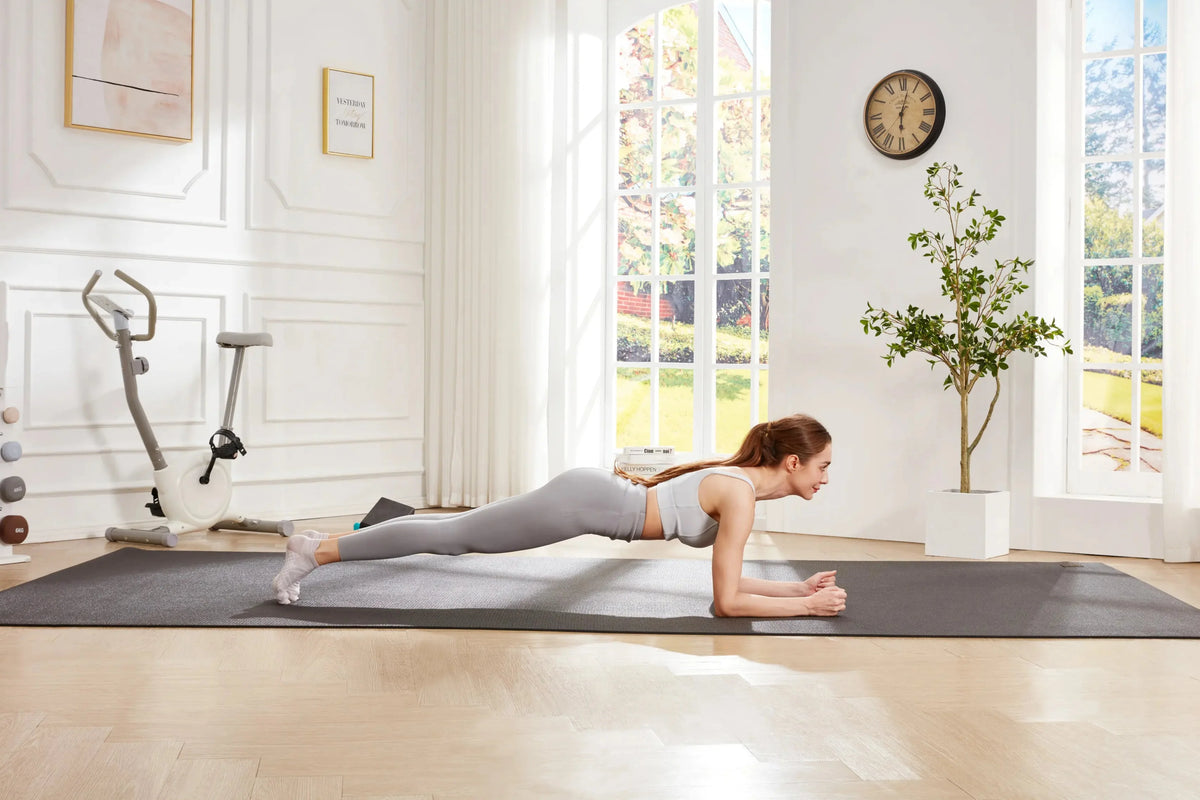
| Dead bug or plank | 2–3 × 20–30 sec | Bent-knee dead bug |
Progress slowly: when you can do the top of the rep range on every set, increase the weight a little. Change plates let you add just 2.5 lb at a time.
Why cable machines are great for beginners
Cables let you start very light, adjust in small steps and train in a controlled path. That's ideal when energy levels vary from day to day. The GXMMAT V6 Power Rack uses a 2:1 pulley ratio, so you feel about half the loaded weight: smooth, light resistance that suits new lifters. The G5 adds a compact 1:1 lat pulldown and low row station. Compare all three in X6 vs V6 vs G5.
For leg strength, the leg extension and curl machine works the quads and hamstrings while seated, which is comfortable and stable. For glutes, a hip thrust bench gives a padded, non-slip setup.
Tips for training on a GLP-1 medication
- Eat before training if you can. Low intake can make you feel lightheaded. Ask your clinician about timing.
- Prioritize protein at each meal, since appetite is reduced. A dietitian can set a target for your body and goals.
- Hydrate. Nausea and reduced intake can make dehydration more likely.
- Go easier during dose increases, when side effects tend to be stronger.
- Track strength, not just the scale. If your lifts are holding steady or improving while you lose weight, you're likely keeping muscle.
- Train on a stable, non-slip surface. A large exercise mat makes floor work and standing exercises safer.
What about cardio?
Cardio is good for heart health and helps energy balance. Walking, including Japanese interval walking, is an easy place to start. But cardio alone doesn't protect muscle the way resistance training does, so keep both.
FAQ
Do you lose muscle on Ozempic or Wegovy?
Some of the weight lost on GLP-1 medications can be lean mass. In trial body-composition studies, lean mass accounted for roughly a quarter to two-fifths of total weight lost. Strength training and adequate protein help preserve muscle.
How often should I lift weights on a GLP-1 medication?
At least 2 days a week, and ideally 2–3 full-body sessions, working all major muscle groups. Start light and progress gradually.
What exercises are best for keeping muscle while losing weight?
Compound movements such as squats, rows, presses, pulldowns and hip thrusts work several large muscles at once. Cable and machine exercises are good beginner-friendly options.
Is it safe to exercise on GLP-1 medications?
For most people, yes, and exercise is generally encouraged. Check with your healthcare provider, especially if you have other health conditions or experience dizziness, nausea or fatigue.
How much protein do I need while on a GLP-1?
Needs vary by person. Ask your doctor or a registered dietitian to set a protein target that supports your muscle while you lose weight.
Written by Yuvien Royer for GXMMAT. This article is general fitness information and is not medical advice. Ozempic, Wegovy, Mounjaro and Zepbound are trademarks of their respective owners. GXMMAT is not affiliated with these brands.