Stop Winging It: A Weekly Exercise Plan for Women Over 60
I have seen it a thousand times: someone buys a pair of 3lb dumbbells, watches a random 15-minute video of a 20-year-old bouncing around, and wonders why their back still hurts and their bone density hasn't budged. It is frustrating. You want to feel capable, not just 'busy' in your living room. If you are tired of scrolling through endless feeds of 'senior chair yoga' that feels like a waste of time, you need a real exercise plan for women over 60.
Quick Takeaways
- Training is about progression, not just burning calories or 'moving.'
- Heavy resistance is the only way to effectively stimulate bone density and muscle retention.
- A 4-day split allows for maximum recovery while hitting every major muscle group.
- Minimal gear like adjustable dumbbells and a solid mat are all you need to start.
The Problem With 'Exercising' Instead of 'Training'
Most people 'exercise'—they show up, sweat a bit, and leave. But an effective exercise program for women over 60 requires 'training.' Training means you have a specific goal and a structured path to get there. When you piece together disjointed routines from YouTube, you are essentially throwing spaghetti at the wall. You might get tired, but you aren't building the structural integrity your body needs.
Randomness is the enemy of progress. Without a plan, you likely overwork the muscles you can see in the mirror and ignore the ones that actually keep you upright and pain-free, like your glutes and posterior chain. This lead to joint fatigue and plateaus. You don't need to be 'sore' to have a good workout; you need to be stronger than you were last month.
The 3 Pillars of an Exercise Program for Women Over 60
A solid exercise routine for women over 60 has to be built on three non-negotiables: resistance, mobility, and recovery. First, let's talk about weight. You need to move things that feel heavy. I am not talking about 500lb deadlifts, but I am talking about weights that make the last two reps of a set feel challenging. You need this for bone density. Avoiding challenging resistance in favor of 'light and easy' movements is exactly why ultra-safe routines often fail to create real physiological change.
Second is mobility. This isn't just stretching; it's about maintaining the range of motion in your hips, shoulders, and ankles so you can actually perform the lifts safely. Finally, recovery is where the magic happens. Your nervous system takes longer to bounce back than it did at 25. If you train hard every single day, you aren't getting stronger—you're just digging a hole.
Your New Weekly Workout Routine for Women Over 60
Here is a template I’ve used with great success. It targets the whole body without burning you out. This workout routine for women over 60 assumes you have about 40 minutes to dedicate to your health.
- Monday: Lower Body Push & Upper Body Push. Focus on Goblet Squats and Overhead Presses. Squatting to a chair is a great way to scale this if your knees are cranky.
- Wednesday: Hinge & Pull. Think Deadlifts (kettlebell or dumbbell) and Rows. This builds the 'backside' of your body which protects your spine.
- Friday: Loaded Carries & Core. I would much rather see you do a heavy carry instead of endless cardio. Grab the heaviest weight you can safely hold and walk for 30 seconds. It’s the ultimate functional core move.
- Weekend: Active Recovery. Go for a walk, do some light gardening, or focus on long-hold stretches.
Setting Up Your Living Room or Garage for the Plan
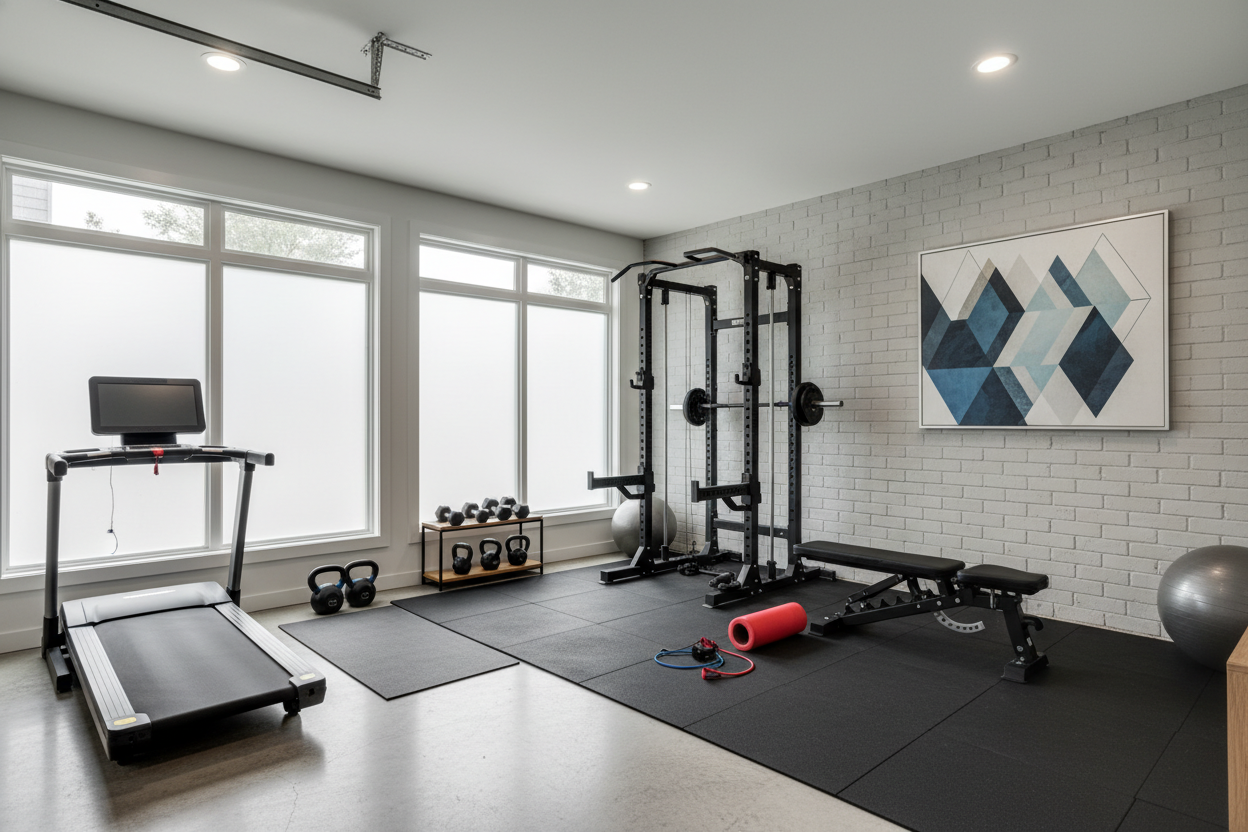
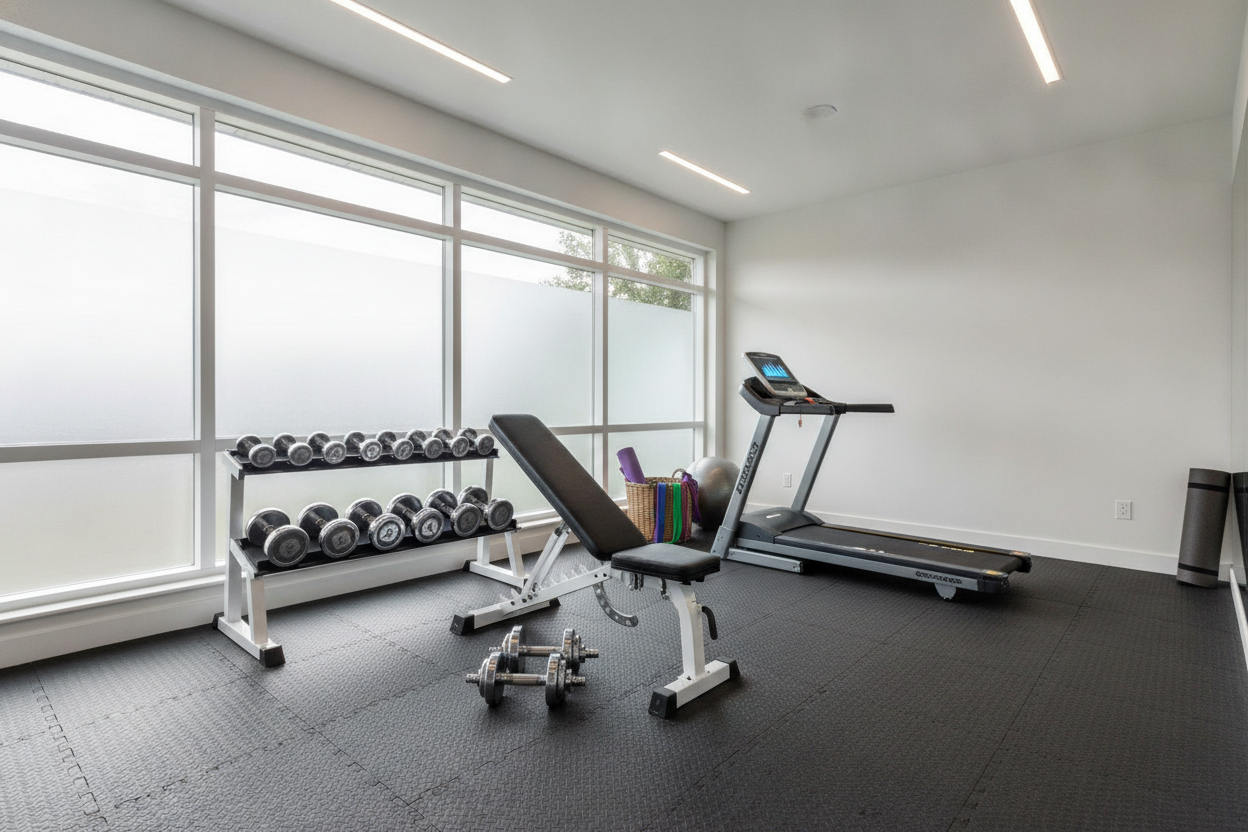
You don't need a 300lb Olympic bar or a massive power rack to get this done. A set of adjustable dumbbells (the ones that go up to 52.5-lb max per handle are perfect) will cover almost every exercise in this plan. The most important 'big' purchase you will make is your floor. Do not try to do these movements on a slippery rug or a thin yoga mat that bunches up.
I highly recommend getting a large exercise mat for your home gym. It provides the grip you need for lunges and the cushioning required for floor-based mobility work. Specifically, a 6x8ft exercise mat is the gold standard for home setups. It is large enough that you won't constantly step off the edge during lateral movements or carries, and it stays put on hardwood or concrete.
How to Track Your Progress Without a Scale
Stop weighing yourself every morning. For women over 60, the scale is a terrible liar. It doesn't account for the muscle you are building or the bone density you are preserving. Instead, look for real-world strength markers. Can you get off the floor without using your hands? Can you carry all the groceries in one trip without stopping? Those are the wins that matter.
Keep a simple notebook. Write down the weights you used and how they felt. If a 15lb dumbbell felt 'easy' this week, try 17.5lb next week. That is called progressive overload, and it is the only way to ensure your 'training' is actually working. Focus on the feeling of being capable and strong—the rest will follow.
Personal Experience: The 'Pink Dumbbell' Trap
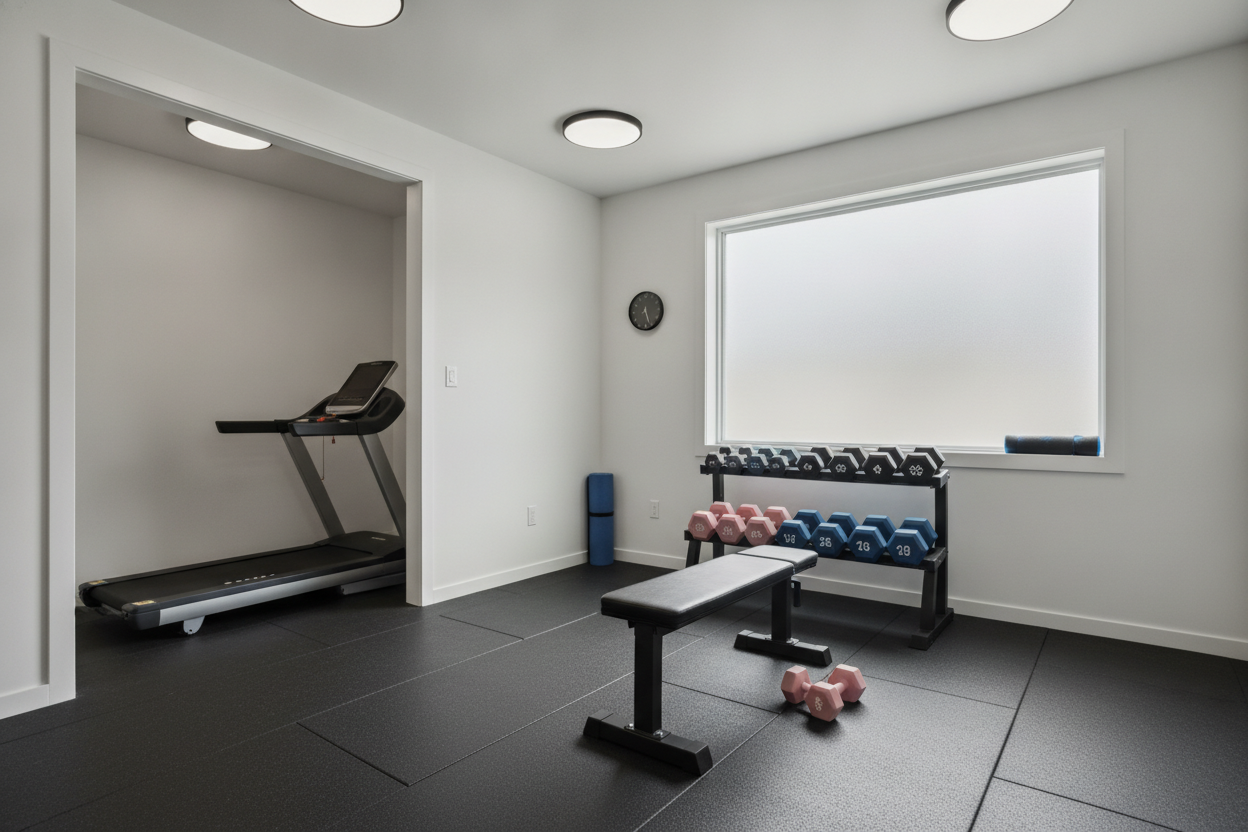
I remember training a family friend who was 64. She had been doing 'toning' classes for five years and still struggled to lift a suitcase into an overhead bin. She was stuck in the 'pink dumbbell' trap—using weights that offered zero stimulus. I had her start with a 20lb kettlebell for deadlifts. She was terrified she'd 'bulk up' or hurt her back. Within three months, she was pulling 50lbs and her chronic lower back pain had vanished. The mistake wasn't her effort; it was the lack of load. Don't be afraid of the weight.
FAQ
Do I need a squat rack for this plan?
No. For most women over 60, goblet squats with a single dumbbell or kettlebell provide more than enough resistance to build significant leg strength and bone density.
What if I have bad knees?
Modify the range of motion. Instead of a deep squat, squat to a bench or a sturdy chair. As you get stronger, you can gradually lower the height of the chair.
How many sets and reps should I do?
Start with 2-3 sets of 8-12 repetitions. If you can easily do 12 reps with perfect form, it is time to increase the weight slightly.