Stop Wasting Time: The Real Leg Exercises That Actually Build Strength and Shape
If you're looking for the most effective way to build strong, powerful, and well-shaped legs, the answer isn't a single magic movement. The pursuit of the single best exercise for legs is a bit of a red herring. True leg development comes from a strategic combination of movements that challenge your muscles from different angles and through their full range of motion. A great leg routine addresses the quads, hamstrings, glutes, and calves with intention, using both heavy compound lifts and targeted accessory work. Let's move beyond the hype and focus on the exercises that deliver consistent, real-world results.
My own journey with leg training had plenty of false starts. I spent months prioritizing isolation machines, wondering why my progress had stalled. It wasn't until I committed to foundational, multi-joint movements and learned to embrace the discomfort of true effort that I saw dramatic changes. The muscle growth, improved athletic performance, and even the metabolic boost were undeniable. The exercises that transformed my legs weren't trendy or complex; they were time-tested and brutally effective.
The Foundational Moves: Your Non-Negotiables
These exercises form the cornerstone of any serious leg development plan. They recruit the most muscle mass, allow for the heaviest loads, and stimulate the hormonal response that drives growth across your entire body.
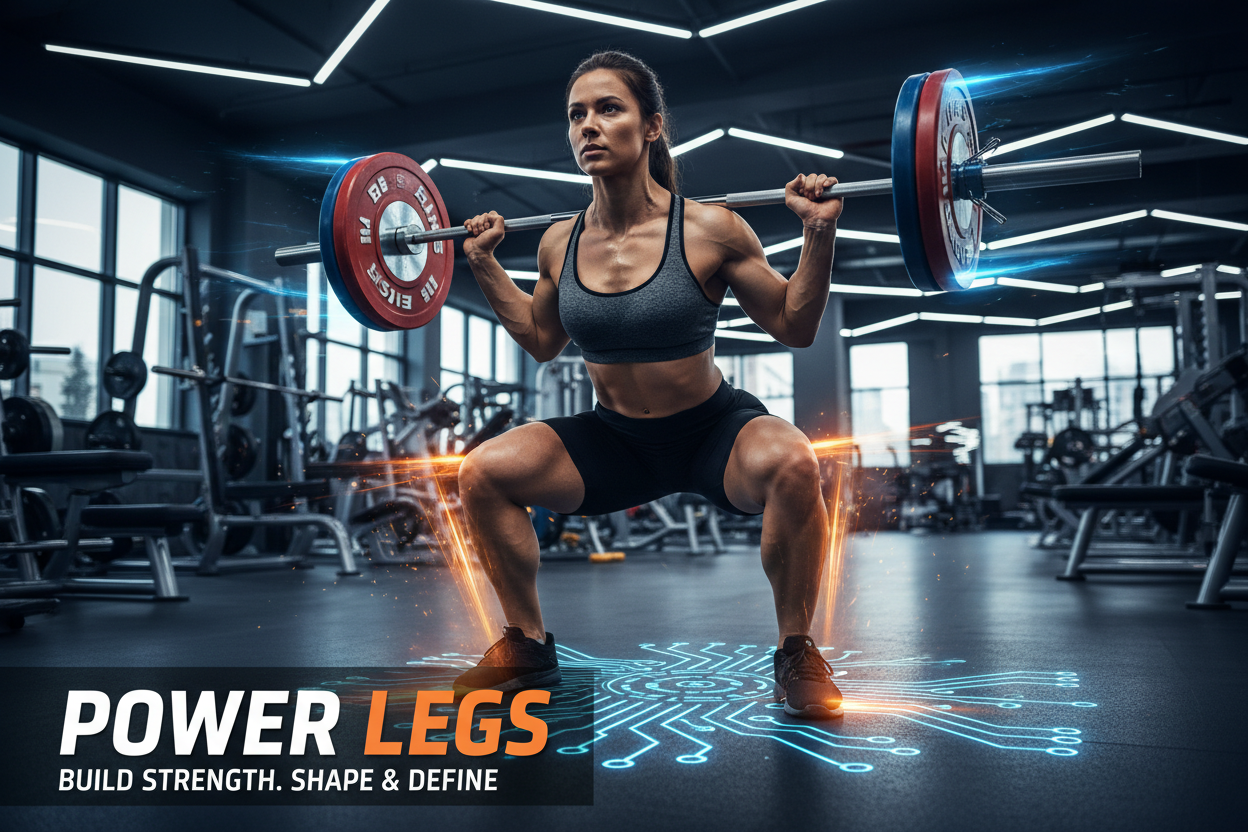
The barbell back squat is often called the king of leg exercises for good reason. It simultaneously taxes your quads, glutes, hamstrings, and core. Depth is crucial—aiming for at least parallel ensures you're working the muscles through their complete range. Variations like front squats shift emphasis more directly to the quadriceps and demand an upright torso, while goblet squats are an excellent tool for mastering the movement pattern.
Deadlifts, particularly the conventional and Romanian deadlift (RDL) variations, are indispensable for building the posterior chain. While conventional deadlifts are a full-body powerhouse, RDLs are a standout for isolating the hamstrings and glutes. The constant tension and stretch under load in an RDL create a unique stimulus for growth and improved flexibility in the hamstrings.
Essential Pressing and Hinging Movements
No list of top legs exercises is complete without the leg press. It allows you to safely handle significant weight and focus purely on extending the knees and hips without the balancing demands of a squat. By adjusting your foot placement—high, low, wide, or narrow—you can subtly shift the emphasis between quads, glutes, and hamstrings.
For unilateral (single-leg) development, the Bulgarian split squat is unparalleled. It corrects imbalances, builds staggering stability, and places intense focus on each leg individually. The range of motion and stretch it provides in the quad and glute of the working leg is often deeper than what's achievable with bilateral squats.
Hip thrusts have rightfully earned their place as a premier glute-building exercise. By targeting the glutes in a shortened, contracted position under heavy load, they complement the lengthened glute work of squats and deadlifts. This comprehensive approach is key for developing both strength and aesthetic shape.
Building a Complete Routine for Great Legs
Simply knowing good leg exercises isn't enough; you need to assemble them intelligently. A balanced leg day might include one primary squat pattern, one hip-hinge pattern, a unilateral movement, and targeted accessory work. For instance, a session could start with barbell back squats, move to Romanian deadlifts, then include Bulgarian split squats, and finish with leg extensions and lying hamstring curls. This structure ensures all major muscle groups are challenged with appropriate intensity.
Progressive overload—the gradual increase of stress on your muscles over time—is the engine of growth. This doesn't always mean adding more weight to the bar every week. It can mean performing more reps with the same weight, improving your form to achieve a deeper range of motion, reducing rest periods, or adding an extra set. The goal is consistent, measurable progress.
Recovery is where the actual adaptation happens. Leg muscles are large and require adequate fuel and rest to repair and grow stronger. Prioritize protein intake, sleep, and manage overall training volume to avoid chronic fatigue. Training legs with maximum effort once or twice a week, with proper recovery, is far more productive than half-hearted, frequent sessions.
Answers to Common Leg Day Questions
How often should I train legs for optimal growth?
For most people, training legs 1-2 times per week is sufficient, provided each session is intense and comprehensive. This allows for the 48-72 hours of recovery these large muscle groups need. Quality and effort in each session matter much more than frequency.
I hate squats. Are they absolutely necessary for great legs?
While squats are highly effective, they are not the only path. You can build impressive legs with a combination of leg presses, hack squats, lunges, step-ups, and hip hinge movements like deadlifts and good mornings. The principle of progressively overloading the major muscle groups is what's essential, not the specific tool.
Why aren't my legs growing even though I train them hard?
This usually points to one of three issues: a lack of progressive overload (you're lifting the same weights the same way each week), inadequate nutrition (specifically protein and overall calories for growth), or insufficient recovery (poor sleep and too much overall stress). Review these pillars—training, diet, and rest—honestly to identify the bottleneck.