Stop Wasting Time on Machines: Why the Barbell Is Still Your Best Friend
Walk into any commercial gym, and you will see rows of gleaming, high-tech machines designed to isolate every muscle fiber in your body. They look impressive, safe, and comfortable. Yet, if you look toward the back of the room or the dedicated strength section, you will find the strongest people training with the simplest equipment available: a metal rod and some iron plates. The barbell has remained the gold standard for building strength and muscle mass for over a century, simply because it works better than almost anything else.
The primary reason for this effectiveness lies in the demand for stabilization. When you sit on a chest press machine, the equipment balances the load for you. You just push. However, when you utilize weights with bars, you are forced to control the path of the resistance in three-dimensional space. Your body isn't just pushing weight from point A to point B; it is fighting gravity and lateral movement simultaneously. This recruits a massive amount of stabilizer muscles that machines leave dormant, leading to functional, real-world strength rather than just inflated muscles that look good but lack coordination.
My Wake-Up Call Under the Iron
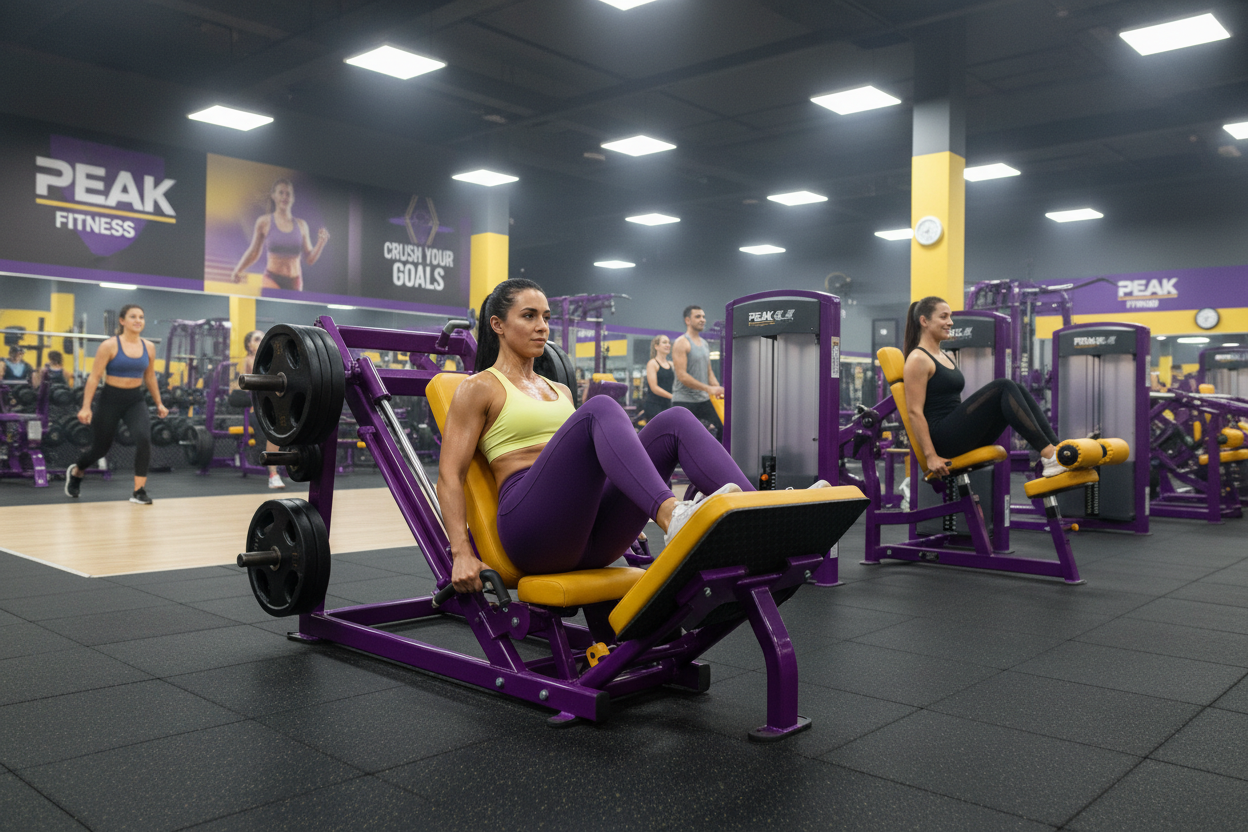
I spent the early part of my fitness journey convinced that the leg press was the ultimate builder of lower body power. I could load up plate after plate, feeling incredibly strong as I moved hundreds of pounds on the sled. Eventually, a mentor challenged me to try a basic back squat. I assumed my leg press strength would carry over effortlessly.
I was wrong. With just a moderate amount of weight on my back, my legs shook uncontrollably, and my core felt like it was going to collapse. I wasn't weak in the legs; I was weak everywhere else. The machine had been acting as a crutch for my lower back and abs. Transitioning to free weights was a humbling restart, but within six months, my overall physique changed more than it had in two years of machine work. That experience taught me that moving a long bar for weights requires a systemic, full-body connection that isolation exercises simply cannot replicate.
Understanding the Equipment
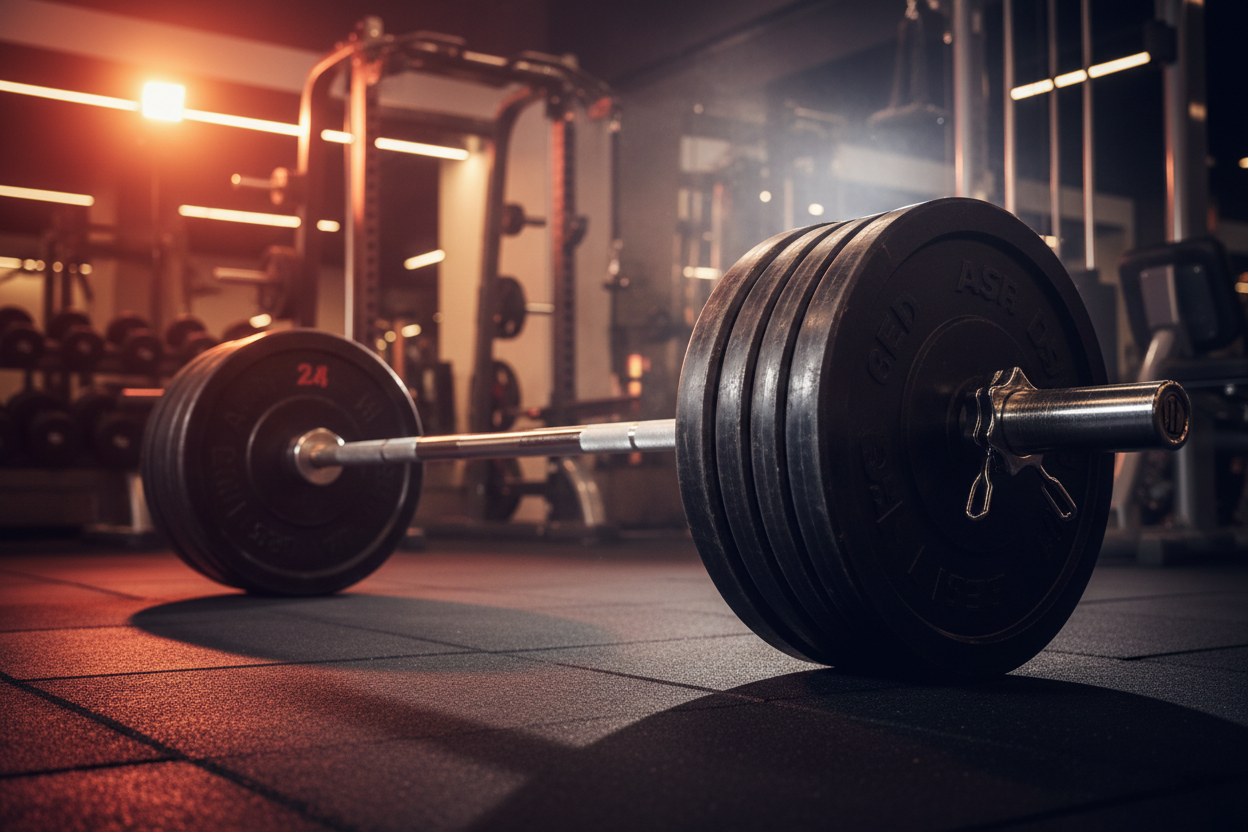
If you are setting up a home gym or stepping into the free weight section for the first time, the terminology can get confusing. The standard Olympic barbell is the centerpiece of this training style. This is generally a 7-foot long steel bar weighing 45 pounds (or 20 kilograms) with rotating sleeves on the ends. These rotating sleeves are crucial because they allow the weight plates to spin independently of the bar, reducing torque on your wrists and elbows during movements like the clean or the snatch.
While dumbbells are fantastic for correcting imbalances between the left and right sides of the body, the barbell allows for maximum loading. You are mechanically stronger when your hands are fixed on a single object. This is why you can bench press more with a barbell than you can with the combined weight of two dumbbells. If the goal is progressive overload—adding more weight over time to force adaptation—the barbell is the most efficient tool in your arsenal.
The Mechanics of Leverage
The length of the bar isn't just for show; it creates a specific balance challenge. Even a slight deviation in your grip or stance is magnified by the length of the bar. This forces you to develop precision in your movement patterns. When balancing heavy weights long bar lifters must maintain a center of gravity that aligns perfectly with their mid-foot. If the bar drifts forward or backward, the leverage works against you instantly. This immediate feedback loop teaches you body awareness faster than any guided machine ever could.
The Big Four: Mastering the Basics
You do not need a library of a hundred exercises to get fit. You need to master a few compound movements. These exercises offer the highest return on investment for the time you spend in the gym.
The Squat is often called the king of exercises. By placing the bar on your upper back, you challenge your quads, hamstrings, glutes, and spinal erectors. It is a full-body event. Breathing and bracing your core before you descend is just as important as the leg drive coming back up.
The Deadlift is the purest test of strength: picking a dead weight off the floor. It builds a thick back and powerful hips. Because you are gripping a long bar for weights that rests on the floor, the setup dictates that you must generate tension before the pull even begins. Losing tension means rounding the back, which is where injuries happen.
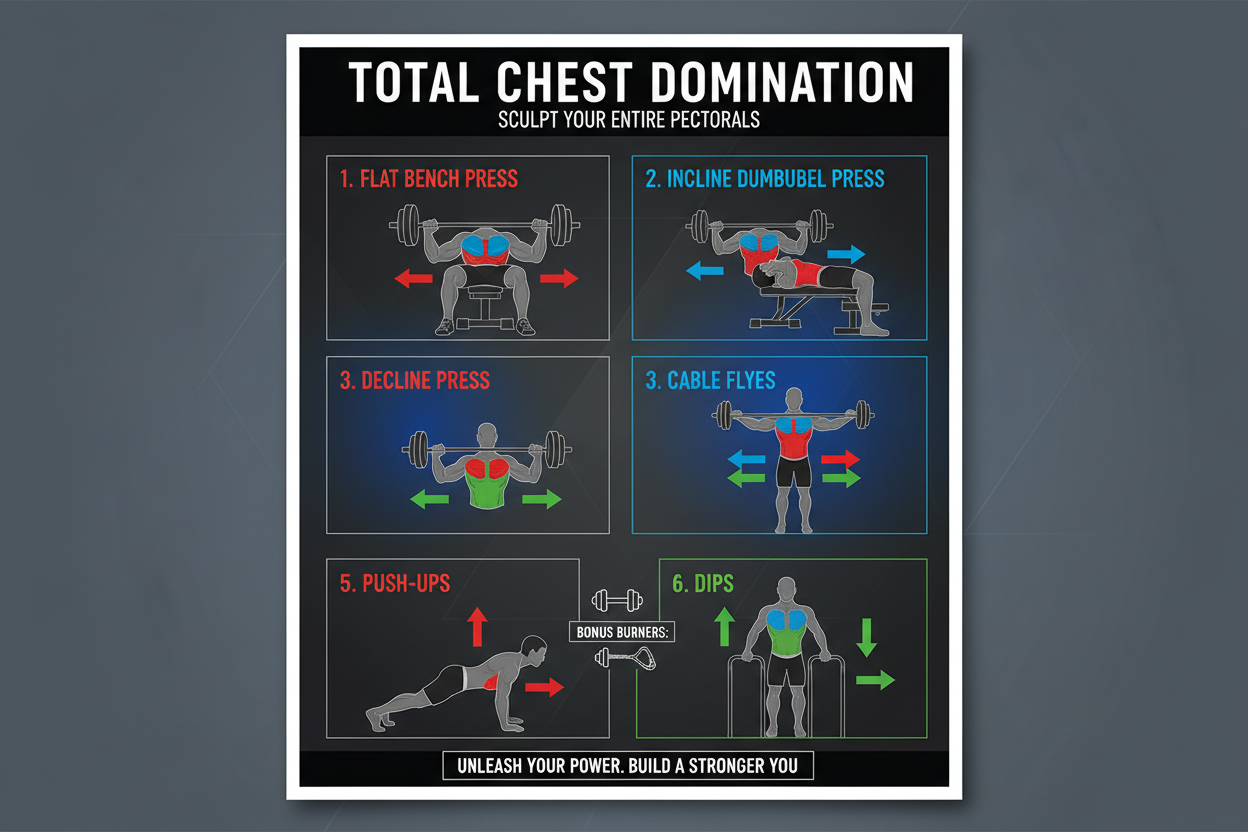
The Bench Press and the Overhead Press cover your upper body pushing needs. The Bench Press allows for heavy loading of the chest and triceps, while the Overhead Press is the ultimate test of shoulder stability and core strength. Lifting a heavy weight over your head while standing requires aggressive glute squeezing to prevent your lower back from arching excessively.
Safety and Progression
A common fear regarding weights with bars is the risk of injury. It is a valid concern, but one that is mitigated by proper form and ego management. Most injuries occur not because the exercise is dangerous, but because the lifter added weight before their technique was solid. Using safety collars to keep plates from sliding is non-negotiable, as is learning how to fail a rep safely—whether that means dumping the bar behind you on a squat or using the safety arms in a power rack.
Progression should be linear and slow. If you add just 5 pounds to the bar every week, you are adding over 250 pounds to your lift in a year. That is unsustainable forever, of course, but for a beginner, the rapid gains in strength are incredibly motivating. Keep a logbook. Tracking your numbers transforms training from a random activity into a calculated pursuit of improvement.
Integrating Barbell Training
You don't have to abandon machines entirely. They serve a purpose for hypertrophy and working around injuries. However, if your routine doesn't include at least one major barbell movement, you are leaving results on the table. Start your workout with the heavy compound lift when your energy is highest. Use the weights long bar enthusiasts rely on for your primary strength work, and then move to dumbbells or machines for higher-repetition accessory work to flush blood into the muscles.
Fitness trends come and go. We have seen vibration plates, ab rockers, and endless cardio crazes. Through it all, the barbell remains in the corner of every serious gym, unchanged and undefeated. It requires effort, patience, and humility, but the strength it builds is yours to keep.
Frequently Asked Questions
Do I need a spotter for barbell training?
For most exercises, you can train safely alone if you have a power rack with safety pins set at the correct height. However, for the bench press, a spotter is highly recommended if you are pushing near your limit, as getting trapped under the bar is a genuine risk.
Is a standard bar different from an Olympic bar?
Yes. A standard bar usually has a 1-inch diameter and takes plates with smaller holes, while an Olympic bar has 2-inch rotating sleeves and is built to handle much heavier loads. For serious training, the Olympic bar is the superior investment due to its durability and standardized size.
Can I build muscle with just a barbell?
Absolutely. A barbell allows you to target every muscle group in the body through compound movements like rows, presses, squats, and deadlifts. Many of the most impressive physiques in history were built almost exclusively using a barbell and bodyweight exercises.