Stop Wasting Reps: The Definitive Guide to Building Stronger Glutes
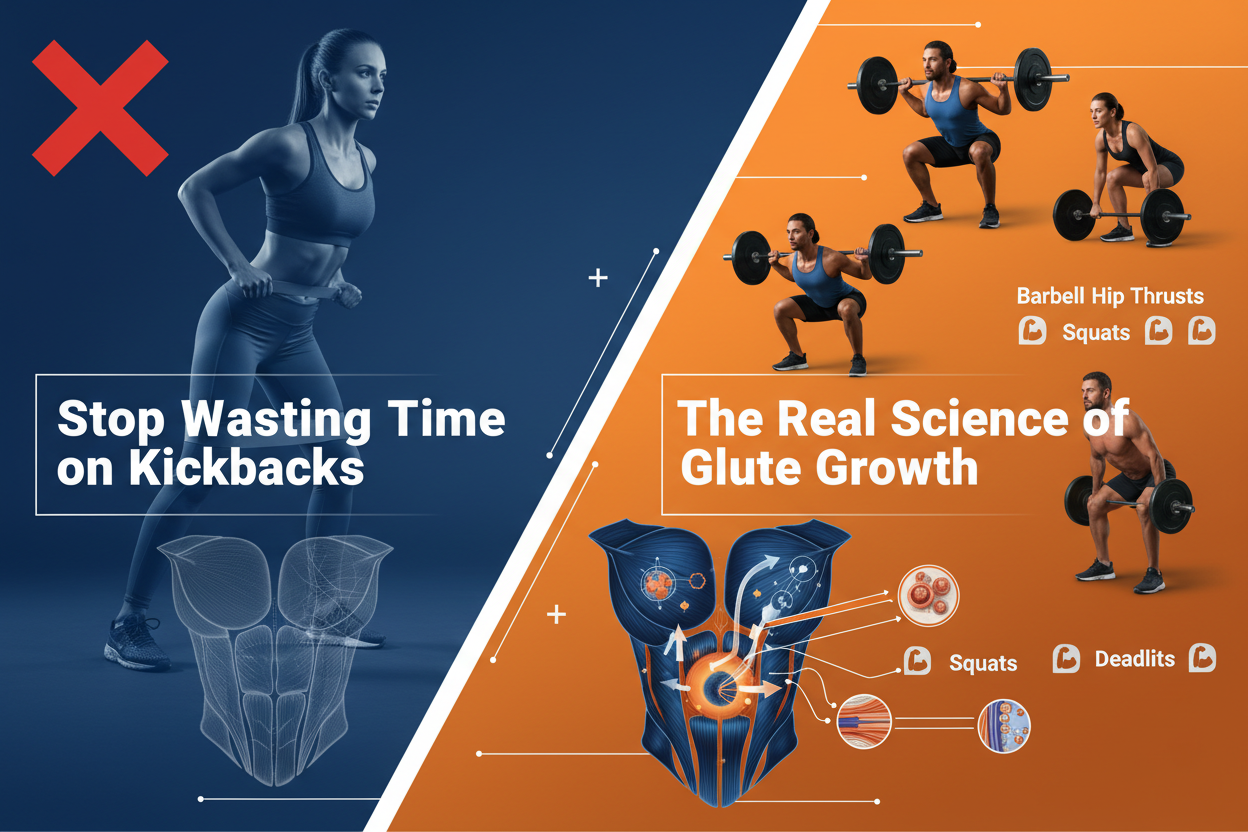
Most gym-goers spend years chasing a stronger, more developed backside only to spin their wheels with ineffective high-repetition kickbacks or random machine circuits. If you want actual results—whether for athletic power, posture correction, or aesthetics—you need to prioritize mechanics and load. The gluteus maximus is the largest muscle in the human body, and it requires significant stimulus to grow and strengthen. You don't need a dozen different exercises; you need the right ones performed with intent.
To give you the direct answer immediately: the foundation of any successful posterior chain program relies on three specific movement patterns. These are the hip hinge, the squat, and the bridge. Specifically, the Barbell Hip Thrust, the Romanian Deadlift (RDL), and the Bulgarian Split Squat stand out as the absolute gold standard. If your routine lacks these, you are leaving gains on the table.
Why Most Glute Training Fails
I learned this lesson the hard way. Early in my training career, I suffered from nagging lower back pain despite squatting heavy twice a week. I assumed my legs were strong, so my glutes must be too. I was wrong. A physical therapist pointed out that I was "quad-dominant" and that my glutes were essentially asleep at the wheel during heavy lifts. My lower back was taking over the load that my hips should have been moving. Once I shifted my focus to isolation movements that forced hip extension—specifically pausing at the top of thrusts and slowing down my eccentric movements—my back pain vanished within a month, and my main lifts skyrocketed. That experience shifted my entire philosophy: you have to earn the right to lift heavy by mastering the mind-muscle connection first.
The King of Contraction: The Barbell Hip Thrust
When discussing the best glute lifts, the Barbell Hip Thrust invariably sits at the top of the hierarchy. Unlike squats or deadlifts, where the glutes are just one of many muscles working, the hip thrust places the glutes under constant tension, specifically at the point of peak contraction (the top of the movement). This is due to the horizontal load vector; the weight is pushing your hips down, and your glutes must work directly against gravity to lock out.
Proper setup is non-negotiable here. Your shoulder blades should rest against a bench, and your shins should be vertical at the top of the movement. A common mistake is hyperextending the lower back. Keep your chin tucked to your chest and your ribs pulled down. Think about scooping your hips under rather than arching your back up. If you feel this in your lower back, you are likely going too heavy or your foot placement is off. When performed correctly, this movement provides the highest level of glute activation of almost any resistance exercise.
The Master of Tension: Romanian Deadlifts (RDLs)
While the hip thrust challenges the muscle at the short position (contracted), the Romanian Deadlift challenges the glutes at the lengthened position (stretched). This stretch under load is a potent trigger for hypertrophy (muscle growth). Many lifters confuse this with a stiff-leg deadlift, but the nuance lies in the knee bend.
To execute the perfect RDL, unlock your knees slightly and freeze them in that position. The movement comes entirely from pushing your hips backward, as if you are trying to close a car door with your backside. Don't worry about how far down the bar goes; worry about how far back your hips can travel. Once your hips stop moving back, the rep is over. Going lower usually just shifts the tension to your lumbar spine. This deep stretch damages muscle fibers in a way that promotes significant repair and growth, making RDLs one of the best lifts for glutes when looking for mass and tie-in development.
Grip and Stability
Using lifting straps for RDLs is often a smart move. Your glutes are much stronger than your grip. If your hands give out before your posterior chain does, you aren't stimulating the target muscle enough. Strap in, brace your core, and focus entirely on the hinge pattern.
The Unilateral Powerhouse: Bulgarian Split Squats
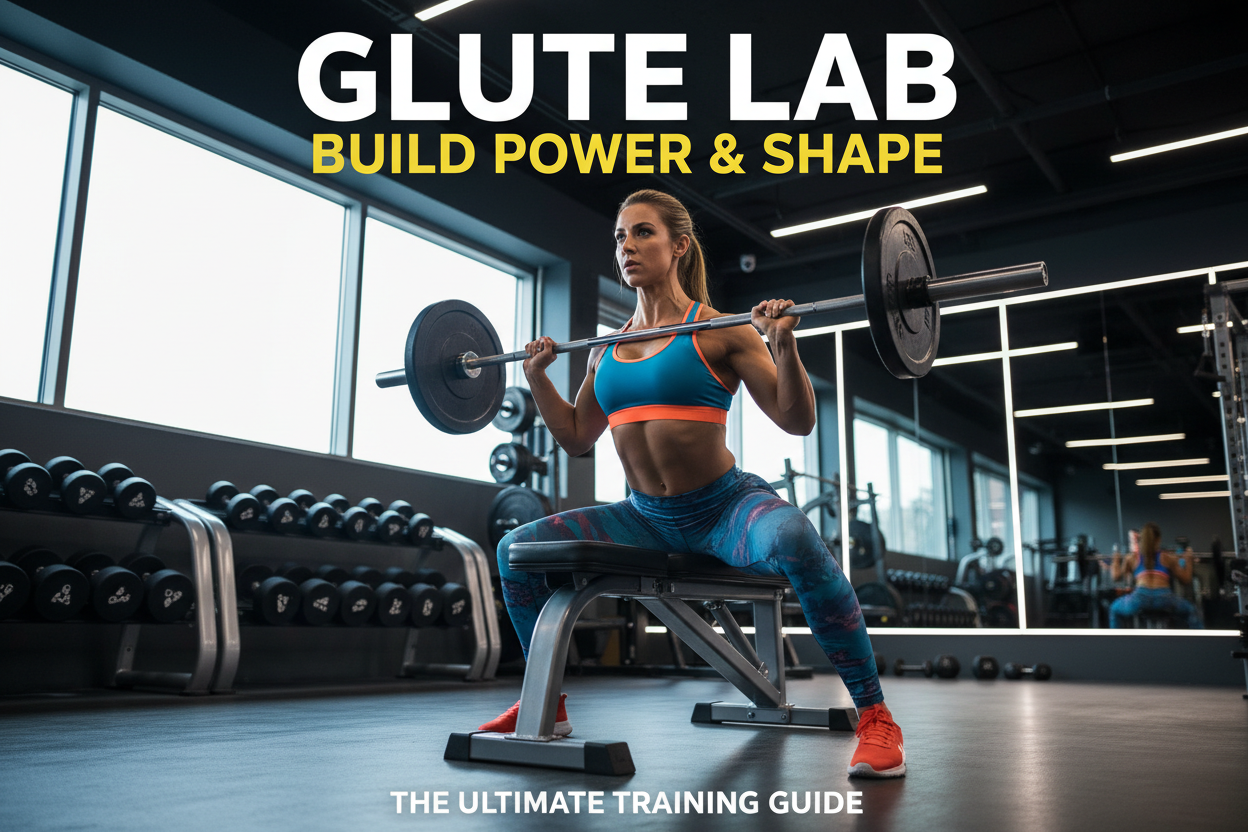
Bilateral movements (using both legs) are fantastic, but they can hide imbalances. If your right side is stronger, it will compensate for the left during a heavy squat. The Bulgarian Split Squat exposes these weaknesses immediately. By placing the rear foot on a bench and descending with the working leg, you force the glute medius and maximus to stabilize and drive the weight simultaneously.
To make this glute-biased rather than quad-biased, lean your torso forward slightly (about 30 to 40 degrees). Keep your front shin relatively vertical. If you stay completely upright and drive your knee forward over your toe, you will target the quads. The forward lean stretches the glute and forces it to do the heavy lifting to return you to the starting position. It is uncomfortable, metabolic, and incredibly effective.
Programming for Maximum Development
Knowing the exercises is only half the battle; implementing them requires a strategy. You cannot simply max out every session. The glutes respond well to a variety of rep ranges. A solid approach involves hitting the heavy compound movements (like Hip Thrusts) for lower reps (5–8) to build strength, and using movements like RDLs or Split Squats in the moderate range (8–12) for hypertrophy.
Frequency also matters. Since the glutes are a large muscle group with high endurance capabilities, they can often recover faster than the lower back. Training them 2 to 3 times a week allows for sufficient volume without systemic burnout. Ensure you are applying progressive overload. This doesn't always mean adding weight; it can mean adding a rep, slowing down the tempo, or decreasing rest times. If your workout looks exactly the same as it did six months ago, your physique will look the same too.
Supplementary Movements
Once the heavy lifting is done, you can finish off the session with high-repetition metabolic work. This is where cable pull-throughs, 45-degree hyperextensions (with a rounded upper back to inhibit spinal erectors), and seated abduction machine work come into play. These aren't the primary builders, but they add volume without taxing the central nervous system significantly. They are excellent for driving blood into the muscle and ensuring all fibers, including the smaller gluteus medius and minimus, are fatigued.
Building a powerful posterior chain isn't about confusion or constantly switching routines. It is about mastering the hinge, the thrust, and the squat pattern. Stick to the basics, execute them with surgical precision, and the results will follow.
Frequently Asked Questions
How often should I train my glutes for maximum growth?
For most natural lifters, training glutes 2 to 3 times per week is optimal. This frequency allows you to accumulate enough volume for growth while providing adequate recovery time between sessions. Training them once a week is usually insufficient for significant changes, while every day can lead to overtraining.
Can I build glutes without heavy weights?
You can improve tone and endurance with bodyweight exercises, but significant muscle growth (hypertrophy) generally requires mechanical tension provided by external resistance. To change the shape and size of the muscle, you eventually need to challenge it with weights like barbells or dumbbells.
Why do I feel leg exercises in my lower back instead of my glutes?
This usually indicates a weak core or poor pelvic positioning, often referred to as an anterior pelvic tilt. If you arch your back excessively during movements like squats or hip thrusts, the load shifts to the lumbar spine. Focus on bracing your abs and tucking your chin to keep the spine neutral.